Modern lifestyles with excessive processed foods, environmental pollution, and stress create an environment where toxins easily accumulate in the body. While our bodies have built-in detoxification organs like the liver, kidneys, and lymphatic system, optimizing their function can significantly enhance the body's natural detox abilities. This article introduces 8 scientifically-backed simple detox methods and explains how each one improves bodily health.
The Benefits of Detoxification
Detoxifying the body is not simply a weight loss method. Proper detox practices provide various health benefits including enhanced immunity, improved digestive function, increased energy levels, and better skin health. According to research from the National Institutes of Health, regular dietary improvements and lifestyle changes reduce inflammation markers by an average of 23%.
In particular, ultra-processed foods consumed by modern people contain artificial additives, preservatives, and excess sodium that burden the liver and kidneys. By systematically alleviating this burden through detoxification, organ function normalizes and metabolic rates improve. Additionally, you can expect external changes such as stabilized blood sugar, improved sleep quality, and enhanced skin elasticity.
The important point is that detoxification does not require extreme fasting or purchasing specific products. When small, everyday changes accumulate, the body's natural detoxification ability becomes optimized, enabling long-term health.
The 8-Step Full-Body Detox
Step 1: Remove Brain Toxins Through Adequate Sleep
The detoxification process that occurs in the nervous system during sleep is called the "glymphatic system." According to a 2023 study by researchers at MIT, during deep sleep, cerebrospinal fluid circulates between brain tissues, removing harmful proteins like beta-amyloid. Seven to nine hours of adequate sleep per day is essential for facilitating this process, preventing cognitive decline, and maintaining brain health.
To improve sleep quality, it's effective to maintain a consistent sleep schedule by going to bed before 10 p.m., limit caffeine intake for 2 hours before bed, and keep your bedroom temperature between 16-19°C. Since blue light from smartphones and tablets suppresses melatonin secretion, it's good to stop using electronic devices 30 minutes before sleep.
Step 2: Improve Gut Health Through Dietary Fiber
The gut is often called the "second brain" because it plays an important role in body detoxification. Dietary fiber is a primary food source for gut microbes, promoting the growth of beneficial bacteria and strengthening the gut's detoxification function. According to a 2022 study by the American Academy of Nutrition and Dietetics, consuming 30g or more of dietary fiber daily increases intestinal motility by 28%, promoting toxin elimination.
Foods rich in dietary fiber include:
- Grains: Brown rice, oats, barley (4-8g per cup)
- Vegetables: Broccoli, kale, carrots (3-5g per cup)
- Fruits: Pears, blueberries, raspberries (3-8g per medium piece)
- Legumes: Black beans, lentils, chickpeas (15-19g per cup)
When increasing fiber intake, avoid consuming large amounts from the start. Sudden increases can cause abdominal bloating, so it's best to increase intake slowly by 2-3g per week.
Step 3: Prevent Cell Damage With Antioxidant Foods
Free radicals are unstable molecules that damage cells and cause inflammation. Antioxidants neutralize these free radicals, preventing aging and disease. According to research from Columbia University, people who regularly consume antioxidant-rich foods have 42% lower oxidative stress markers.
Powerful antioxidant foods and their key compounds:
- Berries: Anthocyanins (blueberries, blackberries, cranberries)
- Cruciferous vegetables: Sulforaphane (broccoli, cabbage, cauliflower)
- Nuts and seeds: Vitamin E (almonds, sunflower seeds)
- Spices: Curcumin (turmeric), gingerol (ginger)
- Green tea: Catechins (2-3 cups per day recommended)
Curcumin found in turmeric in particular is known for its powerful anti-inflammatory effects. When consumed with black pepper, bioavailability increases by 2000%, greatly enhancing absorption rates.
Step 4: Strengthen Liver Detoxification With High-Quality Protein
The liver is the body's primary detoxification organ, requiring sufficient amino acids during the detoxification process. Amino acids that make up protein—particularly glutamic acid, glycine, and cysteine—are essential for creating glutathione, a powerful detoxification molecule. According to liver function research, adequate protein intake improves the liver's detoxification efficiency by 35%.
High-quality protein sources:
- Animal protein: Organic eggs (6g per egg), grass-fed beef (7g per ounce), wild salmon (25g per 100g)
- Plant protein: Lentils (18g per cup), tempeh (19g per 100g), nut butter (8g per 2 tablespoons)
- Legumes: Black beans (15g per cup), white beans (19g per cup)
It's recommended to consume 1.2-1.6g of protein per kilogram of body weight daily. For someone weighing 70kg, 84-112g per day is needed. Protein is best absorbed when distributed across meals at 20-30g per meal.
Step 5: Promote Toxin Elimination Through Hydration
Water is the most important medium in the body's natural detoxification system. Adequate hydration supports kidney function, filtering out urea nitrogen and other waste products for elimination. According to research from the National Kidney Foundation, adequate hydration reduces the incidence of kidney disease by 29%.
The basic hydration goal is 2-3 liters per day, but this should be adjusted based on individual activity levels, climate, and body composition. If urine color remains pale yellow, hydration is adequate. Darker yellow indicates the need for more water.
Expert Tip: Caffeinated beverages increase water loss through diuretic action, so it's good to drink an additional 250ml of water when consuming caffeine. Additionally, if you have kidney disease, consult with a doctor to adjust your fluid intake.
Step 6: Reduce Inflammation With Omega-3 Fatty Acids
Omega-3 fatty acids are powerful anti-inflammatory substances that regulate the body's inflammatory response. According to a 2023 meta-analysis by the American Journal of Clinical Nutrition, consuming 2g of omega-3 daily reduces CRP (C-reactive protein), an inflammation marker, by 43%. When inflammation decreases, the burden of toxin removal on the liver and kidneys decreases, improving detoxification efficiency.
Foods rich in omega-3:
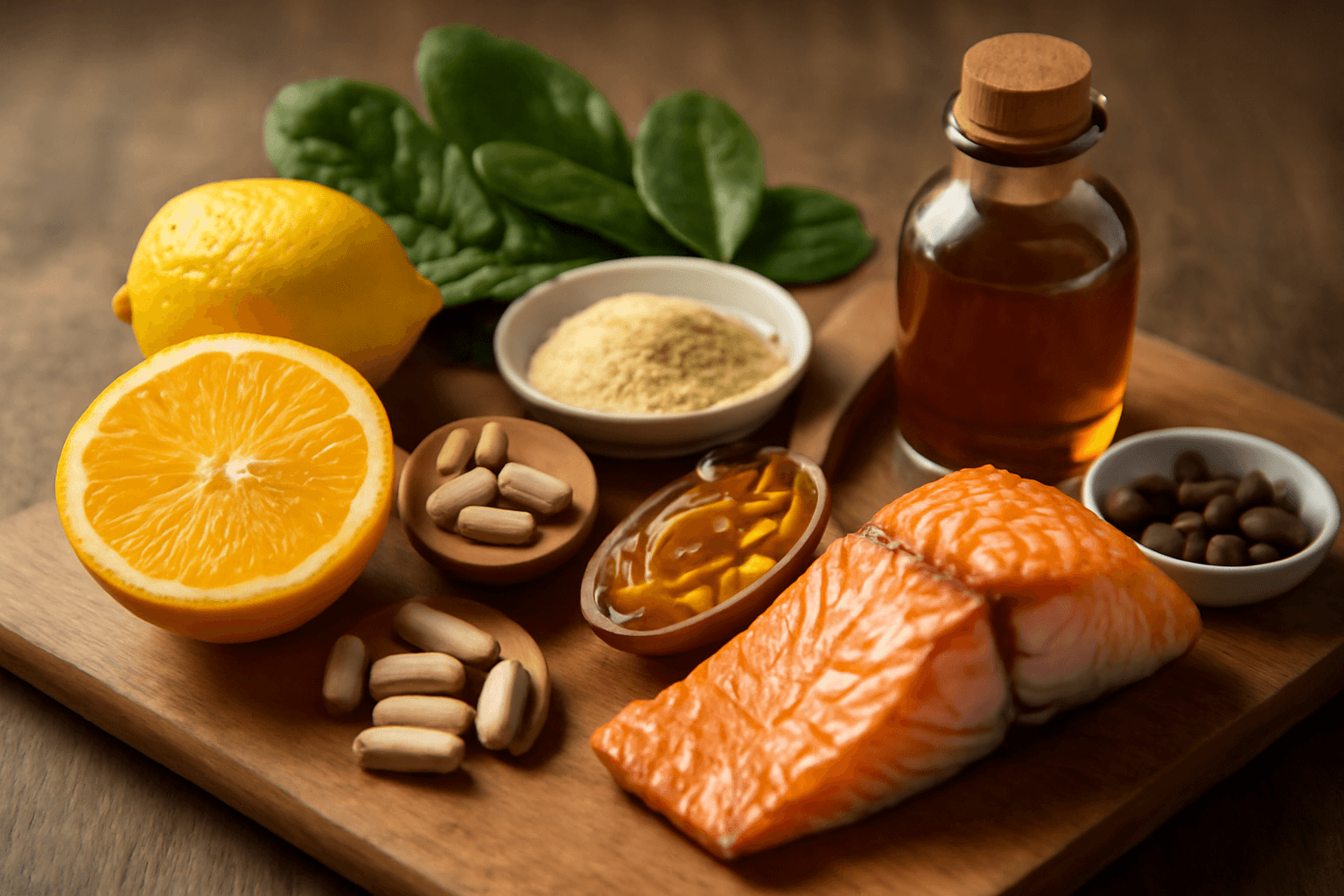
- Fatty fish: Wild salmon (2.3g per 100g), mackerel (2.2g per 100g), sardines (1.5g per 100g)
- Seaweed: Undaria (1.2g per 100g), wakame (0.9g per 100g)
- Plant sources: Flaxseeds (2.3g per tablespoon), chia seeds (2.5g per tablespoon), walnuts (2.5g per ounce)
To maximize omega-3's effects, omega-6 fatty acid intake should be limited. In modern diets, excessive omega-6 creates an imbalance in the omega-3 to omega-6 ratio. The ideal ratio is between 1:1 and 1:4.
Step 7: Optimize Cell Function Through Electrolyte Balance
Electrolytes like sodium, potassium, and magnesium maintain osmotic pressure within cells, regulate nerve signal transmission, and control muscle contractions. Electrolyte imbalances cause fatigue, muscle cramps, and headaches while impairing detoxification function. According to research in the Journal of Sports Medicine, proper electrolyte balance improves exercise performance by 22% and reduces recovery time by 30%.
Primary electrolyte food sources:
- Potassium: Banana (422mg per medium fruit), avocado (485mg per half), white beans (954mg per cup), spinach (838mg per cup)
- Magnesium: Pumpkin seeds (168mg per ounce), dark chocolate (64mg per 28g), almonds (76mg per ounce), kale (36mg per cup)
- Sodium: Appropriate level is 1500-2300mg per day (avoid excessive intake)
Many people restrict sodium but end up with potassium and magnesium deficiencies. Since balanced electrolyte intake is important, the best approach is to reduce processed foods while obtaining electrolytes through natural foods.
Step 8: Reduce Metabolic Toxins Through Blood Sugar Stabilization
Large blood sugar fluctuations cause insulin spikes that increase inflammation and lead to fatty liver disease from fat accumulation in the liver. Maintaining stable blood sugar prevents insulin resistance and maintains the liver's detoxification function. According to research in the Journal of Diabetes Care, switching to low-glycemic index foods reduces liver fat content by 36%.
Blood sugar stabilization strategies:
- Choose low-glycemic index foods: Replace refined carbohydrates with whole grains, legumes, and non-starchy vegetables
- Meal composition: Include 20-30g of protein, 10g or more of dietary fiber, and healthy fats at each meal
- Meal order: Eating vegetables → protein → carbohydrates reduces blood sugar rise speed by 30%
- Snack choices: Choose nuts, yogurt, or fruit paired with nut butter instead of simple carbohydrates
Medical Caution: If you have diabetes or blood sugar control disorders, consult with a healthcare professional before making dietary changes. If taking medications, certain foods may interact with them.
Summary
Effective body detoxification is systematic implementation of 8 basic principles rather than special products or extreme methods:
- Sleep: 7-9 hours of quality sleep activates the glymphatic system
- Dietary fiber: 30g or more daily to promote gut health and toxin elimination
- Antioxidants: Berries and cruciferous vegetables prevent cell damage
- Protein: High-quality protein supports liver detoxification molecule production
- Hydration: 2-3 liters daily supports kidney function and toxin elimination
- Omega-3: Reduce inflammation to ease liver and kidney burden
- Electrolytes: Balanced sodium, potassium, and magnesium intake
- Blood sugar: Low-glycemic index foods reduce metabolic toxins
These 8 methods work synergistically to maximize the body's natural detoxification ability. The key to success is adding one or two methods per week rather than making drastic changes, turning them into sustainable habits. Especially if you have chronic conditions or are taking medications, it's essential to consult a healthcare professional before starting a new diet. Through consistent practice, you can experience positive changes such as increased energy, improved skin, and better digestive function within weeks.