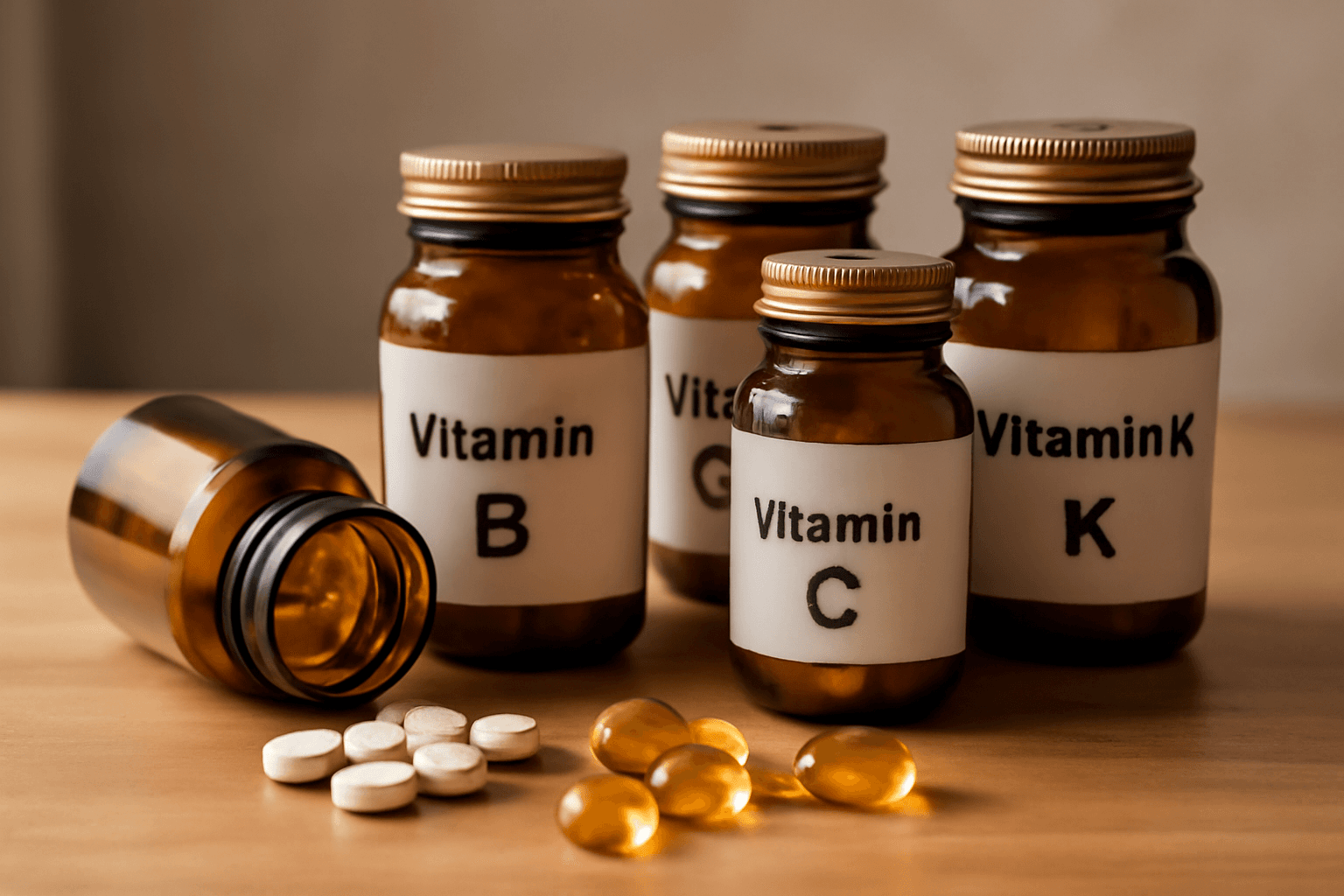
The 2022 health supplement market underwent rapid transformation as interest in immune system strengthening continued following the COVID-19 pandemic. The variety of supplements consumers seek is expanding to meet diverse health goals, from energy enhancement to stress relief and weight loss. In particular, key nutrients like zinc, magnesium, and vitamin D, along with probiotics and natural beauty products, have garnered significant attention. This post introduces the major trends in the 2022 supplement market, the effects of each category, and how to make informed choices.
1. Energy Enhancement
Modern fatigue often cannot be resolved through simple rest alone. Nutritional imbalances caused by irregular living patterns and stress are primary causes of energy depletion, and demand for energy-boosting supplements surged significantly in 2022 to address this issue.
Vitamin B complex is key to energy production. Vitamins B1, B2, B3, B5, B6, and B12 are directly involved in the metabolism of carbohydrates, proteins, and fats. Vitamin B12 in particular is essential for red blood cell formation and nervous system health, and deficiency can lead to severe fatigue and cognitive decline. While the average adult's daily B12 requirement is 2.4mcg, vegetarians and elderly individuals should consider supplementation.
Magnesium is involved in over 300 enzyme reactions and is essential for ATP (energy molecule) production. The average magnesium intake of Korean adults is known to be lower than the recommended amount (370mg for men, 280mg for women). Magnesium deficiency can lead to chronic fatigue, muscle cramps, and insomnia, which is why athletes and those engaged in high-intensity work are considering supplementation.
Practical tip: For energy enhancement, taking B complex and magnesium together is effective. However, excessive magnesium can cause diarrhea, so it's generally recommended not to exceed 400mg daily. Those with heart or kidney disease should consult a specialist before taking supplements.
2. Weight Loss
Weight loss is directly linked not only to physical improvement but also to prevention of chronic diseases such as cardiovascular disease, diabetes, and osteoarthritis, making it one of the fastest-growing segments in the 2022 supplement market. However, it's important to remember that weight loss supplements are only effective when combined with a balanced diet and regular exercise.
Omega-3 fatty acids have a positive impact on weight loss and metabolic health. According to research published in the International Journal of Obesity in 2019, the group taking omega-3 lost an average of 1.9kg more than the placebo group. Omega-3 reduces inflammation, increases satiety, and improves insulin sensitivity. The recommended daily intake of EPA and DHA combined is 1,000-2,000mg.
Vitamin D indirectly helps with weight management. Vitamin D deficiency is associated with leptin resistance (reduced satiety signals), and adequate vitamin D levels (serum concentration of 30ng/mL or higher) are linked to better weight loss results. Supplementation is particularly effective during winter months with limited sunlight or for those working indoors.
Practical tip: For weight loss, supplements alone are insufficient. At least 150 minutes of moderate aerobic exercise per week combined with adequate protein intake (1.2-1.6g per kilogram of body weight) is essential. If you have blood sugar control issues or are taking medications, consult a doctor.
3. Stress Relief
As more people reported anxiety, depression, and sleep disorders following the pandemic, stress relief supplements became the most prominent segment in the mental health category. Nutrients supporting nervous system health have received considerable attention.
Magnesium is a key mineral that regulates nervous system excitability. It regulates cortisol, a stress hormone, and enhances the effects of GABA (neural calming neurotransmitter). Magnesium deficiency manifests as increased anxiety, reduced sleep quality, and muscle tension. Magnesium glycinate in particular is more effective for sleep improvement as it simultaneously provides glycine, an amino acid that promotes sleep.
Zinc plays an important role in brain function and emotional regulation. Zinc deficiency is associated with depressive symptoms, and adequate zinc levels normalize stress responses. The daily recommended amount for adult men is 11mg and for women 8mg. Excessive zinc intake should be avoided as it can interfere with copper absorption.
Vitamin B6 is essential for neurotransmitter synthesis. It's involved in the production of serotonin, dopamine, and GABA, and its consumption increases during stress. The recommended daily intake is 1.3-1.7mg for adult men and 1.3-1.5mg for women.
Practical tip: For stress relief, taking magnesium and B6 together creates a synergistic effect. If your goal is improved sleep, take them after 7 pm. If depression or anxiety symptoms are severe, supplements alone are insufficient, and you must receive diagnosis and treatment from a psychiatrist.
4. Immune System Strengthening
As the COVID-19 pandemic became prolonged, immune system strengthening became the biggest keyword in the 2022 supplement market. Beyond just preventing infectious diseases, there is intense focus on nutrients that support the immune system for overall health maintenance.
Vitamin C is the most symbolic nutrient for immunity. It enhances white blood cell function and through antioxidant action, reduces cellular damage during viral infections. While the daily recommended amount for average adults is 90mg for men and 75mg for women, many people take 1,000-2,000mg daily for cold prevention. However, excessive intake (over 2,000mg daily) can increase the risk of kidney stones.
Vitamin D is called the 'immune hormone' and regulates both innate and adaptive immune responses. A deficiency state with serum vitamin D levels of 20ng/mL or below is known to increase infectious disease risk by 1.5 times or more. While the recommended daily intake for adults is 600-800IU, 1,000-2,000IU is recommended during winter or in environments with limited sunlight.
Zinc is essential for the development and activation of T cells and B cells. Zinc deficiency weakens immune response and increases infection risk. According to research, taking zinc lozenges (15-30mg) at the onset of a cold can shorten symptom duration by an average of 24 hours.
Vitamin A serves as the first line of mucosal immune defense. It maintains the integrity of respiratory and digestive epithelial cells, preventing pathogen invasion. The daily recommended amount is 900mcg for adult men and 700mcg for women.
Practical tip: For optimal immune health, taking vitamins C and D together with zinc is effective. Vitamin D becomes particularly important during winter. If taking high-dose vitamin C long-term or if you have kidney disease, consult a specialist before use. While supplements help prevent illness, if already infected, prioritize appropriate treatment at a medical facility.
5. Probiotics
As awareness spread that gut health is central to overall health, probiotics became one of the fastest-growing supplement categories in 2022. Growing scientific evidence that 'gut health = immunity, mental health, and metabolic health' has sparked consumer interest.
Role of probiotics: Probiotics are living microorganisms that restore balance to gut microbiota. Healthy gut microbiota leads to increased digestive efficiency, improved nutrient absorption, and reduced intestinal permeability (leaky gut). Additionally, since gut microbiota produces 95% of serotonin, it is closely linked to mental health.
Key strains: Lactobacillus and Bifidobacterium are the most widely researched strains. Lactobacillus lowers intestinal acidity through lactic acid production, inhibiting harmful bacteria, while Bifidobacterium maintains intestinal epithelial cell health through short-chain fatty acid production. Effective probiotic products should contain at least 10 billion CFU (colony-forming units).
Combination with prebiotics: The 2022 trend is the combination of probiotics and prebiotics (synbiotics). Prebiotics (inulin, oligosaccharides, etc.) serve as food for probiotics, promoting their establishment and reproduction.
Practical tip: Many probiotic products require refrigeration, and taking them after meals rather than on an empty stomach can reduce damage from stomach acid. If taking antibiotics, wait at least 2-3 hours after antibiotic administration before taking probiotics. If experiencing digestive problems or abdominal bloating, start with low doses and gradually increase. For IBS (irritable bowel syndrome) or severe digestive issues, consult a doctor to select the appropriate strain.
6. Natural Beauty Products
One notable point in the 2022 supplement market is the increased interest in 'beauty from within.' Beauty supplements containing ingredients like collagen, biotin, and lutein have been established as an independent category.
Vitamin C and collagen: The foundation of skin health is collagen, which requires vitamin C for synthesis. Vitamin C is a key factor that stabilizes collagen molecules by hydroxylating proline and lysine. Oral collagen supplements (hydrolyzed collagen) are broken down into small molecules, absorbed in the intestines, and preferentially accumulate in skin and bones. According to research, women who took 10g of collagen peptides daily for 8 weeks experienced an average 9% increase in skin hydration.
Vitamin K and calcium: There is a strengthening trend of considering not just skin elasticity but also bone health together. Vitamin K2 activates osteocalcin, allowing calcium to settle in bones, while simultaneously supporting vascular health. Calcium is fundamental to maintaining bone density and is essential for preventing osteoporosis in postmenopausal women. The recommended daily calcium intake for adults is 1,000-1,200mg.
Biotin and hair/nail health: Biotin (vitamin B7) supports keratin protein synthesis, increasing hair and nail strength. While the daily recommended amount is 30mcg, 2.5mg doses taken over 3-6 months are common for improving hair loss or weak nails. According to clinical research, this dosage of biotin increased nail strength by 25%.
Lutein and zeaxanthin: As eye health is increasingly recognized as an important part of beauty, products containing lutein and zeaxanthin have gained popularity. These carotenoids are effective for macular degeneration prevention and eye fatigue improvement.
Practical tip: Beauty supplements should not be expected to show immediate results, and require at least 8-12 weeks of consistent use. To maximize collagen absorption, take it with vitamin C and maintain adequate water intake (2-3L daily). These supplements achieve their best results when combined with external care such as sun protection, adequate sleep, and consumption of antioxidant foods.
Conclusion and Summary
The 2022 supplement market has evolved beyond simply 'filling nutritional gaps' to 'holistic health management.' Energy enhancement, weight loss, stress relief, and immune strengthening are not independent of each other but are closely interconnected.
Key points summary:
- Essential 5: Vitamin D, magnesium, vitamin C, zinc, and omega-3 are fundamental nutrients supporting most health goals. Their deficiency leads to energy depletion, weakened immunity, and emotional instability.
- Personalized approach: Even the same supplement has vastly different effects depending on an individual's degree of deficiency, living environment, and health status. Getting a blood test to understand your current nutritional status before choosing supplements is most efficient.
- Quality focus: Choose products with third-party verification (NSF, USP certification) over cheaper alternatives. Products with clearly displayed ingredient amounts, additives, and storage methods are more reliable.
- Importance of balance: Supplements are ultimately supplementary to diet. A balanced diet including vegetables, fruits, whole grains, and fish of various colors should be the priority.
- Drug interactions: Especially if taking blood thinners, diabetes medications, or thyroid medication, consult a doctor or pharmacist. Some supplements can decrease medication effectiveness or increase side effects.
Medical disclaimer: The information presented in this post is for general educational purposes and cannot substitute for medical diagnosis or treatment. Especially for those with chronic diseases, pregnancy/breastfeeding, minors, or those taking medications, consult a doctor or certified nutritionist before choosing supplements. If abnormal symptoms or side effects occur, visit a medical facility immediately.
The 2022 supplement market trends can be summarized as 'science-based choices' and 'personalized health management.' If you choose supplements based on correct information that suit your health condition, supplements can certainly become a powerful tool for improving quality of life.