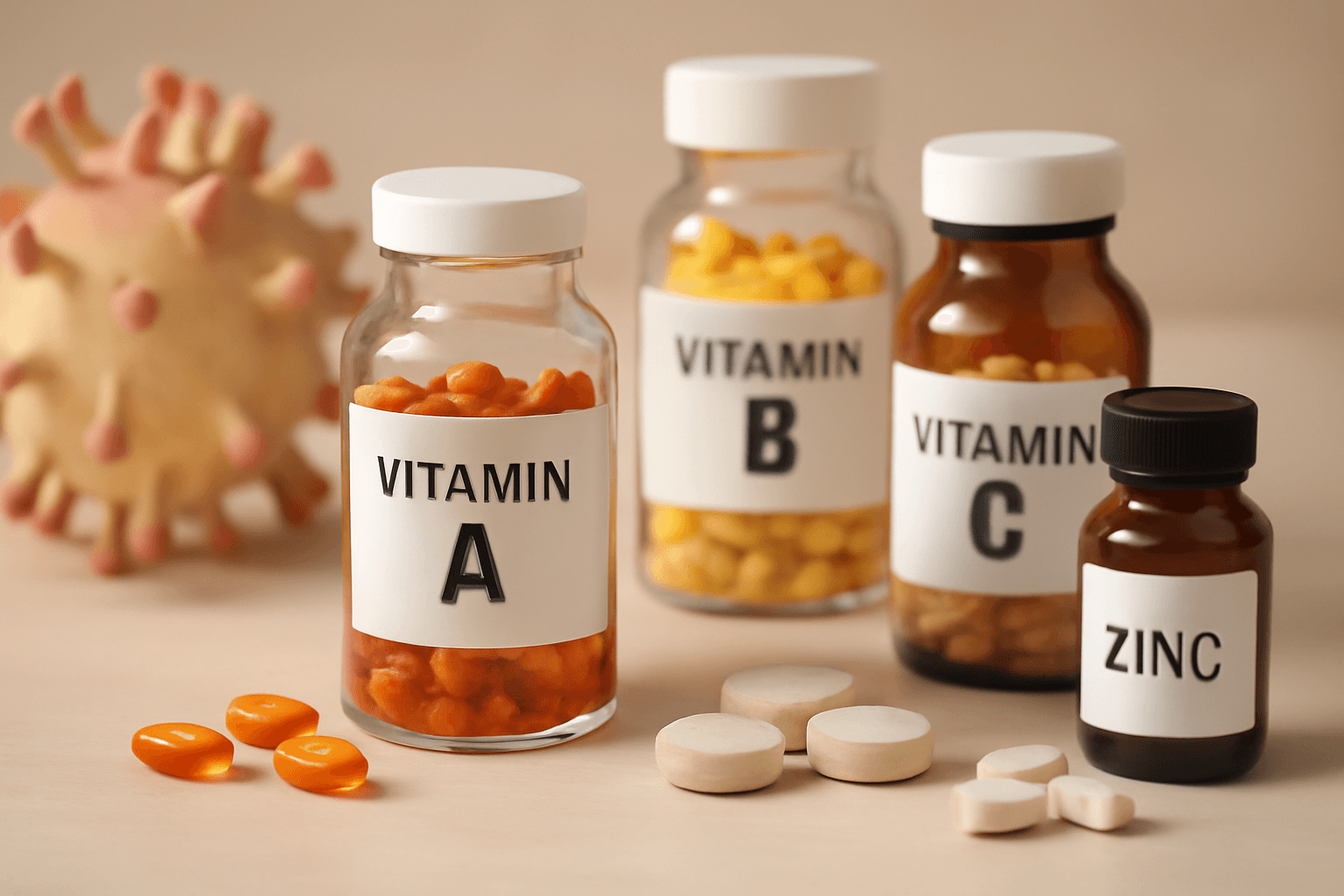
Our body's immune system is a complex defense mechanism that protects us from viruses, bacteria, and other pathogens. A strong immune system is the foundation of healthy living and can be significantly enhanced through proper nutrient intake. This article introduces 8 key supplements to optimize immune function and explains in detail how each supplement works and what dosages should be taken.
A Simple Guide to the Immune System
The immune system consists of two major defense mechanisms: innate immunity and adaptive immunity. Innate immunity includes physical and chemical barriers such as skin, mucous membranes, and stomach acid, while adaptive immunity involves specialized white blood cells like T cells and B cells that recognize and eliminate specific pathogens. Since approximately 70% of immune cells are concentrated in our gut, intestinal health is key to overall immune function.
For the immune system to function properly, it requires adequate protein, vitamins, and minerals. Protein is the basic building block of antibodies and immune cells, while various vitamins and minerals regulate the production, activation, and function of immune cells. While the ideal approach is to supply these nutrients daily through a healthy diet, in today's busy lifestyle, supplements can be a useful auxiliary tool.
How to Boost Immunity
Strengthening immunity is insufficient with just taking supplements; comprehensive lifestyle improvements are necessary. Adequate sleep is the most important factor. Adults need 7-9 hours of quality sleep daily, during which immune cells are activated and immune substances are produced. According to research from the National Institutes of Health, sleeping 6 hours or less increases infection risk by more than threefold.
Regular exercise is also important. 150 minutes of moderate-intensity aerobic exercise per week increases the circulation of immune cells and reduces inflammation. However, excessive exercise can lead to immune suppression, so caution is needed. Stress management is also essential. Chronic stress elevates cortisol levels, which suppresses immune response, so relaxation techniques such as meditation, yoga, and deep breathing exercises should be practiced daily.
Good eating habits are the foundation of everything. Avoid processed foods and maintain a balanced diet that includes vegetables of various colors, whole grains, and lean proteins. In particular, high-fiber foods promote the growth of healthy bacteria in the gut and strengthen intestinal immune function.
Nutrient Deficiencies and Impaired Immune Function
Deficiencies in specific nutrients directly damage immune function. Zinc deficiency is one of the most common deficiencies, with over 2 billion people worldwide suffering from zinc deficiency. When zinc is lacking, the development and activation of T cells and B cells are delayed, making people more susceptible to infection.
Vitamin D deficiency is also a serious issue. Vitamin D is not merely related to bone health; it plays a decisive role in regulating immune cells. According to research, when vitamin D levels fall below 30ng/mL, the risk of respiratory infection increases by 40%. This is especially important to note for people living in winter conditions or areas with limited sun exposure.
Vitamin C deficiency reduces collagen synthesis, weakening the mucous membrane defense barrier and decreasing immune cell function. B-complex vitamin deficiency causes a shortage of energy production, preventing immune cells from functioning properly. Particularly, insufficient B6, B12, and folate greatly reduces the ability to produce antibodies.
Protein deficiency is very dangerous. Since all antibodies are proteins, without adequate protein, the body cannot produce antibodies to fight infection. Adults need 0.8-1.2g of protein per kilogram of body weight, and those at risk of infection or who exercise heavily require even more.
8 Recommended Supplements to Support Immunity
1. Vitamin C (Ascorbic Acid)
Vitamin C is a powerful antioxidant that prevents cellular damage and enhances immune cell function. It promotes the production of white blood cells and enhances their ability to eliminate infected cells. The daily recommended amount is 90mg for adult men and 75mg for women, and can be increased to 1,000-2,000mg in case of infection risk. However, exceeding 2,000mg daily increases the risk of kidney stones, so caution is needed.
2. Vitamin D3 (Cholecalciferol)
Vitamin D is actually a hormone that binds to receptors on immune cell surfaces to regulate immune response. According to research, people with adequate vitamin D have a 42% lower rate of developing the flu. The daily recommended amount is 600-800IU, but if blood 25(OH)D levels are below 30ng/mL, up to 2,000-4,000IU can be taken under medical supervision. Vitamin D3 is best absorbed when taken with fat, so it should be taken with meals.
3. Zinc (Gluconate or Picolinate)
Zinc is essential for the production and activation of T cells and B cells. When zinc is deficient, the ability to produce antibodies to fight infection is significantly reduced. The daily recommended amount for adults is 11mg for men and 8mg for women. If zinc is taken within 24 hours of cold symptoms appearing, recovery time can be shortened by 24-48 hours. However, zinc overdose interferes with copper absorption, so daily intake should not exceed 40mg.
4. Vitamin A (Retinoid)
Vitamin A is essential for maintaining mucous membrane health, which is the first line of defense against infection. It also regulates the differentiation and function of immune cells. The daily recommended amount for adults is 900mcg for men and 700mcg for women. Beta-carotene form supplements carry less risk of overdose. Pregnant women should consult a doctor, as excess vitamin A can increase the risk of birth defects.
5. Selenium
Selenium is a component of the antioxidant enzyme glutathione peroxidase, which reduces inflammation and enhances immune cell function. The daily recommended amount is 55mcg, and up to 200mcg can be taken for antioxidant effects. Selenium works together with vitamin E, so taking both nutrients together is more effective.
6. Probiotics
Probiotics supply healthy gut bacteria to strengthen intestinal immune function. When the gut microbiota is healthy, harmful pathogens cannot establish themselves, and the production of immune substances increases. Lactobacillus and Bifidobacterium strains are particularly effective for immune enhancement. Taking 1-10 billion CFU (colony-forming units) of probiotics daily can reduce the incidence of respiratory infections by 47%.
7. B-Complex Vitamins
B vitamins are essential for energy production and provide the energy immune cells need to function properly. In particular, vitamins B6, B12, and folate are directly involved in antibody production. The daily recommended amounts are 1.3mg for vitamin B6, 2.4mcg for B12, and 400mcg for folate. Since B vitamins are water-soluble, there is minimal risk of overdose, and excess amounts are excreted in urine.
8. Iron
Iron is essential for the production and activation of immune cells. When iron is deficient, immune function decreases and infection risk increases. The daily recommended amount for adults is 8mg for men and 18mg for women (8mg after menopause). Iron can cause gastrointestinal irritation, so it should be taken with food, and absorption improves when taken with vitamin C. However, excess iron increases oxidative stress, so caution is needed.
Practical Advice for Taking Supplements
There are ways to optimize supplement absorption. Fat-soluble vitamins such as vitamins A, D, E, and K should be taken with a meal containing fat for better absorption. On the other hand, iron and zinc should be taken separately or with a few hours between doses to avoid interactions. Supplements are best taken in the morning, but if side effects occur, they can be moved to the evening.
Be cautious of drug interactions. If you are taking blood thinners, avoid supplements containing vitamin K, and if you are taking osteoporosis medications, separate the timing of calcium and iron intake. Therefore, if you are currently taking any medications, be sure to consult a healthcare professional before starting supplements.
Quality verification is important. Choose products from reputable manufacturers and prioritize products verified by USP (United States Pharmacopeia), NSF, or ConsumerLab.com. Check the expiration date on the product label, and store in a cool, dry place.
Summary: Key Points for Boosting Immunity
Boosting immunity requires a comprehensive approach. Supplements cannot completely replace a healthy diet, adequate sleep, regular exercise, and stress management. Instead, they serve a complementary role on top of these lifestyle foundations.
To summarize the 8 key supplements:
- Vitamin C: Antioxidant action and white blood cell enhancement, daily 90-75mg
- Vitamin D3: Immune cell regulation, daily 600-4,000IU (depending on blood levels)
- Zinc: T cell and B cell activation, daily 8-11mg
- Vitamin A: Mucous membrane health maintenance, daily 700-900mcg
- Selenium: Antioxidant enzyme function, daily 55-200mcg
- Probiotics: Intestinal immune enhancement, daily 1-10 billion CFU
- B-Complex Vitamins: Energy and antibody production, see recommended amounts
- Iron: Immune cell production, daily 8-18mg
Important Medical Notice: The information in this article is provided for educational purposes only and does not replace medical professional care. Especially if you are pregnant, have underlying medical conditions, or are taking medications, be sure to consult with a doctor or nutritionist before starting any new supplements. The appropriate dosage and type may vary depending on individual health status and needs.
Finally, remember: Immunity doesn't increase overnight. Immune function improves gradually over at least 8 weeks of consistent effort and supplement intake. Balanced intake of multiple nutrients is more effective than individual supplements, and consistency is key to success. Start making small changes now and aim for long-term health improvement.