Oral hygiene means far more than maintaining white teeth and fresh breath. Recent medical research shows that bacteria in the mouth affect digestion, immunity, and heart health. Neglecting oral health leads to periodontal disease, which triggers systemic inflammation and increases the risk of various illnesses. This article will teach you how to create a healthy mouth through 8 practical oral hygiene methods you can implement in your daily life.
How is Dental Health Related to Overall Body Health?
Your mouth hosts over 700 species of bacteria. While most are harmless, improper brushing allows harmful bacteria to proliferate. Oral bacteria not only cause periodontal disease but also spread throughout the body via blood vessels, triggering systemic inflammation.
The connection to heart health is particularly noteworthy. Research shows that people with periodontal disease have 2-3 times higher risk of heart disease compared to healthy individuals. Toxins secreted by oral bacteria cause inflammation in blood vessel walls, promoting atherosclerosis.
Digestive function is also affected. Weak or misaligned teeth prevent proper chewing, burdening the digestive system. Additionally, imbalanced oral probiotics affect the entire gut microbiota ecosystem, leading to weakened immunity.
Oral bacterial imbalance is associated with skin conditions like acne. Oral inflammation affects hormone secretion, increasing sebum production and potentially triggering acne. Poor calcium absorption also deteriorates bone and joint health.
1. Clean Your Entire Mouth Frequently
Many people believe they brush twice daily, but fewer than 20% actually brush properly. Complete oral cleaning beyond tooth surfaces—including gums, tongue, and inner cheeks—is essential.
Brushing frequency should follow this schedule:
- After breakfast: 2-3 minutes
- After lunch: 1-2 minutes (light cleaning)
- After dinner: 3-5 minutes (most important)
- Before bed: additional cleaning (optional)
Evening brushing is particularly important because saliva production decreases at night. Since saliva acts as a natural antimicrobial agent, thorough evening brushing removes bacteria and prevents nighttime bacterial growth.
Electric vs. Manual Toothbrush: Research shows electric toothbrushes remove plaque 11% more effectively than manual brushes. However, manual brushes are sufficiently effective with proper technique. What matters most is consistency and accuracy in brushing.
Don't forget your tongue and inner cheeks. Food debris and dead cells accumulate on the tongue after meals, becoming a major cause of bad breath. Gently sweeping the entire tongue surface is an effective cleaning method.
2. Clean Your Mouth with Proper Technique
Brushing technique is the most critical factor determining oral health. Many people brush by scrubbing vigorously sideways, which damages gums and accelerates tooth wear.
The correct brushing method is as follows:
- Angle placement: Position your brush at a 45-degree angle where teeth meet gums
- Movement: Gently sweep in circular motions from gums toward teeth (not side-to-side)
- Pressure: Apply slight vibration without pressing hard
- Order: Outer surfaces → Inner surfaces → Chewing surfaces
- Duration: At least 10 seconds per section, minimum 2 minutes total
Flossing is also essential. Brushing alone cannot clean 30% of tooth surfaces between teeth. Using floss once daily, especially in the evening, can prevent interproximal cavities by over 90%. Here's the proper flossing technique:
- Wrap floss around your fingers and keep it taut
- Insert slowly between teeth
- Move vertically, not in a sawing motion
- Clean both sides of each tooth
Using a tongue scraper is also effective. Compared to brushing with a toothbrush, a tongue scraper more efficiently removes bacteria and food debris. It effectively removes bacterial buildup deep on the tongue, improving bad breath.
3. Leave Toothpaste Residue on Your Teeth
It's commonly believed that you should completely rinse away toothpaste after brushing. However, recent dental research suggests that leaving small amounts of toothpaste residue is actually more effective.
Modern toothpastes contain fluoride. Fluoride promotes tooth remineralization, potentially reversing early tooth decay. After brushing, rinse with just a small amount of water (a mouthful or two), allowing remaining fluoride to continue working.
How fluoride works:
- Strengthens tooth enamel to better resist acidic environments
- Inhibits bacterial acid production
- Promotes remineralization to repair damaged tooth structure
However, this method is recommended only for children 6 and older and adults. Young children may swallow toothpaste, so complete rinsing is necessary. Additionally, using adult toothpaste with fluoride concentration of 1,000ppm or higher is required for effectiveness.
Furthermore, toothpaste residue left after bedtime brushing works more effectively overnight. As saliva production decreases at night, fluoride slowly penetrates the enamel, achieving more effective remineralization.
4. Maintain Adequate Hydration
In oral health, water intake plays a crucial role. Drinking enough water increases saliva production, which enhances natural antimicrobial action. Components like lysozyme and lactoferrin in saliva act as natural antimicrobial agents.
Water's tooth-protective effects:
- Neutralizes mouth acidity after meals, preventing tooth erosion
- Eliminates the environment bacteria need to thrive
- Naturally removes food debris after eating
- Prevents dry mouth
The recommended daily water intake is 2-3 liters. Drinking water is particularly important in these situations:
- Immediately after meals: to neutralize acidity and remove food
- After snacking: especially after consuming sweets
- After exercise: water is safer for teeth than sports drinks
- Before bed: to inhibit nighttime bacterial growth
Pay attention to water type. Avoid carbonated water, sports drinks, and acidic beverages. Sports drinks have a pH around 3.5, making them highly acidic and damaging to tooth enamel. Broth, frequently consumed by Koreans, is high in sodium and can be irritating. Very hot water can also irritate gums, so lukewarm water is best.
Additionally, drinking hard water with sufficient calcium and magnesium is beneficial. These minerals strengthen tooth structure and support bone health. While purified water is sufficient, choosing mineral-enriched bottled water is also a good option.
5. Chew Sugar-Free Gum for Dental Health
Chewing sugar-free gum surprisingly benefits dental health. According to scientific research, chewing sugar-free gum for 20 minutes after meals can reduce cavity risk by 30-40%.
How gum protects teeth:
- Stimulates saliva: Chewing increases saliva production tenfold, enhancing acidity neutralization and antimicrobial action
- Self-cleaning: The chewing motion naturally removes food particles
- pH adjustment: Increased saliva rapidly restores normal mouth acidity
- Mineral supply: Calcium in some gums promotes tooth remineralization
The key is choosing sugar-free gum. Sugar-containing gum actually causes cavities. Select products using artificial sweeteners like regular gum, xylitol gum, or erythritol gum. Xylitol is particularly effective as it doesn't serve as an energy source for oral bacteria while providing antimicrobial benefits.
Gum usage guidelines:
- Chew for 20 minutes after meals (minimum 10 minutes)
- 3-5 times daily (excessive chewing causes jaw fatigue)
- Consult your doctor if you have post-surgical conditions or gum disease
- Replace gum with water if chewing isn't possible
However, people with weak enamel should avoid prolonged gum chewing. Those with temporomandibular joint disorder should also limit gum use. In these cases, consult your healthcare provider before deciding to use gum.
6. Nutritional Management (Additional Method)
To maintain oral health, diet management is also important. Calcium and vitamin D are fundamental to dental and bone health. Calcium is a key component of tooth structure, and vitamin D aids calcium absorption.
Foods that support dental health:
- Milk, yogurt, cheese: contain calcium and phosphorus
- Nuts: provide calcium, phosphorus, and magnesium
- Leafy greens: contain calcium and antioxidants
- Fish: contain vitamin D and omega-3 fatty acids
- Apples, carrots, cucumbers: easy to chew with natural cleaning effects
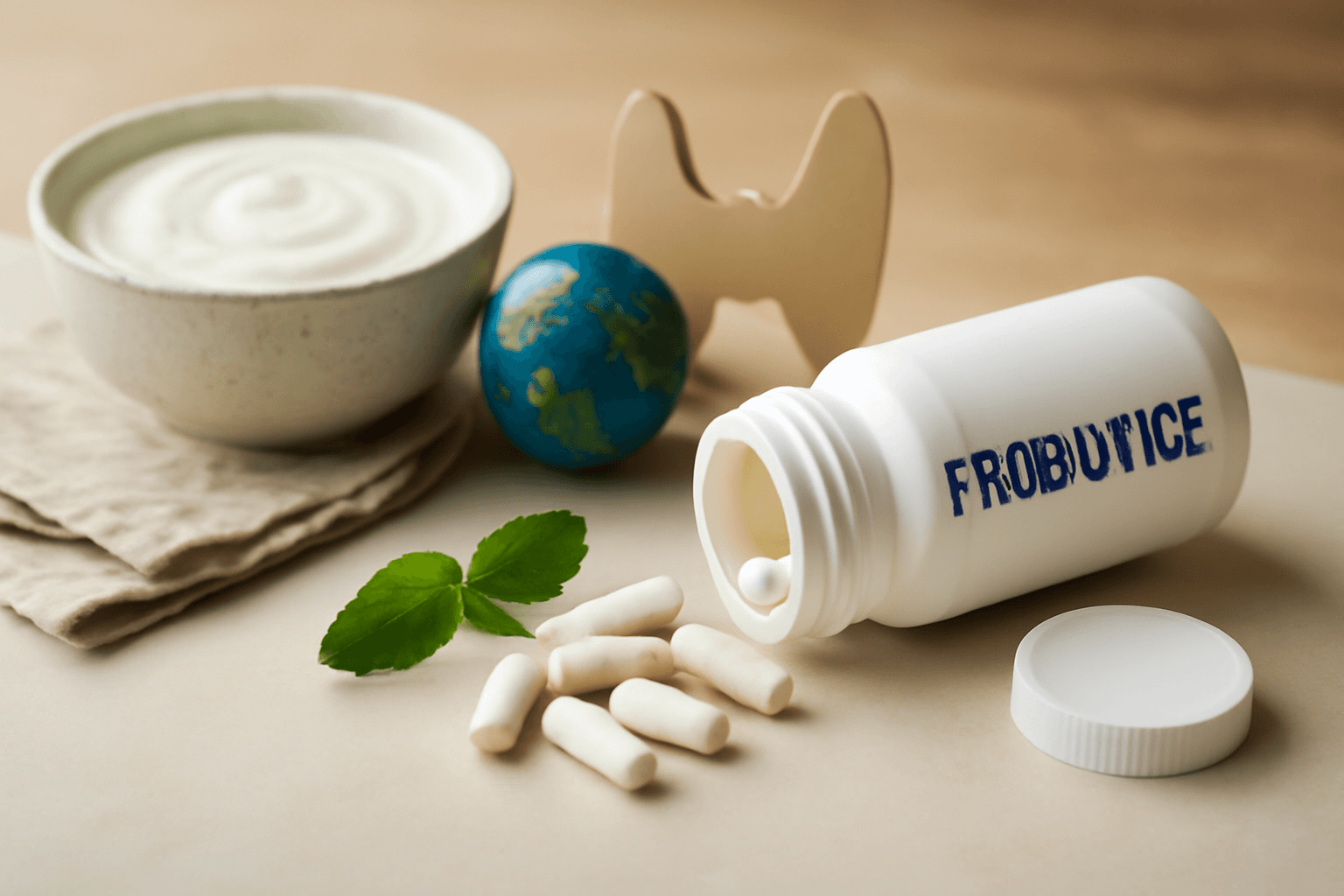
Probiotics are also important. Maintaining beneficial bacteria in the mouth naturally suppresses harmful bacterial growth. Consuming fermented foods (miso, kimchi, yogurt, etc.) or probiotic supplements helps.
Foods to avoid:
- Candy, chocolate, soft drinks: high sugar
- Acidic beverages (cola, sports drinks, fruit juices): erode tooth enamel
- Chewy foods: risk of tooth damage
- Rapid consumption of hot and cold foods: tooth damage
If you must eat candy, consume it all at once and immediately rinse with water to minimize damage. Eating in multiple sessions exposes your mouth to acidic conditions continuously, causing more harm. Remember this important point.
7. Regular Dental Checkups (Additional Method)
No matter how thoroughly you manage your teeth, regular professional dental checkups are essential. Visit your dentist at least every 6 months for scaling (ultrasonic cleaning) and early detection of cavities and gum disease.
Early periodontal disease is particularly difficult to detect due to lack of symptoms. Regular checkups with X-rays and periodontal pocket depth measurement enable early detection and prompt treatment. When gum disease progresses, its impact on overall health becomes severe, making prevention most important.
Summary
Oral health is a mirror of overall health. Heart health, digestive function, immunity, probiotic balance, joint health, calcium absorption, and skin health are all closely related to oral bacterial management.
Key takeaways of the 8 oral hygiene methods:
- Thoroughly clean your entire mouth 3+ times daily (especially evening)
- Brush at a 45-degree angle in circular motions, floss daily
- Rinse with just a small amount of water after brushing to maintain fluoride benefits
- Drink 2-3 liters of water daily to promote saliva production
- Chew sugar-free gum for 20 minutes after meals
- Consume adequate calcium, vitamin D, and probiotics
- Regular dental checkups and scaling every 6 months
- Consistently practice methods suited to you
Medical consultation: The information in this article is general health information. Individuals with oral conditions such as gum disease, periodontal disease, or sensitive teeth must consult a dental professional for diagnosis and personalized management plans. This is especially important for young children, pregnant women, and those with systemic conditions.
Oral health management takes just 5-10 minutes daily, creating 10-20 years of healthy teeth and body health. Starting today, practice these 8 methods to build a healthy mouth and healthy body.