The ketogenic diet is an eating plan that severely restrices carbohydrate intake and uses fat and protein as primary energy sources. This article covers the basic principles beginners need to know when starting a keto diet, essential supplements, optimal fat sources, and practical cooking tips. It specifically explains the advantages of the ketogenic diet in terms of blood sugar stabilization, energy maintenance, and digestive health, while providing science-based practical advice.
What Is the Ketogenic Diet?
The ketogenic diet is a low-carbohydrate eating plan that induces the body into a state of ketosis. Typically, 70-75% of daily calories come from fat, 20-25% from protein, and only 5-10% from carbohydrates. This means restricting carbohydrate intake to approximately 20-50g per day.
As the body adapts to carbohydrate deficiency, it breaks down fat to produce ketone bodies. Ketone bodies serve as an efficient energy source for the brain and muscles while maintaining stable blood sugar levels. According to research, the body enters ketosis 3-7 days after starting the ketogenic diet, during which insulin levels decrease significantly.
Key mechanisms of the ketogenic diet:
- Improved insulin resistance: Reduced blood sugar fluctuations and decreased energy crashes
- Enhanced fat oxidation: Efficient conversion of stored body fat into energy
- Increased satiety: High satiety from fat and protein naturally reduces food intake
- Reduced inflammation: Anti-inflammatory properties of ketone bodies alleviate chronic inflammation
Beginners should be aware that "keto flu" symptoms may appear during the first 2-3 weeks of transition. Fatigue, headaches, and reduced concentration can occur, and adequate hydration and electrolyte supplementation are essential to minimize these symptoms.
Supplements That Support the Ketogenic Diet
During the transition to a ketogenic diet, the body experiences loss of several nutrients. In particular, electrolytes like potassium, magnesium, and sodium deplete rapidly, making supplementation important for recovery and maintaining energy levels.
Essential electrolyte supplements: A daily intake of 400-500mg of magnesium and 1,000-2,000mg of potassium is recommended. Magnesium is essential for muscle cramp relief and improved sleep quality, while potassium is vital for heart health and maintaining neurological function. Sodium should not be excessively restricted either; consuming adequate amounts through salt-free broth or natural salt accelerates recovery.
The role of MCT oil: MCT (medium-chain triglyceride) oil is a special type of fat that promotes ketone body production. Unlike regular oils, it is absorbed quickly and directly converted into ketone bodies in the liver, making it effective when experiencing energy deficiency. Beginners should start with one tablespoon (15ml) daily and gradually increase to 2-3 tablespoons. Excessive consumption can cause digestive discomfort.
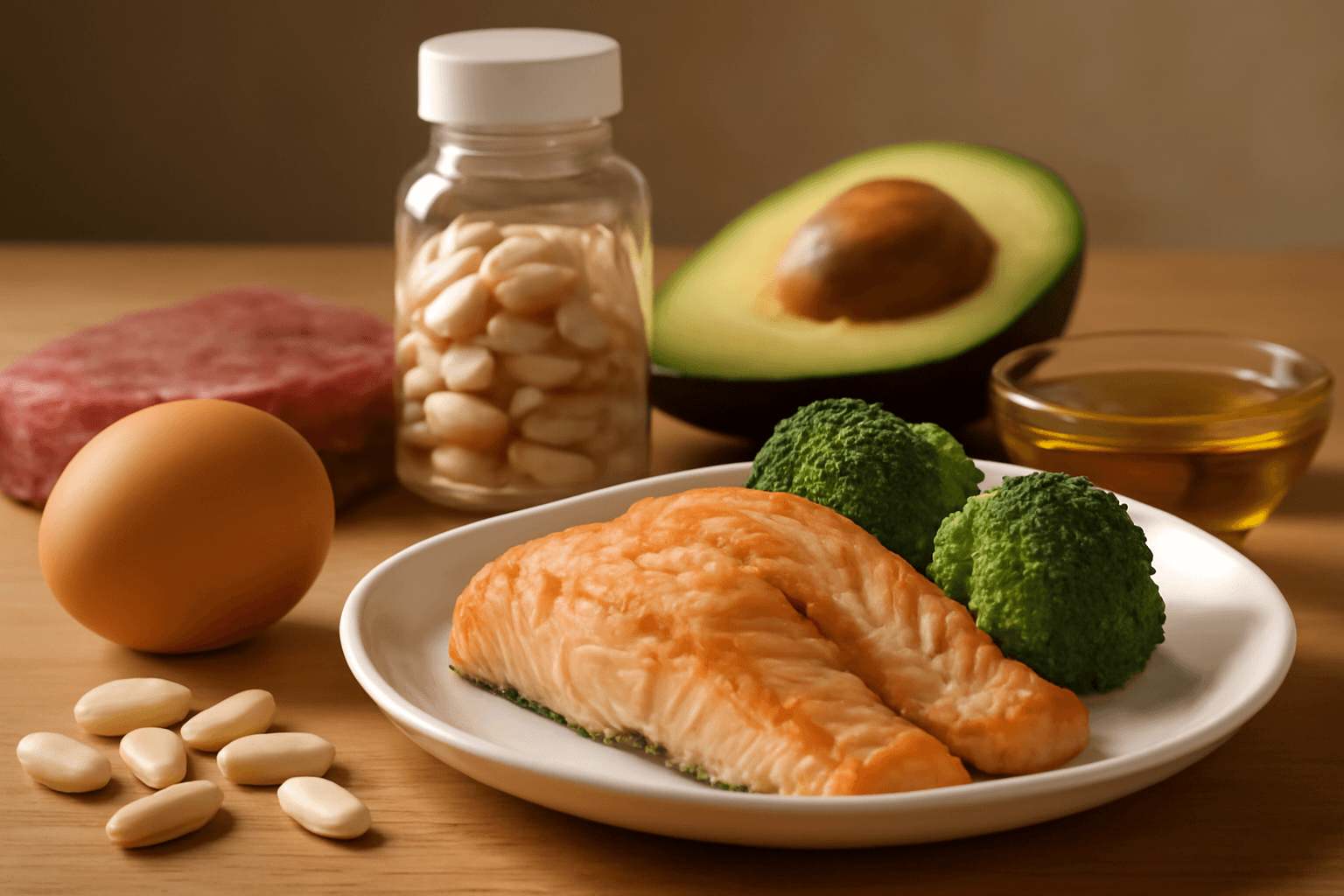
Omega-3 supplementation: If fish intake is insufficient on a ketogenic diet, omega-3 deficiency can occur. Omega-3 is essential for brain function, inflammation reduction, and cardiovascular health, so consuming fatty fish (salmon, mackerel, sardines) 2-3 times per week or taking 1,000-2,000mg of omega-3 supplements daily is recommended.
Other useful supplements:
- Beta-hydroxybutyrate (BHB) salts: Rapidly elevate ketone levels to prevent energy crashes
- Collagen peptides: Support joint health and increase satiety
- Digestive enzymes: Promote fat digestion and improve gut health
- Vitamin D: Enhance immunity and maintain bone density
Medical precaution: If you have diabetes, thyroid disease, or kidney disease, consult with a doctor or registered dietitian before choosing supplements. Potassium supplementation in particular can be dangerous for those with kidney disease.
The Best Fat Sources for the Ketogenic Diet
The success of the ketogenic diet depends on choosing high-quality fat sources. Simply consuming large amounts of fat is not effective; the quality and type of fat directly impact blood sugar, energy, and digestive health.
Top-priority fat sources: Coconut oil has a high MCT content (approximately 60%), making it the most efficient promoter of ketone body production. It has stability that prevents oxidation even at temperatures above 200°C during cooking. Adding 1-2 tablespoons daily to coffee or meals prevents energy crashes and maintains satiety.
Animal-based fats: Butter from grass-fed cattle and fatty fish (salmon, sardines, mackerel) contain high levels of omega-3, which reduces inflammation. Research shows that animal-based saturated fat can improve blood cholesterol profiles, with LDL particles converting to larger, denser forms that lower cardiovascular risk. Egg yolks are rich in choline, supporting brain function and liver health.
Nuts and seeds: Macadamia nuts have the most favorable carbohydrate-to-fat ratio (approximately 3:19) among keto-friendly nuts. Almonds are rich in vitamin E and magnesium, while flaxseeds are a good plant-based source of omega-3 alpha-linolenic acid. However, cashews and pistachios have relatively high carbohydrate content and should be avoided.
Olive oil and avocado oil: Rich in monounsaturated fats, they improve cardiovascular health. However, use them for salad dressings or post-cooking additions rather than cooking, as they oxidize easily at high temperatures.
Fats to avoid: Partially hydrogenated oils (trans fats) and vegetable oils (canola, sunflower, grapeseed) cause serious inflammation. These have very high omega-6 content, worsening the body's omega-3 to omega-6 ratio. The optimal ratio is 1:4 or lower, but these oils create unfavorable ratios of 1:20 or higher.
Practical advice: When planning daily fat intake, balance consumption by getting half from saturated fats like animal fat and coconut oil, and half from unsaturated fats in olive oil, nuts, and fish for optimal energy and digestive health.
Keto Baking Substitutes
One of the most challenging aspects for beginners on a ketogenic diet is giving up the baked goods and desserts they normally enjoy. Fortunately, modern keto baking ingredients make it possible to satisfy both taste and nutrition.
Flour substitutes: Almond flour contains six times more protein than traditional wheat flour and one-eighth the carbohydrates. 100g of almond flour contains only about 12g of carbohydrates and is rich in vitamin E and magnesium. Coconut flour has very high dietary fiber, supporting digestive health, but has high absorption capacity and should be used at only 25% of the amount in traditional recipes. Psyllium husk is gluten-free and effective for controlling absorption.
Choosing sugar substitutes: Erythritol is not digested and does not affect blood sugar, with virtually no calories. However, it may cause digestive discomfort in some people, so start with small amounts. Stevia has almost no blood sugar response and zero calories, but has a bitter aftertaste and works best mixed with other sweeteners. Allulose provides the most similar taste and texture to sugar but is relatively expensive. Xylitol benefits dental health but is toxic to dogs, so avoid it in households with pets.
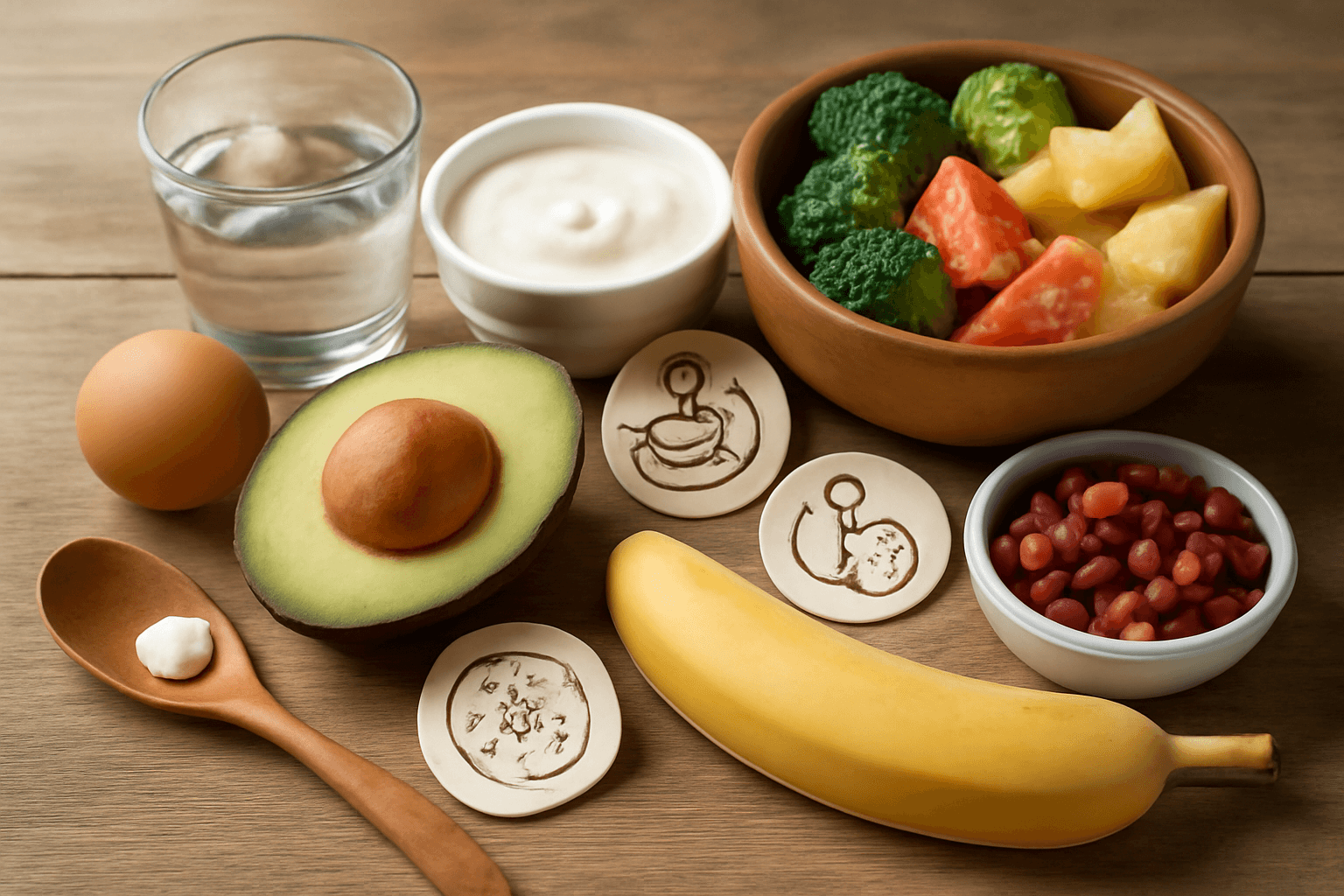
Fat-containing ingredients: Butter and cream cheese are baking basics and create moist texture through high fat content. Coconut oil is effective when you want a crispy texture, while avocado oil works well for a soft texture. Plain Greek yogurt retains moisture while adding protein.
Practical baking tips:
- Keto baking tends to be moister than traditional baking, so reduce baking time by 5-10 minutes
- When using almond flour, add extra eggs to strengthen binding
- Mixing multiple sweeteners (70% erythritol + 30% stevia) compensates for individual sweetener drawbacks
- When using coconut flour, add 10-20% more liquid (butter, milk, eggs)
- Store in the freezer after completion to maintain freshness for 5-7 days
Nutritional information: A serving (approximately 50g) of keto-friendly baked goods typically contains 2-5g of carbohydrates, 3-6g of protein, and 8-12g of fat, which does not significantly impact daily carbohydrate limits (20-50g).
Summary
The ketogenic diet is not simply a diet but a way of eating that fundamentally transforms the body's energy metabolism. The key points for successful implementation of the ketogenic diet are as follows:
- Understanding the basics: Carbohydrate restriction induces ketone body production, stabilizes blood sugar, and prevents energy crashes
- Importance of electrolyte supplementation: Deficiencies in magnesium, potassium, and sodium delay recovery and worsen transition symptoms
- Choosing high-quality fats: Balanced consumption of coconut oil, animal-based fats, and olive oil provides optimal energy and digestive health
- The role of omega-3 and MCT: Reducing inflammation and promoting ketone body production accelerates body adaptation
- Sustainable diet maintenance: Using keto baking substitutes allows you to achieve both satiety and psychological satisfaction
Important medical disclosure: The ketogenic diet requires prior consultation with a doctor or registered dietitian if you have diabetes, thyroid disease, kidney disease, liver disease, or are currently taking medications. In particular, if transition symptoms are severe during the first 3 weeks, proceed slowly under professional guidance. The optimal macronutrient ratios and supplement combinations vary depending on individual health status and goals.
Through the ketogenic diet, you can experience stable energy levels, improved focus, and faster recovery from fatigue. Once you overcome initial challenges and your body fully adapts, most practitioners embrace keto as a sustainable eating approach. Based on the information in this guide, we encourage you to begin your keto journey with a systematic and science-based approach.