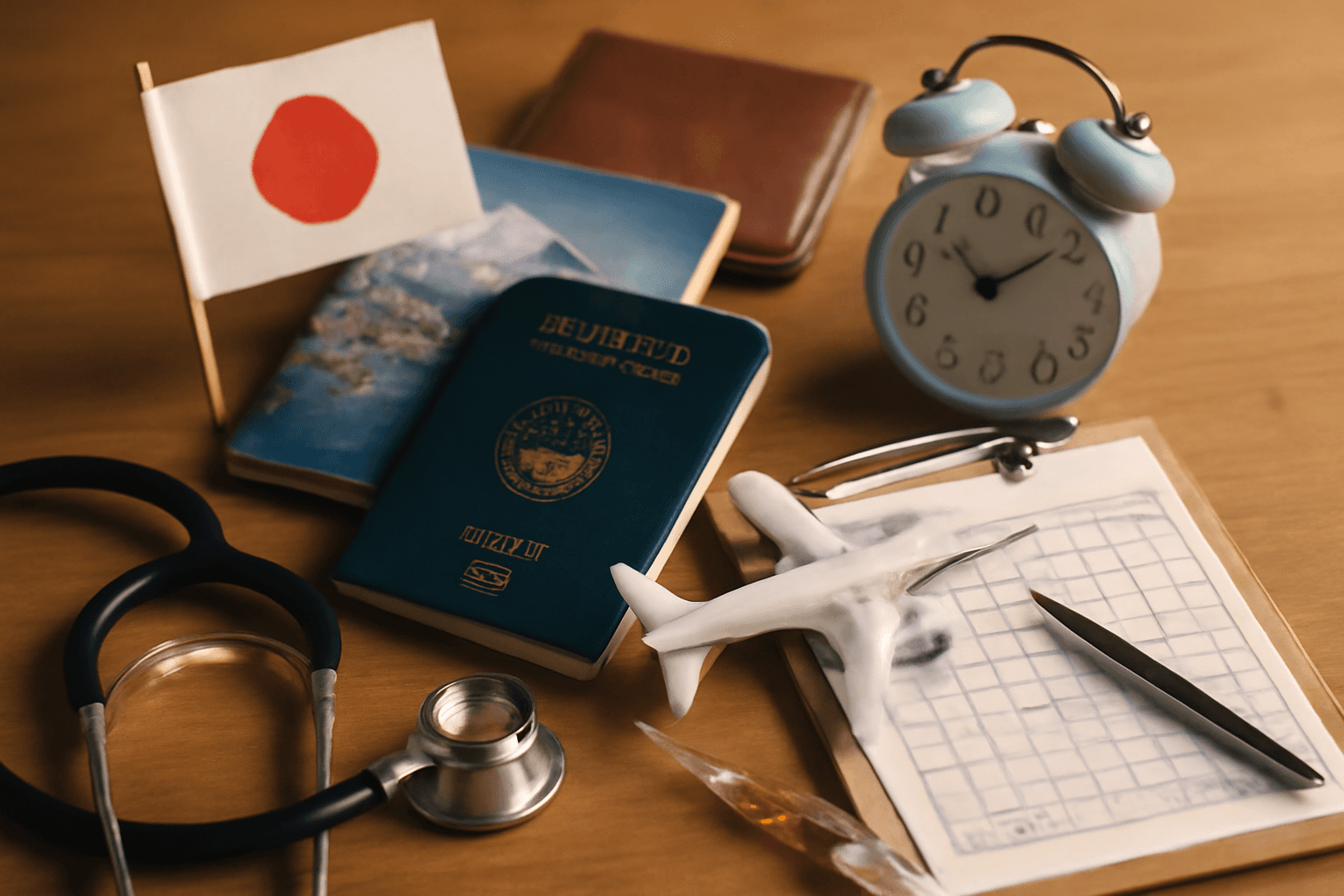
Preparing for Your 2026 Japan Trip: A Complete Guide to Healthy Travel
2026 is shaping up to be a year when many Koreans are planning trips to Japan. In particular, travelers are expected to increase, especially those targeting Japan's cherry blossom season and summer festivals. However, to ensure an enjoyable trip, proper health management is essential. In this article, I'll provide you with a professional guide to all the health-related preparations you must make before your Japan trip.
Essential Vaccinations and Health Checkups Before Your Japan Trip
Japan has a well-developed medical system, but it's important to prepare in advance. According to 2025 statistics from the Korea Disease Control and Prevention Agency, approximately 23% of overseas travelers reported experiencing health issues during their trips.
Recommended Vaccinations
- Hepatitis A: Infection cases have been reported in Japan, and special care is needed regarding food and water consumption. Antibodies form two weeks after vaccination.
- Hepatitis B: Recommended if there's a risk of medical service use or blood exposure.
- Japanese Encephalitis: Particularly high-risk when visiting during summer (June-October). According to the WHO, the Japanese encephalitis vaccine shows 85-95% effectiveness.
- Typhoid: Recommended for extended stays, with immunity forming approximately 1-2 weeks after vaccination.
- COVID-19 and Influenza: Especially essential for winter travel.
It's advisable to consult with an infectious disease specialist at least 4 weeks before your planned travel date to establish a vaccination schedule tailored to your personal health status.
Pre-Departure Health Checkup Checklist
- Blood pressure, blood sugar, and cholesterol tests (mandatory for those 50 and over)
- Electrocardiogram (mandatory if you have a history of heart disease)
- Review of current medications and preparation of sufficient quantities
- Vision and hearing tests (especially important if you have cataracts or hearing loss)
- Urinalysis and stool test
Jet Lag Adjustment and Sleep Management During Your Japan Trip
The time difference between Korea and Japan is just one hour, but the flight time (approximately 2-3 hours) and travel fatigue are considerable. According to a 2024 sleep medicine study, approximately 41% of overseas travelers experience jet lag disorder.
Effective Jet Lag Adjustment Strategies
"Research shows that gradually adjusting your sleep time starting 3 days before departure improves jet lag adaptation by 50% or more."
- Pre-Departure Adjustment: Since Japan is one hour ahead, gradually move your bedtime 30 minutes earlier starting 3-4 days before your trip.
- In-Flight Management: Limit caffeine and alcohol consumption during the flight and try to sleep as much as possible.
- Post-Arrival Strategy: Sun exposure immediately after arrival is important. Outdoor activities of at least 30 minutes between 2-4 PM are recommended.
- Melatonin Supplementation: If you're struggling with jet lag, consider taking 0.5-3mg of melatonin around 9 PM after arrival (consultation with a doctor is essential).
- Sleep Environment: Use hotel room curtains to create a dark environment and maintain room temperature at 16-19°C.
Food Safety and Digestive Health During Your Japan Trip
While Japan's food safety standards are among the world's highest, digestive issues resulting from unfamiliar foods and overeating are common complaints among travelers. According to data from the American Travel Medicine Association, approximately 30-40% of overseas travelers experience diarrhea or digestive discomfort.
Food Safety and Digestive Management Tips
- Water Intake: While Japan's tap water is safe, drinking water or boiled water is recommended during the adjustment period. Consume a minimum of 2-2.5 liters of fluids daily.
- Eat Slowly: Consume new foods slowly and in small quantities to allow your digestive system time to adapt.
- Utilize Fermented Foods: Foods like miso soup, miso, and yogurt containing probiotics help balance intestinal microbes.
- Food Temperature: Warm foods are easier to digest than cold foods. Prefer hot beverages over iced coffee.
- Emergency Medication Preparation: Be sure to pack digestive aids, comprehensive cold medicine, bandages, pain relief patches, and the like.
Foods to Avoid
Raw foods such as sashimi, oysters, and raw eggs should be consumed in small quantities until you've become accustomed to them. Special caution is needed, particularly for those with existing gastrointestinal conditions or weakened immunity.
Infectious Disease Prevention During Your Japan Trip
According to a 2024 announcement from Japan's Ministry of Health, Labour and Welfare, summer infectious disease cases (hand, foot, and mouth disease, seasonal influenza) increased approximately 35% compared to the previous year. Personal hygiene management is essential.
Essential Infectious Disease Prevention Measures
- Hand Hygiene: Wash hands with soap for at least 20 seconds, especially before meals and after using the restroom. Use hand sanitizer (60% alcohol or higher) only as a supplementary measure.
- Mask Wearing: Use masks when using public transportation, in crowded places, or if you have symptoms.
- Cough Etiquette: Cover your mouth when coughing with your elbow or a tissue.
- Social Distancing: Minimize contact with people showing symptoms and maintain at least 1 meter distance when possible.
- Immune System Strengthening: Get sufficient sleep (7-8 hours), maintain a balanced diet, and exercise regularly.
Chronic Illness Management and Medication Preparation During Travel
People with chronic illnesses such as diabetes, hypertension, and asthma require special preparation. Disease exacerbation abroad can completely ruin your trip.
Preparations for Chronic Illness Sufferers
- Medication Preparation: Prepare 1.5 times the amount needed for your travel duration in original packaging along with a copy of your prescription. Pack medications in your carry-on luggage.
- English Prescription: Obtain an English prescription or medical certificate from your doctor before departure.
- Travel Insurance: When purchasing travel insurance, be sure to verify whether existing conditions are covered.
- Blood Glucose Monitor or Blood Pressure Monitor: Diabetic or hypertensive patients should prepare portable devices.
- Diet Management: Diabetic patients should be cautious about consuming carbohydrate-heavy Japanese foods, while hypertensive patients should limit salt intake.
Precautions When Using Japanese Medical Facilities
Japanese hospitals operate on an appointment-only basis, so unless it's an emergency, contact your hotel for recommendations. Major hospitals in large cities offer English-language medical services. Medical costs may be higher than in Korea, so keep receipts for later insurance claims.
UV Protection and Skin Health During Travel
Japan's UV index in 2025 is predicted to be 5-10% higher than normal. UV radiation is particularly intense in spring (April-May) and summer (June-August).
UV Protection Strategy
- Sunscreen Preparation: Prepare sufficient sunscreen with SPF 50+ PA+++ (reapply every 2 hours, use 1.5g or more per facial application).
- Physical Barriers: Use a wide-brimmed hat (minimum 7cm brim), UV-blocking sunglasses, and long-sleeved clothing.
- Time Selection: Avoid outdoor activities between 10 AM and 3 PM when possible.
- Skin Soothing: Care for your skin with aloe vera gel or soothing cream after sun exposure. Apply cold compresses if your skin feels irritated.
Health Monitoring and Management After Your Trip
Health management should continue after you return from your trip. Especially during the 2-3 weeks following your return, health monitoring is important.
- Symptom Monitoring: Seek medical attention immediately if symptoms such as fever, cough, or diarrhea appear.
- Rest: Get sufficient sleep for 2-3 days after returning to recover from travel fatigue.
- Follow-Up Testing: Consider infectious disease testing 2 weeks after returning if necessary (particularly if concerned about Japanese encephalitis exposure during summer travel).
- Vaccination Records: Keep records of any vaccinations received during your trip for future medical use.
Summary
Your 2026 Japan trip can be far more enjoyable with thorough health preparation. Begin vaccinations and health checkups starting 4 weeks before departure, and pay attention to personal hygiene, food safety, and adequate sleep during your trip. If you have chronic illnesses, thorough preparation is even more essential.
Final Checklist:
- Complete vaccinations (4 weeks before departure)
- Prepare sufficient quantities of existing medications
- Purchase travel insurance (confirming coverage for existing conditions)
- Prepare travel medications (digestive aids, cold medicine, bandages, pain relief patches, etc.)
- Establish a jet lag adjustment strategy
- Prepare personal hygiene items (hand sanitizer, masks, sunscreen)
- Identify emergency contact information
- Prepare English prescriptions or medical certificates
Through these preliminary preparations and careful management during your trip, create a safe and healthy 2026 Japan experience. Health is truly the greatest travel gift.