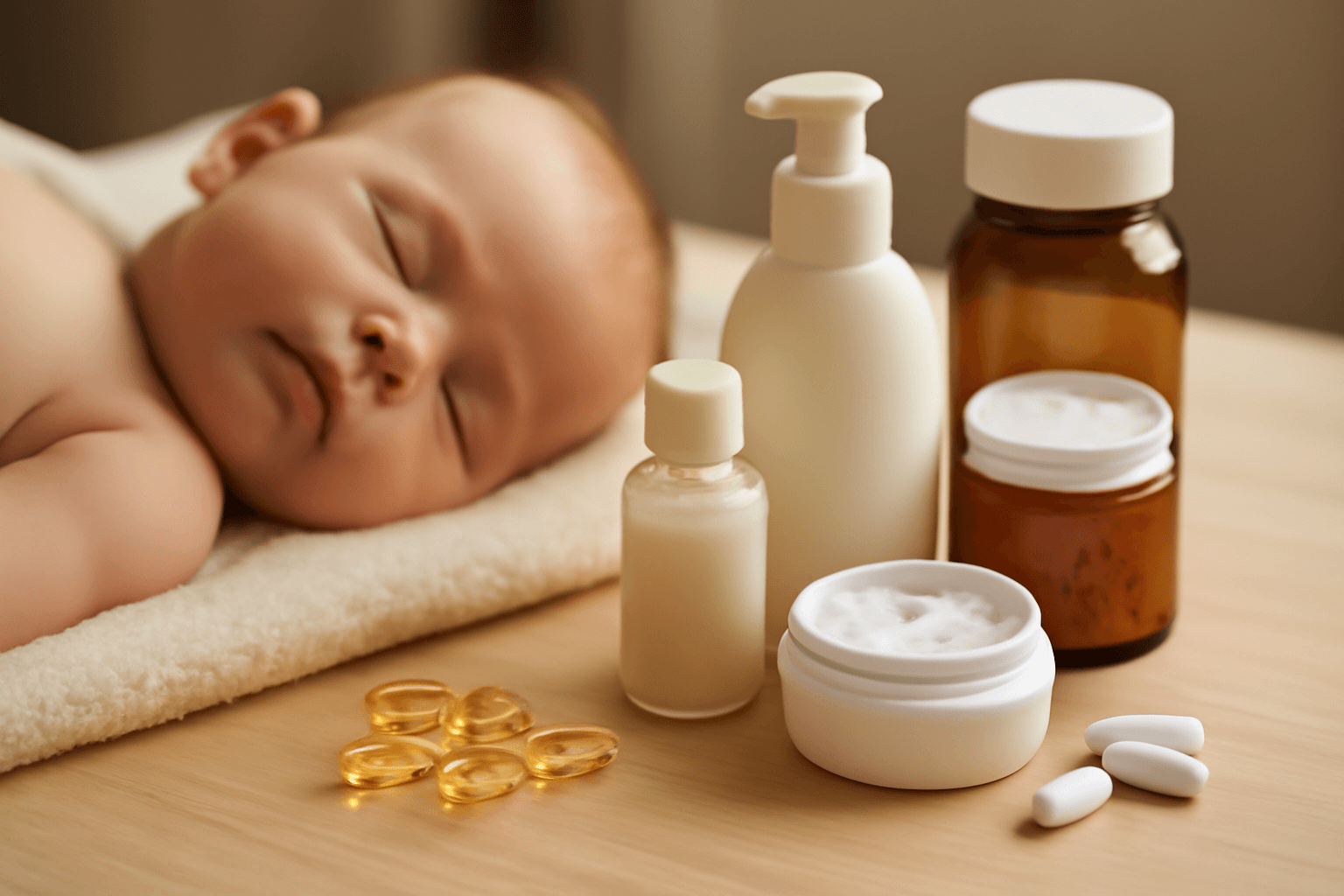
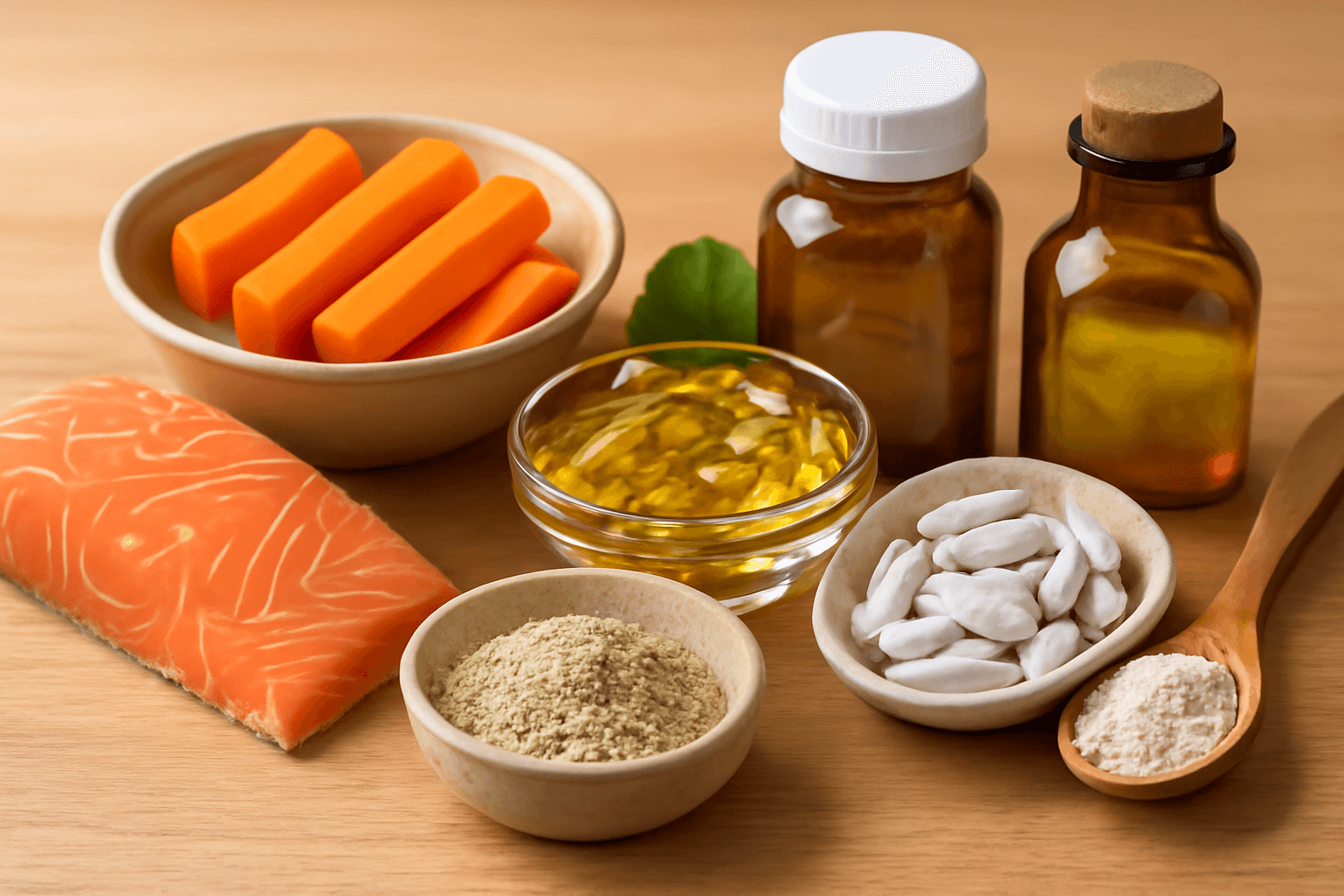
Newborn skin is approximately 30% thinner and more sensitive than adult skin, making careful management essential. Baby skin has immature immune function and weak protection from external environments, making it prone to irritation. This article presents three key areas of baby skincare recommended by medical professionals—cleansing, hydration, and protection—to support healthy skin development. We will also cover how different nutrients affect skin health and provide product selection guidelines so parents can establish a reliable skincare routine.
The Right Way to Cleanse Baby Skin
Cleansing newborn skin requires a balance between effectively removing impurities without destroying the skin's natural protective barrier through over-cleansing. According to the American Academy of Pediatrics (AAP), during the first week after birth, gentle cleansing with lukewarm water alone is recommended. Newborn skin is covered with vernix caseosa, a natural protective layer that contains antibacterial and antifungal properties, so it's best to preserve it as long as possible.
From 2-4 weeks after birth, you can begin using gentle cleansing products. When selecting products, check the following criteria:
- Fragrance-free: Fragrances can cause contact dermatitis, so always choose unscented products
- Low pH level: Baby skin has a pH of 4.5-5.5, which is slightly acidic, so use products that match this range (pH 4.0-7.0)
- Minimize surfactants: Strong surfactants can damage the skin barrier, so choose gentle products
- Avoid allergens: Check for products free of parabens, sulfates, and phenolic preservatives
The cleansing method is as follows: Use gauze or soft fabric without chlorine, dampened with lukewarm water (36-37°C), to gently wipe the face, neck, and skin folds. Bathe 2-3 times per week, and keep bath time to no more than 5-10 minutes. Prolonged water exposure removes the skin's natural oils and increases transepidermal water loss (TEWL).
Special precautions: When wiping baby's face, handle the eye area carefully and wipe from the outer corner toward the inner corner (nose side) to prevent tear duct infection. If your baby has diaper rash, after each bowel movement, cleanse minimally with a gentle product, allow to dry completely, and then put on a fresh diaper.
How to Hydrate Baby Skin
Hydrating baby skin is key to strengthening skin barrier function. Newborn skin has immature keratin layers, causing moisture loss three times greater than adults. Therefore, using the "wrap-around method"—applying moisturizer within 3 minutes after cleansing—can increase moisture absorption by over 60%.
The priority order for choosing baby moisturizers is as follows:
- First priority: Cream formulation - Has a higher oil-to-water ratio than lotion, maintaining moisture longer
- Second priority: Ointment - Especially for severe dryness or eczema
- Third priority: Lotion - For light hydration or when quick absorption is needed
Safe and effective moisturizing ingredients for baby skin include:
- Glycerin: A natural humectant that increases skin moisture content by 15-25%
- Ceramides: Components that make up the lipid layer of the skin barrier and reduce moisture loss by 40%
- Collagen: Supports skin elasticity and provides hydrating effects. Low-molecular-weight hydrolyzed collagen products absorb well
- Hyaluronic acid: A powerful hydrating ingredient capable of absorbing 1,000 times its weight in moisture. Low-molecular-weight hyaluronic acid (nanoparticles) penetrates baby skin exceptionally well
- Plant oils: Coconut oil and chamomile extract have anti-inflammatory properties, but avoid these on premature or damaged skin
When applying moisturizer, use your middle and ring fingers to gently tap and absorb the product from the center of the face outward. Pay special attention to the eye area, mouth area, and neck, and it's effective to apply in thin layers multiple times.
Internal hydration is also important. For breastfed babies, breast milk's IgA antibodies and probiotics have a direct impact on skin health. For formula-fed babies, choosing formula containing probiotics improves skin barrier function. When introducing complementary foods after 6 months, incorporating omega-3-rich foods (white fish, eggs) reduces skin inflammatory response by 30-40%.
How to Protect Baby Skin
Baby skin protection includes defense against external environmental factors (UV rays, pollutants, allergens) as well as internal health management. For UV protection, prioritize physical barriers (hats, clothing, shade) until 6 months of age, and from 6 months onward, mineral sunscreen based on zinc oxide or titanium dioxide can be used. Chemical UV filters (oxybenzone, avobenzone) are not recommended before 12 months of age.
Nutritional management for baby skin health is as follows:
- Protein: Essential for the growth of baby's skin and skin appendages (hair follicles, sebaceous glands). Breast milk or formula provides adequate protein. After introducing complementary foods, aim for 13-16g of protein per day until age one
- Iron: Deficiency causes pallor and dryness of the skin. From 6 months onward, provide 6-10mg of iron daily through fortified grains and meat
- Omega-3 fatty acids: Improve the lipid composition of the skin barrier and regulate inflammatory response. When the mother consumed adequate omega-3 during pregnancy, the baby's eczema incidence is 33% lower
- Vitamin A: Essential for skin cell differentiation and maintenance. From 4-6 months onward, provide 400-500 IU daily through sweet potatoes, carrots, and egg yolks
- Vitamin C: Promotes collagen synthesis and provides antioxidant action. Consuming 20-35mg daily from citrus fruits and kiwis is recommended
- Zinc: Supports skin damage repair and immune function. Deficiency increases the risk of eczema and infectious skin diseases
Consider the following environmental protection measures:
- Indoor humidity control: Maintain relative humidity of 40-60%. If humidity drops below 20% due to winter heating, use a humidifier but operate it only 2-3 hours per day
- Detergent selection: Wash baby clothes with fragrance-free, gentle detergent and rinse at least 3 times to completely remove detergent residue
- Clothing material: Choose 100% cotton fabric, and avoid fabric softeners when washing. Always wash new clothes before putting them on your baby
- Sleep and skin recovery: Newborns need 16-17 hours of sleep daily, and babies 3-11 months need 12-15 hours. During sleep, growth hormone is secreted, optimizing skin regeneration and immune function
The relationship between hormones and skin: As maternal female hormones rapidly decline after birth, neonatal acne can appear 2-3 weeks after birth. This is a temporary phenomenon that typically resolves naturally within 2-3 months without treatment. During this period, avoid using strong products and maintain only gentle cleansing.
When medical professional consultation is needed:
- When baby's eczema spreads across the entire face or neck
- When a rash or pustular lesions persist for more than 2 weeks
- When severe dryness causes bleeding or cracking
- When allergic reactions (swelling, difficulty breathing) appear after using a product
Summary: Core Principles of Baby Skincare
1. The "Less is More" principle of minimal product use
Baby skin needs only proper basic care (gentle cleansing, immediate hydration, removal of irritating factors) rather than excessive product use. Introduce new products one at a time at minimum one-week intervals to monitor for allergic reactions.
2. The importance of consistent routine
Baby skin improves with consistent care. Establish a three-time daily routine: morning (cleansing and moisturizer), evening (bath and cream), and after diaper changes (diaper cream).
3. Internal health determines external health
Adequate breastfeeding, appropriate complementary foods, and regular sleep maximize baby skin's natural healing power more than any external product. Probiotics, omega-3s, and protein are essential elements for strengthening the skin barrier.
4. Respecting individual differences in care
Not all baby skin is the same. Dry skin, sensitive skin, and skin prone to eczema each require customized care. Monitor your baby's skin response weekly and adjust products and methods as needed.
Final note: There's no need to pursue perfection in baby skincare. Reducing parental stress also positively impacts baby's healthy development. If your baby's skin shows abnormal symptoms or you feel uncertain about product selection, consult with a pediatrician or pediatric dermatologist for individualized advice.