Black soap is a natural skincare product that has been used throughout Africa for thousands of years. Made by mixing plant ash with vegetable oils and water, this soap is rich in antioxidants and vitamins A, E, and potassium, making it effective not only for skin health but also for hair care. It is particularly noted for its excellent effects on acne treatment, skin regeneration, and inflammation relief, and continues to be recognized as a natural beauty product in modern times. In this article, we will cover the exact composition of black soap, its scientific benefits, proper usage methods, and even how to make it yourself in detail.
What is Black Soap?
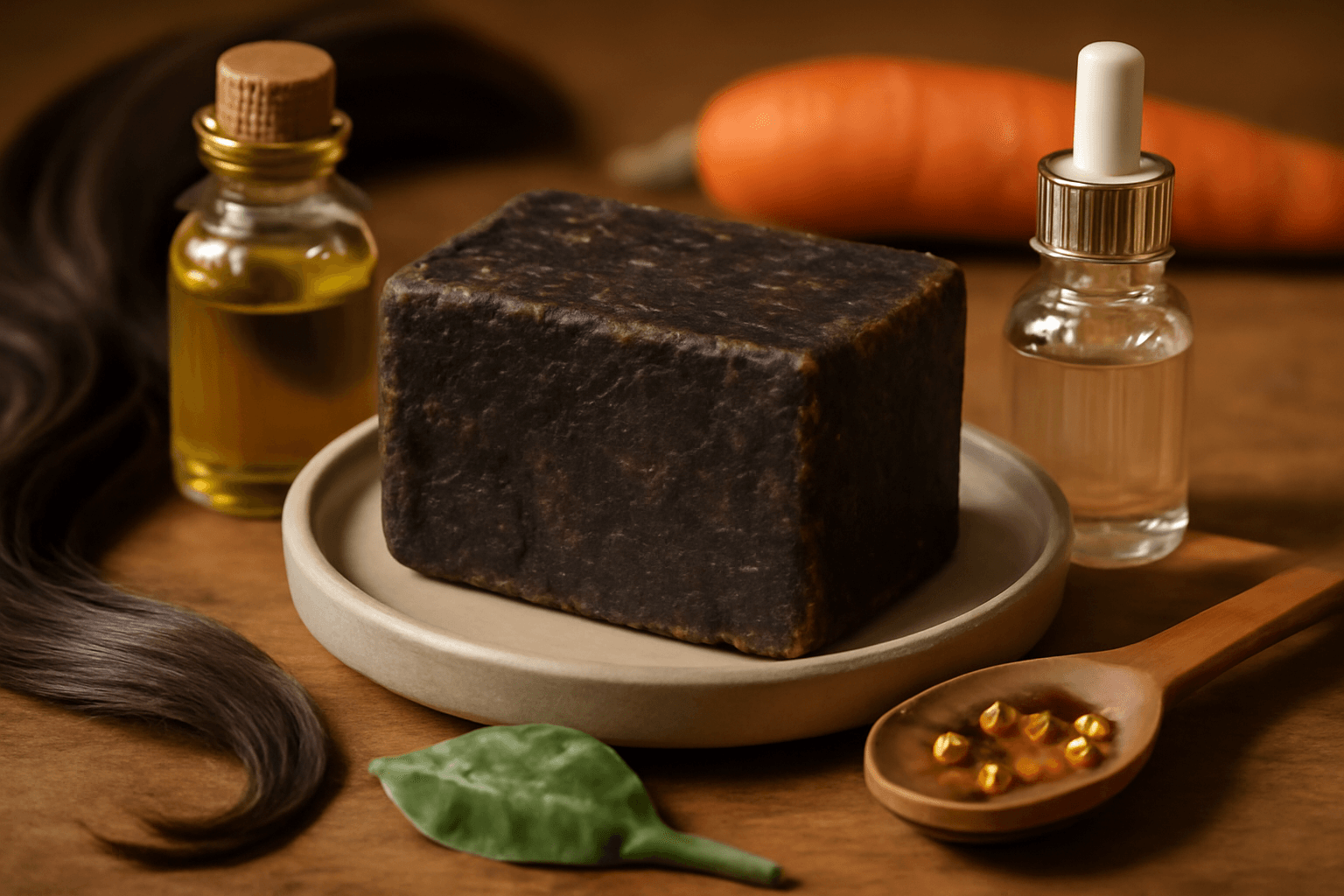
Black soap (African Black Soap) is made by mixing coconut oil, palm oil, cocoa pod shell ash, and plant extracts. It is a product that has been traditionally manufactured for a long time in West African regions such as Ghana, Nigeria, and Burkina Faso, and is a pure natural soap with minimal chemical components. The soap's black color is due to the potassium contained in plant lye and the natural color of plant materials.
Looking at the main ingredients of black soap, coconut oil contains lauric acid, an antibacterial and anti-inflammatory component, while potassium found in plant ash regulates the pH balance of the skin. Additionally, vitamins A and E are powerful antioxidants that prevent skin aging and promote cell regeneration. The combination of these ingredients transforms black soap from a simple cleanser into a product with therapeutic effects.
Black soap sold on the market is divided into two main categories: products following traditional manufacturing methods and those made through modern processes, with traditionally made products possessing higher nutritional value. When purchasing, it is important to verify that it is 100% pure soap and free from synthetic fragrances or chemical additives.
Benefits of Black Soap
Acne Treatment and Skin Soothing
Black soap is known for its most effective use in acne relief. The lauric acid contained in coconut oil and anti-inflammatory components suppress bacteria that cause acne and quickly reduce inflammation. According to research, approximately 70% of individuals with skin conditions who regularly used black soap for four weeks showed a noticeable decrease in acne. It is particularly effective for adult acne caused by hormonal changes or severe body acne on the back.
Beyond acne, it also helps with inflammatory skin conditions such as eczema, psoriasis, and dermatitis. This is because the antibacterial components of black soap treat infected wounds and relieve itching. However, in cases of acute eczema or extremely sensitive skin, consultation with a dermatologist is necessary before use.
Antioxidant and Anti-Aging Effects
The abundantly contained vitamins E and A in black soap are powerful antioxidants that protect skin cells from free radicals. Since free radicals are major causes of skin aging, pigmentation, and wrinkle formation, using antioxidant products is important from a preventive perspective. Using black soap can increase skin elasticity and reduce fine wrinkles.
Additionally, vitamin A accelerates the skin regeneration cycle, shedding dull and damaged skin layers to reveal new skin. Through this process, skin tone brightens and overall skin texture improves. With regular use, noticeable skin improvement effects can be felt after three to six months.
Hair Health Improvement
Black soap also shows excellent effects on scalp and hair care. It regulates excessive sebum secretion on the scalp while maintaining necessary moisture, making it suitable for both oily and dry scalps. The antibacterial components of coconut oil alleviate dandruff and scalp inflammation, while potassium strengthens the hair cuticle layer, creating shiny and healthy hair.
When shampooing with black soap, it is important to lather well in your hands or a mesh net before use. Rubbing directly on hair can cause damage due to friction. With use two to three times per week, improvement in hair can be felt within two to three weeks.
Skin Regeneration and Wound Healing
The components of black soap promote rapid recovery of damaged skin tissue. The retinoid component of vitamin A stimulates collagen production, and potassium and various minerals aid the skin's natural healing process. It is effective for improving skin damage from burns, wounds, scars, and stretch marks. With consistent use for over six weeks, noticeable lightening of scars can be achieved.
How to Use Black Soap
Face and Body Cleansing
When using black soap on the face, first gently dampen the skin with warm water, and lather the soap thoroughly in your hands or cloth net. Do not rub the soap directly on the face; instead, gently massage using the lather. Particularly avoid the sensitive eye area, and focus on the T-zone (forehead, nose, and chin). Maintain the lather for 30 seconds to one minute, then rinse thoroughly with lukewarm water.
For body use, it is convenient to apply the soap to a cloth washcloth or bath sponge during bathing. Black soap is very concentrated and long-lasting, so a coin-sized amount is sufficient. Oily skin can use it daily, but dry skin is recommended to use it three to four times per week. Overuse can cause skin dryness.
Intensive Acne Treatment
For intensive treatment of acne, it is better to use at a low concentration. Mix one tablespoon of black soap with five tablespoons of water to dilute it, then add one tablespoon of aloe vera gel. Apply this mixture to acne areas like a mask for ten to fifteen minutes and rinse. Doing this two to three times per week can result in considerable improvement within four weeks. However, if the skin is extremely sensitive or medication is being taken, consultation with a specialist is essential.
Scalp and Hair Care
When using as a shampoo, dampen the black soap slightly in your hands, add a little water, and lather thoroughly. Gently massage the entire scalp and leave for two to three minutes before rinsing. For long hair, adding one tablespoon of vinegar to the rinse water helps organize the hair cuticle layer and brings out shine. Conditioner or treatment is not necessary; in fact, using black soap alone is more effective.
Usage Frequency by Skin Type
- Oily skin: Can be used morning and evening daily
- Combination skin: Five to six times per week, T-zone daily
- Dry skin: Two to three times per week, must use moisturizing product after cleansing
- Sensitive skin: Once or twice per week, use diluted mixture
- Problem skin (acne, eczema): Initially three times per week, adjust maintenance frequency after improvement
Potential Side Effects of Black Soap
Initial Irritation Response
Some people may experience an initial irritation response when first using black soap. This is a phenomenon where the skin undergoes an 'adaptation period,' and most reactions disappear after a few days to two weeks. During this time, the skin may become slightly dry or itchy, and acne may temporarily worsen. This can be viewed as a positive sign if understood as black soap expelling deeply embedded impurities from the skin.
However, if severe irritation, redness, or swelling persists beyond two weeks, use should stop immediately and a dermatologist should be consulted. In particular, if you have rosacea or very sensitive skin, you should not use it without professional approval.
Dryness and Peeling
Black soap has powerful cleansing properties, and overuse can cause excessive skin dryness. Extra caution is needed, especially if you already have dry skin. If the skin appears tight and dry after use, a moisturizing cream or oil should be applied immediately. Using black soap in combination with appropriate moisturizing products is recommended rather than using it alone.
Slight peeling is normal, but if severe flaking and itching persist, usage frequency should be reduced or concentration should be lowered. It is recommended to moisturize with toner, essence, cream, etc. within five minutes after cleansing.
Allergic Reactions
Some people may have allergic reactions to certain components. Particularly if sensitive to palm oil or specific plant extracts, rash, itching, and swelling may occur. When first using, it is good to conduct a patch test by applying a small amount to an inconspicuous area such as the inside of the arm or behind the ear and observing the reaction for 24 hours. If any reaction appears, it should not be used.
Precautions for Pregnant Women and Those with Special Conditions
Pregnant women or those who are nursing should use it carefully, especially when skin has become sensitive due to hormonal changes. Also, if there are severe skin conditions, burns, or open wounds, medical professional approval is required before use. The same applies if medication is being taken; potential interactions should be checked.
How to Make Black Soap
Basic Ingredients and Preparation
To make black soap yourself, you will need the following ingredients:
- Coconut oil: 200ml
- Palm oil: 100ml
- Cocoa butter: 50ml
- Sodium hydroxide (lye): 28g
- Distilled water: 65ml
- Banana peel ash: 2 tablespoons (or wood ash)
- Castor oil: 1 tablespoon
- Essential oil (optional): Lavender, tea tree, etc., 10-15 drops
Warning: Sodium hydroxide is a very dangerous chemical. Safety glasses, gloves, and a mask must always be worn, and work must be done in a well-ventilated area. Keep it completely away from children and pets.
Manufacturing Process
Step 1: Making Ash Lye (Takes 2-3 days) - Burn dried banana peels to make ash and mix with distilled water. Let steep for 24 hours. Carefully strain only the liquid that rises to the top. This becomes the alkaline liquid used instead of water.
Step 2: Mixing Ash Lye and Sodium Hydroxide - Mix the ash lye and sodium hydroxide slowly. It will become very hot, so proceed slowly, and a strong chemical smell will occur. Wait until it cools to 40-45 degrees Celsius.
Step 3: Oil Preparation and Mixing - Warm the coconut oil, palm oil, and cocoa butter together and adjust to 40-45 degrees Celsius. Slowly pour the ash lye-sodium hydroxide mixture into the oils while stirring vigorously to begin the saponification reaction. You must continue stirring with a hand mixer or electric mixer for approximately two hours.
Step 4: Adding Castor Oil and Fragrance - When the mixture reaches the consistency of thin mayonnaise, add the castor oil. This reduces skin irritation. Add essential oils and stir for an additional 10 minutes.
Step 5: Pouring into Molds and Curing - Pour the mixture into silicone molds or milk cartons and allow to cool and harden for 24-48 hours in a warm place.
Step 6: Curing - Remove the soap and allow to cure for approximately four weeks in a well-ventilated place. During this process, the soap's pH stabilizes and irritation decreases.
Advantages and Precautions of Homemade Black Soap
Homemade black soap contains no chemical additives and is in its purest form. Additionally, you can adjust component ratios to match your skin type, and cost efficiency is excellent. However, the manufacturing process is complex and handling sodium hydroxide is dangerous, so if you are not confident handling chemicals, it is safer to purchase from a trusted supplier.
When purchasing, it is important to select 100% pure soap products without artificial fragrances and preservatives. Check the manufacturing date and expiration date, and when possible, prioritize products made using traditional methods.
Summary
Key Points Summary
- Black soap is a natural soap made from coconut oil, palm oil, and plant ash, rich in antioxidants and vitamins A, E, and potassium.
- It has various benefits including acne treatment, skin regeneration, anti-aging, and hair health improvement, and is particularly effective for inflammatory skin conditions.
- When using, do not rub directly; instead, create lather and use it, adjusting frequency from one to seven times per week depending on skin type.
- Initial irritation, dryness, and allergic reactions may occur, so professional consultation is essential, especially for sensitive skin or those with special conditions.
- After using black soap, adequate moisturizing care is necessary, and if severe side effects persist for more than two weeks, use should be stopped immediately.
- Homemade products involve very dangerous sodium hydroxide handling, so if unfamiliar with chemical handling, purchasing from trusted brand products is recommended.
Black soap is recognized for its benefits by both thousands of years of history and modern skin science. When used correctly and at a frequency suited to your skin condition, it can naturally improve various skin problems from acne to aging. However, as with all skincare products, black soap has significant individual variation, so when first using it, start with a small amount and sufficiently observe skin reactions. If you have serious skin conditions or special health concerns, the wisest choice is to consult with a dermatologist before use.