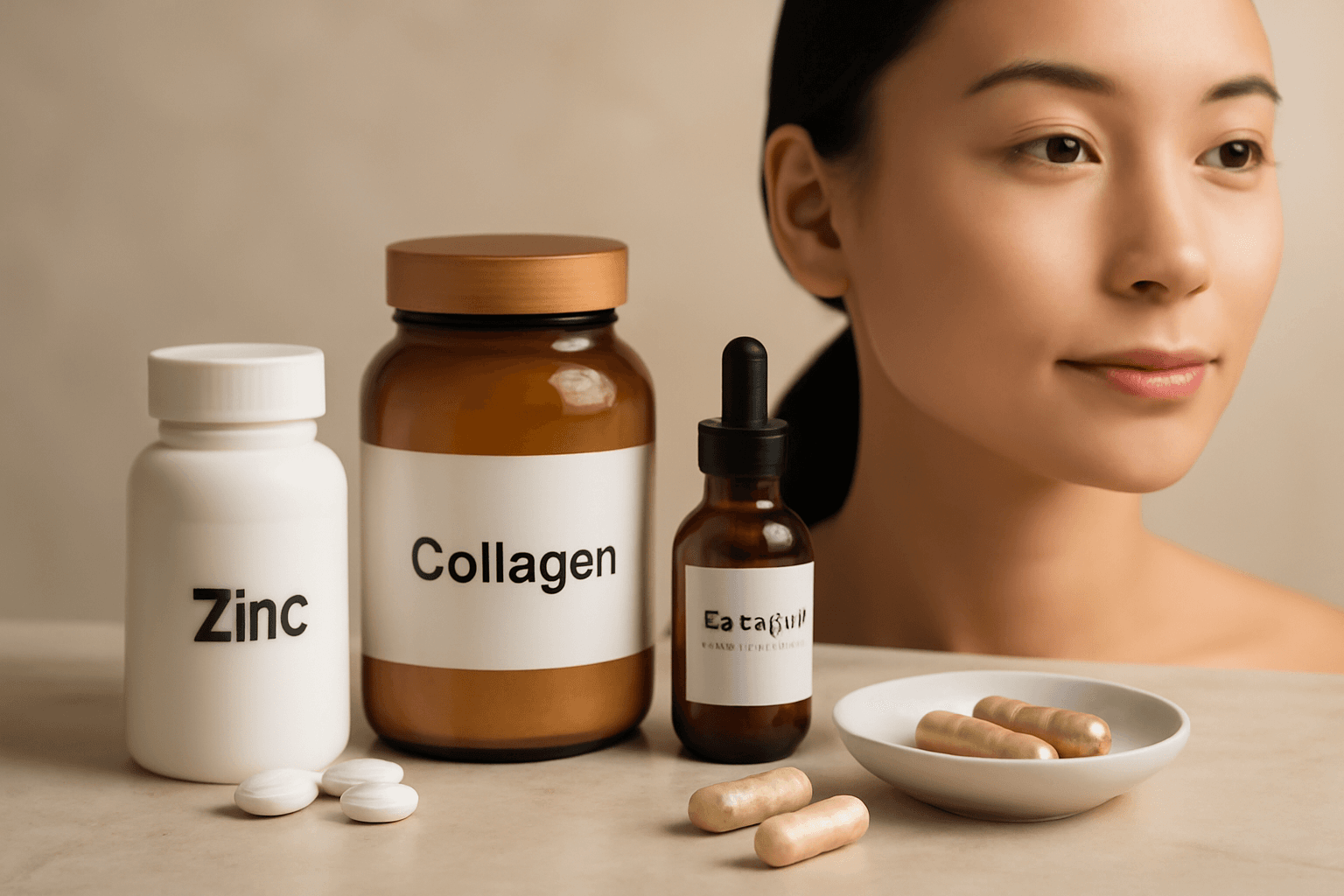
The Benefits of Polyglutamic Acid for Skin Health
Polyglutamic acid is a protein derivative composed of multiple glutamic acid molecules linked together, and it has recently gained attention in the skincare industry. Naturally found in traditional fermented foods such as miso and soy sauce, it is being utilized as a key ingredient in premium cosmetics due to its powerful moisturizing efficacy and ability to improve skin elasticity. When compared to hyaluronic acid, it boasts superior water retention properties and is particularly effective for improving dry and sensitive skin. This article explains the specific benefits of polyglutamic acid, its mechanism of action, and proper usage methods to maximize skin health.
What is Polyglutamic Acid?
Polyglutamic acid (PGA), also known as γ-polyglutamic acid, is a high-molecular-weight protein composed of more than 20 glutamic acid molecules linked together. Unlike ordinary proteins, it is connected by γ-carboxyl groups rather than peptide bonds, making it more stable. This ingredient was discovered in the early 2010s by a Japanese cosmetics research institute while analyzing fermented foods, and since then has been actively researched in Asian countries including South Korea and China.
The most distinctive property of polyglutamic acid is its molecular size. With a molecular weight ranging from one million to ten million daltons, this ultra-high molecular substance can form a powerful moisture barrier on the skin's surface. In food products, it is naturally generated through fermentation processes by microorganisms such as Bacillus subtilis, and polyglutamic acid used in cosmetics is mass-produced using these fermentation techniques. Currently, it is being utilized in various domestic skincare products including essences, toners, and sheet masks.
How Polyglutamic Acid Improves Skin
The mechanism by which polyglutamic acid works on skin can be divided into three main categories. The first is powerful moisturizing action. The anionic carboxyl groups on polyglutamic acid molecules form strong hydrogen bonds with water molecules, allowing them to absorb and retain up to 500 times their weight in moisture. While this may appear lower compared to hyaluronic acid (which retains up to 1000 times its weight in moisture), the actual moisturizing effect is superior because it remains on the skin's surface longer.
The second is strengthening the skin barrier. Polyglutamic acid has a structure similar to the skin's natural moisturizing factors (NMF), forming a thin protective layer on the skin's surface. Through this action, it protects skin from external irritants and fine dust while reducing transepidermal water loss (TEWL) by approximately 35%. According to research, regular use for two weeks increased skin moisture content by an average of 27%.
The third is promoting collagen production. Low molecular weight forms of polyglutamic acid (molecular weight of 5000 daltons or less) penetrate the stratum corneum and reach the dermis layer, where they stimulate skin fibroblasts to increase collagen and elastin production. Some in vitro studies have reported approximately 40% increased collagen expression when treated with polyglutamic acid compared to control groups. Through this action, it has a positive impact on skin elasticity and wrinkle improvement.
Comparing Polyglutamic Acid and Hyaluronic Acid
Hyaluronic acid has been the most widely used moisturizing ingredient for the past 30 years, but it has distinct characteristics when compared to polyglutamic acid. Duration of moisturizing effect is where polyglutamic acid has an advantage. While hyaluronic acid has excellent water absorption capability, its smaller molecular size (average molecular weight of 1 to 3 million daltons) causes it to evaporate quickly from the skin's surface. In contrast, polyglutamic acid's ultra-high molecular structure remains on the skin longer, maintaining moisturizing effects for extended periods. In clinical research, polyglutamic acid maintained its moisturizing effects for over 8 hours, while hyaluronic acid's effectiveness diminished after 4-6 hours.
Molecular size and penetration capability are also important differences. The high molecular form of hyaluronic acid has limited ability to penetrate the stratum corneum and primarily works only in the epidermis. Polyglutamic acid, when processed into a low molecular version (nano polyglutamic acid), can penetrate the epidermis and reach the dermis layer, allowing it to simultaneously perform surface moisturizing and deep anti-aging actions. Therefore, polyglutamic acid is more effective when wrinkle improvement or enhanced skin elasticity is needed.
Skin irritation potential makes polyglutamic acid safer. High concentrations of hyaluronic acid can paradoxically cause dryness by drawing moisture from deeper skin layers to the surface due to osmotic pressure. Polyglutamic acid, originating from natural fermented ingredients, has very low irritation potential and can be safely used even on sensitive or damaged skin. However, cost-wise, hyaluronic acid is much more affordable, which is why many mainstream skincare products still primarily use hyaluronic acid.
Integrating Polyglutamic Acid into Your Skincare Routine
Here is a step-by-step usage method for using polyglutamic acid products to maximize effectiveness. First, supply moisture to the skin using a low molecular weight hyaluronic acid or glycerin-based toner, then apply a thin layer of polyglutamic acid essence or ampoule. Follow up with your regular essence or cream. This sequence is important because sufficient initial hydration must be provided so that the moisture absorbed by polyglutamic acid can be locked into the skin.
Usage frequency and dosage should be adjusted according to skin type. For dry or extremely dry skin, twice-daily application morning and evening is recommended, with approximately a rice grain-sized amount per application. For oily skin, use only once in the evening or reduce the amount by half, but gently tap the product with your fingers to promote absorption. For combination skin, differentiate between the T-zone and U-zone, using concentrated application only on dry areas. Overuse can leave a sticky residue on the surface, so it is recommended to start with a minimal amount and gradually increase.
Seasonal usage strategies can also enhance effectiveness. During the dry winter months, increase the use of polyglutamic acid products, while in summer's hot and humid environment, reduce usage and concentrate application only in evening skincare after sun protection. Additionally, maintain at least a 3-day interval between exfoliating products (peels, scrubs, etc.) and polyglutamic acid use to avoid irritating a compromised skin barrier.
Compatibility with other ingredients is also high. Polyglutamic acid can be stably used together with most skincare ingredients including vitamin C, niacinamide, ceramides, and plant-based oils. However, it is best to avoid using it on the same day as low pH, high concentration acidic products (such as BHA and AHA peeling toners). The anionic nature of polyglutamic acid can be neutralized in acidic environments, reducing its effectiveness.
Products Containing Polyglutamic Acid
Currently, various products containing polyglutamic acid as a main ingredient are being released in the Korean cosmetics market. Essence and ampoule types are the most common, with polyglutamic acid included as a key ingredient in highly moisturizing essences from several premium brands. These products typically contain polyglutamic acid in the range of 1-5% concentration, with prices for 500ml bottles ranging from 35,000 to 85,000 won.
Toner and toning essence formulations are also popular. With a watery texture, they can be easily integrated into morning skincare routines, with products containing 0.5-2% polyglutamic acid being the mainstream. These are generally sold at reasonable price points in the 30,000 won range.
Mask packs and sheet masks are also ideal formulations for polyglutamic acid due to its high moisturizing capacity. Using them once or twice weekly as intensive care products can maximize a week's worth of moisturizing benefits. Some premium sheet masks include polyglutamic acid alongside hyaluronic acid, ceramides, and peptides to provide comprehensive skin improvement effects.
Creams and eye creams are increasingly incorporating polyglutamic acid. Rather than rich creams, it is primarily included in lighter formulations such as hydrating creams or gel creams, with excellent moisturizing effects on the delicate skin around the eyes. When selecting products, checking the ingredient list is important. The higher polyglutamic acid appears on the ingredient list (typically items 5-8), the higher its concentration and the better the results.
Precautions When Using Polyglutamic Acid
Medical recommendations must be carefully noted. While polyglutamic acid is generally a safe ingredient, professional medical consultation is essential if you have specific skin conditions. In cases of severe active acne, polyglutamic acid's moisturizing properties may over-hydrate follicles and worsen the condition, so approval from a dermatologist is required before use. Additionally, if you have skin conditions such as dermatitis, eczema, or psoriasis, or are undergoing medical treatment, do not use products based solely on your own judgment—always consult with your healthcare provider.
Allergic reactions are also possible and require caution. Although it is a food-derived ingredient, manufacturing byproducts or preservatives may be included during cosmetic processing. When using a new product, first conduct a 48-hour patch test on a small area such as the inner arm or behind the ear, and only use it on your entire face when no reaction occurs. If symptoms such as itching, redness, or swelling appear, immediately discontinue use and visit a dermatologist.
Interactions with environmental factors should also be considered. Applying high-concentration polyglutamic acid products before summer outdoor activities can increase surface skin moisture content, making it more vulnerable to UV damage. Therefore, after using polyglutamic acid essence, allow at least 10 minutes for absorption before applying adequate sunscreen.
Summary
The key benefits of polyglutamic acid can be summarized as follows:
- Powerful moisturizing action: Absorbs and retains up to 500 times its weight in moisture, maintaining it for extended periods while reducing transepidermal water loss by approximately 35%.
- Skin barrier strengthening: With a structure similar to natural moisturizing factors, it blocks external irritants and increases skin moisture content by an average of 27% after two weeks of use.
- Collagen production promotion: Low molecular weight forms reach the dermis layer and increase collagen expression by approximately 40%, effectively improving wrinkles.
- Safety: As a natural fermented ingredient with very low irritation potential, it is safe for sensitive and damaged skin.
- Efficiency: Provides longer-lasting moisturizing effects (8 hours or more) compared to hyaluronic acid.
Proper usage methods include:
- Supply moisture first with a basic toner before using polyglutamic acid products.
- For dry skin, twice-daily application is recommended; for oily skin, once in the evening is suggested.
- Adjust usage frequency according to the season and avoid using with high-concentration acidic products on the same day.
- Always conduct a patch test before using new products, and consult with a professional if you have skin conditions.
Polyglutamic acid is a natural ingredient derived from traditional fermented foods, representing the convergence of modern skin science and traditional wisdom. It can be a particularly safe and effective choice for people with dry and sensitive skin. However, since all skincare products have individual variations, it is recommended to carefully select products that match your skin type and condition and evaluate them after a sufficient observation period.