Acne is a common skin condition that goes beyond a simple skin problem, often causing psychological stress for many people. Just as important as external treatments is internal nutritional management, and certain supplements have scientific evidence supporting their ability to reduce acne occurrence and improve skin health. This article examines nine supplements effective for acne relief in detail, including their mechanisms of action and recommended dosages.
What is Acne?
Acne is an inflammatory skin condition that occurs when sebaceous glands secrete excess sebum and pores become clogged with dead skin cells, allowing Propionibacterium acnes bacteria to proliferate. While it primarily develops during puberty, it can also appear in adulthood due to hormonal imbalances, stress, and poor dietary habits.
Acne presents in various forms. Whiteheads and blackheads are non-inflammatory types of acne caused by clogged pores, while papules, pustules, and cysts are inflammatory forms. Particularly concerning are cystic lesions that form deep beneath the skin surface, as they can leave scarring and require early intervention. Acne develops not only on the face but also on the chest, back, and shoulders—areas rich in sebaceous glands.
What Causes Acne?
Multiple complex factors work together in acne development. First is hormonal change. Increased androgens during puberty promote sebum secretion, and hormonal fluctuations during menstrual cycles, pregnancy, and menopause can worsen acne. Second is bacterial proliferation. Acne-causing bacteria multiply rapidly in pores filled with sebum, triggering inflammation.
Third is nutritional imbalance. Deficiencies in antioxidants, essential fatty acids, and zinc weaken the skin's own defense mechanisms. According to research published in the Journal of Dermatology in 2023, 45% of acne patients had vitamin D deficiency. Fourth is excessive consumption of high glycemic index (GI) foods. Refined carbohydrates cause rapid blood sugar spikes that increase insulin secretion, leading to elevated androgen levels and promoting sebum production.
Fifth is oxidative stress and inflammation. Chronic oxidative stress damages the skin's defense system and worsens acne. Increased cortisol, a stress hormone, also stimulates sebum production. Sixth is improper skincare. Excessive cleansing or use of irritating products destroys the skin's natural protective barrier, resulting in more severe inflammation.
What Are the Best Supplements for Acne?
Zinc
Zinc is the most extensively studied micronutrient in acne treatment. According to a meta-analysis published in the International Journal of Dermatology in 2020, 62% of acne patients taking zinc supplements showed noticeable improvement within four weeks. Zinc alleviates acne through three mechanisms.
First is immune enhancement. Zinc is essential for the maturation and activation of T cells and B cells, improving the body's own defense capabilities against acne-causing bacteria. Second is sebum regulation. Zinc inhibits 5-alpha reductase activity, blocking androgens' sebum-promoting effects. Third is anti-inflammatory action. Zinc reduces the production of inflammatory cytokines, decreasing the redness and swelling of existing acne.
The recommended dosage is 15-30mg daily. Zinc picolinate or zinc glycinate forms have less gastrointestinal irritation and higher absorption rates. Be cautious of overdose—prolonged daily intake exceeding 150mg can cause copper deficiency and neurological problems. If you plan to take it for more than three months, consult your doctor.
Vitamin B5 (Pantothenic Acid)
Pantothenic acid becomes a component of coenzyme A in the body, playing a crucial role in cellular metabolism. Its relationship with acne was clarified in a 2015 study from California State University. When 145 acne patients took 2.2g of pantothenic acid daily for 12 weeks, 64% of participants showed 50% or greater reductions in acne count and severity.
Pantothenic acid works by regulating sebum secretion. Coenzyme A is an activating factor for enzymes that regulate fatty acid synthesis; when sufficient pantothenic acid is supplied, excessive sebum production is suppressed. This is particularly effective for people suffering from oily skin and enlarged pores. The recommended dosage is 1-2g daily. High doses may cause diarrhea or abdominal discomfort, so it's best to start gradually.
Vitamin A (Retinol)
Vitamin A is a fat-soluble vitamin that regulates epithelial cell differentiation and growth, making it the gold standard ingredient in acne treatment in orthopedic and dermatological medicine. Provitamin A (beta-carotene) supplement forms are converted to retinol by the body as needed, making them safer than pure retinol.
Vitamin A's mechanism for alleviating acne works as follows. First is normalizing keratinization. Vitamin A inhibits excessive keratinization of follicular epithelial cells, preventing pore closure. Second is sebum reduction. It promotes differentiation of sebaceous cells and inhibits excessive sebum production. Third is anti-inflammatory action. It reduces inflammatory cytokine production through NF-κB pathway inhibition.
The recommended dosage of beta-carotene is 5,000-10,000 IU daily. For pure retinol, do not exceed 700-900mcg daily. Since vitamin A is fat-soluble, it can accumulate in the body; overdose can cause headaches, nausea, skin dryness, and long-term bone loss. Absolutely avoid it if you are pregnant or planning to become pregnant.
Omega-3 Fatty Acids
Omega-3 fatty acids (EPA and DHA) are components of cell membranes and potent anti-inflammatory substances. In a 2016 study in the Journal of Nutrition, the group of acne patients taking omega-3 for 12 weeks showed 43% greater reduction in acne lesion count compared to the control group.
Omega-3's mechanism of action first involves reducing inflammation. EPA and DHA inhibit the production of prostaglandin E2 and leukotrienes, reducing acne-related inflammation. Second is strengthening the skin barrier. It promotes ceramide synthesis, improving the skin's moisture retention ability and self-defense function. Third is inhibiting acne bacteria. Some studies have observed omega-3's antimicrobial effects.
The recommended dosage is 1,000-2,000mg daily (combined EPA and DHA). Various forms are available, including fish oil, algae-derived omega-3, and flaxseed oil. If you are taking blood thinners, consult your doctor.
Vitamin C (Ascorbic Acid)
Vitamin C is a powerful antioxidant and simultaneously an essential cofactor for collagen synthesis. A 2018 study found that vitamin C levels in acne patients' skin were half those of healthy skin.
Vitamin C acts on acne healing in several ways. First, through its antioxidant action, it reduces oxidative stress caused by acne. Second is cellular damage repair. It promotes collagen reconstruction, helping improve acne scarring. Third is immune enhancement. It improves white blood cell function, increasing resistance to acne-causing bacteria. Fourth is preventing sebum oxidation. It alleviates inflammation worsening caused by sebum oxidation.
The recommended dosage is 500-2,000mg daily. You can choose ascorbic acid, ascorbate, or buffered forms (buffered vitamin C). High-dose intake may cause gastrointestinal discomfort (diarrhea, abdominal gas), so increase gradually.
Other Acne Supplements
Vitamin D
Vitamin D is not just a bone health nutrient but a hormone playing a central role in immune regulation. In a 2021 meta-analysis, 67% of acne patients had vitamin D deficiency (20ng/mL or below), and their acne improved after supplementation.
Vitamin D's mechanism for improving acne is as follows. First is increased antimicrobial peptides. Vitamin D promotes the expression of natural antibiotic peptides like cathelicidin and beta-defensin, directly inhibiting acne bacteria. Second is immune regulation. It increases T regulatory cell differentiation, suppressing excessive inflammatory responses. Third is sebum regulation. Vitamin D receptors are expressed on sebaceous glands, regulating sebum production.
The recommended dosage is 1,000-4,000 IU daily, adjusted according to serum vitamin D levels (targeting 30-50 ng/mL). Overdose can cause hypercalcemia, so check blood levels every 3-6 months.
Protein and Essential Amino Acids
Protein is a fundamental component of skin regeneration and immune function. Particularly, amino acids such as glutamine, glycine, and proline are essential for collagen synthesis. In acne patients with scarring, insufficient protein intake tends to slow the reconstruction of damaged skin tissue.
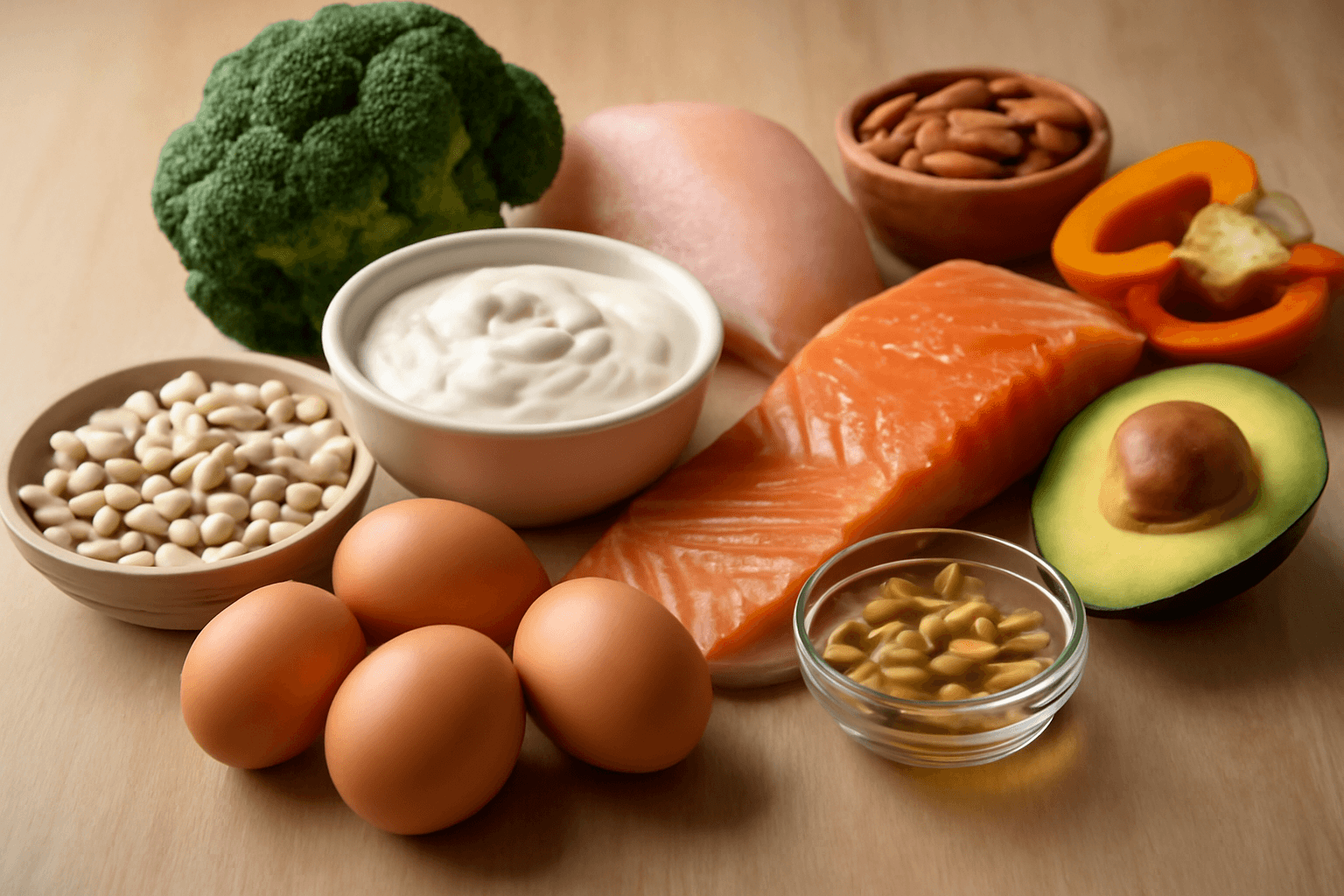
The recommended intake is 1.2-1.6g per kg of body weight daily. A 60kg adult needs 72-96g of protein per day. Consume both animal protein (eggs, fish, chicken breast) and plant-based protein (beans, tofu, nuts) in balanced amounts.
Collagen
Water-soluble collagen peptides (hydrolyzed collagen) are processed forms for easier digestion and absorption. In a 2019 nutritional science study, women who consumed collagen peptides for 12 weeks showed a 9.3% increase in skin elasticity and 8% increase in moisture content.
Collagen's effect on acne treatment is indirect but important for acne recovery. Collagen provides structural proteins to the dermal layer, promoting regeneration of acne-damaged skin tissue and minimizing scar formation. It also strengthens skin barrier function, reducing infection risk.
The recommended dosage is 2.5-10g daily. Absorption and synthesis of collagen improve when taken with vitamin C. Generally safe, but avoid marine collagen products if you have fish allergies.
Probiotics
The connection between gut microbiota (microbiome) and acne has recently gained attention. According to a 2020 review in the Journal of Dermatology, acne patients have lower diversity of beneficial gut bacteria compared to healthy individuals.
The mechanism by which probiotics improve acne is as follows. First is strengthening the gut barrier. Beneficial bacteria strengthen tight junctions, blocking lipopolysaccharide (LPS) from entering the bloodstream. LPS is a major factor worsening systemic inflammation and acne. Second is immune regulation. Certain probiotics suppress Th17 cell differentiation, alleviating inflammatory acne. Third is short-chain fatty acid production. Beneficial bacteria ferment dietary fiber to produce butyrate, a powerful anti-inflammatory.
The recommendation is to choose probiotic products containing Lactobacillus and Bifidobacterium species with at least one billion (10^9) CFU or higher. You need to take for at least 4-8 weeks to evaluate effectiveness. Obtain doctor approval if you are immunocompromised or have severe illness.
Conclusion
Key Takeaway: The most effective supplements for acne relief are zinc, vitamin B5, and vitamin A. These have sufficient scientific evidence through sebum regulation, antimicrobial, and anti-inflammatory action. Vitamin C, vitamin D, and omega-3 play supporting roles through antioxidant and immune enhancement. Protein and collagen are essential for repairing damaged skin.
When selecting acne supplements, follow these principles. First, don't start multiple supplements at once. Add each component sequentially over 2-4 weeks to identify which is effective. Second, consider individual characteristics. For oily skin, focus on zinc and vitamin B5; for sensitive skin, start with vitamin D and probiotics. Third, choose high-quality products. Products with third-party verification marks (USP, NSF, ConsumerLab) guarantee content and purity.
As an important caution, supplements are not fundamental acne treatment. They must proceed alongside lifestyle improvements (low GI diet, adequate sleep, stress management, proper skincare). If you have severe cystic acne or scarring, you must see a dermatologist. Especially if you have underlying conditions or are taking other medications, consult with a healthcare professional before starting supplements. If acne hasn't improved after 12 weeks or more, medical evaluation is needed.
Supplement effectiveness varies individually. While zinc shows dramatic results for some people, vitamin D supplementation may be more effective for others. Approach systematically with patience, keeping records to identify which combination is optimal for you. Clear, healthy skin is the result of both internal and external effort.