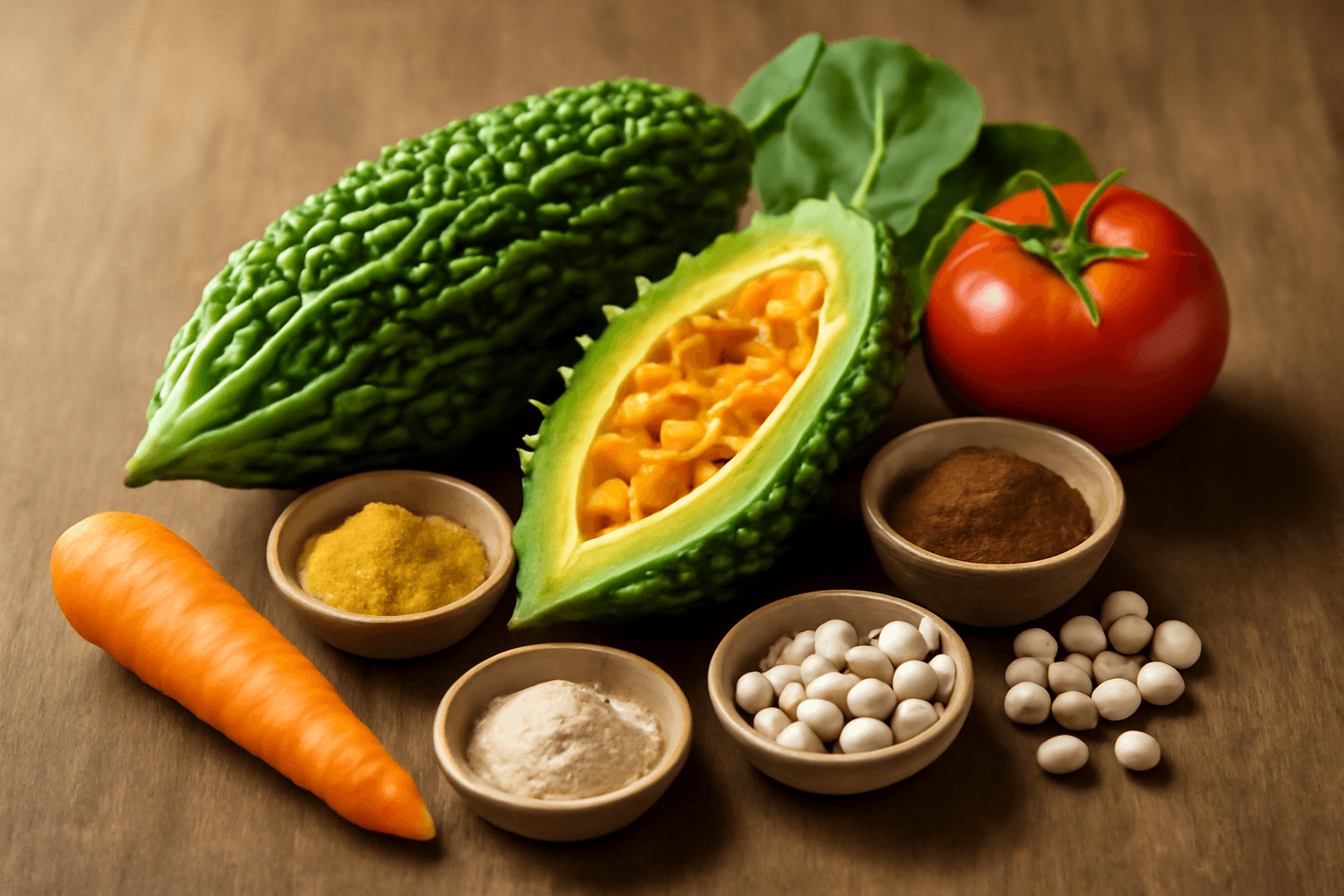
Bitter melon is a cucurbitaceous plant native to Southeast Asia that offers remarkable health benefits along with its distinctive bitter taste. This vegetable has been used in traditional medicine for thousands of years due to its blood sugar regulation, cholesterol reduction, improved digestion, and abundant antioxidant compounds. While containing various essential nutrients such as protein, iron, zinc, and vitamin A, it is also very low in calories, making it effective for weight management. In this article, we will examine in detail the major benefits and nutritional characteristics of bitter melon based on scientific evidence.
Blood Sugar Reduction Benefits of Bitter Melon
Bitter melon is one of the most well-known foods for its blood sugar regulation abilities. Natural compounds found in bitter melon called charantin and polypeptide-P work similarly to insulin, helping to lower glucose levels in the blood.
According to research published in the Journal of Nutrition in 2011, when prediabetic patients consumed bitter melon extract for 8 weeks, their fasting blood glucose decreased by an average of 10-15%. Additionally, dietary fiber abundant in bitter melon slows the digestion rate of carbohydrates, preventing rapid blood sugar spikes. Bitter melon contains approximately 2.7g of dietary fiber per 100g, which regulates glucose absorption gradually, minimizing blood sugar fluctuations.
For type 2 diabetes patients, regular consumption of bitter melon can improve not only blood sugar levels but also hemoglobin A1c (3-month average blood sugar levels). However, if you are currently taking blood sugar-related medications, bitter melon should be consumed under medical supervision, so please consult with your healthcare provider.
Cholesterol Reduction Benefits of Bitter Melon
The antioxidant compounds and dietary fiber in bitter melon have a direct impact on improving blood cholesterol levels. Flavonoids and phenolic compounds contained in bitter melon prevent oxidation of low-density lipoprotein (LDL) cholesterol, inhibiting the development of atherosclerosis.
According to animal study results, rats administered bitter melon extract showed a total cholesterol reduction of over 40% compared to control rats fed a high-fat diet. In human studies, participants who consumed bitter melon daily showed an average 23% decrease in LDL cholesterol and an 18% increase in high-density lipoprotein (HDL) cholesterol after 12 weeks.
This effect occurs because the soluble dietary fiber in bitter melon binds with bile acids, reducing cholesterol absorption. Regularly including bitter melon in your diet can contribute to reducing cardiovascular disease risk and improving overall heart health.
Digestive Improvement Benefits of Bitter Melon
Bitter melon has various mechanisms for promoting digestive health. The combination of dietary fiber, vitamin C, and natural enzymes promotes the growth of beneficial bacteria in the intestines and optimizes digestive function.
The approximately 2.7g per 100g of dietary fiber in bitter melon acts as a prebiotic, supporting the growth of beneficial microorganisms such as Lactobacillus and Bifidobacterium. This leads to increased diversity of intestinal microbiota, which directly contributes to enhanced immunity and improved digestive efficiency. Additionally, the natural bitter compounds in bitter melon stimulate the secretion of digestive juices, promoting more efficient food breakdown.
Regular bitter melon consumption can lead to the following digestive health improvements:
- Improved intestinal motility: Relief of constipation symptoms and restoration of normal bowel rhythm
- Regulated gastric acid secretion: Improved acid reflux symptoms and prevention of peptic ulcers
- Reduced intestinal inflammation: Alleviation of inflammatory bowel disease symptoms through the anti-inflammatory action of polyphenol compounds
- Reduced gas production: Improved abdominal bloating through normalization of intestinal fermentation processes
However, excessive consumption may cause abdominal discomfort or diarrhea, so consuming an appropriate amount of about 50-100g per day is recommended.
Bitter Melon: A Nutrient-Rich Food
Bitter melon is a nutritionally valuable food that is very low in calories (approximately 34kcal per 100g) while containing an abundance of various essential nutrients.
Main nutrient composition (per 100g):
- Protein 2.4g: Plant-based protein that contributes to maintaining muscle health
- Iron 0.43mg: Approximately 2.4% of the daily recommended amount, essential for red blood cell formation
- Zinc 0.8mg: Strengthens the immune system and promotes wound healing
- Vitamin A (beta-carotene) 471IU: Antioxidant action and maintains eye health
- Vitamin C 84mg: Powerful antioxidant that boosts immunity
- Potassium 296mg: Regulates blood pressure and maintains heart health
- Folate 72μg: Essential for cell division and DNA synthesis
The beta-carotene in bitter melon is converted to vitamin A in the body as needed, helping maintain retinal health and prevent night blindness. Additionally, the antioxidant polyphenols contained in bitter melon prevent cell damage, making them effective for anti-aging and prevention of chronic diseases. Bitter melon is an excellent food for supplying various trace minerals and vitamins, especially for people with dietary restrictions.
Powerful Antioxidant Benefits of Bitter Melon
Bitter melon is a repository of antioxidant substances, with antioxidant activity of approximately 945μmol per 100g. This is a level of powerful antioxidant capacity comparable to the same weight of broccoli (approximately 890μmol) or spinach (approximately 1064μmol).
Main antioxidant compounds in bitter melon:
- Flavonoids: Neutralize free radicals that damage cells, reducing oxidative stress
- Phenolic compounds: Suppress inflammatory responses and reduce chronic disease risk
- Vitamin C: Promotes collagen synthesis and activates immune cells
- Carotenoids: Contribute to eye health and prevention of skin aging
In research published in 2019, bitter melon's antioxidant activity reduced cell damage caused by oxidative stress by approximately 65%. This antioxidant action leads to various long-term health benefits including maintaining skin elasticity, preventing brain aging, and protecting joint health. Furthermore, it effectively removes excess free radicals generated by the body in highly stressful situations, helping prevent stress-related diseases.
Bitter Melon, Weight, and Obesity
Bitter melon is an ideal food for weight management and obesity improvement, providing a perfect combination of high nutritional value and low calories. Its extremely low calorie content of approximately 34kcal per 100g is incomparable to other vegetables.
Why bitter melon is effective for weight loss:
- High satiety: High dietary fiber content (2.7g/100g) maintains fullness for extended periods even in small amounts
- Low glycemic index (GI): Raises blood sugar slowly, preventing cravings and overeating
- Promotes metabolism: Bioactive compounds in bitter melon contribute to increased basal metabolic rate
- Inhibits fat absorption: Dietary fiber reduces fat absorption in the intestines
In obesity-related research, adults who consumed bitter melon extract (approximately 100mg) daily for 12 weeks experienced an average weight loss of 3-5kg, with particularly significant reduction in abdominal fat. Additionally, by improving insulin resistance, bitter melon suppresses the development of metabolic syndrome, enabling fundamental metabolic health improvement beyond simple weight loss. However, the key to sustained weight management is to combine bitter melon as part of a balanced diet with appropriate exercise, rather than pursuing rapid weight loss through extreme dietary restrictions.
Summary
Bitter melon is a superfood that provides various health benefits including blood sugar regulation, cholesterol reduction, improved digestion, antioxidant action, and weight management. It is a nutritionally excellent food that contains abundant essential nutrients such as protein, iron, zinc, vitamin A, and vitamin C, while being very low in calories.
Key points when consuming bitter melon:
- Daily recommended amount: 50-100g of fresh bitter melon or 1/2 cup of bitter melon juice (approximately 120ml)
- Consumption frequency: 3-5 times per week for optimal health benefits
- Cooking method: Lightly blanch or consume raw to minimize nutrient loss
- Best season: Summer bitter melon at peak ripeness has maximum nutritional value
⚠️ Medical Precautions: If you are taking blood sugar-related medications, blood pressure medications, anticoagulants (blood clotting preventatives), or other medications, be sure to consult with your healthcare professional before consuming bitter melon. It is also safer to consume under medical supervision if you are pregnant, breastfeeding, or have hypoglycemia.