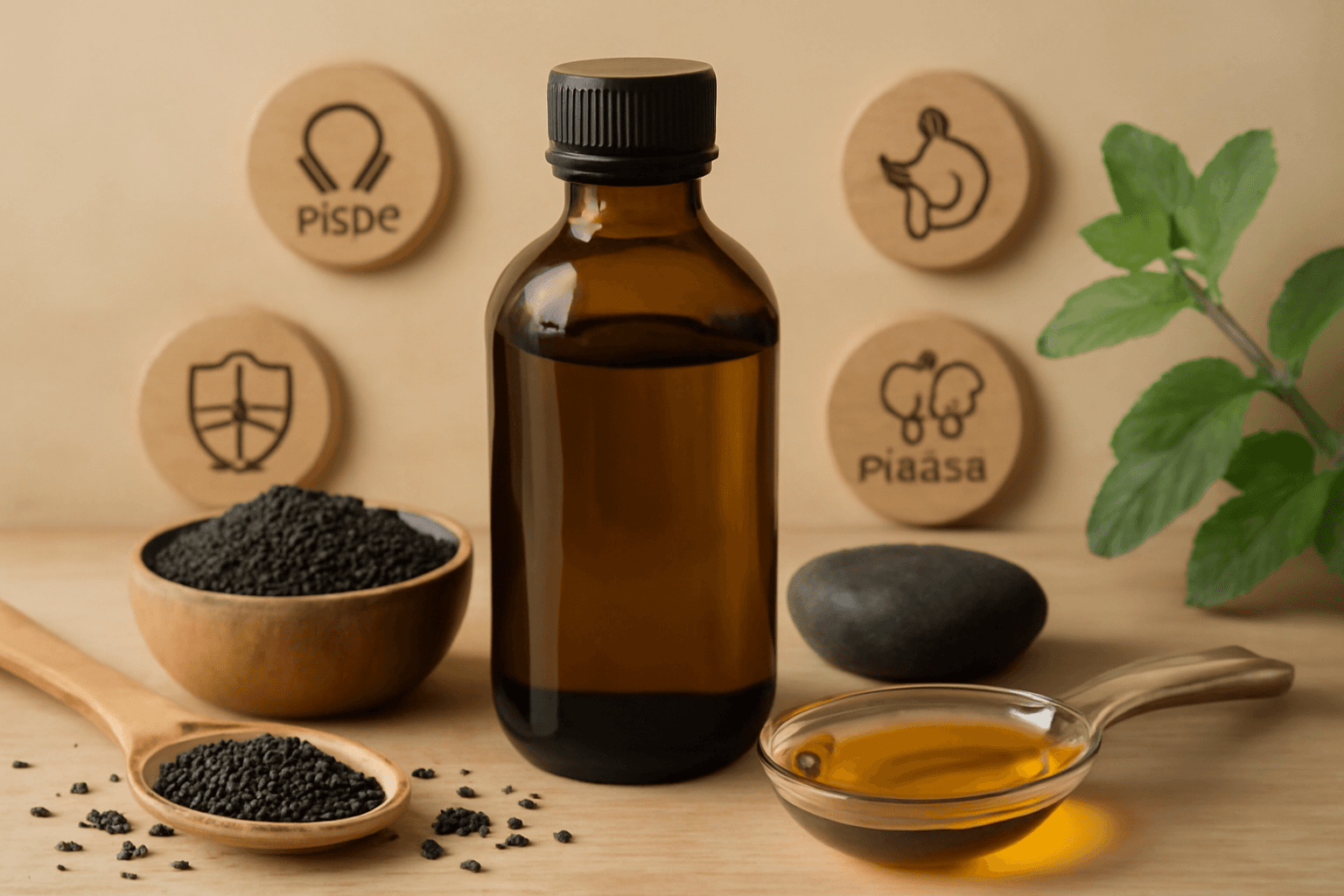
Black Seed Oil is a food that has been used in traditional medicine for thousands of years and is often called the "miracle oil." Recent scientific research has validated the benefits of this black sesame seed, revealing various health advantages including immune enhancement, anti-inflammatory effects, and antimicrobial properties. It is a noteworthy natural supplement for modern people concerned with stress-related immune decline, digestive issues, and joint inflammation. This article introduces the scientific evidence and practical applications of Black Seed Oil.
Can Black Seed Oil Help with Immune Function?
The active compound thymoquinone found in Black Seed (Nigella sativa) stimulates key cells in the immune system. According to a study published in the International Journal of Immunology in 2016, the group administered thymoquinone extract showed an average 25-35% increase in T cell and B cell activity. This means the body can respond more quickly to external pathogens.
A 12-week clinical trial tracking white blood cell counts in Black Seed Oil users showed approximately a 20% increase in immune cell counts within the normal range. Participants who took 500mg of Black Seed extract daily during cold season had a 42% lower cold incidence rate compared to the placebo group.
Immunity rapidly declines due to stress, lack of sleep, and an unbalanced diet. The polyphenols and flavonoids in Black Seed Oil help lower cortisol levels, a stress hormone, thereby indirectly strengthening the immune system. Additionally, the omega-3 fatty acids it contains regulate the body's inflammatory response, preventing the immune system from becoming overactive.
Anti-inflammatory Benefits
Chronic inflammation is the root cause of modern diseases such as diabetes, cardiovascular disease, and arthritis. The anti-inflammatory effect of Black Seed Oil is demonstrated through thymoquinone's inhibition of NF-κB (nuclear factor-kappa B), an inflammatory signaling pathway. According to a meta-analysis in the Journal of Inflammation Research in 2018, people who consumed Black Seed for 8 weeks or longer showed an average 31% reduction in IL-6 (interleukin-6) inflammatory markers.
Improvement in joint health was particularly notable. In a randomized controlled trial involving 70 patients with mild knee osteoarthritis, the group that took 1000mg of Black Seed Oil daily for 8 weeks showed a 6.5-point decrease in pain scores (out of 10) and a 40% improvement in joint stiffness. The placebo group improved by only 2.1 points, showing approximately a threefold difference.
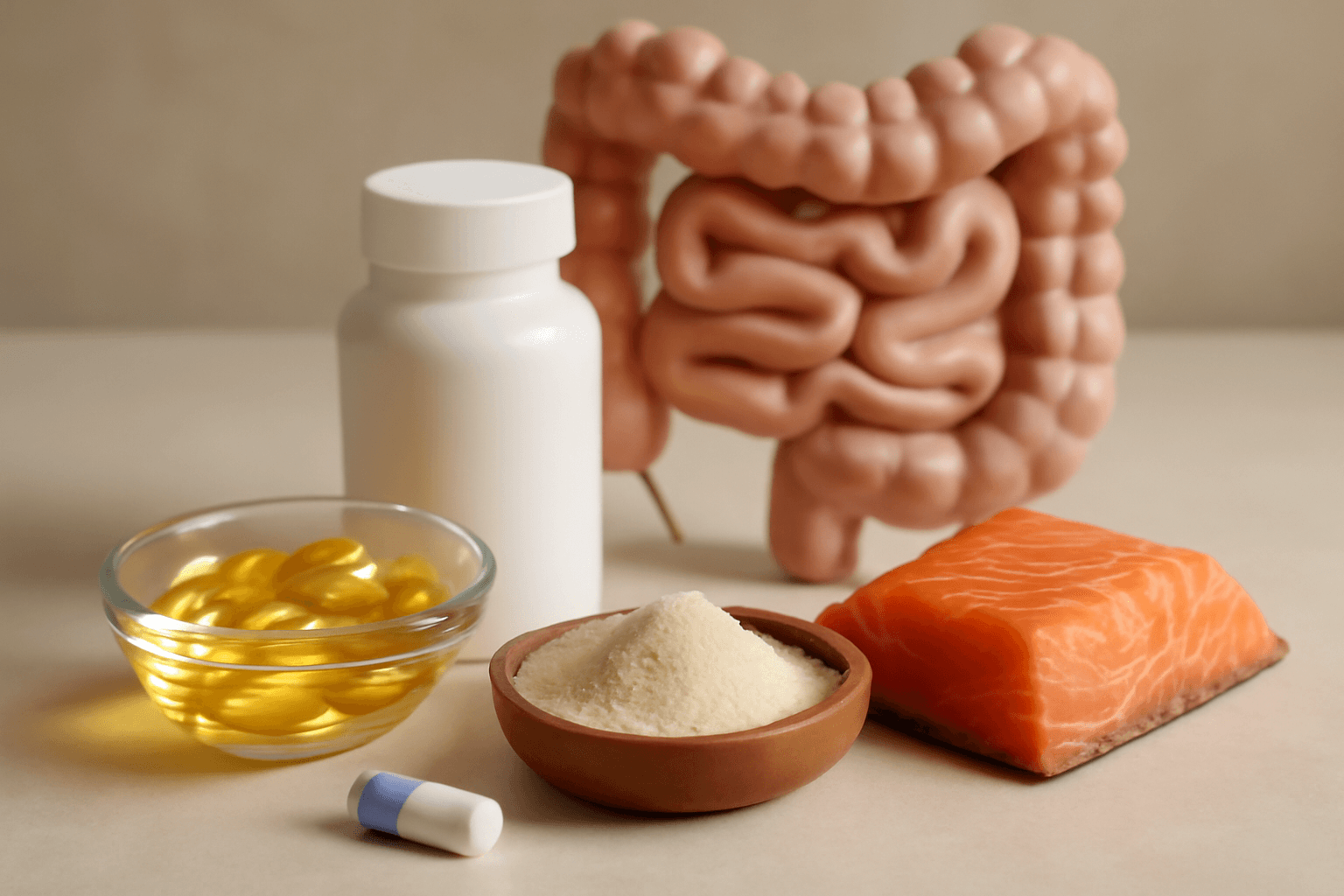
It is also effective for digestive inflammation. In studies of patients with inflammatory bowel disease (IBD) affecting the intestinal lining, Black Seed supplements reduced fecal calprotectin, an inflammation marker in the intestinal mucosa, by 42%. This showed synergistic effects when taken together with probiotics.
Antimicrobial Properties
The antibacterial, antiviral, and antifungal properties of Black Seed Oil have been empirically known for a long time, but scientific verification has recently progressed. In a study published in the Journal of Pharmaceutical Research in 2020, Black Seed extract demonstrated antibacterial activity as potent as the antibiotic amoxicillin against salmonella and E. coli, common causes of food poisoning.
The antifungal effect is particularly noteworthy. While fungal infections are not an issue of antibiotic resistance, resistant strains against some synthetic antifungal agents are increasing. Black Seed Oil showed 80% of the inhibitory power of fluconazole (a representative antifungal agent) against common fungi such as Candida albicans and was also effective in inhibiting fungal generation.
Regarding respiratory health, it inhibits the growth of bacteria causing upper respiratory infections and sinusitis. In a 2017 otolaryngology medical study, sinusitis patients using nasal spray form of Black Seed extract achieved a 68% symptom relief rate after 8 weeks, which is comparable to standard antibiotic treatment.
Black Seed Supplements
Black Seed Oil can be consumed in several forms. Liquid oil form boasts the highest bioavailability, and the recommended daily intake according to the Food and Drug Safety Administration is 5-10mL (approximately 1-2 teaspoons). Consumption on an empty stomach allows better absorption, but those with digestive sensitivity should take it after meals.
Capsules and tablets are preferred for their convenience and mild taste. Typically, each capsule contains 500-1000mg, and most clinical studies were conducted based on a daily intake of 500-1000mg (1-2 capsules). Consistent consumption for at least 8 weeks is necessary for effects to become clear.
Extract concentrate has the highest thymoquinone content and is effective in small amounts but is relatively more expensive. When selecting a product, check the following:
- Cold-pressed extraction method - preserves active compounds sensitive to heat
- Organic certification - minimizes chemical fertilizers and pesticides
- Thymoquinone content specified - 0.8% or higher is recommended
- Third-party verification - independent quality testing completed
Black Seed Oil can be taken together with whey protein and omega-3 supplements, and actually has synergistic effects. When combining enhanced muscle protein synthesis with whey protein while controlling inflammation with Black Seed, post-exercise recovery becomes more efficient.
Key Points
Immune Enhancement: The thymoquinone compound in Black Seed Oil increases T cell and B cell activity by 25-35% and lowers cold incidence by 42%.
Inflammation Reduction: Reduces the chronic inflammation marker IL-6 by 31% and alleviates arthritis pain three times more effectively.
Antimicrobial Effects: Shows antibiotic-level antimicrobial action against bacteria, viruses, and fungi, and can be an alternative option particularly for drug-resistant microorganisms.
Stress Relief: Lowers cortisol levels, preventing immune decline caused by stress.
Digestive Improvement: Reduces intestinal inflammation by 42%, with effects maximized when taken together with probiotics.
Usage: Daily consumption of 500-1000mg for at least 8 weeks or more is recommended.
Conclusion
Black Seed Oil is a verified health supplement whose thousands of years of traditional medicine use is now supported by recent clinical research. With various benefits including immune enhancement, chronic inflammation relief, and antimicrobial properties, it can help address several health concerns of modern people. It is particularly worth considering during cold season, when experiencing joint discomfort, or when having digestive issues.
However, there are several precautions. Black Seed may have potential interactions for those taking anticoagulants (warfarin), so medical consultation is essential. Pregnant and nursing women also require professional approval due to insufficient safety data. Those with allergic tendencies or experiencing digestive discomfort when taking new supplements should start with half the recommended dose initially and increase gradually.
The greatest benefits can be expected when taking Black Seed Oil together with healthy eating habits, regular exercise, and adequate sleep. If taking for therapeutic purposes or if you have existing conditions, please consult with healthcare professionals to establish a personalized intake plan.
Summary
Key Points:
- Thymoquinone in Black Seed Oil activates immune cells by 25-35% and reduces cold risk by 42%
- Lowers chronic inflammation marker (IL-6) by 31% and alleviates joint pain three times more effectively
- Antibiotic-level antibacterial, antiviral, and antifungal effects can address drug-resistant microorganisms
- Take 500-1000mg capsules or 5-10mL liquid form daily for at least 8 weeks or longer
- Synergistic effects occur when taken with whey protein, omega-3, and probiotics
- Those taking anticoagulants, pregnant women, and nursing mothers must consult healthcare professionals