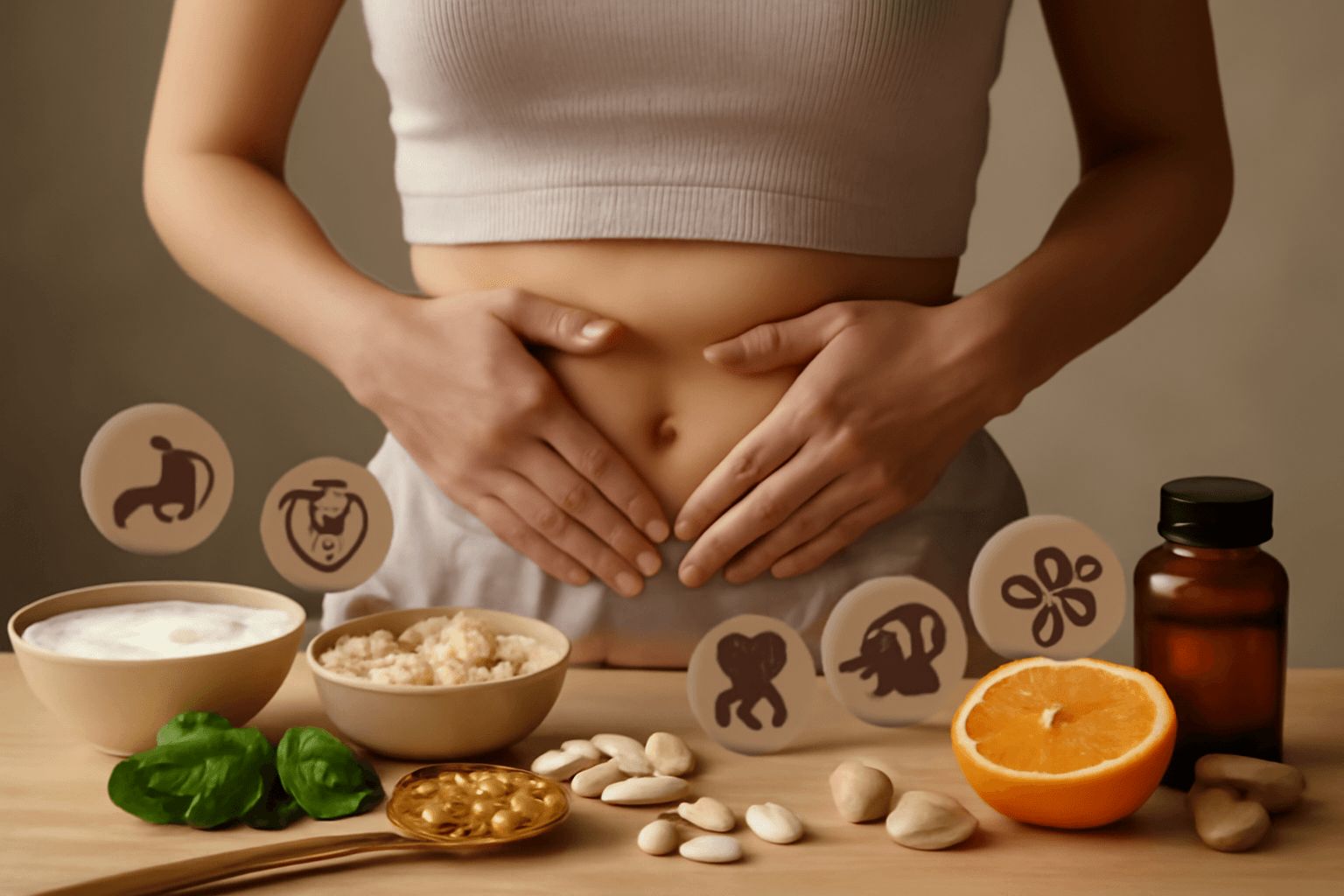
Abdominal bloating is a common digestive discomfort experienced by modern people. Many people attribute it simply to gas, but in reality, various factors come into play including hormonal changes, stress, dietary habits, and lactose intolerance. This article clarifies the causes of abdominal bloating and introduces scientifically-backed nutrients and foods such as probiotics, omega-3, and calcium to alleviate symptoms.
What is Abdominal Bloating?
Abdominal bloating is a state in which the abdomen feels tight and uncomfortable, appearing swollen without actual weight gain. In most cases, symptoms are temporary, but when they occur chronically, they significantly impact quality of life. People experiencing abdominal bloating complain of tight clothing, pressure in the abdomen, and increased gas discharge along with digestive discomfort.
Interestingly, the objectively measured increase in abdominal circumference does not necessarily match the subjective degree of bloating felt. This suggests there may be an issue with neural signal processing called visceral hypersensitivity. In other words, abdominal bloating is not merely a result of increased physical volume, but rather a consequence of complex interactions between the nervous system, digestive organs, and hormonal systems.
Causes of Abdominal Bloating Beyond Excessive Gas
Stress and anxiety are major causes of abdominal bloating. Through the neural pathway known as the gut-brain axis, increased cortisol, a stress hormone, reduces intestinal motility and worsens digestive function. When stressed, people automatically engage in shallow breathing, causing abdominal muscles to tense, which compounds bloating.
Hormonal changes, particularly the cyclical fluctuations of estrogen and progesterone, trigger pre-menstrual bloating in women. When progesterone levels rise after ovulation, intestinal peristalsis slows down, and simultaneously increased aldosterone secretion leads to greater water and sodium retention.
Lack of digestive enzymes and intestinal microbiota imbalance (dysbiosis) are also major causes of bloating. When beneficial bacteria decrease and harmful bacteria proliferate, they generate excessive gas during food fermentation. Additionally, when undigested food reaches the colon, bacteria break it down releasing hydrogen, methane, and carbon dioxide.
Increased intestinal permeability (leaky gut) occurs when tight junctions in the intestinal wall loosen, allowing unprocessed food particles and bacteria to enter the bloodstream. This triggers immune responses that deepen gastrointestinal inflammation. Gluten, highly processed foods, and excessive alcohol consumption are major factors that increase intestinal permeability.
Foods That Help Alleviate Abdominal Bloating
Fresh ginger is one of the most effective foods for alleviating abdominal bloating. Gingerol, a compound found in ginger, promotes contraction of smooth muscles in the intestines, shortening food transit time. According to research, ginger consumption reduces gastric emptying time by approximately 25% and significantly decreases abdominal discomfort. Taking 1-2 grams of ginger daily (about 1 cm slice of fresh ginger) 30 minutes before meals is effective.
Fermented foods restore the intestinal microbiota ecosystem. Fermented foods such as kimchi, miso, yogurt, and kefir are natural sources of probiotics. They increase beneficial bacteria populations, inhibit harmful bacteria growth, and produce short-chain fatty acids like butyrate, which serve as an energy source for intestinal epithelial cells.
Cruciferous vegetables (broccoli, cabbage, cauliflower) can cause bloating, but when properly cooked, they improve digestion. Lightly cooked vegetables have reduced FODMAP (fermentable oligosaccharides, disaccharides, monosaccharides, and polyols) content. These vegetables strengthen intestinal immunity with antioxidants like sulforaphane and fiber.
Fatty fish (salmon, mackerel, sardines) are abundant sources of omega-3 fatty acids. Omega-3 reduces inflammation in the intestinal mucosa and strengthens the integrity of the intestinal barrier. Consuming fish 2-3 times weekly is recommended.
Fiber foods should be increased gradually. Rapid fiber increases can actually worsen bloating. Soluble dietary fiber (oats, apples, carrots) gently improves the intestinal environment, while insoluble dietary fiber (grain husks, nuts) promotes intestinal motility. Daily fiber intake should be gradually increased to 25-30 grams over 2-3 weeks.
The Effect of Stomach Acid on Abdominal Bloating
Both acid reflux and low stomach acid (hypochlorhydria) can cause abdominal bloating. When stomach acid is insufficient, proteins are not completely broken down, making it difficult for them to react with digestive enzymes in the small intestine. Undigested proteins eventually reach the colon, promoting bacterial fermentation and increasing gas production.
In particular, stomach acid secretion decreases with aging, stomach lining damage, and use of certain medications (proton pump inhibitors, H2 blockers). In these cases, drinking warm water with a pinch of salt and lemon juice before meals, or consuming 1-2 tablespoons of apple cider vinegar diluted in water can stimulate stomach acid secretion.
Conversely, excessive stomach acid causes bloating in the small intestine. In this case, avoid irritating foods (high fat, high caffeine, chocolate, mint), eat small meals frequently, and avoid eating 2-3 hours before bedtime. Alkaline foods (green vegetables, avocado, banana) help neutralize stomach acid.
Additionally, adequate calcium intake supports digestive function. Calcium plays an important role in regulating stomach acid secretion and promoting intestinal peristalsis. Consuming 1000-1200mg of calcium daily through anchovy, broccoli, yogurt, and similar foods stabilizes the entire digestive system.
Alleviating Abdominal Bloating from Lactose Intolerance
Lactose intolerance occurs due to insufficient lactase (lactose-digesting enzyme) in the small intestine. Approximately 65% of the world's population experiences lactose intolerance after adulthood, and over 90% of East Asian populations are affected. With lactose intolerance, abdominal bloating, cramping, diarrhea, and gas occur within 30 minutes to 2 hours after consuming dairy products.
The key to managing lactose intolerance is identifying your personal tolerance level. Rather than complete avoidance, start with small amounts and find your threshold. Yogurt and cheese have lactose broken down during fermentation, so many people digest them well. Similarly, lactose-free milk or plant-based milk (soy milk, oat milk, almond milk) can be substituted.
For those with lactose intolerance, probiotic consumption is particularly helpful. Probiotics, especially Lactobacillus and Bifidobacterium species, aid lactose digestion and improve the intestinal environment. Additionally, consuming dairy products with other foods slows digestion speed, alleviating symptoms. For example, eating cheese with whole grain bread is better than consuming it alone.
Calcium substitute nutrients are important. When limiting dairy products, adequate calcium intake is essential. Calcium can be obtained from foods like sesame seeds, anchovies, broccoli, and kale, or calcium supplements (1000-1200mg daily) can be used if necessary. Calcium supplements extend small intestine transit time, improving absorption of other nutrients as well.
Alleviating Abdominal Bloating from Menstruation
Abdominal bloating experienced during premenstrual syndrome (PMS) is a natural result of hormonal changes. As progesterone increases after ovulation, intestinal peristalsis slows down, and simultaneously increased estrogen raises vascular permeability, intensifying water retention. Additionally, increased aldosterone secretion reabsorbs sodium and water, worsening abdominal bloating.
Magnesium supplementation is very effective for alleviating pre-menstrual bloating. Taking 200-400mg of magnesium daily for 2 weeks before menstruation is recommended. Magnesium promotes relaxation of intestinal smooth muscles and helps stabilize hormone levels. Pumpkin seeds, almonds, spinach, and dark chocolate are good food sources.
Vitamin B6 (pyridoxine) regulates progesterone metabolism, alleviating hormonal fluctuations. Taking 50-100mg daily for 2 weeks before menstruation improves bloating and other PMS symptoms. It is abundant in chicken, chickpeas, bananas, and avocado.
Sodium restriction is also important. Reducing salt intake for 2 weeks before menstruation decreases water retention and alleviates bloating. Reduce consumption of processed foods, instant noodles, and salty snacks, and eat fresh foods instead. Consuming more potassium-rich foods (bananas, carrots, spinach) restores sodium-potassium balance.
Among nutritional supplements, whey protein is also helpful. Whey protein is quickly digested and contains inflammation-reducing compounds that alleviate hormone-induced intestinal inflammation. Consuming 20-30g of whey protein daily during the pre-menstrual period can improve abdominal discomfort.
Exercise during menstruation also alleviates bloating. Light aerobic exercise (walking, swimming) and yoga promote intestinal motility, reduce stress hormones, and ease muscle tension.
Summary
Abdominal bloating results from complex interactions of various causes including excessive gas, hormonal changes, stress, lack of digestive enzymes, and intestinal microbiota imbalance. Tailored solutions are needed depending on the cause.
Key recommendations:
- Consume digestion-friendly foods such as ginger, fermented foods, and fatty fish
- Improve intestinal microbiota ecosystem with probiotics and dietary fiber
- Maintain appropriate stomach acid levels and ensure sufficient calcium and magnesium intake
- For those with lactose intolerance, choose lactose-free products or alternative foods
- For women, supplement magnesium and vitamin B6 before menstruation and restrict sodium
- Stabilize the nervous system-gut axis through stress management and regular exercise
If abdominal bloating persists for more than 2 weeks, or is accompanied by severe pain, weight changes, or bloody stools, seek medical attention immediately. More serious conditions such as irritable bowel syndrome (IBS), small intestinal bacterial overgrowth (SIBO), or inflammatory bowel disease may be the cause. In particular, consult with a healthcare professional before starting new supplements or making dietary changes. An individualized treatment plan considering your health status, current medications, and allergies is most effective.