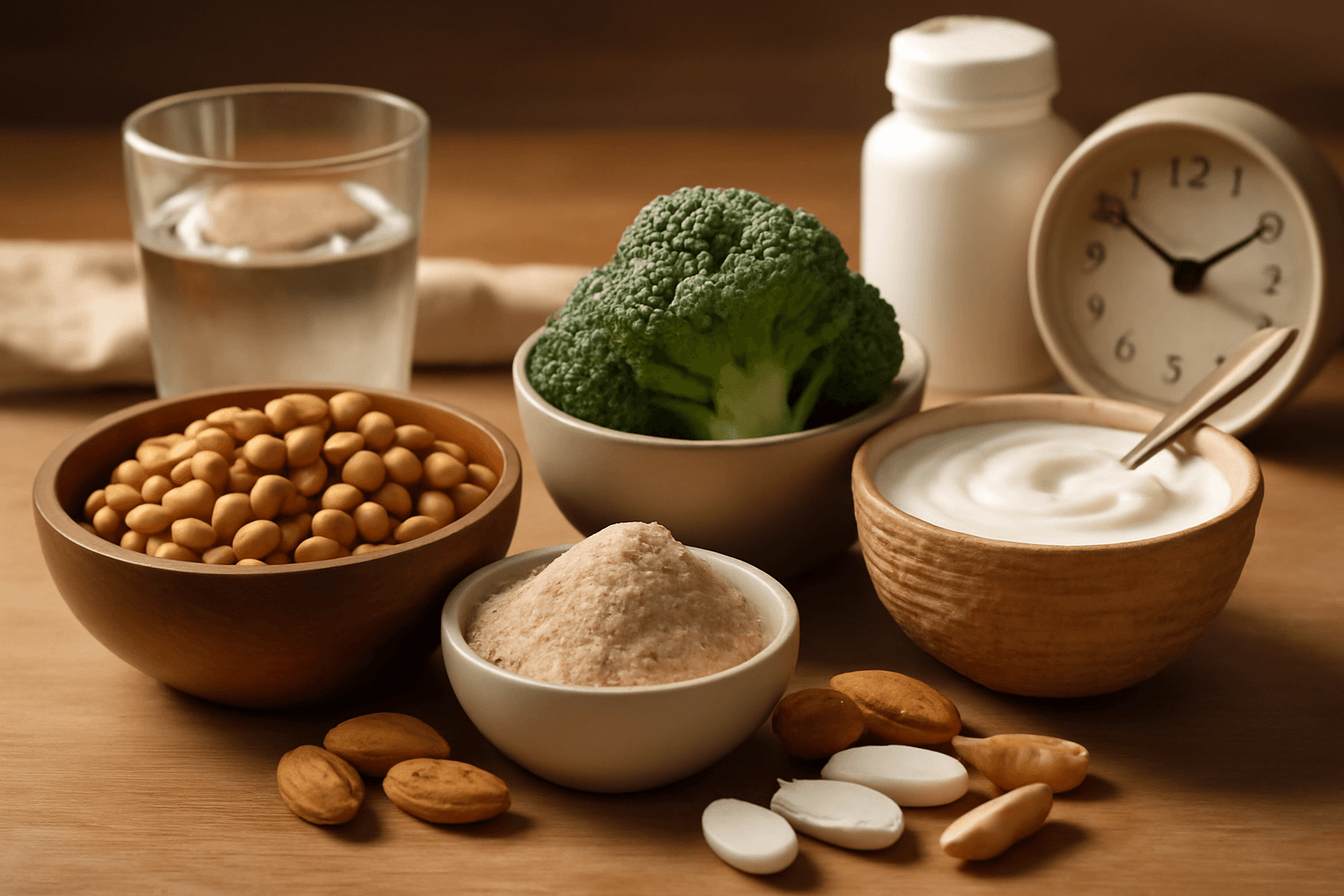
Milk protein is divided into two main categories: whey protein and casein protein. These two proteins show distinct differences in digestion speed, amino acid composition, and muscle growth efficiency. If you want fast recovery after exercise, whey protein is advantageous, and if you need sustained energy supply over a long period, casein protein is effective. This article will present the characteristics of each protein and optimal timing for consumption with scientific evidence, helping you make choices aligned with your personal health goals.
What are Whey Protein and Casein Protein?
Whey protein and casein protein are both high-quality proteins extracted from milk. Approximately 3.3% of milk is composed of protein, of which about 20% is whey and 80% is casein. Both proteins are complete proteins (containing all 9 essential amino acids), but their molecular structure and digestion mechanisms are completely different.
Whey is the water-soluble liquid portion separated when cheese is made from milk. Casein, on the other hand, is a protein that coagulates in acid and is a main component of cheese. This physical difference directly affects the absorption rate in the body and duration of action. Understanding both proteins is essential for establishing an optimal nutritional strategy tailored to your individual exercise routine and lifestyle patterns.
Whey Protein
Whey protein is measured with a Biological Value (BV) of 104, the highest score among indicators measuring protein quality. Its absorption speed is very fast, reaching peak blood amino acid concentration within 30 minutes of consumption. Due to this characteristic, it is most effective at promoting muscle protein synthesis immediately after exercise.
Whey protein is rich in leucine, a branched-chain amino acid that directly stimulates muscle growth by activating the mTOR signaling pathway. Research shows that consuming 20-40g of whey protein after exercise increases myoprotein synthesis approximately 122% more than casein. Additionally, lactoferrin and immunoglobulin A found in whey contribute to enhanced immune function.
The disadvantage of whey protein is its short duration due to rapid absorption. Amino acids are metabolized within approximately 1-2 hours, making it insufficient when long-term muscle protection is needed. Additionally, people with lactose intolerance should choose isolated or hydrolyzed whey protein instead of concentrate whey products.
Casein Protein
Casein protein is digested slowly as it coagulates in stomach acid. After consumption, it is gradually absorbed over approximately 7-8 hours in the stomach, effectively suppressing muscle breakdown through sustained amino acid supply. Its biological value is 77, lower than whey, but it is characterized by consistent amino acid release over time.
Casein is particularly useful in preventing muscle protein breakdown during sleep. Research shows that consuming 30g of casein 2 hours before bedtime reduces nighttime muscle loss by approximately 8-10%. It also maintains satiety longer, making it effective for appetite control during dieting. Casein slowly raises blood glucose levels, enabling stable energy supply.
The disadvantage of casein is that it is not the optimal choice immediately after exercise when rapid muscle growth is needed. Additionally, because casein itself has a long digestion time, some may experience digestive discomfort or abdominal discomfort. Individual lactose intolerance or casein sensitivity may exist, so checking your constitution before consumption is necessary.
Which One is Better?
There is no "better" protein. Instead, the optimal choice varies depending on your purpose. If you want fast muscle recovery immediately after strength training, whey protein is superior. According to a 2020 International Society of Sports Nutrition study, whey protein promotes myoprotein synthesis more efficiently within 24 hours after resistance exercise compared to casein.
On the other hand, if your goals are nighttime muscle protection, sustained satiety, and suppression of stress hormones (cortisol), casein is more appropriate. Casein's slow digestion provides regular amino acid supply, reducing muscle loss in stressful situations and stabilizing your body's recovery process. For maximum results, a strategy of using both proteins in combination according to the situation is most effective.
If your goal is high exercise volume and intensive muscle growth, we recommend using whey protein during the week and consuming casein in the evening meal or before sleep. This strategy optimizes 24-hour myoprotein synthesis and simultaneously achieves both recovery and growth goals.
Digestion Speed
The difference in digestion speed is the most fundamental characteristic difference between the two proteins. Whey protein has a steep and high blood amino acid concentration curve due to rapid digestion. It reaches peak concentration approximately 30-60 minutes after consumption, with most absorbed within 2 hours. This characteristic is advantageous for maximizing the "golden window" of approximately 2 hours after exercise known as the "window" for muscle protein synthesis.
Casein shows a completely different digestion pattern. It coagulates in the stomach's acidic environment and is slowly broken down by the pepsin enzyme. Blood amino acid concentration rises gradually over approximately 3-7 hours and continues for over 8 hours. This means amino acid supply in a manner of "slowly leaking from a water reservoir" rather than "from a flowing faucet."
From the perspective of actual muscle tissue, both the level of amino acid concentration and duration are equally important for muscle protein synthesis. Casein's slow absorption more effectively prevents muscle breakdown, while whey's rapid absorption promotes concentrated protein synthesis in the short term. Factors affecting digestion speed include stomach volume, individual digestive enzyme activity, and the amount of fat and carbohydrates included in meals.
Best Times to Consume Protein
Immediately after exercise (0-2 hours) is the optimal time to consume whey protein. 20-40g of whey after resistance exercise increases myoprotein synthesis for up to 48 hours. Fast amino acid supply is essential for repairing muscle fibers damaged by exercise. Particularly, consumption after morning or evening exercise promotes metabolic activity throughout the day.
Breakfast is also a good time to consume whey protein. It replenishes muscle loss during nighttime sleep and provides energy and satiety for starting your day. Consuming 20-30g of whey protein with carbohydrates in the morning activates metabolism throughout the morning and enhances cognitive function.
Before bed (1-2 hours before sleep) is the optimal time to consume casein protein. 30-40g of casein suppresses nighttime muscle breakdown and improves morning strength. Particularly for athletes undergoing high-intensity training, evening casein consumption accelerates recovery. As an additional benefit, casein's high tryptophan content, a precursor to melatonin, can improve sleep quality.
Between-meal snacks can be chosen depending on the situation. During afternoon energy dips around 3-4pm, casein or Greek yogurt that provides lasting satiety is good. Conversely, whey is suitable as a pre-workout snack 2 hours before exercise for rapid energy supply. However, within 1 hour before exercise, solid foods like bananas or nuts are better than protein drinks to avoid digestive discomfort.
From a stress management perspective, casein consumption is beneficial during the late afternoon and evening when cortisol, a stress hormone, is elevated. Casein's sustained amino acid supply prevents protein breakdown, protecting against muscle loss from stress. A consistent consumption pattern stabilizes hormone levels and enhances your body's recovery capacity.
Conclusion
Whey protein and casein protein are both excellent protein sources with unique advantages. Whey promotes muscle growth after exercise through rapid absorption, while casein prevents muscle loss through sustained amino acid supply. Strategic consumption tailored to the situation is essential for optimal results.
Key Summary:
- Whey protein: Consume immediately after exercise (0-2 hours) and at breakfast. Suitable for fast muscle growth goals. Recommended 20-40g daily.
- Casein protein: Consume at dinner and before bed (1-2 hours before sleep). Effective for preventing muscle loss and nighttime recovery. Recommended 30-40g daily.
- Combined strategy: If exercise frequency is high, a combination of whey during the week + evening casein is optimal. Maximizes 24-hour myoprotein synthesis.
- Individual differences: Responses vary based on digestive ability, lactose intolerance, and goals, so determine the optimal approach after a 4-week trial period.
- Daily protein goal: Consume 1.6-2.0g of protein per kilogram of body weight. Since whey and casein alone cannot meet all requirements, combine with eggs, meat, and plant-based proteins.
Medical Notice: If you have kidney disease, liver disease, milk allergies, or any special health conditions, be sure to consult with a healthcare professional before using protein supplements. Excessive protein intake in particular can strain the kidneys in certain health conditions.