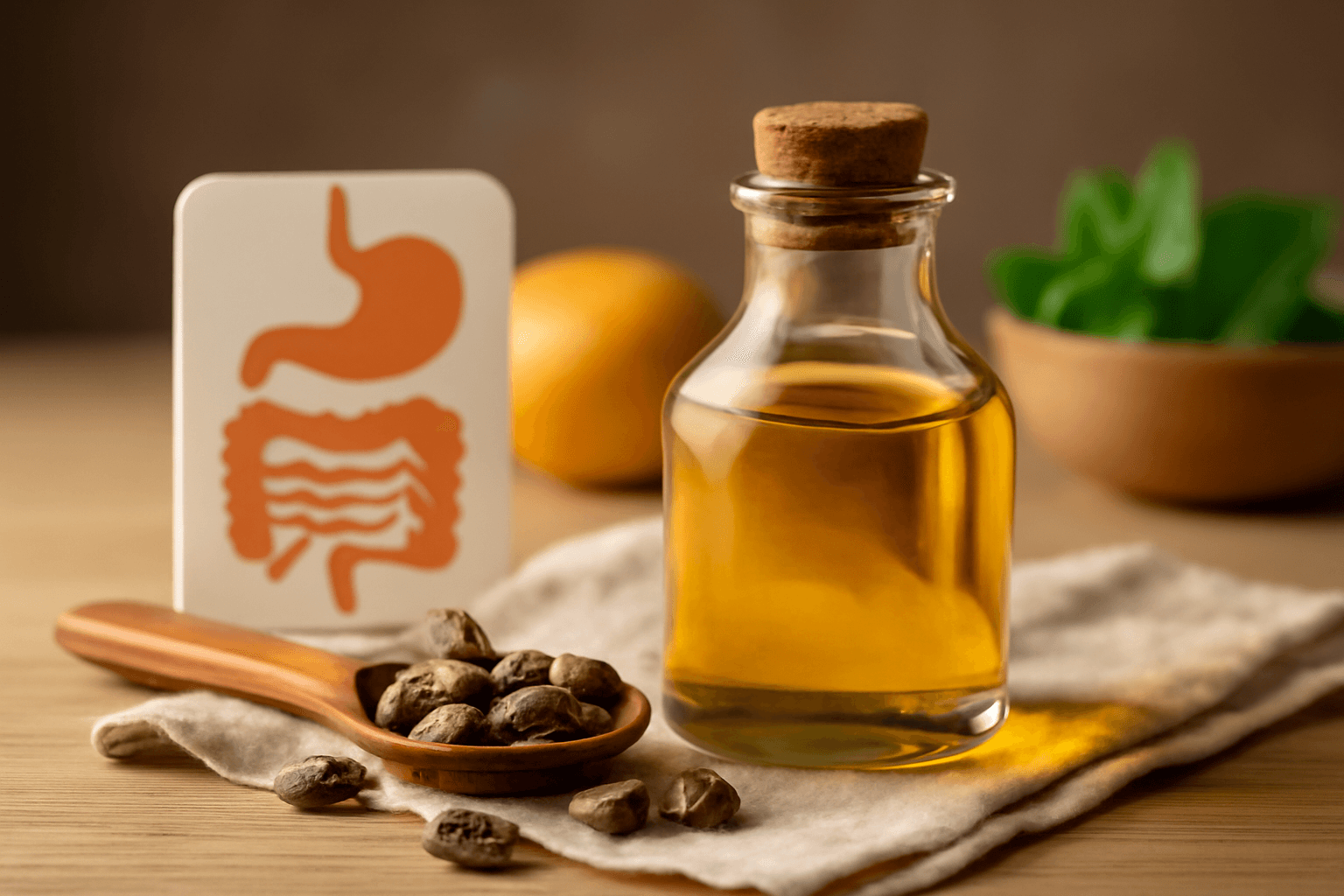
Castor oil is a plant-based oil extracted from the seeds of the castor plant, a natural remedy that has been used in traditional medicine for thousands of years. Due to its unique chemical composition and anti-inflammatory properties, it is used today to achieve various health goals including improved digestive health, enhanced immunity, relieved joint pain, and balanced hormones. This article will explain the real benefits of castor oil, the correct methods of use, and important precautions in detail.
What is Castor Oil?
Castor oil is a golden liquid obtained by cold-pressing seeds from the castor plant (Ricinus communis), native to Africa. It contains oleic acid and linoleic acid as primary fatty acids, as well as ricinoleic acid, and these components are responsible for anti-inflammatory and antibacterial action.
Castor oil has small molecular size, providing excellent skin penetration, and has a powerful effect of stimulating intestinal movement. It has long been prescribed in Ayurvedic medicine and traditional Chinese medicine as a digestive promoter and detoxifying agent, and modern science presents research results that support many of these traditional uses.
When purchasing castor oil on the market, it is best to choose cold-pressed organic products. They have higher nutritional value and efficacy than products extracted with chemical solvents or heat-treated products. Pure castor oil is suitable for both ingestion and topical use, but you should check the product label to select one appropriate for your intended use.
Benefits of Castor Oil
Digestive Health and Bowel Cleansing
The most well-known benefit of castor oil is its action as a natural laxative. The ricinoleic acid component stimulates peristaltic movement in the small and large intestines, promoting bowel movements. According to research published in medical journals, castor oil ingestion showed a tendency for natural bowel movements to occur within 12 to 18 hours after consumption.
When the bowel is constipated, an appropriate amount of castor oil (5 to 15ml for adults) helps remove toxins and metabolic waste, and improves the intestinal microbiota environment. Regular bowel movements also lead to enhanced immunity, as this prevents waste accumulating in the intestines from becoming a breeding ground for pathogenic bacteria.
Reduced Inflammation and Pain Relief
Oleic acid and palmitic acid contained in castor oil exert powerful anti-inflammatory effects. Topical application is particularly effective for patients suffering from arthritis, rheumatic pain, and muscle cramps. The active components absorbed through the skin suppress the production of inflammatory cytokines and reduce pain signals.
Applying a castor oil pack to the abdomen can even relieve inflammation of internal organs. Many women experiencing menstrual cramps, stomach cramps, and digestive discomfort reported symptom relief by applying oil packs to the abdomen three to five days before menstruation.
Hormone Balance and Menstrual Health
The anti-inflammatory properties of castor oil improve blood circulation to the uterus and ovaries, normalizing the function of hormone-secreting organs. Clinical reports indicate that it helps with irregular menstrual cycles, amenorrhea, and pain relief from endometriosis.
Regular application of castor oil packs to the lower abdomen can improve the hormonal signaling system through increased blood flow to the ovaries and uterus. Symptoms of premenstrual syndrome (PMS) such as breast tenderness, mood changes, and fatigue also show a tendency to decrease.
Stress Reduction and Nervous System Calming
Applying castor oil to the skin in massage form has a calming effect on the central nervous system. Gently rubbing and applying it around the head, neck, and spine can relieve nerve tension and promote sound sleep. Electrolyte balance is restored and neurotransmitter normalization reduces anxiety and excessive arousal.
Enhanced Energy Levels and Immunity
Regular castor oil use increases nutrient absorption through improved digestion and raises the efficiency of the body's energy metabolism by removing toxins. It also promotes the growth of beneficial bacteria in the intestines, strengthening gut-brain axis function, which directly improves immune system response.
Castor Oil Supplements vs. Topical Castor Oil
Oral Ingestion Method
When castor oil is consumed directly, the effect is immediate but powerful. The typical dosage for adults is 5 to 15ml, and consumption is recommended after dinner and before bedtime. This is because bowel movement occurs approximately 8 to 12 hours later, so the effect appears during the night.
Castor oil in capsule form is an alternative for those who dislike liquid consumption. Capsules are typically sold in 500mg to 1000mg doses, and while they work more slowly than liquid form, they are flavorless, making compliance higher. However, capsules take longer to fully dissolve in the stomach.
Long-term oral ingestion is not recommended. Regular use can create dependency in the intestinal nervous system and may cause electrolyte imbalances. Medical professionals recommend intermittent use of one to two times per week.
Topical Application Method
A castor oil pack is the most effective form of topical application. Apply castor oil to a paper towel or gauze and place it on a specific area (usually the liver, uterus, or joints), wrap it with plastic wrap, and apply warmth. This method maximizes skin absorption and improves drug delivery efficiency.
Unlike oral ingestion, topical application can be used safely for extended periods. Using a castor oil pack three to four times per week for 40 to 60 minutes has almost no side effects. In particular, abdominal application is effective for liver detoxification, digestive improvement, and hormone balance adjustment, while joint application helps with pain relief and increased range of motion.
Which Method Should You Choose?
If you need acute constipation relief or rapid detoxification effects, oral ingestion is suitable. On the other hand, if you want to improve chronic issues such as inflammation, hormone imbalances, or joint pain, topical application is more effective. Ideally, you can combine both methods. One approach is to do one to two monthly oral intakes to cleanse the intestines, followed by three times weekly topical application to maintain sustained anti-inflammatory effects.
How to Use Castor Oil Topically
Basic Castor Oil Pack Preparation
Materials needed: Cold-pressed organic castor oil (30 to 50ml), wool or cotton gauze, plastic wrap, heating pad or heat pack, towel
Preparation step: Prepare a clean piece of wool cloth or gauze and saturate it with castor oil. Maintain an appropriate saturation level where the cloth is still moist but the oil does not drip. Place the cloth on the area that will directly contact the skin, and cover it with plastic wrap to maximize oil absorption and prevent clothing stains.
Application step: Place a warm heat pack at 40 to 50°C on top of the oil pack. Heat promotes skin penetration and increases blood circulation. Rest in a lying position for 40 to 60 minutes. If using for the first time, start with 30 minutes, observe the body's reaction, then gradually increase the duration.
Finishing step: Remove the oil pack and wash the skin with warm water and mild soap. Dry completely before putting on clothing. The oil pack can be reused multiple times, so store it in the refrigerator and rewarm it for the next use.
Application Methods by Area
Liver and abdominal detoxification: Apply the oil pack to the right upper abdomen (below the right side of the rib cage). Since the liver is a major detoxification organ in the body, application to this area promotes removal of metabolic waste. A recommended pattern is application three weeks in a row one to two times per month, followed by one week of rest.
Uterine and hormonal health: Apply to the lower abdomen (15 to 20cm below the navel) to increase blood flow to the uterus and ovaries. Applying three times per week from two weeks before menstruation until three days before menstrual onset significantly reduces menstrual cramps and PMS symptoms.
Joint and muscle pain: Apply directly to painful joints (knees, wrists, ankles) or stiff muscle areas. Improved blood circulation in the inflamed area reduces pain and improves mobility. Daily or every other day use is acceptable.
Spine and nervous system: Applying along the spine from the neck to the lower back calms the nervous system and relieves stress-related muscle tension. If you experience insomnia or nervousness, applying one hour before bedtime promotes deep sleep.
Optimal Frequency and Duration of Use
For acute symptoms (severe joint pain, strong menstrual cramps), apply daily or every other day for 40 to 60 minutes. Symptoms typically improve significantly within three to five days. For chronic improvement goals, applying three times per week (Monday, Wednesday, Friday) for a minimum of 12 weeks is effective.
To maintain results, weekly maintenance application throughout the year is recommended. This supports sustained hormone balance, digestive health, and immunity. Many users report increased energy levels, improved skin condition, and enhanced emotional stability after three months of continuous use.
Safety and Precautions
Side Effects and Contraindications
While castor oil is generally safe, it should be avoided in certain situations. Pregnant women must absolutely avoid oral ingestion. Castor oil stimulates uterine contractions and increases miscarriage risk. However, topical application (excluding the abdomen) may be possible with consultation.
People with inflammatory bowel disease (Crohn's disease, ulcerative colitis) should also avoid oral ingestion. Powerful peristalsis stimulation can worsen inflammation. The same applies to patients after emergency abdominal surgery.
Allergic reactions are rare but possible. When using for the first time, apply a small amount of oil to the inner forearm and observe for 24 hours to check for rashes, itching, or swelling. For those with sensitive skin, dilute pure castor oil 1:1 with coconut oil or almond oil.
Drug interactions: Castor oil can interfere with the absorption of certain medications, so consultation with a doctor is necessary if you are taking prescription drugs. Seek medical professional approval especially if taking hormonal contraceptives, anticoagulants, or cardiac drugs.
Side Effects and Symptoms of Overuse
Possible side effects from oral ingestion include cramping abdominal pain, diarrhea, nausea, and mild dizziness. These symptoms are usually mild and disappear within a few days. However, if they persist or worsen after several days, seek immediate medical attention.
Topical oil pack application has almost no side effects. Contact dermatitis may rarely occur, which can be resolved by diluting the oil or shortening application time. There is a risk of burns when heat is applied, so always check that the heat pack temperature is not too high (do not exceed 50°C).
When Medical Professional Consultation is Necessary
Consult with a doctor or naturopathic doctor (ND) before using castor oil in the following situations:
- When pregnant or breastfeeding
- When you have chronic diseases (heart disease, kidney disease, liver disease)
- When you are taking regular medication
- When you have recently had abdominal surgery
- When you have been diagnosed with inflammatory bowel disease
- When you have a known castor oil allergy
Criteria for Selecting High-Quality Castor Oil
Not all castor oil products sold on the market have the same quality. Choose products labeled as cold-pressed. Heat processing destroys nutritious components.
Verify organic certification. Chemical fertilizers or pesticide residues used in castor cultivation may be included in the product. It is recommended to choose glass bottle packaging. Plastic can allow chemicals to seep into the oil during long-term storage.
Check product reviews and manufacturer information. Reputable manufacturers disclose ingredient analysis results (COA) and sell products that pass third-party testing. Products that are excessively inexpensive are likely to contain impurities.
Summary
Castor oil is a validated natural remedy that provides various health benefits including improved digestion, detoxification, reduced inflammation, and hormone balance regulation. Key benefits are its powerful anti-inflammatory action and intestinal stimulation effect, which enhance the body's natural healing ability.
Method selection: Choose oral ingestion (5 to 15ml) if you need acute constipation relief or rapid detoxification, and use topical oil packs (three times per week, 40 to 60 minutes) if you want to improve chronic inflammation or hormonal issues.
Practical application tips: Always perform a skin patch test (24-hour observation) on first use, purchase pure cold-pressed organic products, and apply heat to areas excluding the abdomen to maximize effectiveness.
Safety precautions: Oral ingestion is prohibited during pregnancy, oral ingestion is prohibited for patients with inflammatory bowel disease, and doctor consultation is essential when taking medications.
Expected results: With three to twelve weeks of regular use, you can experience increased energy, improved skin, normalized menstrual cycles, improved joint mobility, and reduced stress.
Castor oil should be utilized as part of a comprehensive health management plan rather than a replacement for supplements or medications. Effectiveness is maximized when combined with regular exercise, a balanced diet, and sufficient sleep for sustained health improvement. If you have chronic diseases or are taking medications, be sure to seek medical professional guidance before using castor oil.

