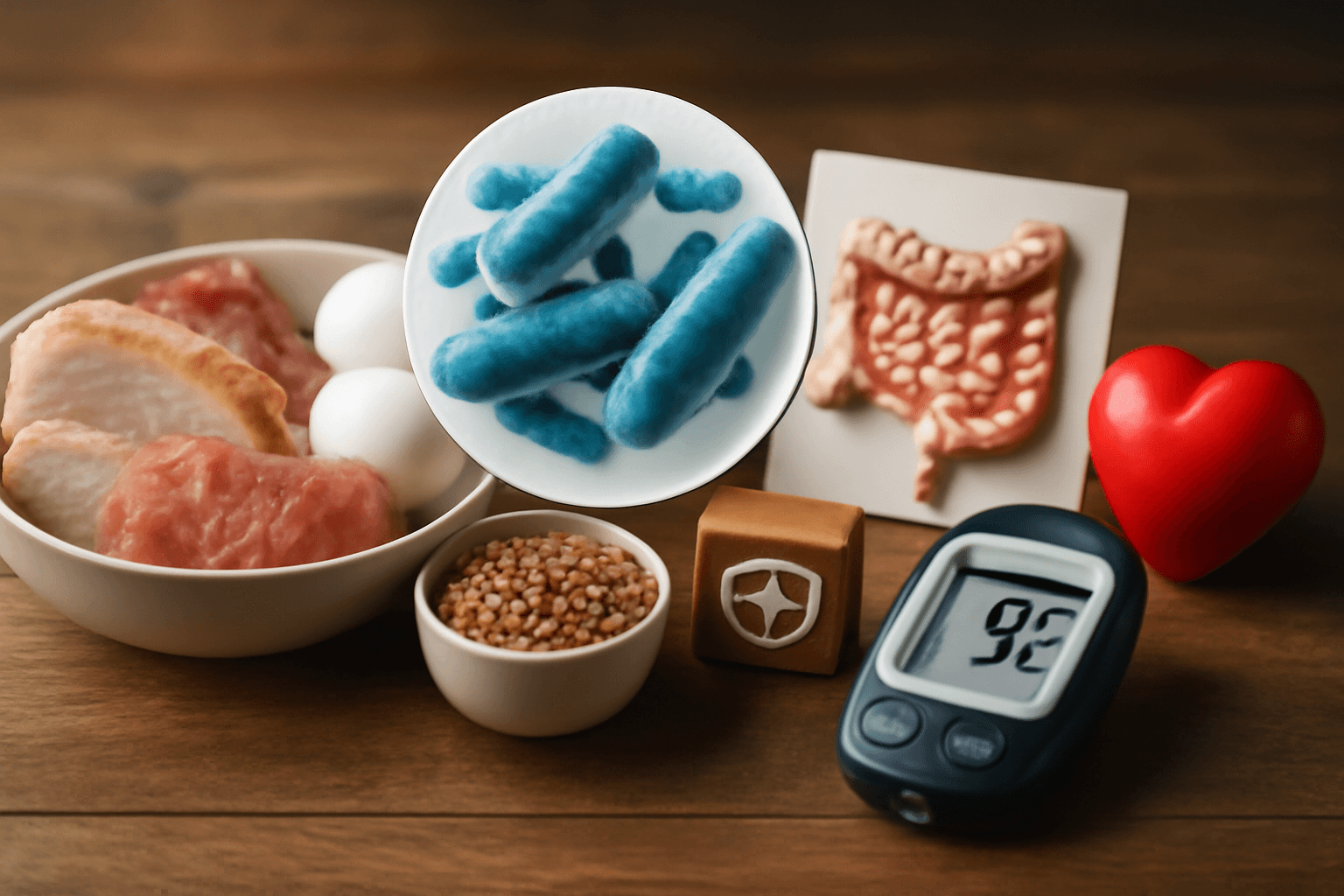
Gut health is the foundation of overall body health. Clostridium butyricum, a beneficial bacterium that has recently gained attention, is a probiotic that generates butyrate, a short-chain fatty acid, to strengthen the intestinal mucosa, enhance immunity, manage blood sugar, and improve cholesterol levels. This article systematically examines Clostridium butyricum from its definition to scientific evidence.
What is Clostridium butyricum?
Clostridium butyricum is a gram-positive anaerobic bacterium that naturally exists in the human gut microbiota. This microorganism is known to ferment dietary fiber and resistant starch to produce butyric acid. Butyric acid serves as a primary energy source for colon epithelial cells and plays an essential role in maintaining intestinal barrier function.
Unlike typical probiotics, Clostridium butyricum exists in spore form, allowing it to reach deep into the intestines without being affected by stomach acid and bile acids. Thanks to this characteristic, its survival rate is high, enabling effective probiotic effects. It has already been approved as a pharmaceutical in Japan and China and is increasingly recognized as a functional food ingredient in Korea.
This strain is particularly recommended for people with compromised digestive health, those who have developed gut microbiota imbalance after antibiotic use, and those experiencing chronic digestive discomfort. In terms of safety, it has been confirmed to have no pathogenic properties to the host, so long-term use has virtually no side effects.
Benefits of Clostridium butyricum
Improved Gut Health and Digestion
The most important benefit of Clostridium butyricum is intestinal mucosa strengthening through butyrate production. Butyric acid, a primary nutrient for colon epithelial cells, promotes cell proliferation and differentiation while maintaining intestinal mucosal integrity. This helps improve "leaky gut" syndrome and reduces absorption of harmful substances in the intestines.
Butyric acid also lowers intestinal pH, promoting the growth of beneficial bacteria while inhibiting the proliferation of pathogenic bacteria. This improvement in the microbial ecosystem naturally leads to enhanced digestive capacity. For people experiencing abdominal bloating, gas, and discomfort after eating, continuous consumption for 8 weeks or longer can lead to symptom improvement.
Enhanced Immunity
The intestines are responsible for over 70% of the entire immune system. The butyric acid produced by Clostridium butyricum improves signal transmission between intestinal epithelial cells and immune cells, optimizing immune response. In particular, it promotes the differentiation of regulatory T cells, suppressing excessive inflammatory responses while maintaining necessary immune responses.
Additionally, this strain contributes to mucus layer reinforcement. A healthy mucus layer acts as a physical barrier preventing bacterial invasion of the intestines while maintaining a symbiotic relationship with beneficial bacteria. Regular consumption during seasonal transitions when exposure to seasonal infections or viruses is high is effective in boosting natural immunity.
Blood Sugar Control
Clostridium butyricum helps reduce post-meal blood sugar spikes. By increasing incretin hormone secretion from intestinal epithelial cells and improving insulin sensitivity, butyric acid reduces blood sugar variability. This is particularly useful for blood sugar management in modern individuals who consume large amounts of refined carbohydrates.
Additionally, the short-chain fatty acids increased by this strain's action increase satiety, naturally reducing food intake. In managing type 2 diabetes accompanied by obesity, improving gut microbiota can serve as part of a comprehensive treatment strategy.
Improved Cholesterol Levels
Changes in gut microbiota composition directly affect blood lipid profiles. The improved intestinal environment resulting from the proliferation of Clostridium butyricum lowers blood cholesterol levels through inhibition of LDL cholesterol oxidation and improved bile acid metabolism.
Butyric acid also improves gene expression that regulates cholesterol synthesis in the liver, enabling natural cholesterol management without medication. People with a family history or moderate hypercholesterolemia can expect improvement effects with consistent consumption for 3 months or longer.
Enhanced Energy Metabolism
Butyric acid is directly used as a respiratory energy source for colon epithelial cells, increasing the energy efficiency of intestinal function. This reduces the body's overall energy expenditure needed for digestion and consequently allows more energy to be allocated to daily activities. The improvement effects are particularly noticeable in cases of chronic fatigue syndrome or energy decline due to digestive discomfort.
Animal Model Research Using Clostridium butyricum
Mouse Model Research
In a study published in 2019, when Clostridium butyricum was administered to mice with obesity induced by a high-fat diet, weight gain decreased by 23%. This was confirmed to result from increased gut microbiota diversity and increased butyrate production. In that study, mice in the treatment group showed 35% improved insulin sensitivity compared to controls, and fasting blood glucose was also lowered by an average of 18 mg/dL.
In an experiment evaluating intestinal permeability improvement effects, zonula occludens-1 (ZO-1) protein expression increased more than twofold. This protein is a key component in forming tight junctions between intestinal epithelial cells, and its increase indicates direct improvement of intestinal barrier function. Due to this improvement, endotoxin (LPS) infiltration decreased, and TNF-α, a chronic inflammation marker, decreased by 40%.
Colitis Model Research
In a study where Clostridium butyricum was administered to mice with chemically induced colitis (DSS: dextran sulfate sodium), intestinal injury scores improved by 60%. Mice in the treatment group showed significantly less colon length shortening compared to controls, and mucosal damage was also significantly improved histologically.
A particularly noteworthy finding in this study was increased differentiation of foxp3+ regulatory T cells (Treg). The proportion of Treg cells in the subepithelial lymph nodes of the treatment group increased from 8.2% to 15.6%, demonstrating an adaptive immune response suppressing excessive inflammatory reactions. Levels of anti-inflammatory cytokines such as IL-10 and TGF-β also increased significantly.
Antibiotic-Induced Microbiota Imbalance Model
In a study where Clostridium butyricum was administered alone to mice whose gut microbiota was nearly eliminated by broad-spectrum antibiotics, after 4 weeks, the microbial diversity index (Shannon diversity index) recovered from 0.8 to 2.5. In particular, the proliferation of other butyrate-producing bacteria was promoted, inducing not only the recovery of the administered strain itself but also the restoration of the entire microbial ecosystem.
Mice in this group showed diarrhea symptoms improving 75% faster compared to controls after returning to normal diet, and bacterial load also recovered to normal range. This suggests that Clostridium butyricum goes beyond simple probiotic effects to enhance the resilience of damaged microbial ecosystems.
Clinical Trials Using Clostridium butyricum
Safety and Efficacy Study in Healthy Adults
In a double-blind, placebo-controlled clinical trial published in 2021, 120 healthy adults were given 500 million CFU of Clostridium butyricum daily for 12 weeks, resulting in an average 1.2-fold increase in intestinal butyrate concentration. The treatment group normalized bowel frequency compared to controls (4-5 times per week within normal range), and stool consistency also improved.
In immunological parameters, natural killer cell (NK cell) activity increased by 25%, and the incidence of colds was significantly lower in the treatment group at 8% compared to 18% in the control group. Statistical significance was confirmed from week 8, with maximum effects observed at week 12. No adverse effects were reported, and all parameters in blood chemistry tests remained within normal ranges.
Study in Irritable Bowel Syndrome (IBS) Patients
In a study involving 85 IBS patients (45 diarrhea-predominant, 40 constipation-predominant) who received 100 million CFU of Clostridium butyricum for 8 weeks, very positive results were obtained. In the diarrhea-predominant IBS group, abdominal pain scores decreased 57% from 7.2 to 3.1 points, and stool frequency normalized from 8-10 times per week to 4-5 times per week.
In the constipation-predominant IBS group, bowel movement frequency increased from 1-2 times per week to 3-4 times per week, and difficulty with defecation improved by over 60%. In both groups, symptom-related quality of life scores (IBS-QoL) improved by over 30%. In 12-week follow-up observation, 73% of patients sustained symptom improvement.
Antibiotic-Associated Diarrhea (AAD) Prevention Research
In a randomized controlled clinical trial dividing 160 patients requiring antibiotic treatment into an antibiotic-only group and an antibiotic plus Clostridium butyricum (500 million CFU, 12 weeks) combination group, diarrhea incidence was significantly reduced from 28% in the antibiotic-only group to 9% in the combination group. The effect of reducing diarrhea incidence was particularly pronounced when using fluoroquinolone-class antibiotics.
During 8 weeks of follow-up after antibiotic cessation, microbiome recovery was considerably faster in the combination group. The relative abundance of Faecalibacterium prausnitzii, a major butyrate-producing bacterium, reached 18% in the combination group at week 2, whereas the control group only achieved 12% by week 4. This indicates significantly accelerated recovery from antibiotic-induced microbial ecosystem destruction.
Study in Elderly Subjects on Digestive Function Improvement
In a study involving 98 elderly subjects aged 65 and older (average age 71) who received Clostridium butyricum for 12 weeks, difficulty with defecation dropped sharply from 69% to 22%. In elderly individuals, intestinal motility decreases and microbial diversity declines; this study demonstrates that beneficial bacterial supplementation can partially reverse these age-related changes.
Additionally, nutrient absorption markers including vitamin B12 and folic acid levels increased by 18% and 23% respectively. This suggests that improved intestinal function extends beyond symptom relief to enhance nutrient absorption efficiency. Stool consistency also improved, making a practical contribution to the quality of life in elderly individuals.
Conclusion
Clostridium butyricum is a probiotic with sufficient scientific evidence. From animal model studies to multiple clinical trials, it has consistently demonstrated effects on gut health, immunity, blood sugar management, and cholesterol improvement. In particular, this strain's spore form is differentiated from other probiotics by its ability to withstand stomach acid and bile acids for high survival rates and its promotion of normal bacterial flora restoration.
Considerations for practical application are as follows:
- Effects begin to appear with continuous consumption for at least 4 weeks, and 8-12 weeks of use provides optimal results.
- In terms of CFU (colony-forming units), dosages in the range of 100 million to 500 million showed effects in clinical trials.
- Activity is reduced in high heat or humid environments, so storage in a cool, dry place is recommended.
- When taking simultaneously with antibiotics, it is best to wait at least 2 hours after antibiotic use before taking the supplement.
- Patients undergoing fecal microbiota transplantation (FMT) treatment should consult with their physician before deciding whether to use this product.
Medical Precautions: While Clostridium butyricum is generally safe, immunocompromised patients, those with severe conditions, or patients in the immediate postoperative period following gastrointestinal surgery must consult with their physician before use. Appropriate products and dosages may vary depending on individual health status, medications being taken, and underlying conditions. This article is for educational purposes and cannot substitute for medical treatment of diseases.
Key Points Summary
- Clostridium butyricum strengthens the intestinal mucosa and provides energy through butyrate production.
- Its spore-form structure allows it to withstand stomach acid and function effectively.
- There is scientific evidence for benefits in gut health, immunity, blood sugar management, and cholesterol improvement.
- It is particularly effective for IBS, antibiotic-associated diarrhea, and digestive discomfort in elderly individuals.
- Continuous consumption for 8-12 weeks provides optimal effects.
- While safety is excellent, medical professional consultation is essential in special health conditions.