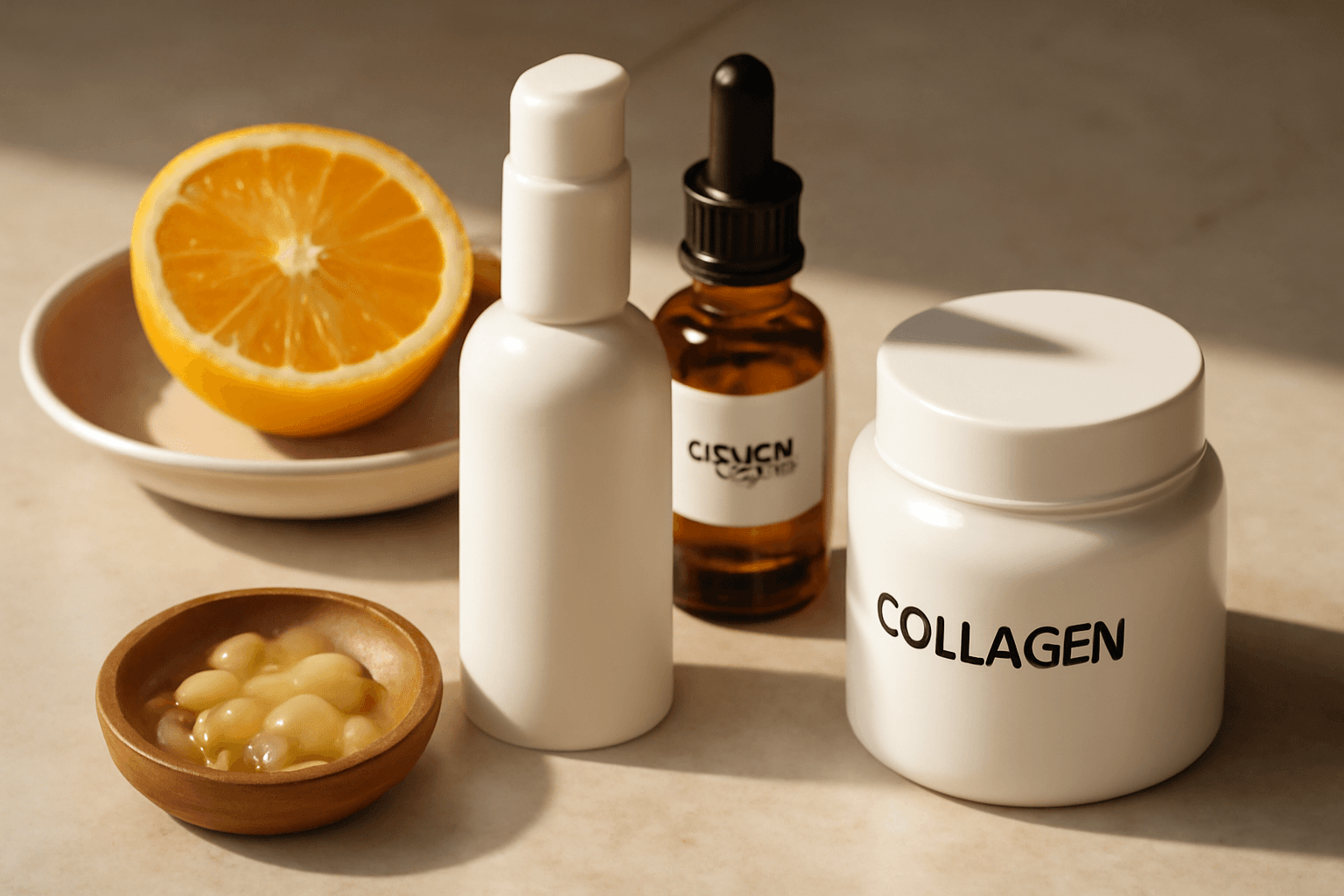
Breaking away from the notion that more skincare products are better, 'minimalist skincare'—which maintains skin health with only essential core ingredients—is gaining attention. Instead of a complex 10-step routine, you can achieve sufficient results with just 3-5 products, while actually reducing skin irritation and improving cost-effectiveness. This article introduces the concept of minimalist skincare, practical methods for building a routine, and product selection strategies using multi-functional ingredients.
What is Minimalist Skincare?
Minimalist skincare is a skincare philosophy that performs only the basic steps essential for skin and eliminates unnecessary products. Rather than traditional K-beauty 10-step routines or complex multi-step systems, it limits products to 4-5 items: cleansing, toner/essence, essential essence, and cream.
The core of this approach lies in 'efficiency.' According to research by the American Academy of Dermatology, excessive product use can damage the skin barrier and increase the incidence of contact dermatitis. Additionally, combining too many ingredients can trigger chemical reactions that may actually cause acne or irritation.
The advantages of minimalist skincare are as follows:
- Reduced Skin Irritation: Minimize allergy reaction risk by using fewer ingredients
- Cost-Effectiveness: Reduce monthly skincare expenses by 50-70%
- Time-Saving: Shorten your morning routine to under 3 minutes
- Improved Skin Resilience: Maintain stable skin condition less sensitive to product changes
The Beginning of the Minimalist Trend
The minimalist skincare trend began in Northern Europe around 2015. Dermatologists in Sweden and Norway recommended only simple routines to patients using the concept of "Less is More," and surprisingly better results appeared. This movement spread worldwide through social media after 2018.
Particularly after the COVID-19 pandemic in 2020, this trend accelerated. As remote work increased and outings decreased, many people began re-evaluating the necessity of skincare. Additionally, growing interest in environmental issues raised awareness about reducing excessive packaging and chemical product use.
In Korea, people in their 20s and 40s are increasingly paying attention to minimalist skincare as a reaction against traditional K-beauty 10-step routines. According to beauty platform data, the number of users searching for 'simple skincare' and 'basic skincare' increased more than threefold from 2022 to 2024.
How to Simplify Your Skincare Routine
Converting an existing routine to minimalist skincare requires a step-by-step approach. Drastic changes stress the skin, so the following method is recommended:
Step 1: Analyze Your Current Routine
List all products you're using and organize the main ingredients and purpose of each product. Over the past three months, classify which products have shown actual results and which haven't. In most cases, only 5-7 products out of 20-30 show actual effectiveness.
Step 2: Define Core Functions
Four functions are essential for skin: cleansing, hydration, irritation relief (soothing), and anti-aging care. Select a minimum of 3-4 products to handle these four functions.
Step 3: Plan Product Replacement
Don't change all products at once; replace 1-2 products each month. Use each product for at least 4 weeks before evaluating your skin's response. If symptoms such as acne, irritation, or itching appear, stop immediately and return to your previous product.
Step 4: Regular Re-evaluation
Re-evaluate your routine every 3 months according to seasonal changes or changes in skin condition. When the season changes, you can adjust the texture of moisturizing products (summer: gel-type, winter: cream-type) or change the SPF level of sunscreen.
Multi-Functional Skincare Ingredients
To succeed with minimalist skincare, you must understand 'multi-functional ingredients' that provide multiple benefits in a single product. The following are key ingredients recommended by dermatologists:
Retinol and Retinoid
Retinol, a vitamin A derivative, is effective in simultaneously improving acne, wrinkles, and skin tone. According to research, retinol at 0.25-1% concentration reduces fine lines by 15-20% and decreases acne lesions by 25-30% after 12 weeks of use. However, sensitive skin may experience dryness or peeling, so it's recommended to start at low concentration (0.25%) and increase the concentration every 2-4 weeks. For pregnant women or very sensitive skin, consultation with a dermatologist is essential.
Niacinamide
Also known as vitamin B3, niacinamide is effective in improving acne, wrinkles, excessive sebum production, and sensitive skin. It shows optimal efficacy at 4-5% concentration and, unlike retinol, can be safely used on sensitive skin. According to American Academy of Dermatology research, niacinamide helps strengthen the skin barrier, reducing symptoms of irritant dermatitis by 40%.
Hyaluronic Acid
Low-molecular-weight hyaluronic acid with a molecular weight of 1,000 daltons or less penetrates deeply into the stratum corneum and improves water retention capacity. Concentrations of 0.5-2% are effective for hydration and safe for all skin types. When used in toner or essence form, it increases the absorption rate of subsequent products by 30-50%.
Vitamin C (L-Ascorbic Acid)
Famous for its antioxidant properties, vitamin C promotes collagen synthesis, brightens skin tone, and protects against sun damage. Using a product with stable 10-20% concentration in the morning protects skin from oxidative stress during daytime hours. However, using it together with retinol can increase irritation, so it's better to divide them—vitamin C in the morning and retinol at night.
Ceramide
Ceramide, a key component of the skin barrier, reduces transepidermal water loss (TEWL) and alleviates dryness. Selecting a product containing three types—Ceramide NP, AP, and EOP—can improve skin hydration by 35-45%.
Simplifying Your Routine with Multi-Functional Products
By utilizing multi-functional ingredients, you can achieve maximum results with minimal products. The following are minimalist routine compositions by skin type:
Oily/Acne-Prone Skin
Morning: Gentle pH-balanced cleanser → Vitamin C toner → Niacinamide essence → Sunscreen
Evening: Gentle pH-balanced cleanser → Toner → Retinol cream (2-3 times per week) or niacinamide gel cream
Oily skin is problematic due to increased sebum from excessive moisturizing products, so choose lightweight textured products. Niacinamide is effective in regulating sebum secretion and minimizing pores. Using retinol 2-3 times per week can inhibit the proliferation of acne-causing bacteria (Propionibacterium acnes).
Dry Skin
Morning: Gentle cleanser → Hyaluronic acid toner → Ceramide essence → Sunscreen
Evening: Cleanser → Toner → Retinol cream (1-2 times per week) or collagen night cream
Dry skin needs both moisture and lipids. Supply hydration with hyaluronic acid, strengthen the skin barrier with ceramides, and recover damaged skin overnight with a rich-textured night cream. Using retinol 1-2 times per week promotes collagen production while avoiding excessive irritation.
Sensitive Skin
Morning: Mild cleanser → Soothing toner (Centella/Aloe) → Niacinamide essence → Sunscreen
Evening: Cleanser → Toner → Hydrogel cream or ceramide cream
Sensitive skin may have difficulty using retinol, so build a foundation with niacinamide and ceramides. Use a toner containing soothing ingredients such as Centella Asiatica or aloe vera as your base. If you want to begin using active ingredients, stabilize your skin with a basic routine for 3 months, then start low-concentration retinol once per week.
Combination Skin
Morning: Gentle pH-balanced cleanser → Vitamin C toner → Niacinamide essence → Light moisturizing cream → Sunscreen
Evening: Cleanser → Toner → Niacinamide essence → Balancing cream for combination skin
Combination skin is characterized by oily T-zone (forehead, nose bridge, chin) and dry U-zone (cheekbones, cheeks). Choose dual-function products that regulate sebum secretion with niacinamide while simultaneously performing moisturizing functions. You can apply different products in the morning and evening if needed.
Product Selection Tips:
- Include 1-2 multi-tasking products (products with multiple benefits) to reduce the number of products
- Check ingredient listings and select products where 3 or more of the top 5 ingredients address your skin concerns
- Prioritize ingredients and concentrations over price. Even inexpensive products are sufficient if they contain effective concentrations of key ingredients
- New products must always go through a patch test (24-hour test on the back of the ear or chin area) before use
Conclusion and Summary
Minimalist skincare breaks the misconception that 'more equals better' and is a wise approach focused on core ingredients. You can reduce complex 10-15 step routines to just 3-5 products and actually maintain even better skin condition.
Key Points:
- Maintain Basic 4 Steps: Cleansing, hydration, anti-aging care, and sunscreen protection are sufficient
- Utilize Multi-Functional Ingredients: Invest in ingredients with proven efficacy such as retinol, niacinamide, hyaluronic acid, vitamin C, and ceramide
- Gradual Changes: Drastic product replacement stresses skin, so proceed slowly with 1-2 products per month
- Regular Re-evaluation: Check your routine every 3 months according to seasonal and skin condition changes
- Dermatologist Consultation: If you have sensitive skin, various skin conditions, or are considering using active ingredients (such as retinol), be sure to consult with a specialist
Minimalist skincare is not simply a trend, but a scientific approach that respects skin's natural recovery capacity and minimizes unnecessary irritation. Take this opportunity to review your current skincare routine and create a concise and effective routine composed only of products your skin truly needs.