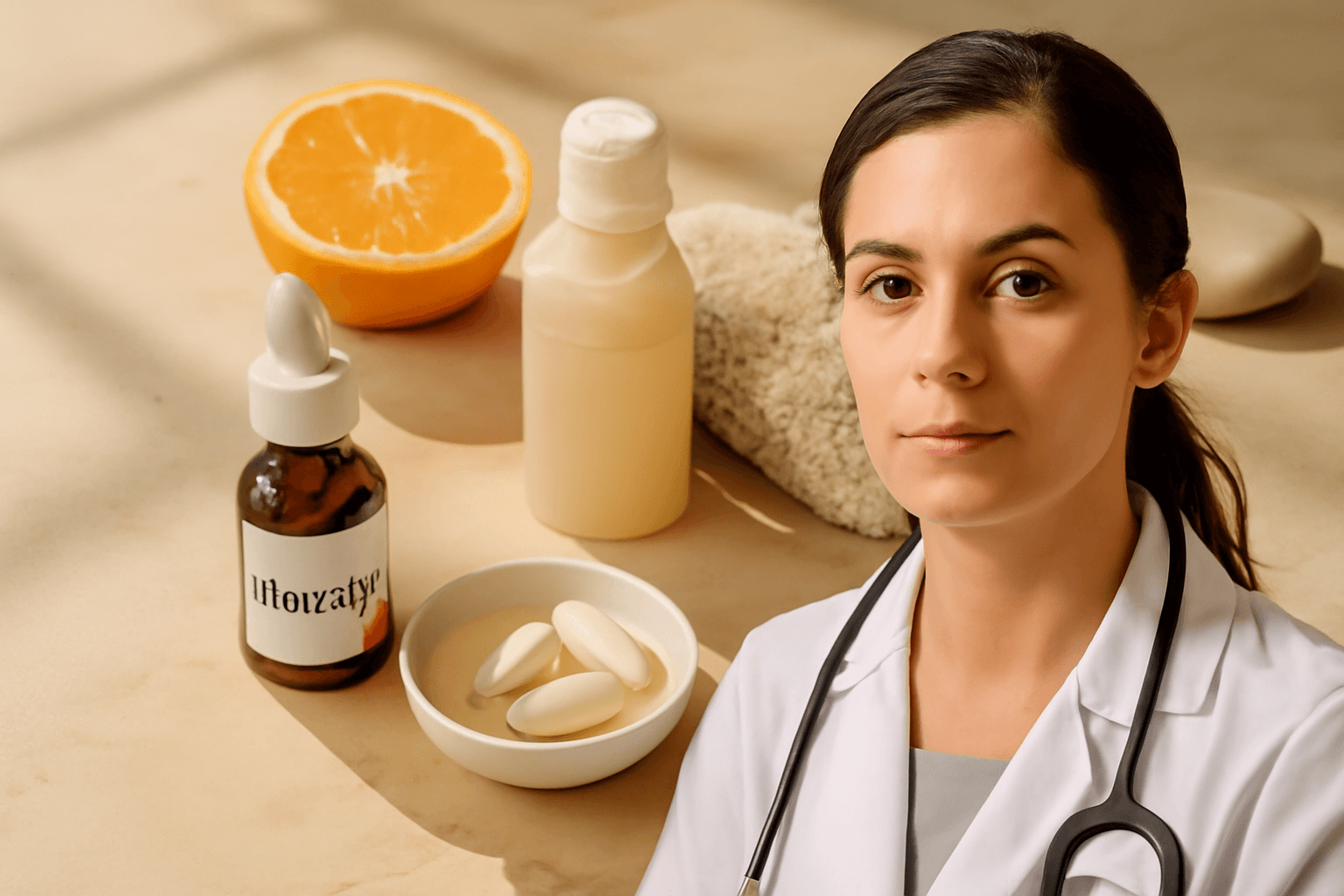
Skin problems cannot be solved by external care alone. Internal factors such as lack of sleep, stress, and hormonal changes directly affect your skin condition. In this article, I'll answer three skincare questions that dermatologists frequently receive and provide practical solutions ranging from reducing dark circles to managing oily skin and improving skin elasticity.
#1. How can I make the dark circles under my eyes appear less dark?
Dark circles occur when the skin under the eyes is thin and sensitive, causing blood vessels to show through. The causes fall into three main categories: first, reduced blood circulation due to lack of sleep; second, skin pigmentation due to genetic factors; and third, collagen loss from aging.
The direct relationship between sleep and dark circles cannot be ignored. During sleep, your body repairs damaged cells and promotes blood circulation. Sleeping less than 7-8 hours causes blood vessels around the eyes to dilate, making dark circles appear darker. In particular, the period between 11 PM and 3 AM is the most important deep sleep time, so it's crucial to get quality sleep during these hours.
Stress management is also essential. When cortisol, the stress hormone, increases, blood vessels alternate between constriction and dilation, making the blood vessels under the eyes more prominent. Spending 20-30 minutes a day managing stress through meditation, yoga, or walking can help.
When choosing skincare products, pay attention to these ingredients:
- Caffeine: Works by constricting blood vessels to immediately reduce puffiness and dark appearance. A caffeine concentration of 3-5% in eye creams is effective.
- Vitamin K: Helps with blood clotting and reduces vascular permeability, making it excellent for improving dark circles.
- Retinol: A vitamin A derivative that promotes collagen synthesis, thickening the skin under the eyes and reducing vascular visibility. Start with a low concentration (0.25-0.5%), but due to high sensitivity, using it 2-3 times per week is appropriate.
- Peptides: Improve skin elasticity and reduce fine lines.
Lifestyle improvements should also be implemented. Sleeping with a higher pillow prevents blood from pooling around the eyes. Additionally, ensure sufficient water intake (2 liters or more per day), but be careful about excessive fluid consumption late in the evening, as this can worsen morning puffiness.
Medical note: If severe dark circles appear suddenly or are accompanied by other symptoms (eye pain, vision changes), consult an ophthalmologist.
#2. How can I improve oily skin?
Oily skin is a condition where sebum production is excessive, primarily determined by hormonal changes and genetic factors. In particular, when androgen hormone levels are high, sebaceous glands become active and sebum secretion increases. While oily skin during adolescence is natural, adult oily skin is closely related to lifestyle habits.
Hormone management is important. In women, sebum secretion changes according to the menstrual cycle. After ovulation and until menstruation begins, androgen levels rise, causing an increase in sebum. Stabilizing hormone levels through birth control pills or hormone therapy can improve oily skin, so consulting with an obstetrician-gynecologist is recommended if necessary.
Avoid excessive cleansing. Many people wash their face 3-4 times a day to manage oily skin, but this is counterproductive. Over-cleansing destroys the skin's natural oil layer, causing the skin to compensate by secreting more sebum. Cleansing a maximum of twice daily—morning and evening—is appropriate, and it's best to use lukewarm water (25-30°C).
Guidelines for choosing cleansing products are as follows:
- Salicylic acid (BHA): A fat-soluble ingredient that penetrates deep into pores to remove sebum and dead skin cells. A concentration of 0.5-2% is typical, with use recommended 3-4 times per week.
- Glycolic acid (AHA): A water-soluble ingredient that removes surface dead skin cells, promoting smooth sebum discharge.
- Niacinamide (Vitamin B3): Effective at regulating sebum secretion and reducing pore size. Products containing 4-5% in serums or toners are recommended.
- Azelaic acid: Works as an antibacterial agent to prevent acne and improve oily skin.
Hydration is essential. Even oily skin produces more sebum when dehydrated. Provide moisture with light, fast-absorbing essences or gel-type toners, but avoid heavy or oily creams. Products containing hyaluronic acid or glycerin are good choices.
Don't overlook the importance of stress and sleep. Chronic stress increases sebum secretion, and sleep deprivation reduces skin regeneration time, impairing sebum control ability. Achieving hormone balance through 7 or more hours of sleep and stress management is the key to long-term improvement of oily skin.
Medical note: If you have severe acne due to extremely oily skin, your dermatologist may consider prescribing Accutane (isotretinoin). While this medication is highly effective, it has side effects, so it must be used under medical supervision.
#3. How can I improve skin firmness and elasticity?
Skin elasticity is determined by protein structures such as collagen, elastin, and hyaluronic acid. Starting at age 25, collagen is lost at a rate of 1% per year, and sun exposure, oxidative stress, and hormonal changes accelerate this process. Therefore, internal nutrient supply is just as important as external care.
Retinol is the most effective ingredient. Retinol, a form of vitamin A, acts directly on skin cells to promote collagen synthesis. Research shows that using 0.3-0.5% retinol for 12 weeks reduces fine lines by 30-40% and significantly improves skin elasticity. However, retinol can make skin sensitive, so use it only at night and start with 2-3 times per week, gradually increasing frequency. After use, sunscreen (SPF 30 or higher) must be applied.
Peptide complexes also show excellent results. Peptides inhibit collagen breakdown and stimulate new collagen production. In particular, using essences or creams containing ingredients like palmitoyl pentapeptide and hexapeptide daily can improve skin texture and increase elasticity within 3-4 weeks.
Vitamin C serum promotes collagen synthesis and prevents skin aging through antioxidant action. Using a 15-20% concentration vitamin C (ascorbic acid or derivatives) serum in the morning can create bright, elastic skin.
Internal nutrient supply is also essential:
- Collagen peptides: When taken orally, they are absorbed in the small intestine and increase skin collagen content. After consuming 10g of collagen peptides daily for 8 weeks, skin hydration increased by 28% and elasticity improved.
- Vitamin C: An essential cofactor for collagen formation. Daily intake of 500-1000mg is recommended.
- Iron and zinc: Essential trace elements for collagen synthesis. They are abundant in meat, oysters, and pumpkin seeds.
- Omega-3 fatty acids: Maintain skin cell membrane health and reduce inflammation.
Sun protection is fundamental to maintaining elasticity. UV-A and UV-B activate enzymes (MMPs) that directly destroy collagen. Using sunscreen with SPF 30 or higher and PA+++ or higher daily can slow collagen loss by 50% or more.
Sleep and hormones play a significant role. Growth hormone secretion peaks during sleep, and this hormone promotes collagen synthesis. Maintaining 4 or more hours of deep sleep between 11 PM and 3 AM maximizes the skin's self-regeneration ability. Additionally, estrogen regulates skin hydration and collagen density, so women require especially careful skincare after menopause.
Professional treatment options can also be considered. Microneedling (a procedure that stimulates the skin with fine needles 0.5-2mm deep) promotes collagen regeneration, and with monthly treatments, noticeable elasticity improvement can be experienced in 8-12 weeks. However, such treatments must be performed under the guidance of a dermatologist.
Medical note: If you are planning pregnancy or are pregnant while using retinol, discontinue retinol use during pregnancy. High doses of vitamin A (especially oral supplements) carry a risk of birth defects, so consult with an obstetrician-gynecologist before proceeding.
Summary
To improve dark circles: Adequate sleep (7-8 hours), stress management, eye cream containing caffeine and vitamin K, and using a higher pillow are key.
To improve oily skin: Limiting cleansing to twice daily, using products containing salicylic acid and niacinamide, light hydration, hormone management, and adequate sleep are essential.
To improve skin elasticity: Nighttime use of 0.3-0.5% retinol, combining peptides and vitamin C, oral collagen peptide supplementation, daily sun protection, and 7 or more hours of sleep are important.
All skincare can vary depending on individual skin type, sensitivity, and underlying conditions. When starting a new product or method, perform a patch test (apply a small amount to the inside of the arm or behind the ear and observe for 24 hours) to check for reactions, and if side effects occur, consult a dermatologist immediately. In particular, if you have extreme sensitivity, eczema, or rosacea, professional consultation is essential when developing a skincare plan.