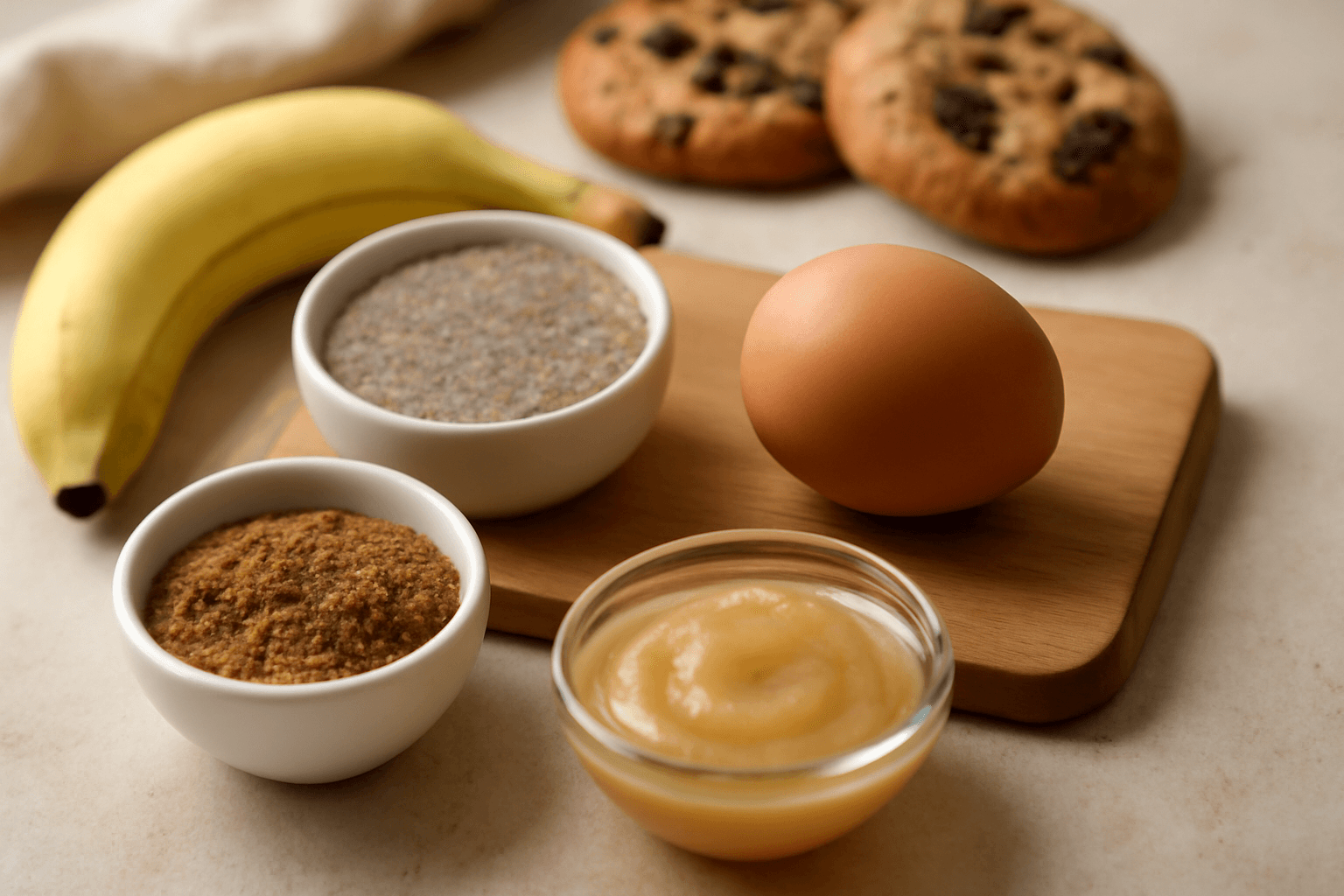
Baking is a cooking technique that relies on precise proportions and ingredients. Eggs are especially essential since they serve as a binder, leavening agent, and moisture source in most baking recipes, including cakes, cookies, and brownies. However, many people need to avoid eggs due to egg allergies, vegan diets, or nutritional reasons. Fortunately, a variety of natural foods—such as flaxseeds, chia seeds, bananas, and applesauce—can effectively replace eggs in baking. These alternatives offer comparable nutritional value to eggs, providing protein, antioxidants, iron, and magnesium, while also reducing cholesterol intake.
The Role of Eggs in Baking
Eggs perform several important functions in baking. First, they act as a binder, holding together flour, butter, sugar, and other ingredients to form the structure of the dough. When heated, the proteins in eggs coagulate, playing a crucial role in creating the basic framework of cakes and cookies.
The second role is as a leavening agent. When beaten, eggs incorporate air that causes cakes and meringues to rise and creates a light texture. This effect is especially pronounced when egg whites and yolks are separated and the whites are whipped into a foam.
Third, eggs are a moisture source. One egg contains approximately 75% water, helping maintain proper humidity in the dough. Additionally, the fat in eggs enhances the flavor and moist texture of the final product. One egg contains about 6-7 grams of protein and approximately 186 milligrams of cholesterol, so these nutritional characteristics should be considered when making substitutions.
7 Foods to Replace Eggs When Baking
When choosing an egg substitute, consider the type of recipe and your desired final result. Angel food cakes that require a light texture work well with flax eggs, while brownies and muffins that need a moist texture are better suited to bananas or applesauce.
- Flax eggs: Mix 1 tablespoon of ground flaxseeds with 3 tablespoons of water to replace 1 egg
- Chia eggs: Mix 1 tablespoon of chia seeds with 3 tablespoons of water to replace 1 egg
- Banana: Replace 1 egg with ¼ cup mashed banana
- Applesauce: Replace 1 egg with ¼ cup unsweetened applesauce
- Yogurt: Replace 1 egg with ¼ cup Greek yogurt
- Tofu: Replace 1 egg with ¼ cup mashed silken tofu
- Aquafaba: Replace 1 egg with 3 tablespoons of canned chickpea liquid
Each substitute has its own unique nutritional profile. For example, flaxseeds and chia seeds are rich in omega-3 fatty acids, while bananas provide potassium and vitamin B6. Applesauce boasts antioxidants and low calories. For even better results, you can mix two or more substitutes depending on your recipe.
Flax Eggs
Flaxseeds are among the most popular egg substitutes in baking. Mixing 1 tablespoon of ground flaxseeds (about 7g) with 3 tablespoons of warm water creates a gel-like mixture after about 15 minutes that replaces one egg. This reaction occurs because of mucilage, a soluble fiber found in flaxseeds.
The greatest advantage of flax eggs is their omega-3 fatty acid content. One tablespoon of flaxseeds contains about 2,400 milligrams of alpha-linolenic acid (ALA) omega-3, which contributes to cardiovascular health and reduces inflammation. Flaxseeds also contain lignans, powerful antioxidants that may help with cancer prevention and hormone balance.
Nutritionally, flax eggs are rich in dietary fiber, promoting digestive health and lasting satiety. One hundred grams of flaxseeds contain about 27 grams of protein and 27 grams of fiber. However, flax eggs may have weaker binding power than regular eggs, making them best suited for moist, dense products like brownies, muffins, and quick breads. They may be less effective for light cakes.
Usage Tip: Use room-temperature water when making flax eggs. Hot water can interfere with gel formation. You can prepare several flax eggs in advance and store them in the refrigerator for convenience.
Chia Eggs
Chia seeds are another excellent egg substitute that works similarly to flaxseeds. Mixing 1 tablespoon of whole chia seeds (about 12g) with 3 tablespoons of water creates a gel-like mixture after about 15 minutes that replaces one egg. The outer layer of chia seeds is coated with soluble polysaccharides, causing them to gel immediately when in contact with water.
Chia seeds contain even more omega-3 fatty acids than flaxseeds. One tablespoon of chia seeds provides about 2,500 milligrams of ALA omega-3, along with about 2.4 grams of protein and 2.4 grams of fiber. This high fiber content supports digestive health and blood sugar regulation.
Another key nutritional component of chia seeds is calcium. One tablespoon of chia seeds contains about 76 milligrams of calcium, contributing to bone health. They also provide abundant minerals including magnesium (59mg), iron (1.6mg), and zinc (0.6mg). These minerals are essential for nervous system function, energy metabolism, and immune system support.
Like flax eggs, chia eggs are best suited for baking products with a moist texture. However, the small chia seeds may slightly alter the texture of the final product, so choose recipes where this characteristic won't be problematic. For example, chocolate chip cookies or whole grain muffins work well with chia eggs.
Usage Tip: Chia seeds absorb water faster and more efficiently than flaxseeds. When adding chia eggs to your dough, carefully monitor the batter consistency and adjust additional liquid if needed.
Banana
Banana is one of the most accessible egg substitutes for baking. About ¼ cup of mashed banana (about 60g, or half a medium banana) replaces one egg. Banana's natural consistency and moisture content provide both moisture and binding power to baking batter.
Nutritionally, banana is an excellent source of potassium. One medium banana contains about 422 milligrams of potassium, which supports blood pressure regulation and heart health. Bananas also contain vitamin B6 (about 0.43mg), vitamin C (about 8.7mg), and manganese (about 0.3mg). Vitamin B6 is essential for nervous system development and function, while vitamin C is a powerful antioxidant that supports the immune system.
Bananas also contain natural sugars, making them suitable for recipes with slightly reduced sugar. Half a banana contains about 27 grams of carbohydrates and about 3.1 grams of dietary fiber, enhancing digestive health and satiety. Insoluble fiber promotes intestinal movement, while soluble fiber (mainly pectin) helps regulate blood sugar.
A key consideration when using bananas is that banana flavor can affect the final product. Banana flavor works well in banana-flavored products (banana bread, banana muffins, chocolate chip cookies) but may be unsuitable for subtle-flavored baked goods (sugar cookies, vanilla cake). Additionally, because bananas create denser products than eggs, they're less effective when you want a very light texture.
Usage Tip: Use the ripest bananas (those with many brown spots) for a sweeter, milder flavor and easier mashing. You can mash bananas in advance and freeze them for convenient use whenever needed.
Applesauce
Unsweetened applesauce is another popular egg substitute that works similarly to banana. About ¼ cup (about 60ml) of unsweetened applesauce replaces one egg. Unlike banana, applesauce lacks a strong distinctive flavor, making it suitable for a wider variety of baking recipes.
The primary health benefit of applesauce is its antioxidant content. Apples contain powerful antioxidants including quercetin, catechin, and chlorogenic acid that protect against cell damage. These antioxidants are associated with chronic disease prevention, particularly reducing the risk of heart disease and certain cancers. According to one study, people who regularly consume apples see approximately a 15% reduction in cardiovascular disease risk.
Applesauce also contains about 2.4g of dietary fiber per 100ml, primarily in the form of soluble pectin. Pectin helps regulate blood sugar and serves as food for beneficial gut bacteria, promoting digestive health. Applesauce also contains vitamin C (about 2.5mg per 100ml), which supports immune function and collagen synthesis.
Applesauce has higher moisture content than banana, helping create lighter, smoother-textured products. This makes it more suitable for light cakes, sponge cakes, or delicate snacks. However, applesauce doesn't provide as much natural sugar as banana, so using too much can make the final product too dry.
Usage Tip: When using store-bought applesauce, always choose unsweetened varieties. Using sweetened applesauce can make your final product overly sweet. Homemade applesauce made from fresh grated apples is also an excellent option.
Other Effective Egg Substitutes
Greek yogurt can replace one egg with ¼ cup of unsalted or plain Greek yogurt. Greek yogurt has more than twice the protein content of regular yogurt (about 10g per 100g), providing structure and binding power. It also contains probiotics that promote digestive health.
Silken tofu is also an effective substitute. About ¼ cup (about 60g) of mashed silken tofu replaces one egg. Tofu provides complete protein (including all essential amino acids) and contains about 8 grams of protein. Tofu also has almost no distinctive flavor, making it versatile for various baking recipes.
Aquafaba is the liquid from canned chickpeas. Three tablespoons of aquafaba replaces one egg and is especially excellent for making meringues or whipped products. Aquafaba contains protein and starch, allowing it to form and maintain foam well.
Summary: A Guide to Choosing Egg Substitutes
Key Points: Egg substitutes should be chosen based on the type of baking, desired texture, and nutritional goals.
To effectively replace eggs in baking, remember a few important principles. First, banana or applesauce work well for dense, moist products like brownies, muffins, and banana bread. Second, for products needing a light texture like sponge cake or pound cake, flax or chia eggs are recommended. Third, aquafaba is the best choice for very light textures like angel food cake.
Nutritionally, each substitute offers unique benefits. Flaxseeds and chia seeds are rich in omega-3 fatty acids and antioxidants, while bananas provide potassium and vitamin B6. Applesauce boasts antioxidants and low calories, while tofu provides complete protein. A common advantage of all these options is their significantly lower cholesterol content compared to eggs.
Experimentation is key to success. When trying for the first time, start with one or two substitutes, evaluate the results, and adjust as needed. Additionally, mixing multiple substitutes can yield optimal results. For example, using both flax eggs and applesauce together can achieve both excellent binding power and moisture.
Important Medical Note: If you or a family member have specific food allergies or intolerances, these substitutes may also trigger allergic reactions. For example, people with nut allergies should handle seeds with caution. Also, if you have blood sugar regulation issues, consider the sugar content in bananas and applesauce. If you're concerned about health impacts from nutritional changes, consult with a healthcare professional or registered dietitian. This is especially important if you have kidney disease, diabetes, or other chronic conditions—consulting with a medical professional before making dietary changes is crucial.