Elderberry is a dark berry that has been used in traditional medicine for thousands of years, and recent scientific research has established it as an effective food for strengthening immunity. Rich in antioxidants and vitamin C, elderberry can be particularly helpful in preventing and alleviating symptoms of respiratory viral infections such as colds and flu. This article will examine the characteristics of elderberry, its effects on the immune system, and the proper methods and dosages for consumption.
What is Elderberry?
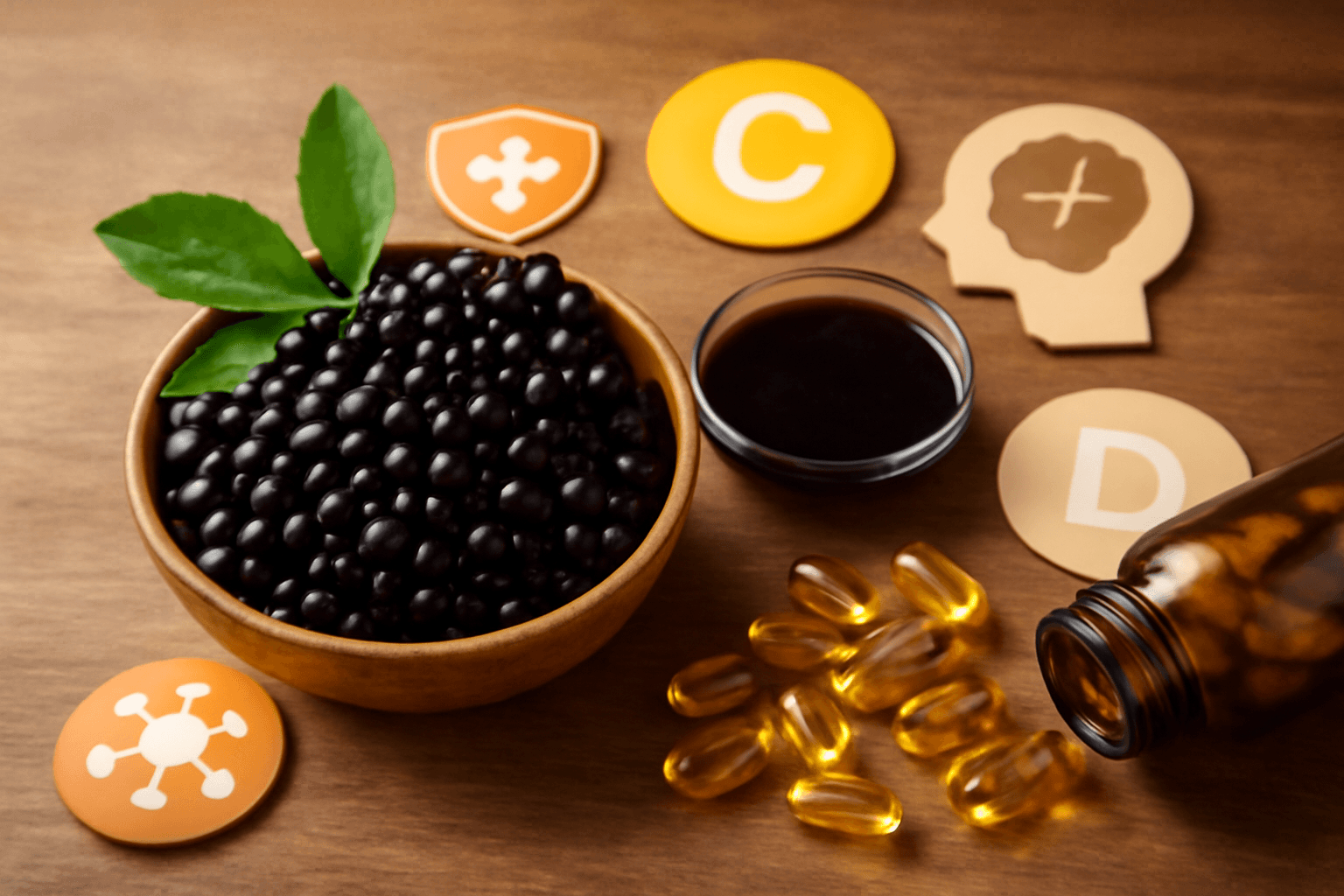
Elderberry is a dark berry that comes from a shrub called European black elder (Sambucus nigra). This berry has been traditionally used for treating colds and flu in Europe, North Africa, and Western Asia for hundreds of years, and has become a popular ingredient in modern immune health products.
The nutritional characteristics of elderberry lie in its high antioxidant content. It has about 9.2 mmol of antioxidant activity per 100 grams, which is higher than blueberries or cranberries. Additionally, elderberry contains approximately 35-38 milligrams of vitamin C per 100 milliliters, providing abundant essential nutrients that support the immune system. It also contains substantial amounts of plant compounds such as anthocyanins, polyphenols, and flavonoids.
Elderberry can be consumed in various forms including fresh berries, dried products, syrups, tablets, teas, and extracts. However, raw elderberries may contain toxic substances and must be heat-treated before consumption.
Effects of Elderberry on Immunity
Anthocyanins and flavonoids, the main active components of elderberry, have powerful antioxidant and anti-inflammatory effects. Antioxidant action neutralizes free radicals that attack the immune system, preventing cellular damage, while anti-inflammatory action regulates excessive inflammatory responses and reduces immune system hypersensitivity.
The immune-enhancing mechanism works through several pathways. First, elderberry promotes cytokine production, increasing the activity of white blood cells. Cytokines are signaling substances responsible for communication between immune cells, and their increase strengthens immune response against pathogens. Second, elderberry improves the activity of natural killer (NK) cells, which more efficiently eliminate virus-infected cells.
Elderberry also plays a positive role in the relationship between stress and immunity. Prolonged stress elevates cortisol levels, which suppresses immune function, while the antioxidants in elderberry reduce oxidative stress caused by stress and improve immune system resilience. These effects are further enhanced when working together with vitamin C.
Additionally, elderberry has a positive impact on intestinal microbiota balance. A healthy gut microbiota ecosystem is fundamental to immune function in the intestines, where over 70% of the entire immune system is located, so the prebiotic properties of elderberry indirectly strengthen immunity.
Respiratory Viral Infections and Elderberry
The relationship between elderberry and respiratory viral infections such as colds and flu has been the focus of multiple clinical studies. In a randomized controlled trial conducted in Norway in 2004, the group that consumed elderberry syrup experienced cold symptoms that lasted 4 days shorter than the placebo group, and the severity of symptoms was significantly lower.
For influenza, there are more specific results. In a 2016 study by an Israeli research team, patients with early flu symptoms who consumed elderberry extract experienced a reduction in high fever of 38°C or above from an average of 3.9 days to 2.4 days, and recovery from symptoms such as muscle aches and sore throat occurred 2-3 days faster.
The mechanism behind these effects is that a compound in elderberry binds to the surface proteins of the virus, physically blocking it from entering respiratory cells. Additionally, elderberry has been shown to reduce the number of viral particles released by virus-infected cells.
However, research results are mixed regarding preventive effects. Some studies showed a tendency for cold incidence to decrease by approximately 10-15% when healthy adults regularly consumed elderberry, but the results were not statistically significant. Therefore, elderberry is considered more effective for symptom relief and accelerated recovery after infection.
Optimal Methods of Consuming Elderberry
The method of consuming elderberry can be chosen based on your goals and preferences, with each method having its own advantages and disadvantages.
Elderberry syrup is the most popular form, made by mixing freeze-dried elderberry with honey, water, and sometimes other immune-boosting ingredients such as ginger or cinnamon. Syrup allows for rapid absorption and has excellent taste, making it easy for children to consume. It is recommended to consume 1-2 tablespoons (approximately 15-30 ml) daily during or right after meals.
Elderberry tea can be made by steeping dried berries in hot water for 10-15 minutes. This method provides the benefits of warm liquid and is particularly effective in alleviating throat inflammation. Aim to consume 2-3 cups per day, though you can drink more frequently as needed when experiencing symptoms.
Elderberry tablets and capsules offer excellent portability and allow for precise dosage control. Most products are standardized to 500-600 mg per serving, taken twice daily with meals.
Important precautions when consuming fresh or dried elderberry are very important. Raw elderberries and other parts of the plant (leaves, stems, roots) contain a toxic substance called cyanogenic glycoside and must be boiled or heat-treated. Additionally, since elderberry has a distinctive tart taste, you can add honey or lemon for better flavor.
Combination with other ingredients also maximizes immune enhancement. Consuming it with vitamin C-rich oranges or lemons creates a synergistic antioxidant effect. Additionally, combined use with echinacea, ginger, and zinc has been reported to clinically enhance immune-boosting effects.
Elderberry Dosage
Safe and effective elderberry dosage varies depending on the form, individual health status, and purpose. Synthesizing data from various clinical studies yields the following guidelines.
Preventive consumption for health maintenance: Based on freeze-dried elderberry, 300-500 mg daily is recommended, or 15-30 ml daily of regular syrup. This dosage is generally safe, and continuous consumption for up to 10 weeks can improve immunity.
When cold or flu symptoms appear: Immediately upon symptom onset, increase the dosage threefold to 900-1500 mg daily (45-90 ml syrup equivalent) and maintain this until symptoms subside. Most studies recommend using this enhanced dosage for 3-5 days, then gradually reducing the dosage during the recovery phase.
Recommendations by special populations: Children aged 1-5 years are recommended 150-250 mg daily, half the adult dose, and children aged 6-12 are recommended 300-400 mg daily. Pregnant and nursing women should consult with an obstetrician before use, as data on the safety of elderberry is limited. For elderly individuals aged 65 and over, preventive consumption is especially recommended since immune function declines, and maintenance of standard dosage is safe.
Safety of long-term consumption: Elderberry is considered safe for long-term consumption for most people. However, when taking it for an extended period (6 months or longer), monitoring of liver and kidney function is recommended, and especially for those with chronic diseases or currently taking other medications, consulting with a healthcare professional every 3-6 months is advisable.
Conclusion and Summary
Elderberry is an immune-boosting food validated by modern science, containing abundant antioxidants, vitamin C, and flavonoids. It has demonstrated statistically significant effects, particularly in alleviating cold and flu symptoms and shortening recovery periods, and also helps mitigate immune suppression caused by stress.
Key Points:
- Elderberry strengthens the immune system by promoting white blood cell activity and enhancing natural killer cells
- When respiratory viral infection occurs, it can shorten symptom duration by an average of 2-4 days
- It can be consumed in various forms such as syrup, tea, and tablets, each with its own advantages
- For prevention, 300-500 mg daily is recommended; for symptoms, 900-1500 mg is recommended
- Raw elderberries must be heat-treated to remove toxic substances
- Prior consultation with a healthcare professional is essential for pregnant women, nursing mothers, and those taking certain medications
Medical Disclaimer: The information in this article is for educational purposes and cannot replace medical diagnosis or treatment. If you have chronic conditions or are currently taking medications, particularly blood thinners (warfarin), immunosuppressants, or diabetes medications, you must consult with a doctor or pharmacist before consuming elderberry. If severe allergic reactions occur, seek immediate medical attention.
Elderberry achieves maximum effectiveness when used as part of an overall healthy lifestyle (adequate sleep, exercise, balanced diet, and stress management). Immune enhancement is not achieved by a single food alone, so it is wise to think of elderberry as one component of a comprehensive health management strategy.