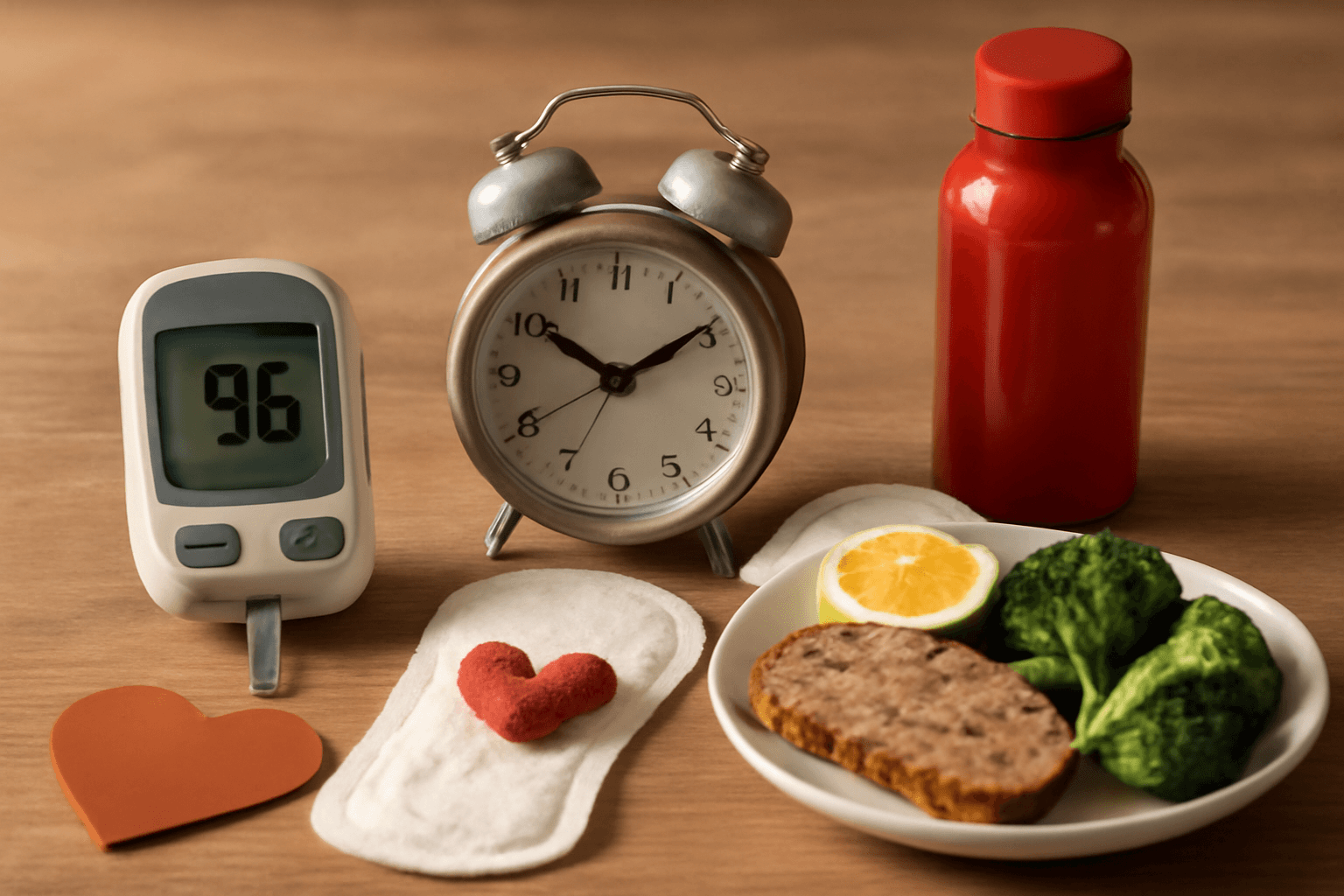
Endocrine Disrupting Chemicals (EDCs) are chemicals that interfere with hormone secretion in our bodies, affecting various physiological functions including blood sugar regulation, energy metabolism, menstrual cycles, stress hormones, heart health, thyroid function, and iron absorption. They are found in everyday products such as plastics, pesticides, medications, and cosmetics, and their exposure can be minimized through systematic measures.
What Are Endocrine Disrupting Chemicals?
Endocrine disrupting chemicals are external chemical substances that interfere with the normal function of the endocrine system. The World Health Organization (WHO) defines endocrine disrupting chemicals as "exogenous substances or mixtures that alter the function(s) of the endocrine system and consequently cause adverse health effects in an intact organism, or its progeny, or (sub)populations."
Hormones are chemical messengers that regulate all major systems in the body. Hormones secreted by endocrine glands such as the pituitary gland, thyroid, adrenal glands, pancreas, ovaries, and testes exert powerful effects even in extremely small amounts measured in picograms. This is why endocrine disrupting chemicals are problematic—exposure to extremely small quantities can still affect body systems.
Endocrine disrupting chemicals work in three ways. First, they mimic natural hormones by binding to hormone receptors. Second, they block natural hormones from binding to receptors. Third, they directly alter hormone levels by affecting the production, metabolism, and excretion of hormones.
How Do Endocrine Disrupting Chemicals Affect the Human Body?
The effects of endocrine disrupting chemicals are diverse and far-reaching. The most vulnerable periods of exposure are during fetal development, infancy, puberty, pregnancy, and menopause—times when hormones fluctuate dramatically. Exposure during these periods can cause lifelong health problems.
Regarding blood sugar regulation, endocrine disrupting chemicals interfere with insulin secretion from the pancreas or reduce insulin sensitivity, increasing the risk of developing type 2 diabetes. When they disrupt thyroid hormone function, which is involved in energy metabolism, fatigue, weight gain, and slowed metabolism occur. They also directly affect women's menstrual cycles and fertility, increasing the risk of irregular menstruation, endometriosis, and infertility.
By disrupting the secretion of adrenal hormones (cortisol) that regulate stress responses, they maintain a chronic stress state and increase the risk of heart disease. According to research, people with higher exposure to endocrine disrupting chemicals showed significantly increased rates of cardiovascular disease. They can also affect the neuroendocrine system in the brain, potentially triggering depression, anxiety disorders, and cognitive decline.
Examples of Endocrine Disrupting Chemicals
Bisphenol A (BPA) is a major component of plastic and epoxy resin, widely used in beverage bottles, food containers, and the interior coating of cans. BPA binds to estrogen receptors, distorting hormone signals.
Phthalates are plasticizers that make plastic flexible and are used in clothing, cosmetics, food wraps, and medication capsules. Phthalates are associated with reduced male fertility and abnormal testicular development.
Among organochlorine pesticides, DDT has already been banned but persists in soil and accumulates in the food chain. Dioxins are also powerful endocrine disrupting chemicals, unintentionally produced through industrial activities and medical waste incineration.
Per- and polyfluoroalkyl substances (PFAS) are used in water and oil repellent treatments and are found in sports clothing, food wrapping, and non-stick cookware. They are extremely resistant to degradation, making bioaccumulation a serious concern.
Additionally, Bisphenol S (BPS), triclosan (in antibacterial soaps and toothpastes), parabens (cosmetic preservatives), and some sunscreen ingredients are also known as endocrine disrupting chemicals.
Health Problems Caused by Endocrine Disrupting Chemicals
Reproductive Health Issues: Endocrine disrupting chemicals are directly linked to reduced sperm concentration, decreased sperm motility, and reduced semen volume in males. In females, they increase the risk of endometriosis, ovarian cysts, infertility, and polycystic ovary syndrome (PCOS). Exposure during pregnancy increases the risk of miscarriage, premature birth, and low birth weight.
Metabolic Diseases: Endocrine disrupting chemicals trigger insulin resistance, significantly increasing the risk of type 2 diabetes, obesity, and fatty liver disease. According to research from the National Institutes of Health (NIH), adults with high blood BPA levels have a 1.59 times higher obesity rate.
Thyroid Dysfunction: They interfere with thyroid hormone metabolism, increasing the risk of hypothyroidism. This leads to low energy, inability to regulate body temperature, dry skin, and reduced cognitive ability.
Cardiovascular Disease: A 2013 statement from the American Endocrine Society noted that endocrine disrupting chemicals are associated with impaired vascular function, increased inflammation, and elevated blood pressure. The risk of hypertension, coronary artery disease, and stroke increases.
Neurological Effects: In children, exposure to endocrine disrupting chemicals during brain development is associated with attention-deficit/hyperactivity disorder (ADHD), learning disabilities, and autism spectrum disorder. In adults, they are associated with depression, cognitive decline, and increased risk of Alzheimer's disease.
Immune System Impairment: Endocrine disrupting chemicals disrupt hormone signaling in the immune system, increasing the risk of reduced infection resistance, allergic diseases, and autoimmune disorders.
How to Avoid Endocrine Disrupting Chemicals
Minimize Plastic Use: Use glass, stainless steel, or ceramic containers instead of plastic. Glass containers are especially recommended for food storage. When you must use plastic containers, choose BPA-free products, but be aware that BPA substitutes (such as BPS) are also endocrine disrupting chemicals and are not a complete solution.
Do not heat plastic containers in the microwave. Heat accelerates chemical leaching. Avoid putting hot beverages in plastic cups, and replace frequently reused or old plastic products, as they leach more chemicals.
Food Choices: Buy organic produce whenever possible. Organic foods reduce exposure to synthetic pesticides and herbicides by over 80%. Especially for items on the "Dirty Dozen" list with high pesticide residues—such as strawberries, spinach, kale, peaches, apples, and grapes—choose organic.
Reduce consumption of canned foods. BPA is present in the interior coating of cans. It's better to replace them with fresh or frozen foods. For fatty animal products (especially meat and dairy), prioritize organic choices if you cannot avoid them. Fat has high concentrations of accumulated endocrine disrupting chemicals.
Personal Hygiene Products and Cosmetics: Choose paraben-free products. Personal care items like menstrual products and feminine washes require extra caution as they contact sensitive areas. Washing your hands with regular soap and water is more effective and safer than antibacterial soap. Triclosan is unnecessary and promotes antibiotic resistance.
Be careful when choosing sunscreen. Chemical sunscreens such as oxybenzone and octinoxate are endocrine disrupting chemicals. Mineral sunscreens containing zinc oxide or titanium dioxide are safer.
Household Products: Use stainless steel, cast iron, or ceramic cookware instead of non-stick cookware. PFAS in non-stick coatings leach more when heated. Minimize choosing water-resistant fabrics (tablecloths, carpets, etc.), and prioritize natural fibers over synthetic materials in sportswear.
Food Storage: Do not wrap food in plastic wrap; instead, use glass containers or cover with food-safe paper. Fatty foods leak more chemicals. It's also good to remove plastic wrap before freezing.
Being Careful with Food and Beverages
Water and Beverages: Avoid plastic bottled water and choose filtered tap water or glass-bottled water. Plastic bottles exposed to sunlight for long periods are especially risky. Drink purified water rather than regular beverages, but remember to replace water filter cartridges regularly.
Avoiding Processed Foods: Food additives, artificial flavors, colors, and preservatives may also be endocrine disrupting chemicals. Read food labels carefully and choose foods with fewer, clearly identifiable ingredients. Avoid packaged foods and fast food as much as possible.
Washing Fresh Produce: Thoroughly wash non-organic produce before use. Washing under running water for about 30 seconds while rubbing can significantly reduce pesticide residue. You can also soak produce in a baking soda solution (1 tablespoon of baking soda mixed in a cup of water) for 15 minutes, then rinse.
Fish Selection: Fish is nutritious, but fish from contaminated waters may have high accumulation of PFAS and heavy metals. Alternate between different types of fish, and pregnant women and children should especially limit consumption of large predatory fish like tuna.
Summary
Endocrine disrupting chemicals can be summarized as follows:
- Definition: Chemicals that interfere with hormone function; even minimal exposure can affect health
- Main Sources: Bisphenol A (BPA), phthalates, pesticides, per- and polyfluoroalkyl substances (PFAS), parabens, triclosan, etc.
- Health Effects: Infertility, diabetes, thyroid disease, cardiovascular disease, neurodevelopmental problems, immune suppression
- Main Exposure Routes: Plastic containers, food, personal care products, household items
- Practical Measures: Minimize plastic use, choose organic foods, use gentle personal care products, use mineral sunscreen
Important Medical Note: If you suspect health problems from endocrine disrupting chemicals, consult an endocrinologist, gynecologist, or general practitioner. Accurate diagnosis can be obtained through blood tests and hormone tests. While you cannot completely avoid endocrine disrupting chemicals personally, raising awareness and changing your choices can significantly reduce risk.
Key Message: Endocrine disrupting chemicals are unavoidable, but you can minimize exposure by raising awareness and making better choices within your control. Small changes such as using glass instead of plastic containers, choosing organic foods, and minimizing chemical additives lead to long-term health protection.