Hair health cannot be achieved through external care alone. Internal nutrients that nourish the scalp and hair follicles are key factors that determine hair growth, elasticity, and shine. Deficiencies in protein, iron, zinc, B vitamins, and collagen can lead to hair loss, dryness, and damaged hair. This article will explain in detail the essential nutrients necessary for maintaining healthy hair, their individual roles, and how to effectively consume them.
Protein: The Basic Building Block of Hair
Approximately 95% of hair is composed of a protein called keratin. Keratin is made up of three amino acid chains that link together to provide hair with strength and elasticity. Insufficient protein intake can inhibit hair follicle growth, causing new hair to become weak and thin, and break easily.
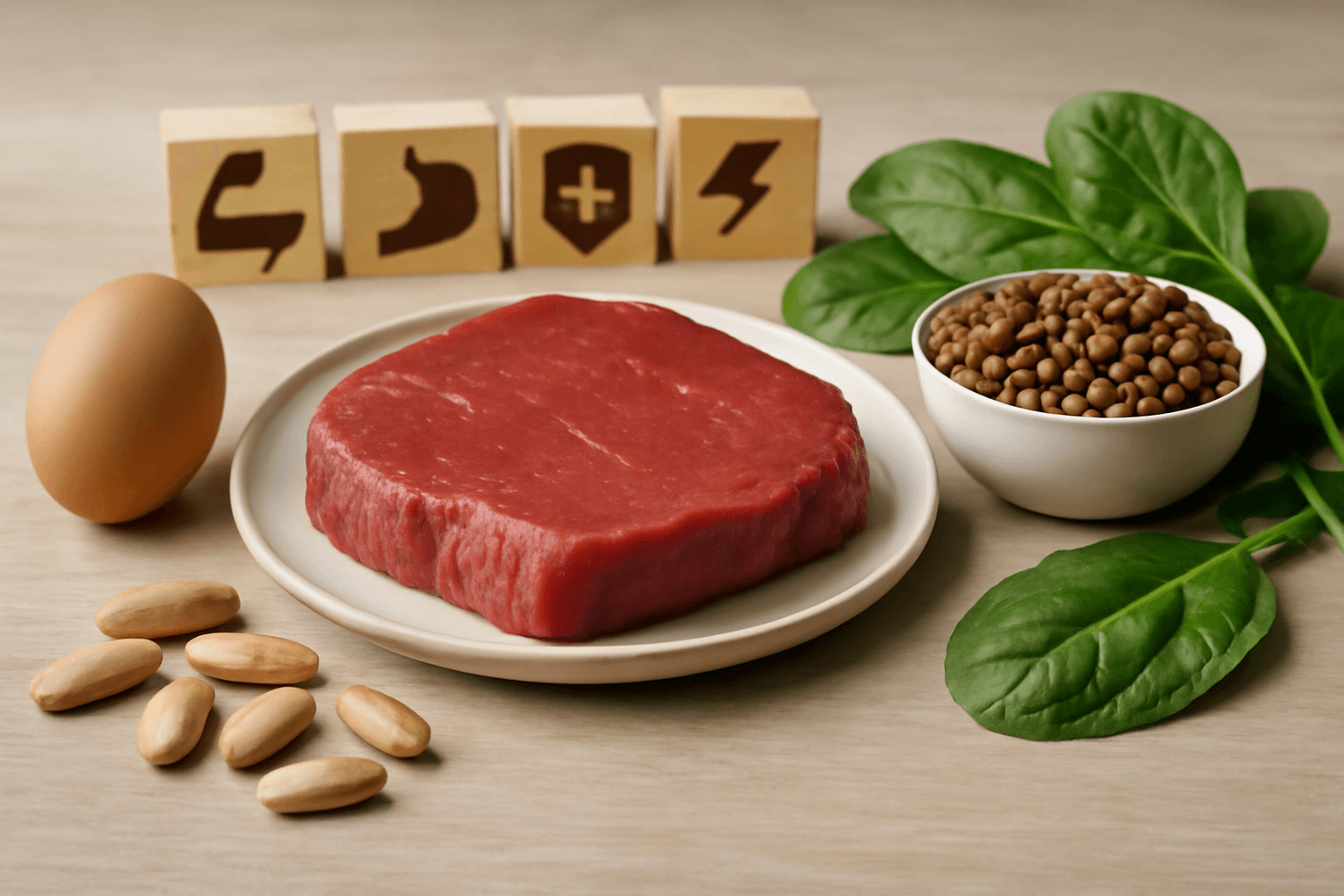
Daily protein requirements are 0.8–1.2g per kilogram of body weight. An adult weighing 70kg needs 56–84g of protein per day, and should consume even more if exercising or if hair is damaged. Protein can be obtained from the following foods:
- Animal-based protein: Chicken breast (31g per 100g), eggs (6g per egg), fish (20–25g per 100g), beef (26g per 100g)
- Plant-based protein: Tofu (15g per 100g), legumes (12–15g per 100g), nuts (5–6g per 28g)
Consume protein evenly throughout the day, preferably divided across at least three meals, which is beneficial for consistent nutrient supply to hair follicles. In particular, including adequate protein in breakfast activates hair follicle metabolism throughout the day.
Stress Management: The Importance of Hormonal Balance
Chronic stress elevates cortisol hormone levels, which can disrupt the hair growth cycle and trigger telogen effluvium. Research shows that cortisol levels in stressed individuals can increase by more than 40%, which worsens blood circulation to hair follicles.
Hair loss from stress often appears 2–3 months after a stressful event. While hair growth cycle is 3–6 years, the telogen phase is 2–3 months. Therefore, current hair loss may be caused by stress from several months ago.
Effective stress management methods:
- Meditation and mindfulness: 10–15 minutes of daily meditation can reduce cortisol levels by 20%
- Exercise: 3–4 times per week, 30+ minutes of aerobic exercise regulates stress hormones
- Sleep: 7–9 hours of adequate sleep is essential for maintaining hormonal balance
- Social relationships: Meeting friends or family at least once a week provides emotional stability
Additionally, magnesium deficiency is associated with increased stress. Consuming 300–400mg daily of magnesium-rich foods such as pumpkin seeds, almonds, and spinach helps relieve stress.
Blood Sugar Balance: The Relationship Between Insulin Resistance and Hair Loss
Unstable blood sugar that rises and falls rapidly can lead to insulin resistance. With insulin resistance, androgens (male hormones) increase, which can worsen androgenetic alopecia. In particular, insulin resistance is a major cause of hair loss that appears with polycystic ovary syndrome (PCOS) in women.
Ways to maintain stable blood sugar:
- Low glycemic index (GI) foods: Prioritize whole grains (oats, barley), lentils, and green vegetables
- Fiber intake: 25–35g of daily dietary fiber can reduce blood sugar spikes by 27%
- Meal order: Eating protein and vegetables first, then carbohydrates last, reduces blood sugar spikes by 32%
- Anemia management: Blood sugar instability worsens with iron deficiency, so iron levels should be checked
High-glucose foods (white rice, white bread, processed snacks) should be limited to 25% or less of daily intake as they cause rapid blood sugar spikes. When blood sugar management improves, you may notice improvements in hair condition within 3–6 months.
Collagen: A Strengthening Agent for Hair Structure
Collagen makes up the connective tissue around hair follicles and maintains hair elasticity and moisture content. As we age, collagen synthesis decreases by about 1% annually, which is directly linked to reduced hair thickness. Since collagen depletion begins after age 25, intentionally increasing collagen intake is necessary.
How collagen works:
- Strengthens the collagen layer around follicles to stabilize hair roots
- Provides antioxidant protection of follicles from oxidative stress
- Strengthens bonds between hair cuticle layers to prevent damage
Since collagen is a type of protein, bioavailability should be considered when taking collagen supplements or collagen peptides. Hydrolyzed collagen with a molecular weight of 2,000Da or less has the best absorption. Research shows that consuming 10–20g of collagen peptides daily increases hair elasticity by 13% after 8 weeks.
Natural food sources of collagen:
- Bone broth: Bone broth simmered for 12+ hours is rich in collagen, glutamine, and glycine
- Fish skin and scales: Collagen is abundant in fatty fish like salmon and mackerel
- Chicken cartilage: Contains approximately 5g of collagen per 100g
- Pig trotters: Collagen converts to gelatin with prolonged cooking
Collagen absorption increases by 25% when consumed with vitamin C. Therefore, it is effective to consume collagen-rich foods or supplements together with vitamin C-rich foods like orange juice and kiwi.
Bone Broth: A Source of Comprehensive Nutrients
Bone broth is a broth made by simmering bones at low temperature for 12+ hours, containing amino acids like collagen, glutamine, glycine, and proline, as well as minerals like calcium, magnesium, and phosphorus. The benefits of bone broth, long used in traditional medicine, are now being scientifically validated.
Hair health effects of bone broth:
- Glutamine: Improves gut health and increases nutrient absorption rate. A healthy gut properly absorbs iron, zinc, and vitamin B12
- Glycine: An amino acid essential for collagen synthesis that improves sleep quality by 25% and lowers cortisol levels by 13% at 3g daily intake
- Proline: Strengthens connective tissue of hair follicles
Effective bone broth preparation method:
- Use 500g of organic beef or chicken bones
- Add bones to 2L of water and simmer on low heat for 12–24 hours
- Add 1 tablespoon of vinegar (to promote collagen extraction) or a handful of ginger (to improve digestion)
- Finished broth can be stored in the refrigerator for one week or in the freezer for 3 months
- Drink 1–2 cups (240–480ml) daily warm or use in cooking
Bone broth also benefits immunity, gut health, and joint health. In particular, when gut health improves, absorption efficiency of iron, zinc, and vitamin B12 needed for hair increases significantly.
Zinc: Defender of the Immune System and Hair Follicles
Zinc is a mineral essential for hair follicle cell proliferation and differentiation. Zinc deficiency manifests as hair loss, skin conditions, and weakened immunity. In particular, research shows that serum zinc levels in patients with alopecia areata are 20–40% lower than in healthy individuals.
Hair health functions of zinc:
- Hair follicle cell growth: Zinc regulates the activity of 5-alpha reductase to prevent androgenetic alopecia
- Immune regulation: Zinc deficiency disrupts Th1/Th2 immune balance and worsens autoimmune hair loss
- Antioxidant action: Zinc is an essential element of SOD (superoxide dismutase) that neutralizes oxidative stress in follicles
- Protein synthesis: Participates in 200+ enzymes essential for keratin synthesis
The daily zinc requirement for adults is 11mg for men and 8mg for women. Excess intake can interfere with copper absorption, so daily intake should not exceed 40mg. Major food sources of zinc:
- Oysters: 16mg per 100g (the richest natural source)
- Beef: 7mg per 100g
- Pumpkin seeds: 8.5mg per 28g
- Cashews: 5.6mg per 28g
- Lentils: 6.6mg per cup
- Eggs: 0.6mg per egg
Zinc does not dissolve well in water, so consuming it with other minerals during meals can interfere with absorption. In particular, calcium, iron, and dietary fiber competitively inhibit zinc absorption, so it is best to take zinc supplements 1 hour before or 2 hours after meals.
Medical professional consultation needed: If you suspect low zinc levels, a serum zinc test should be performed. Zinc supplements should be taken under medical supervision.
Summary: Key Strategies for Hair Health
Healthy hair is not built overnight. Since hair growth cycle is 3–6 years, it takes a minimum of 3–6 months to see results from nutritional management. The following are key strategies for hair health:
- Establish a protein foundation: Daily consumption of 0.8–1.2g of protein per kilogram of body weight to ensure keratin supply
- Reduce stress: Regulate cortisol hormone through meditation, exercise, and adequate sleep
- Stabilize blood sugar: Prevent insulin resistance through low GI foods and fiber intake
- Supply collagen: Consume 10–20g daily of collagen peptides from bone broth, fish skin, etc.
- Ensure adequate zinc: Maintain daily zinc intake of 11mg for men and 8mg for women
- Improve gut health: Enhance nutrient absorption efficiency with bone broth rich in glutamine and glycine
Additionally, iron deficiency (ferritin levels below 30ng/mL) is also a common cause of hair loss. Vitamin B12 deficiency and folate deficiency should also be checked. If hair loss continues after 3 months despite nutritional management, it is important to consult a dermatologist and undergo blood tests to check for nutrient deficiencies, hormonal imbalances, and thyroid dysfunction.
Hair health is a mirror of overall health. When a balanced diet, stress management, adequate sleep, and regular exercise are combined, healthy hair grows from within.