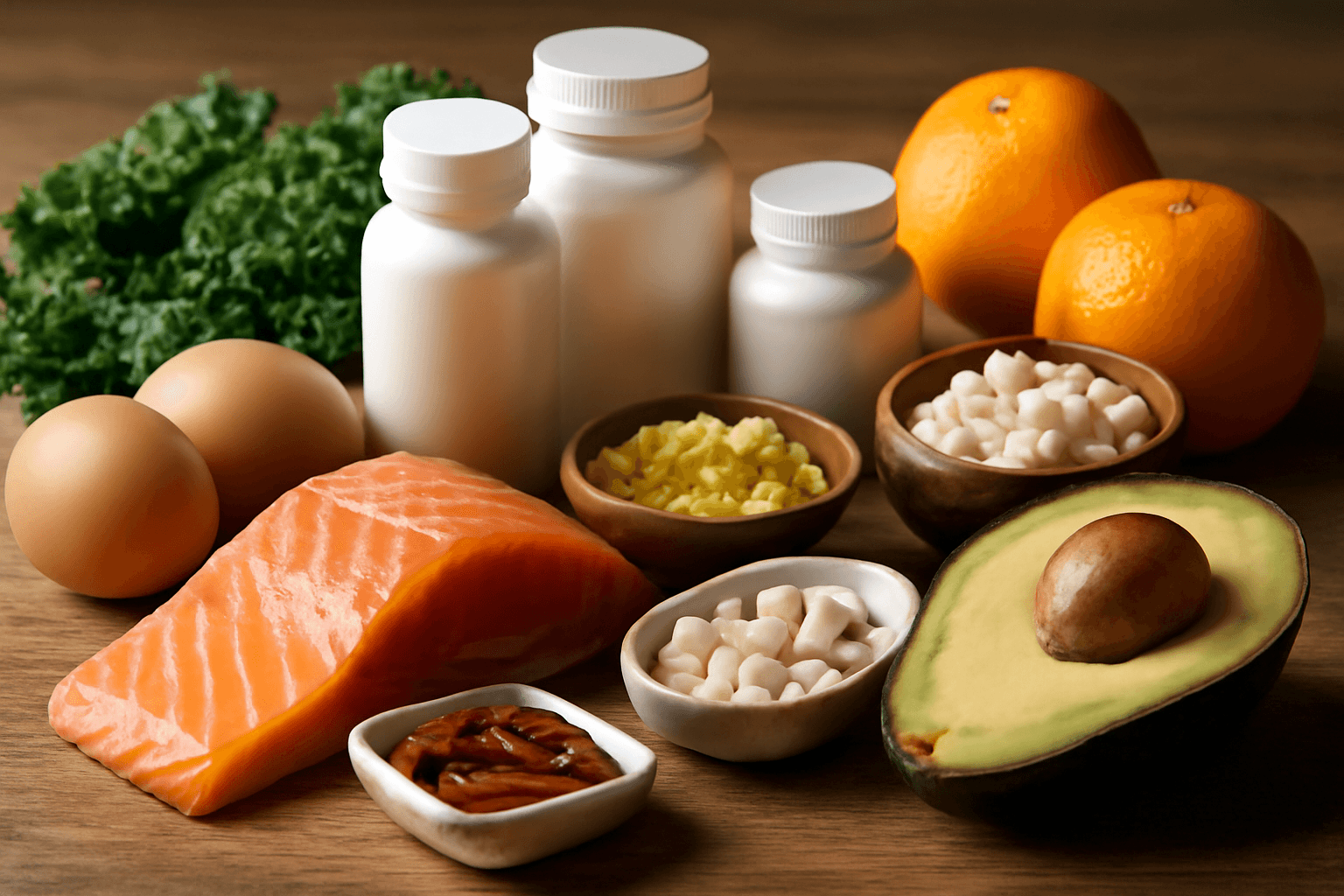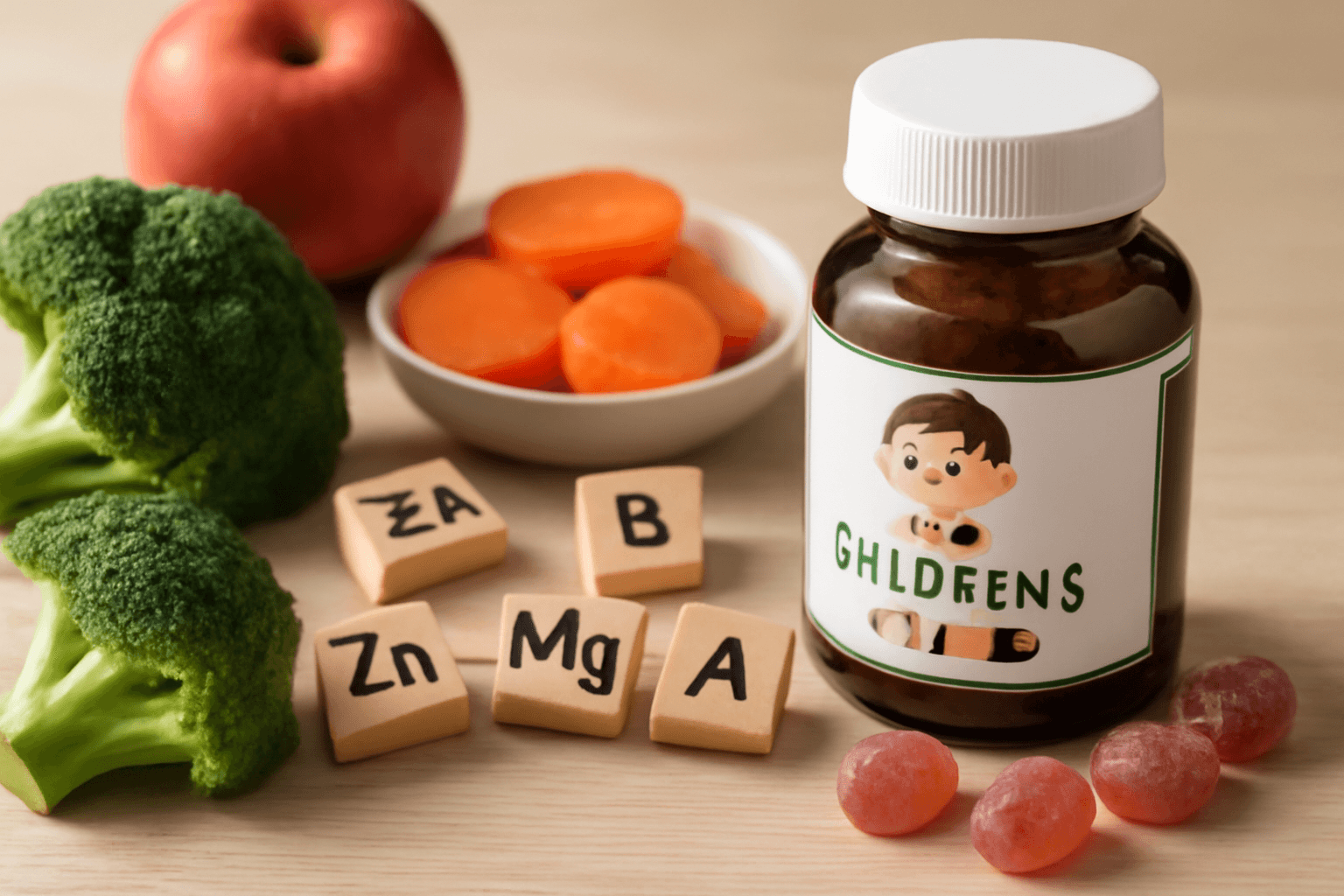
Vitamins and micronutrients essential for children's growth and development cannot be addressed through supplements alone; a comprehensive consideration of actual diet and individual health status is necessary. This article specifically explains which children need vitamin supplementation, which nutrients are prone to deficiency, and which foods contain each nutrient. We also present recommended micronutrient intake by age for children aged 4-13 and criteria for selecting safe supplements to help parents make informed decisions about their children's nutritional management.
Which Children Need Vitamin Supplements?
Not all children require supplements, but vitamin and micronutrient supplementation is recommended in specific situations. Children who are picky eaters, children from vegetarian or vegan households, and children with digestive disorders require special attention. Additionally, children living in regions with limited sunlight or those with darker skin tones face higher risks of vitamin D deficiency.
Supplements can also be helpful when certain food groups must be avoided due to allergies. For example, children with milk allergies may have insufficient calcium and vitamin D intake, and those with nut allergies may develop magnesium deficiency. Children consuming high amounts of convenience foods in recent times also face increased risks of essential micronutrient deficiency.
Medical Professional Guidance: Before starting supplements, always consult with a pediatrician or nutritionist. Blood tests can confirm actual deficiencies and help avoid unnecessary supplement use.
Nutrients Prone to Deficiency
The most commonly deficient nutrients among children are iron, vitamin D, calcium, and zinc. According to the World Health Organization (WHO), approximately 30% of children worldwide suffer from iron-deficiency anemia. Iron deficiency can lead to reduced learning ability, weakened immune function, and behavioral problems.
Vitamin D deficiency is particularly a serious issue for modern children. Natural vitamin D production has decreased due to increased indoor activities and lifestyle habits involving sunscreen use. The American Academy of Pediatrics recommends vitamin D supplementation of 400-1000 IU daily for all infants and children.
Zinc is essential for immune function, protein synthesis, and DNA synthesis. Children following a vegan diet face higher zinc deficiency risk, as the bioavailability of animal-based zinc is significantly higher than plant-based zinc. Magnesium is important for bone health, nervous system function, and muscle relaxation, and is especially needed for stressed children.
Iron-Rich Foods
Iron exists in two forms. Heme iron found in meat, seafood, and poultry has high absorption rates of 20-30%, while non-heme iron from plant foods shows lower absorption rates of 2-20%. Red meat contains approximately 2.6mg of iron per 100g, while chicken contains 0.7mg per 100g.
Iron-Rich Foods:
- Meat: beef, lamb, pork (1.8-2.7mg per 100g)
- Fish: salmon, tuna, oysters (0.8-28mg per 100g)
- Plant Foods: spinach, kale (2.7-3.2mg per 100g)
- Legumes: lentils, black beans, chickpeas (3.3-8.8mg per 100g)
- Fortified Grains: iron-fortified cereals (4.5-18mg per serving)
- Raisins, dried apricots, pumpkin seeds
To enhance iron absorption, consume vitamin C alongside iron foods. Eating iron-rich foods with orange juice, strawberries, or bell peppers can increase absorption rates by up to three times. Conversely, tea, coffee, and milk inhibit iron absorption, so avoid them immediately after meals.
Foods Containing Vitamin D
Foods naturally containing vitamin D are very limited. Fatty fish is the most abundant source, with salmon containing 447 IU and mackerel 400 IU per 100g of vitamin D. One egg yolk contains approximately 37 IU of vitamin D, while one cup (240ml) of milk typically has 100 IU added through fortification.
Vitamin D-Containing Foods:
- Fatty Fish: salmon, mackerel, sardines, trout (360-1360 IU per 100g)
- Eggs: yolk (37-110 IU per egg)
- Mushrooms: sun-dried mushrooms (over 1600 IU per 100g)
- Fortified Dairy: milk, yogurt, cheese
- Fortified Soy and Almond Drinks (100-140 IU per cup)
- Liver (beef, veal)
Sunlight exposure promotes the body's natural vitamin D production. When skin is exposed to ultraviolet light, vitamin D3 is synthesized; exposure to sunlight for 10-30 minutes at least three times per week is recommended. However, considering UV damage and skin cancer risk, avoid excessive sunscreen use while preventing prolonged exposure. During winter or when living in high-latitude regions, it is difficult to obtain sufficient vitamin D from sunlight alone, so supplementation through supplements or fortified foods is necessary.
Micronutrient Requirements for Children Ages 4-13
The amount of nutrients needed varies by age and sex. Based on the Recommended Dietary Allowance (RDA) from the National Academy of Medicine, the following applies:
Children Ages 4-8:
- Iron: 10mg/day (boys and girls equally)
- Calcium: 1,000mg/day
- Magnesium: 130mg/day
- Zinc: 5mg/day (boys), 5mg/day (girls)
- Vitamin A: 400μg/day
- Vitamin C: 25mg/day
- Vitamin D: 600 IU/day (15μg)
Children Ages 9-13:
- Iron: 8mg/day (boys), 8mg/day (girls, through age 13)
- Calcium: 1,300mg/day
- Magnesium: 240mg/day (boys), 240mg/day (girls)
- Zinc: 8mg/day (boys), 8mg/day (girls)
- Vitamin A: 600μg/day (boys), 600μg/day (girls)
- Vitamin C: 45mg/day (boys), 45mg/day (girls)
- Vitamin D: 600 IU/day (15μg)
B Complex Vitamins: B1 (thiamine) 0.9-1.2mg/day, B2 (riboflavin) 0.9-1.3mg/day, B3 (niacin) 12-14mg/day, B6 (pyridoxine) 1.0-1.3mg/day, B12 (cobalamin) 1.8-2.4μg/day. These requirements can typically be met through a general balanced diet, so consult with a healthcare professional only if deficiency is suspected.
Best Children's Supplements
When selecting supplements, consider multiple criteria. First, choose products that have received third-party verification (NSF International, USP, ConsumerLab). These certifications verify that the product's label claims are accurate and that it is free from contaminants. Additionally, products labeled "for children" have dosages adjusted for children's ages and needs.
Supplement Selection Criteria:
- Form: Children prefer chewable tablets, liquids, or powders. Due to choking risk, only provide tablets to children ages 5 and older.
- Content: To avoid overdose, choose products that do not exceed 100% of the RDA.
- Ingredient Check: Verify that unnecessary additives, artificial colors, and high-fructose corn syrup are absent.
- Taste and Flavor: Children should be able to take them without resistance.
Multivitamins vs. Individual Supplements: Generally, multivitamins offer convenience but may have difficulty meeting exact individual nutrient needs. When specific nutrients are deficient, individual supplements are more effective. For example, providing a multivitamin to a child lacking only vitamin D may result in excess intake of other nutrients.
Popular Children's Supplement Types:
- Multivitamin gummies (containing vitamins A, C, D, E, and B complex)
- Calcium supplements (with added vitamin D3)
- Iron supplements (for picky eaters)
- Vitamin D3 liquid (for infants and young toddlers)
- Comprehensive micronutrient powder (can be mixed with water)
Safety Precautions: Store supplements out of children's reach. Unintentional overdose can be particularly dangerous with iron and vitamin A. If poisoning is suspected, immediately call the Poison Control Center (1-800-222-1222 in the U.S.).
Conclusion
Adequate nutrient intake for healthy growth and development in children is very important. Ideally, all necessary nutrients should be obtained through a balanced diet consisting of colorful foods, proteins, whole grains, and dairy products. However, in situations involving picky eating, allergies, digestive disorders, or specific diets, vitamin and micronutrient supplements can be helpful.
Key Summary:
- Not all children require supplements; the decision should be made after a healthcare professional's diagnosis.
- Iron, vitamin D, calcium, and zinc are the most commonly deficient nutrients among children.
- Adequate nutrients can be obtained from natural foods such as fatty fish, eggs, fortified grains, spinach, and legumes.
- Select appropriate dosages of supplements considering age-specific recommended dietary intake.
- Choose third-party verified, child-specific supplements and always consult with healthcare professionals.
- Supplements cannot replace a healthy diet and serve only a supplementary role.
We recommend that parents first assess their children's eating habits and living environment, and take a wise approach of introducing supplements only when necessary. Through regular health check-ups and consultation with healthcare professionals, you can monitor your child's nutritional status and create an optimal environment for children to grow healthy and energetically.