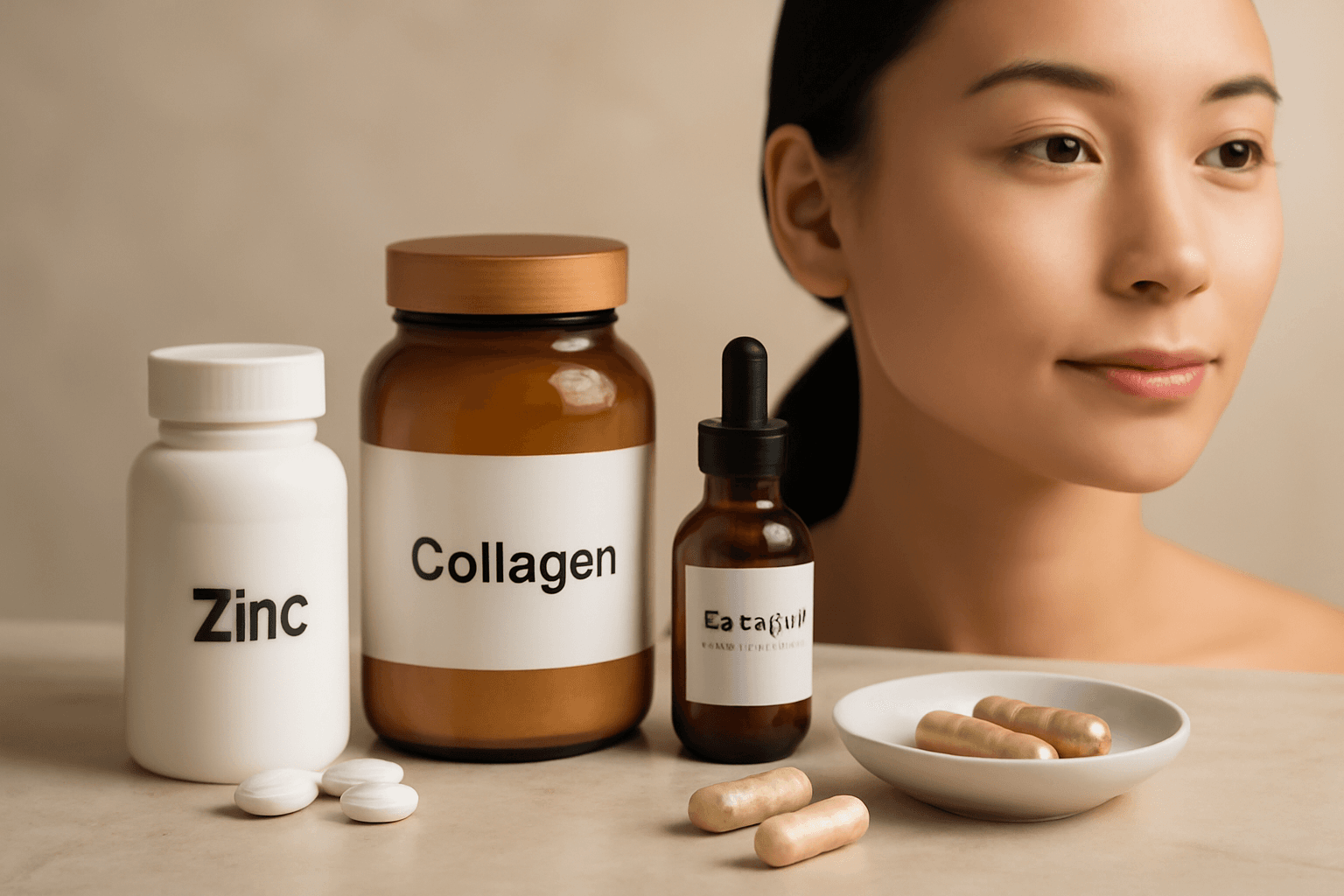
Collagen peptides are a component that has recently gained attention in the beauty and health industries. This ingredient, which is collagen broken down into small molecular-sized peptides, is known for its various effects including improved skin elasticity, joint health support, and hair strengthening. Collagen peptides are used in two forms: topical application and oral consumption. This article provides science-based information on how collagen peptides work, their effects, and their actual efficacy.
How Do Peptides Work on the Skin?
Peptides are small protein molecules composed of amino acid chains. Looking at skin structure, approximately 70% of the dermis layer consists of collagen, which plays a key role in maintaining skin elasticity and structure. Collagen peptides are created by enzymatically hydrolyzing collagen to reduce its molecular weight to 2,000-5,000 Daltons, resulting in an absorption rate in the body that is over 90% higher than regular collagen.
The mechanism by which peptides work on the skin is as follows:
- Fibroblast stimulation: Binding to peptide receptors in the skin to promote collagen and elastin production
- Enhanced moisture retention: Improving the skin's ability to retain moisture and providing hydration benefits
- Antioxidant action: Preventing damage from free radicals to delay aging
- Reduced inflammation: Alleviating inflammation in areas affected by acne and skin irritation
In particular, for oral collagen peptides, amino acids (glycine, proline, and hydroxyproline) broken down during protein metabolism circulate through the bloodstream and accumulate in the skin's dermis layer. These amino acids are used as basic materials for new collagen synthesis, contributing to improved skin elasticity.
What Are Topical Peptides?
Topical peptides are directly included in skincare products such as creams, serums, and sheet masks and are applied to the skin's surface. This method has the advantage of peptides rapidly penetrating the epidermis to provide immediate effects.
Main types and effects of topical peptides:
- Matrixyl: Stimulates the production of collagen types 1 and 3, with a reported 30% improvement in wrinkle reduction
- Argireline: Alleviates excessive muscle contractions to prevent dynamic wrinkles
- Palmitoyl Pentapeptide: Promotes collagen synthesis in the dermis and increases skin thickness
- Copper Peptide: Provides antioxidant and anti-inflammatory action to help with acne relief and skin damage healing
The effects of topical peptides vary depending on the user's skin type, concentration, and product formulation. Generally, noticeable changes can be observed with consistent use for at least 4 weeks, and more significant improvements can be expected with long-term use for 12 weeks or longer. However, there is a limitation in that the relatively large molecular size makes it difficult for these peptides to penetrate deeply into the epidermis.
What Are Oral Peptides?
Oral collagen peptides are products consumed in powder, capsule, or beverage forms. The oral consumption method differs from topical use in that it can provide systemic effects. Oral collagen peptides are broken down into smaller amino acids and oligopeptides by stomach acid and digestive enzymes, then absorbed in the small intestine.
Absorption process of oral peptides:
Oral collagen is absorbed through the epithelial cells of the small intestine, enters the bloodstream, and is distributed throughout the body. It particularly accumulates in collagen-rich tissues such as the skin, joints, hair, and nails, where it serves as a substrate for new collagen synthesis.
According to clinical research, people who consumed oral collagen peptides for 8 weeks or more showed a 28% increase in skin moisture content and a 15% improvement in skin elasticity. Additionally, improvements in joint flexibility, increased hair thickness, and nail strengthening have been reported.
Considerations when choosing oral peptides:
- Molecular weight verification: Low-molecular collagen peptides of 2,000-3,000 Daltons have the highest absorption rate
- Source verification: The amino acid composition varies depending on the animal source (beef, pork, fish, etc.)
- Additional ingredients: Synergistic effects can be expected when vitamin C, hyaluronic acid, glucosamine, and other components are included
- Daily intake: It is generally recommended to consume 5-15g daily
Since oral products undergo digestion, their effects appear more slowly than topical products, but they have the advantage of providing comprehensive improvements from within.
So Are Peptides Really Good for Skin?
The skin effects of collagen peptides are based on considerable scientific evidence. However, actual effects vary depending on the product form, method of use, and individual skin condition.
Proven major effects:
- Wrinkle reduction: Using topical peptide-containing products for 12 weeks resulted in an average 20% reduction in fine lines around the eyes
- Skin hydration: Oral collagen peptide consumption continuously increases moisture content in the skin's stratum corneum
- Skin elasticity: Regular consumption improves skin elasticity index and is effective for sagging skin improvement
- Acne relief: Components such as copper peptide reduce inflammation and promote skin regeneration
However, there is an important caveat. The effects of collagen peptides vary significantly from person to person. Various variables such as genetic factors, age, lifestyle habits, diet, and degree of sun exposure affect skin condition. Additionally, some exaggerated claims made on certain products (such as "wrinkles removed in 3 days") lack scientific basis.
Recommended usage for optimal results:
- Using topical and oral products together can provide synergistic effects
- Consistent use for at least 8-12 weeks is necessary
- Effects are maximized when used with sun protection (SPF 30 or higher)
- Adequate water intake and a balanced diet should accompany use
- Sleep and stress management also play important roles in skin health
Medical precautions: Before using collagen peptide products, especially if you have sensitive skin, thyroid disease, kidney disease, or are taking certain medications, it is advisable to consult with a dermatologist or internist. People with allergies to animal-derived collagen should start with marine collagen (fish-based) or consider plant-based alternatives.
Summary
Collagen peptides are not a mere passing trend but a skin health component backed by scientific evidence. Peptides stimulate skin fibroblasts to promote collagen production and help with acne relief and anti-aging through antioxidant and anti-inflammatory action.
Key points:
- Topical peptides provide quick results, with Matrixyl and copper peptides showing proven efficacy
- Oral peptides provide systemic effects, and skin moisture improvement and elasticity increase can be expected when consumed consistently for 8 weeks or longer
- For maximum effects, topical and oral products should be used together, along with sun protection, adequate water intake, and regular lifestyle habits
- Since individual results vary significantly, use for at least 12 weeks or longer to determine the actual effects on you personally
- It is safer to consult with a healthcare professional before use if you have certain health conditions or are taking medications
The skin is the body's largest organ, and both internal health and external care are important. Collagen peptides are most effective when utilized as part of comprehensive skin health management.