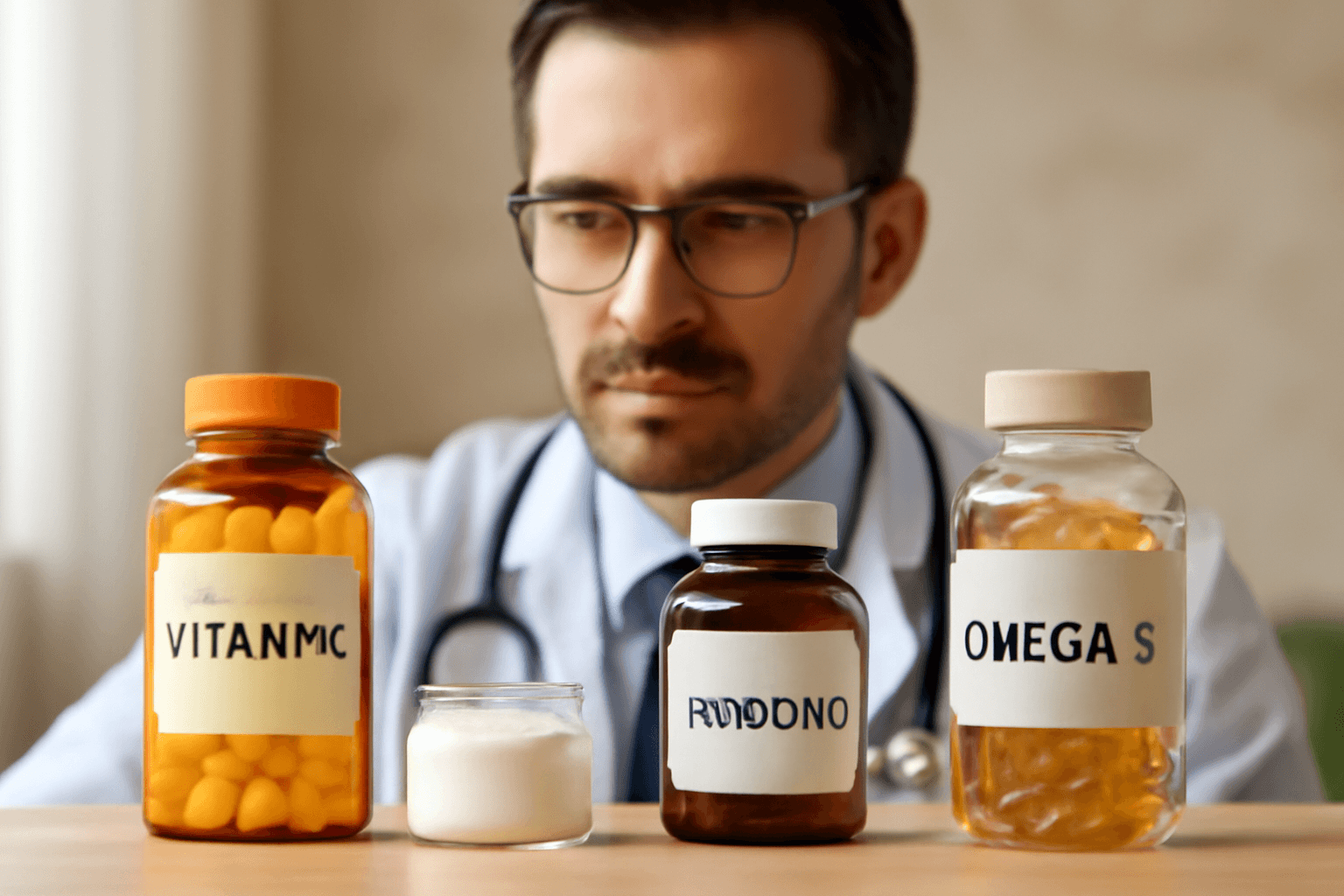
Three nutritional components are gaining attention for supporting modern health and wellness. They are fish oil, probiotics, and collagen. These three ingredients serve as key elements for cardiovascular health, gut health, and skin and joint health respectively, and through proper intake, they can help strengthen immunity and alleviate stress. In this article, we will examine the scientific evidence and practical consumption methods for each component in detail.
Fish Oil: The Foundation of Cardiovascular Health
Fish oil is a rich source of omega-3 fatty acids extracted from oily fish. The key components, EPA (eicosapentaenoic acid) and DHA (docosahexaenoic acid), are effective at reducing blood triglycerides and improving blood vessel elasticity. The American Heart Association recommends consuming fish at least twice a week, which translates to approximately 250mg of EPA and DHA intake for the average person.
The Impact of Omega-3 on Cholesterol
The most notable effect of fish oil is that it reduces LDL cholesterol (bad cholesterol) by an average of 5-10% and lowers blood triglycerides by 15-30%. Meanwhile, it tends to slightly increase HDL cholesterol (good cholesterol). A large-scale clinical trial published in 2019 showed that daily intake of 4g of fish oil supplement significantly reduced triglycerides after 8 weeks.
Brain Health and Anti-inflammatory Effects
Omega-3 fatty acids are not limited to just supporting vascular health. DHA is a major component that makes up 30% of brain cell membranes and promotes signal transmission between nerve cells. Animal studies have confirmed that DHA intake helps delay cognitive decline and alleviate depression symptoms. Additionally, EPA has strong anti-inflammatory properties that help reduce stress responses caused by chronic inflammation.
Choosing and Taking Fish Oil Correctly
- Check Purity: Choose products that have undergone molecular distillation to remove heavy metals and contaminants
- Daily Intake: 1,000-2,000mg for the general population; up to 4,000mg possible for hypertriglyceridemia patients under medical supervision
- Timing of Intake: Take with food to promote fat absorption
- Storage Method: Store in the refrigerator to prevent oxidation; consume within 2 months of opening
Caution: If you are taking blood thinners such as warfarin, be sure to consult with your doctor before starting fish oil supplements.
Probiotics: Guardians of Gut Health
Probiotics are beneficial microorganisms that inhabit our digestive tract. The human gut is home to approximately 100 trillion microorganisms, which play central roles in nutrient absorption, immune system formation, and elimination of harmful substances. When the balance of probiotics is disrupted, it can lead to digestive discomfort, weakened immunity, and even increased stress.
The Correlation Between Gut Health and Immunity
The importance of gut health stems from the fact that 70% of our immune system is concentrated in the gut. Probiotics maintain the integrity of the intestinal barrier and form a defensive shield that blocks the invasion of harmful bacteria. According to a systematic review published in 2020, probiotic supplementation reduced the incidence of upper respiratory infections by 20-30% and shortened antibiotic use by 1.3 days. Additionally, probiotics produce short-chain fatty acids that lower pH levels in the gut and inhibit the proliferation of harmful bacteria.
Stress Management and the Gut-Brain Axis
The gut and brain communicate bidirectionally through the vagus nerve. This is called the "gut-brain axis," and probiotics promote the production of neurotransmitters such as GABA and serotonin. In fact, experimental groups that consumed specific probiotic strains (Lactobacillus and Bifidobacterium) showed a 20-25% reduction in anxiety scores and lower cortisol (stress hormone) levels. These effects typically begin to appear after 4-8 weeks.
Criteria for Selecting Effective Probiotics
- CFU Count: At least 1 billion (10^9) CFU or higher; generally 10-50 billion CFU products are recommended
- Strain Diversity: Mixed products with 5 or more strains such as Lactobacillus, Bifidobacterium, and Acidophilus rather than single-strain products
- Survival Rate: Choose coated capsule products as the survival rate of bacteria reaching the intestines is important
- Storage: Refrigerated products should be kept at 4°C; room temperature products should be stored in low-humidity areas
Synergistic Effects with Prebiotics
To maximize the effects of probiotics, it is effective to consume them together with prebiotics (dietary fiber). Prebiotics are food components that promote the growth of beneficial bacteria and are abundant in onions, garlic, bananas, and oats. When consumed together, this is called "synbiotics," and it has been shown to be 40% or more superior in improving gut health compared to individual intake.
Caution: For patients with severe immune deficiency, those who have recently undergone surgery, or those taking antibiotics, consultation with a doctor is necessary before taking probiotics.
Collagen: The Foundation of Skin and Joints
Collagen is the most abundant protein component in the human body, making up approximately 30% of total protein. It is a major component of nearly all connective tissues, including skin, bones, tendons, cartilage, and blood vessels. Since collagen production decreases by about 1% annually with age, intentional supplementation is necessary.
The Structure and Function of Collagen
Collagen consists of a triple helix with a spiral structure, and this structure determines skin elasticity and the shock-absorbing capacity of cartilage. There are currently 28 known types of collagen, of which Type I collagen accounts for 85% of skin and Type II accounts for 50-70% of cartilage. Type III collagen is responsible for the elasticity of blood vessels and organs. Collagen deficiency manifests as wrinkles, sagging skin, joint pain, and blood vessel fragility.
Skin Health Improvement Effects
Oral collagen (or collagen peptides) is broken down into amino acids and di- and tripeptides during digestion and absorbed in the small intestine. In a 2019 study, women who consumed 2.5-10g of collagen peptides daily for 8 weeks showed a 28% increase in skin moisture content and a 15% improvement in skin elasticity. Additionally, with continuous intake for 6 months, wrinkle depth decreased by 20% and skin radiance was significantly improved. These effects are further maximized when combined with vitamin C intake, as vitamin C is essential for collagen synthesis.
Joint Health and Athletic Performance
Type II collagen is a key component of cartilage, determining joint flexibility and strength. According to research published in sports medicine journals, in athlete and general populations with joint pain who consumed 10g of collagen peptides for 12 weeks, joint pain decreased by 30-40%. Particularly notable improvements were reported in pain in the knees, hips, and shoulders, with increased comfort during physical activity. Collagen also strengthens the bone matrix, increasing bone density, and is particularly useful in preventing osteoporosis in post-menopausal women.
Optimal Conditions for Collagen Intake
- Molecular Size: Choose collagen peptides (molecular weight 2,000-5,000 Da) for absorption rates exceeding 90%
- Vitamin C Supplementation: Simultaneous intake of 50-100mg of vitamin C daily to promote collagen synthesis in the body
- Intake Amount and Duration: 5-10g daily; expect results after continuous intake for at least 8-12 weeks
- Timing of Intake: Taking on an empty stomach in the morning or before bed at night is advantageous for improved absorption
- Protein Balance: Collagen alone is insufficient, so consume a variety of proteins such as eggs, tofu, and fish
Lifestyle Habits That Promote Collagen Production
Along with supplement intake, lifestyle habits that stimulate collagen production are important. UV radiation is a major cause of collagen breakdown, so sunscreen use is essential. Additionally, growth hormone is secreted during sleep (particularly between 10 PM and 2 AM), when collagen synthesis becomes active, so regular and sufficient sleep is important. Resistance exercise and gentle stretching stimulate collagen remodeling, while quitting smoking and limiting alcohol are also essential for maintaining skin health.
Caution: Collagen supplements are derived from fish or livestock, so verification is necessary if there are religious restrictions. Additionally, excessive intake may rarely cause digestive discomfort or allergic reactions, so it is best not to exceed recommended amounts.
The Synergistic Effects of All Three Components
Fish oil, probiotics, and collagen are each highly effective, but they demonstrate synergistic effects when taken together. Probiotics increase the absorption rate of omega-3 in fish oil, and the anti-inflammatory action of fish oil improves gut health, which promotes collagen absorption. Additionally, all three components are involved in protein metabolism, so when taken together, muscle maintenance and recovery capacity are improved. These combined effects are particularly pronounced in adults over 40.
Summary: Key Points of the Three Components
Fish Oil (Omega-3) improves blood triglycerides and cholesterol, and provides brain health and anti-inflammatory benefits. Daily intake of 1,000-2,000mg is recommended, and absorption is improved when taken with food.
Probiotics strengthen the immune system, which makes up 70% of gut health, and alleviate stress and anxiety symptoms through the gut-brain axis. Selecting diverse products with at least 10 billion CFU and 5 or more strains is effective.
Collagen improves skin moisture and elasticity, strengthens joint health, and increases bone density. Pronounced effects appear when 5-10g is consumed daily with vitamin C for 8 weeks or longer.
Proper selection and consistent intake of all three components is a comprehensive health strategy that supports internal health to external beauty in all directions. However, if you have existing conditions or are taking medications, it is safest to consult with a healthcare professional to develop an intake plan tailored to your individual health status.