Nicotinamide is a form of vitamin B3 that is essential for energy metabolism, protein synthesis, and DNA repair in the human body. Our bodies require approximately 14-16mg of niacin daily, yet many people fail to consume adequate amounts. In particular, this nutrient demonstrates excellent efficacy for skin health, immune enhancement, and cholesterol management—aspects we will examine in depth.
What is Nicotinamide?
Nicotinamide is the amide form of vitamin B3, distinct from nicotinic acid. Molecularly, it features a pyridine ring with an amide group attached, and it converts within the body into the coenzymes NAD+ (nicotinamide adenine dinucleotide) and NADP+. These coenzymes participate in over 200 enzyme reactions, making them critically important substances.
The advantage of nicotinamide is that, unlike nicotinic acid, it causes virtually no flushing side effects from vasodilation. Therefore, individuals with sensitive skin can consume it with confidence. It is easily supplied through food and supplements, and because it is a water-soluble vitamin, excessive intake does not accumulate in the body.
Functions of Niacin
Niacin plays a central role in cellular energy production. It serves as an essential coenzyme in the conversion of carbohydrates, fats, and proteins into ATP (adenosine triphosphate), participating in over 10,000 cellular respiration reactions daily. If you experience energy deficiency, niacin deficiency may be the culprit.
Niacin also plays an important role in protein synthesis. It is essential for ribosomal function that combines amino acids to create new proteins, which directly affects muscle maintenance, antibody production, and enzyme synthesis. DNA repair mechanisms also heavily depend on niacin, as approximately 70,000 DNA damages occur daily, and niacin is involved in repairing them.
Additionally, niacin helps maintain digestive system health. It regulates gastric acid secretion and maintains the integrity of intestinal mucosa, while also contributing to the balance of gut microbiota. It is directly involved in immune system enhancement, supporting the normal function of T cells and B cells.
What is NAD?
NAD+ (nicotinamide adenine dinucleotide) is one of the most fundamental molecules for maintaining life. It exists in all cells of the body, with particularly high concentrations in the brain, heart, liver, and muscles—organs with active energy metabolism. NAD+ acts as a "taxi" transporting electrons in the electron transport chain of cellular respiration, and energy is generated through this process.
Interestingly, NAD+ levels decline sharply with age. Compared to people in their 20s, those in their 60s experience approximately a 50% decrease, which is identified as a major cause of age-related diseases. Recent research has demonstrated that elevating NAD+ levels is effective for anti-aging, improving mitochondrial function, and neuroprotection.
NAD+ also functions as a substrate for sirtuin proteins. Sirtuins are called "longevity genes" and include seven types (SIRT1-7) that are involved in DNA repair, cellular stress resistance, and metabolic regulation. By maintaining NAD+ levels through nicotinamide consumption, you can activate these anti-aging mechanisms.
Nicotinamide and Vitamin B3 Deficiency
Vitamin B3 deficiency remains a nutritional deficiency that occurs even in modern society. It shows particularly high incidence rates in chronic alcohol users, elderly individuals with restricted diets, and those taking certain medications. Anti-tuberculosis drugs like isoniazid, chemotherapy agents, and steroid medications interfere with niacin absorption or accelerate its metabolism.
The causes of deficiency are varied. Insufficient dietary intake is the most direct cause, but impaired niacin synthesis from tryptophan (an amino acid), reduced storage capacity due to liver damage from alcohol, and increased consumption from excessive physical stress are also major factors. Additionally, diabetic patients have increased niacin requirements due to elevated glucose metabolism.
The severe form of vitamin B3 deficiency is called pellagra, characterized by the "4D syndrome": Dermatitis, Diarrhea, Dementia, and Death. Historically, it occurred in large numbers among populations with corn as their staple food, and while rare in modern times, it is still reported in severe malnutrition situations.
Symptoms of Vitamin B3 Deficiency
Early deficiency symptoms vary widely, and in many cases, they are easily misdiagnosed as other conditions. The most common symptom is chronic fatigue and muscle weakness. As cellular energy production declines, even daily activities become difficult, with symptoms typically worsening around 2-3 PM.
- Neuropsychiatric symptoms: Reduced concentration, memory loss, depression, anxiety, and in severe cases, personality changes and hallucinations can occur. As deficiency progresses, neurodegenerative changes proceed irreversibly.
- Gastrointestinal symptoms: Nausea, vomiting, loss of appetite, abdominal bloating, and chronic diarrhea appear, and in severe cases, bloody stools may occur from intestinal mucosal inflammation.
- Skin symptoms: Symmetrical dermatitis develops in sun-exposed areas, particularly the neck, hands, and feet. It begins with erythema and progresses to hyperpigmentation, scaling, and ulceration.
- Oral and tongue symptoms: Tongue swelling, reddish discoloration, mouth pain, and oral ulcers develop, making eating difficult.
- Musculoskeletal symptoms: Muscle pain, joint pain, and stiffness occur, especially worsening after stress and exercise.
The more severe the deficiency, the more widespread the symptoms, and notably, nerve damage may not fully recover even after treatment, making early diagnosis and treatment critically important.
Skin Improvement Benefits
Nicotinamide has recently become one of the most notable ingredients in dermatological science. Multiple clinical studies have demonstrated its effectiveness in improving various skin conditions.
Acne improvement: According to a 2015 published study, participants using skincare products containing 4% nicotinamide for 8 weeks experienced a 35% reduction in acne lesions. Nicotinamide inhibits excessive sebum secretion from sebaceous glands and prevents the proliferation of acne-causing bacteria through anti-inflammatory action. Its antibacterial efficacy against Cutibacterium acnes has been specifically established.
Sensitive skin calming: Nicotinamide promotes ceramide synthesis, which strengthens skin barrier function. As the damaged skin barrier recovers, the penetration of irritating substances decreases, and transepidermal water loss (TEWL) reduces. These effects are particularly pronounced at concentrations of 5% or higher.
Wrinkle and aging improvement: In a 12-week clinical trial, participants using a 5% nicotinamide serum experienced a 27% and 15% reduction in fine lines and deep wrinkles, respectively. Nicotinamide promotes collagen production and prevents skin damage from free radicals through antioxidant action. Increased cellular energy through NAD+ elevation also promotes skin regeneration.
Hyperpigmentation improvement: Nicotinamide acts on the mechanisms that regulate melanin production. Specifically, it blocks signal transmission between bacteria and keratinocytes, reducing melanin transfer. Improvements in melasma, freckles, and general hyperpigmentation are observed after 6-8 weeks of use.
Acne scar improvement: Nicotinamide activates fibroblasts to promote collagen remodeling. It is particularly effective for shallow scars (rolling and boxcar scars), with meaningful improvements expected after 6 months or longer of continuous use.
Generally, using nicotinamide products at 2-5% concentration twice daily yields visible results after 4-12 weeks. Safety is excellent, and it can be used alongside other active ingredients (vitamin C, alpha-hydroxy acids, retinol) with minimal irritation.
Nicotinamide Sources
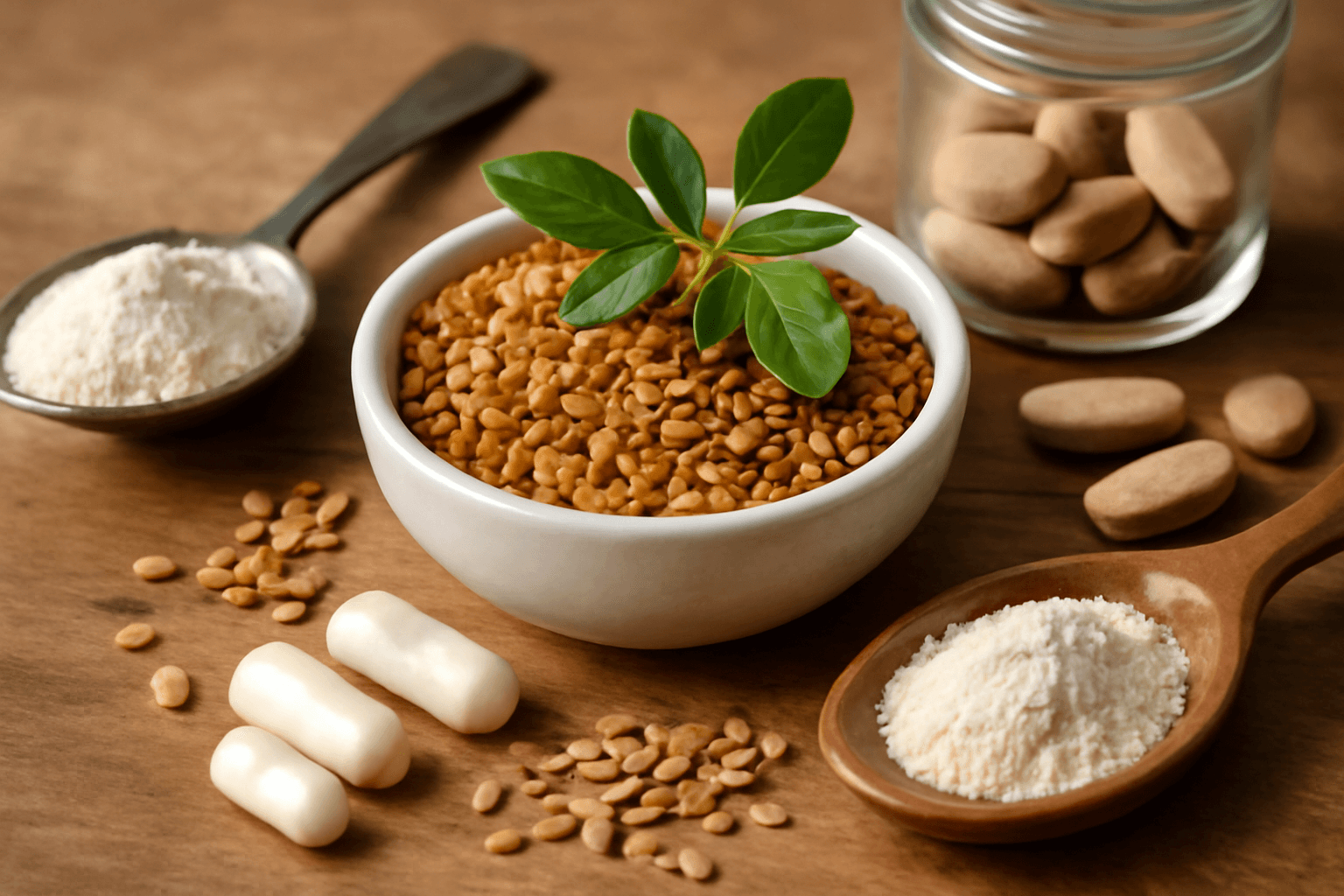
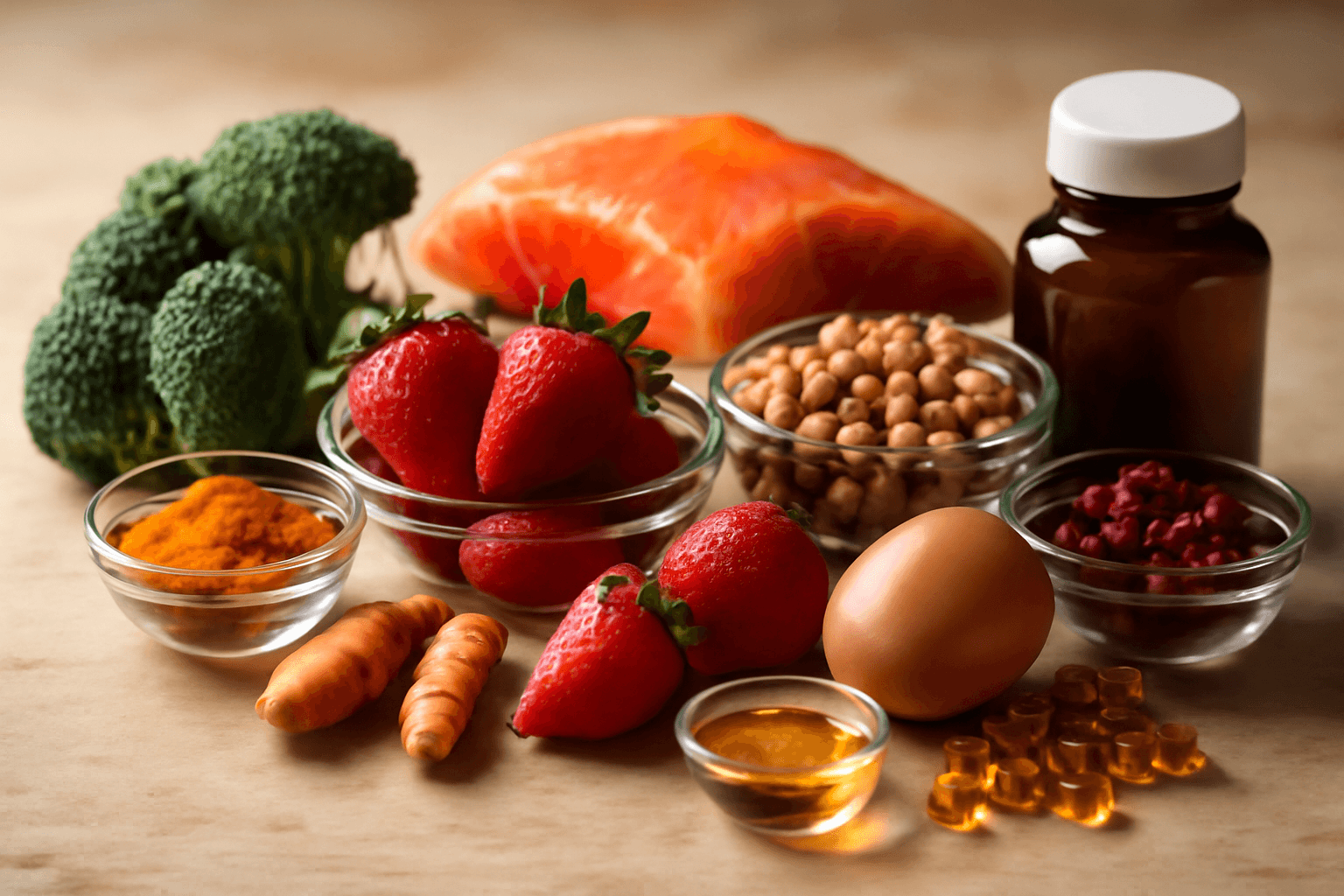
Nicotinamide can be obtained through various foods and supplements. Natural intake through food is most ideal, but the modern busy lifestyle and restricted diets make supplement consumption also recommended.
Animal-based food sources (niacin content per 100g):
- Canned tuna: 10.1mg (most abundant)
- Chicken breast: 9.3mg
- Beef: 5.4mg
- Salmon: 8.8mg
- Eggs: 0.1mg
- Milk: 0.1mg
Plant-based food sources:
- Mushrooms (especially dried porcini): 35.1mg (per 100g)
- Peanuts and peanut butter: 8.9mg
- Sunflower seeds: 6.4mg
- Almonds: 3.6mg
- Whole grain bread: 2.7mg (per slice)
- Avocado: 1.6mg (half)
- Sweet potato: 0.6mg (medium-sized)
Fortified foods: Many cereals, flour, and rice have niacin removed during processing and are artificially fortified. A single bowl of fortified cereal can provide 6-10mg of niacin.
Supplement selection considerations: Choosing nicotinamide-form supplements allows you to avoid the side effects of nicotinic acid (flushing). The typical recommended daily dose is 14-16mg, though for skin improvement goals, 500-1000mg divided doses are sometimes used. It is important to determine dosage under the guidance of a healthcare professional.
Summary
Nicotinamide (vitamin B3) is an essential nutrient responsible for fundamental life-sustaining functions: cellular energy production, protein synthesis, DNA repair, and immune enhancement. As a NAD+ precursor, it plays an important role in anti-aging and cellular regeneration, and its deficiency can be an underlying cause of many modern health issues and cosmetic skin problems.
Key points summary:
- Nicotinamide is an essential coenzyme participating in over 200 enzyme reactions, vital for energy, protein, and immune system functions.
- Vitamin B3 deficiency causes fatigue, digestive problems, dermatitis, and neurological symptoms, with potential irreversible nerve damage in severe cases.
- Nicotinamide has clinically proven skin-improving benefits, effective for acne, wrinkles, hyperpigmentation, and sensitive skin improvement.
- Visible results can be expected from using topical products at 2-5% concentration for 4-12 weeks.
- Adequate intake is achievable through foods like tuna, chicken, mushrooms, and peanuts, as well as supplements.
- Consult a healthcare professional before supplement use to determine the appropriate dose for your individual health status.
Nicotinamide transcends being merely a cosmetic skin ingredient—it is an important nutrient impacting whole-body health and longevity. By consuming adequate amounts through a balanced diet or, when necessary, through supplements under professional guidance, you can comprehensively improve energy levels, immune function, and skin health.
⚠️ Medical disclaimer: This information is provided for educational purposes and cannot substitute for medical diagnosis or treatment. If chronic fatigue, digestive symptoms, or skin problems persist, or if you are considering supplement use, please consult a healthcare professional (physician, pharmacist, or nutritionist). It is especially essential to check for potential interactions if you are taking medications or have specific medical conditions.