Fiber is not just a simple nutrient. It's an essential component that affects various systems in our body, from skin health to digestive disease prevention and hormone balance regulation. In particular, it plays an important role in improving the gut microbiome environment, promoting toxin elimination, and strengthening immunity. In this article, we'll take a detailed look at how fiber supports our skin and digestive health, and the correct way to consume it.
How Fiber Impacts Your Health
Fiber is a carbohydrate that our body cannot directly digest or absorb. But this is not a weakness—it's actually a strength. Undigested fiber reaches the large intestine where it becomes food for beneficial bacteria, and through this process, gut health improves and the immune system strengthens.
The health benefits of fiber are far-reaching. First, it stabilizes blood sugar levels to maintain consistent energy levels and improves insulin sensitivity. At the same time, it lowers LDL cholesterol, suppresses harmful intestinal bacteria, and promotes the growth of beneficial bacteria. This balance of gut microbiota also affects hormone metabolism, helping with menstrual cycle regulation and estrogen recirculation (enterohepatic circulation).
Additionally, fiber strengthens the skin barrier function and reduces inflammation. When gut bacteria break down fiber, they produce short-chain fatty acids (especially butyrate) that protect intestinal epithelial cells, which ultimately leads to reduced skin problems.
What is Fiber?
Fiber is an indigestible polysaccharide found in plant-based foods. It's broadly classified into two types: soluble fiber and insoluble fiber, each acting differently in our body.
Soluble fiber dissolves in water and becomes gel-like. It's abundant in oats, barley, peas, berries, and apples. This fiber slows digestion, makes blood sugar rise more gradually, and serves as a primary nutrient source for beneficial gut bacteria. It acts as a prebiotic, helping probiotics to grow.
Insoluble fiber does not dissolve in water and shortens intestinal transit time. It's found in abundance in brown rice, whole grains, vegetable skins, and nuts. Insoluble fiber increases stool volume, promotes regular bowel movements, and lowers the risk of colon cancer.
The average adult is recommended to consume 25–38g of fiber per day. However, most modern people consume only about 50% of this target, which is associated with increased digestive problems and skin conditions.
Why You Should Consume Fiber with Water
The most common mistake when consuming fiber is ignoring water intake. Without water, fiber can actually worsen constipation. Sufficient hydration is essential for fiber to work properly.
Water helps fiber maintain the proper consistency as it passes through the intestines. Soluble fiber combines with water to become gel-like and is digested slowly, while insoluble fiber softens stool with moisture and eases its passage. Without adequate hydration, fiber hardens in the colon, leading to difficulty with bowel movements.
As a practical guideline, aim to drink approximately 15–30ml of water per 1g of fiber consumed. So if you consume 30g of fiber, you should drink at least 2 liters of water daily. More precisely, you can judge by urine color. It's ideal to adjust your water intake until your urine becomes pale yellow.
Water intake is especially important when rapidly increasing fiber consumption. Slowly increase your fiber intake over two weeks while simultaneously increasing water consumption. This minimizes side effects like abdominal bloating, gas, and cramping.
Fiber Sources
Fiber can be obtained sufficiently from whole foods. It's important to consume a variety of plant-based foods to get both soluble and insoluble fiber.
- Fruits: Pears (5.5g/fruit), berries (raspberries 8g/cup, blueberries 3.6g/cup), apples (4.4g/fruit with skin), avocados (10g/fruit)
- Vegetables: Broccoli (2.4g/cup), carrots (3.5g/medium), spinach (4.3g/cup), sweet potatoes (3.9g/medium)
- Whole grains: Oats (8g/cup), brown rice (3.5g/cup), whole wheat bread (3–4g/slice), barley (6g/cup)
- Legumes: Lentils (7.3g/half cup), black beans (7.5g/half cup), chickpeas (6.5g/half cup)
- Nuts and seeds: Flaxseeds (5.5g/tablespoon), chia seeds (10g/tablespoon), almonds (3.5g/28g), sunflower seeds (2.4g/tablespoon)
It's good to consume a variety of colorful foods. Each color contains different nutrients and phytochemicals. For example, orange vegetables are rich in beta-carotene, while green vegetables are abundant in chlorophyll and sulfur compounds. These all have antioxidant effects that protect skin and gut health.
Fiber That Supports Detoxification
Fiber is central to the body's natural detoxification mechanism. Many people search for expensive detox supplements, but fiber is actually the most effective and scientifically proven detox method.
Our body eliminates harmful substances and waste through the liver by including them in bile. However, without sufficient fiber, this bile is reabsorbed and toxins return to the bloodstream. On the other hand, fiber (especially insoluble) physically traps bile acids and promotes their elimination. This prevents the reabsorption of environmental toxins like estrogen, heavy metals, and pesticides.
Of particular note is hormone detoxification. Women with irregular periods, acne, and PMS symptoms have shown positive effects from increased fiber intake. This is because substances produced when gut bacteria break down fiber form an "estrobolome" that regulates estrogen metabolism.
Additionally, fiber maintains satiety longer and encourages the body to use stored fat as an energy source. During this process, fat-soluble toxins (chemicals accumulated in fat) are released and eliminated. Thus, gradual weight loss and natural detoxification occur simultaneously.
Fiber That Supports Gut Health
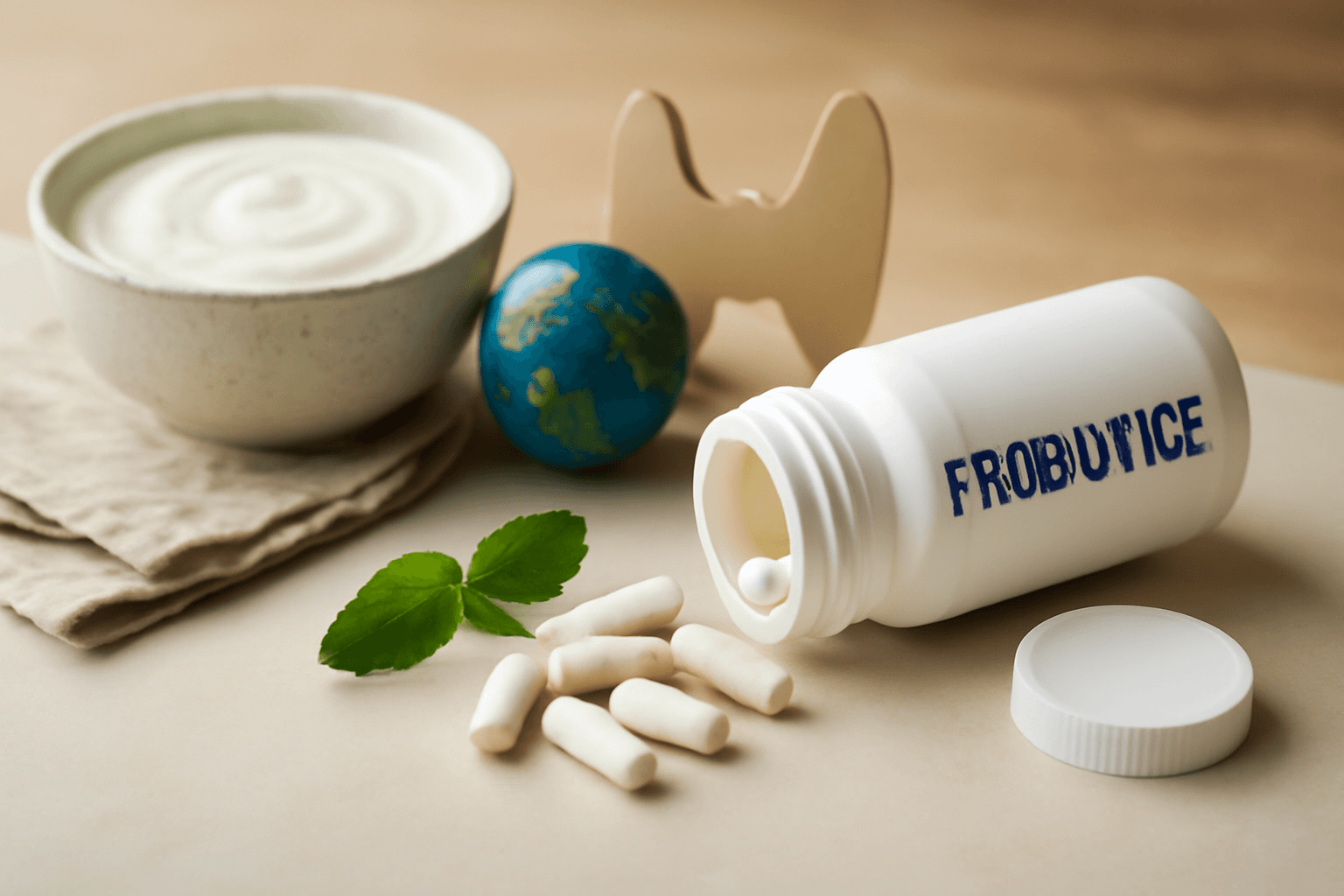
Fiber, probiotics, and prebiotics form a "triangle" of gut health. Many people only take probiotic supplements, but this is like trying to raise animals without food. For probiotics to survive and multiply, the nutrition from prebiotics (fiber) is essential.
Fiber serves as food for gut microbiota and creates an environment for them. When soluble fiber is fermented, it produces short-chain fatty acids (butyrate, propionate, and acetate), which are a primary energy source for colon cells. Butyrate, in particular, strengthens the tight junctions (barrier) between intestinal epithelial cells and reduces inflammation. This improves "leaky gut syndrome."
Adequate fiber intake brings the following improvements to gut health:
- Increased numbers of beneficial bacteria (Bifidobacterium, Faecalibacterium)
- Decreased pathogenic bacteria (Clostridium, E. coli)
- Lower intestinal pH that suppresses harmful bacteria
- Strengthened mucus layer that prevents pathogen penetration
- Improved bowel regularity that prevents toxin accumulation
- Decreased intestinal permeability that normalizes immune response
When consumed together with omega-3 fatty acids, fiber creates a synergistic effect. Omega-3 has anti-inflammatory effects, and short-chain fatty acids produced from fiber enhance the effects of omega-3. This combination also improves water retention in the skin's stratum corneum, alleviating dry skin and eczema.
Recommendation to consult medical professionals: If you've been diagnosed with inflammatory bowel disease (Crohn's disease, ulcerative colitis), irritable bowel syndrome, or small intestinal bacterial overgrowth (SIBO), be sure to consult with a doctor or nutritionist before starting fiber supplementation. The type and amount of fiber should be adjusted according to your individual condition.
Summary
Key Points:
• Fiber is the foundation of skin and digestive health. It performs three key functions: improving the gut microbiome environment, maintaining hormone balance, and promoting toxin elimination.
• You should consume soluble fiber (oats, apples, berries) and insoluble fiber (brown rice, vegetables, nuts) in balance, aiming for 25–38g daily.
• Adequate hydration (15–30ml of water per 1g of fiber) is essential when consuming fiber. Without water, fiber can worsen constipation.
• Fiber acts as a prebiotic that helps probiotics multiply, and beneficial gut bacteria produce short-chain fatty acids. This leads to gut barrier strengthening and improved immunity.
• It improves hormone metabolism and estrogen recirculation, alleviating irregular periods, acne, and PMS symptoms.
• Natural detoxification through fiber reduces the liver's detoxification burden and prevents the reabsorption of bile acids and toxins.
• When increasing fiber intake, do so gradually over two weeks to minimize digestive side effects.
• If you have chronic digestive conditions, work with a healthcare professional to personalize your approach to fiber type and amount.
Fiber is not medicine—it's food. It's the simplest and most natural way to activate your body's self-cleansing abilities. Starting today, add one fiber-rich food to each meal and develop the habit of drinking plenty of water. Within weeks, you'll experience improvements in skin, digestion, and energy levels. This is the true power of food as medicine.