The food we eat is not merely about filling our stomachs. Food directly regulates our brain chemistry, influences neurotransmitter production, and ultimately determines our mood and mental health. Recent research in the field of neuronutrition shows that deficiencies in specific nutrients are closely related to depression, anxiety, and sleep disorders. In this article, we will examine in detail the essential nutrients and foods for improving mental health, as well as how eating habits affect brain function.
The Gut-Brain Connection
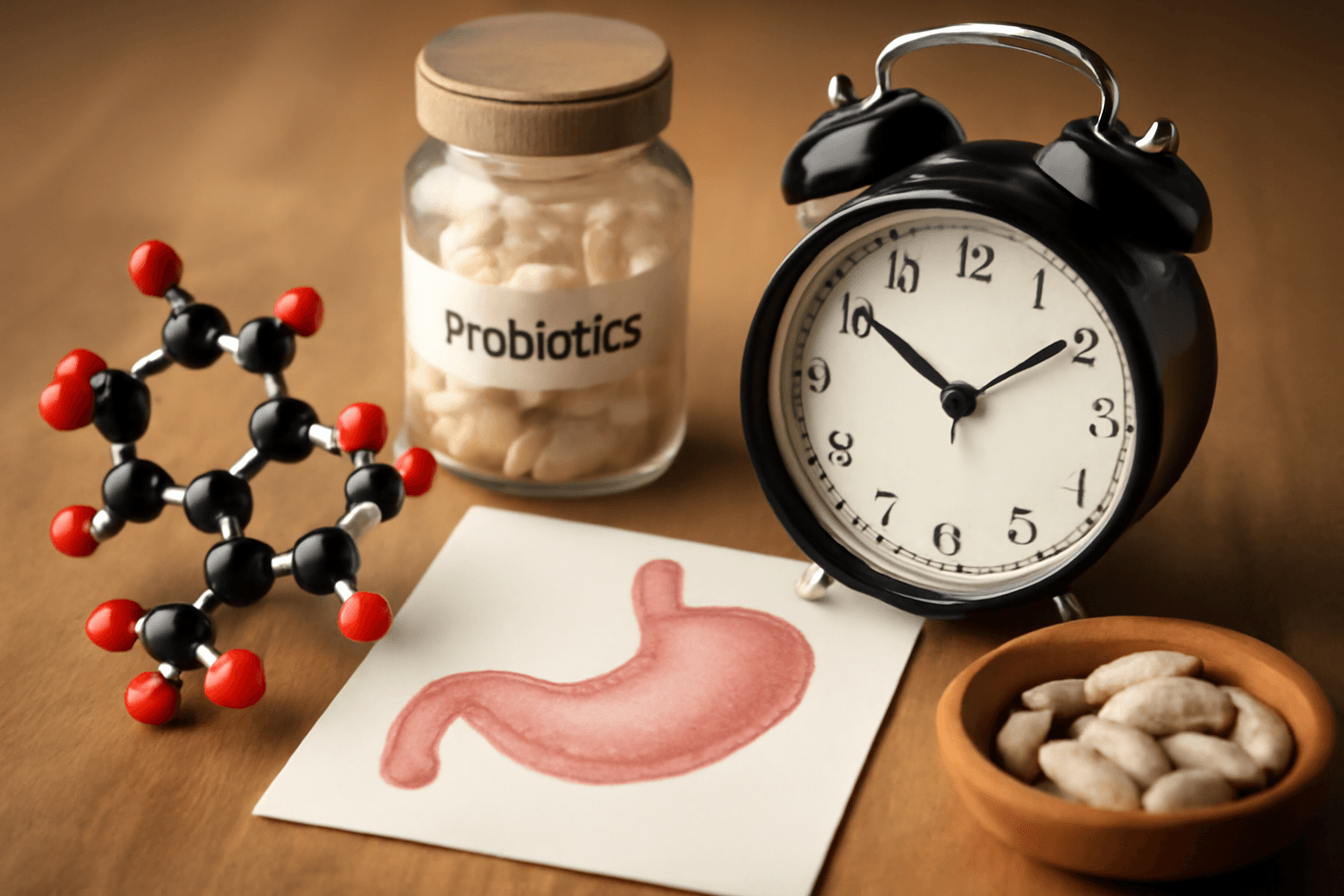
The gut is so important to mental health that it's often called the "second brain." Our intestines contain a microbiome composed of approximately 100 trillion microorganisms that communicate directly with the brain. Through this bidirectional communication system, called the gut-brain axis, intestinal bacteria produce neurotransmitters, regulate inflammatory responses, and influence the immune system.
What's particularly interesting is that approximately 90% of serotonin is produced in the gut. The greater the diversity of beneficial bacteria in the gut, the better the quantity and quality of neurotransmitters transmitted to the brain. Conversely, when gut health deteriorates, intestinal permeability increases, which can lead to "leaky gut" syndrome, triggering chronic inflammation that worsens depression and anxiety.
To improve gut health, you should consume a variety of dietary fiber to feed beneficial bacteria. Fermented foods such as yogurt, kimchi, and miso contain lactic acid bacteria that help maintain a healthy gut microbiome. Processed foods and overuse of antibiotics should be avoided as they reduce the diversity of gut microorganisms.
The Most Important Nutrients for Mental Health
Magnesium is the most crucial mineral for mental health. Magnesium calms the nervous system, regulates cortisol levels (a stress hormone), and reduces anxiety. However, 50-80% of modern people are deficient in magnesium. The recommended daily intake is 400-420mg for adult men and 310-320mg for women, but many people consume only 200-300mg. Foods rich in magnesium include pumpkin seeds, almonds, black beans, spinach, and dark chocolate (70% cocoa or higher).
B vitamins are directly involved in neurotransmitter synthesis. In particular, B6, B12, and folate regulate homocysteine levels; excessive accumulation of this substance is associated with depression and cognitive decline. B6 is essential for serotonin, dopamine, and GABA production, and B12 deficiency causes fatigue and depression. These vitamins are abundant in eggs, fish, chicken, whole grains, and chickpeas.
Omega-3 fatty acids are a major component of brain cell membranes, suppress inflammatory responses, and promote neuroplasticity. Research shows that people with high omega-3 intake have 30-40% lower depression risk. Omega-3 in EPA and DHA forms is particularly effective and is found in fatty fish like salmon, mackerel, and sardines, as well as in flaxseeds and walnuts.
Protein serves as a precursor to neurotransmitters. The amino acid tryptophan is essential for serotonin synthesis, while tyrosine is essential for dopamine and norepinephrine production. The recommended daily intake is 0.8-1g per kilogram of body weight and can be obtained from meat, fish, eggs, legumes, and dairy products.
Vitamin C is needed for stress hormone production and neurotransmitter synthesis and prevents brain cell damage through antioxidant action. It's abundant in oranges, kiwi, bell peppers, and broccoli.
The Best Foods for Mental Health
Fatty fish is the top priority among mental health foods. Salmon, mackerel, and sardines simultaneously provide omega-3 fatty acids, vitamin D, and selenium. Consumption 2-3 times per week is recommended, with an appropriate amount being 200-300g per week. If fish cannot be consumed, seaweed or algae-based omega-3 supplements are also effective.
Eggs are rich in choline, which supports brain development and neurotransmitter production. Egg yolks also contain antioxidants called lutein and zeaxanthin, which prevent brain aging. Consumption 5-6 times per week is safe, and if there's no egg allergy, consuming 1-2 eggs per day has health benefits.
Nuts and seeds are rich in magnesium, zinc, and selenium. Walnuts are particularly high in plant-based omega-3 ALA, while almonds have high vitamin E content. Consuming a handful of nuts (about 30g) daily can improve cognitive function. However, their high caloric content should be considered to maintain appropriate portions.
Dark leafy greens (spinach, kale, collard greens) provide folate, magnesium, and lutein. These nutrients lower homocysteine levels and improve cerebral blood flow. Including such vegetables in one meal daily can reduce the risk of cognitive decline.
Berries (blueberries, blackberries, raspberries) are rich in anthocyanins and have powerful antioxidant effects. Weekly consumption of 150-200g of berries reduces depression risk and improves memory.
Fermented foods (yogurt, kefir, kimchi, miso, kombucha) provide beneficial bacteria that strengthen the gut-brain axis. Consuming one or more servings of fermented foods daily helps improve gut and mental health.
Whole grains contain B vitamins, magnesium, and tryptophan. Choosing brown rice, oats, and whole wheat products instead of refined carbohydrates improves blood sugar stability and mood regulation.
The Effects of Intermittent Fasting on Brain Health
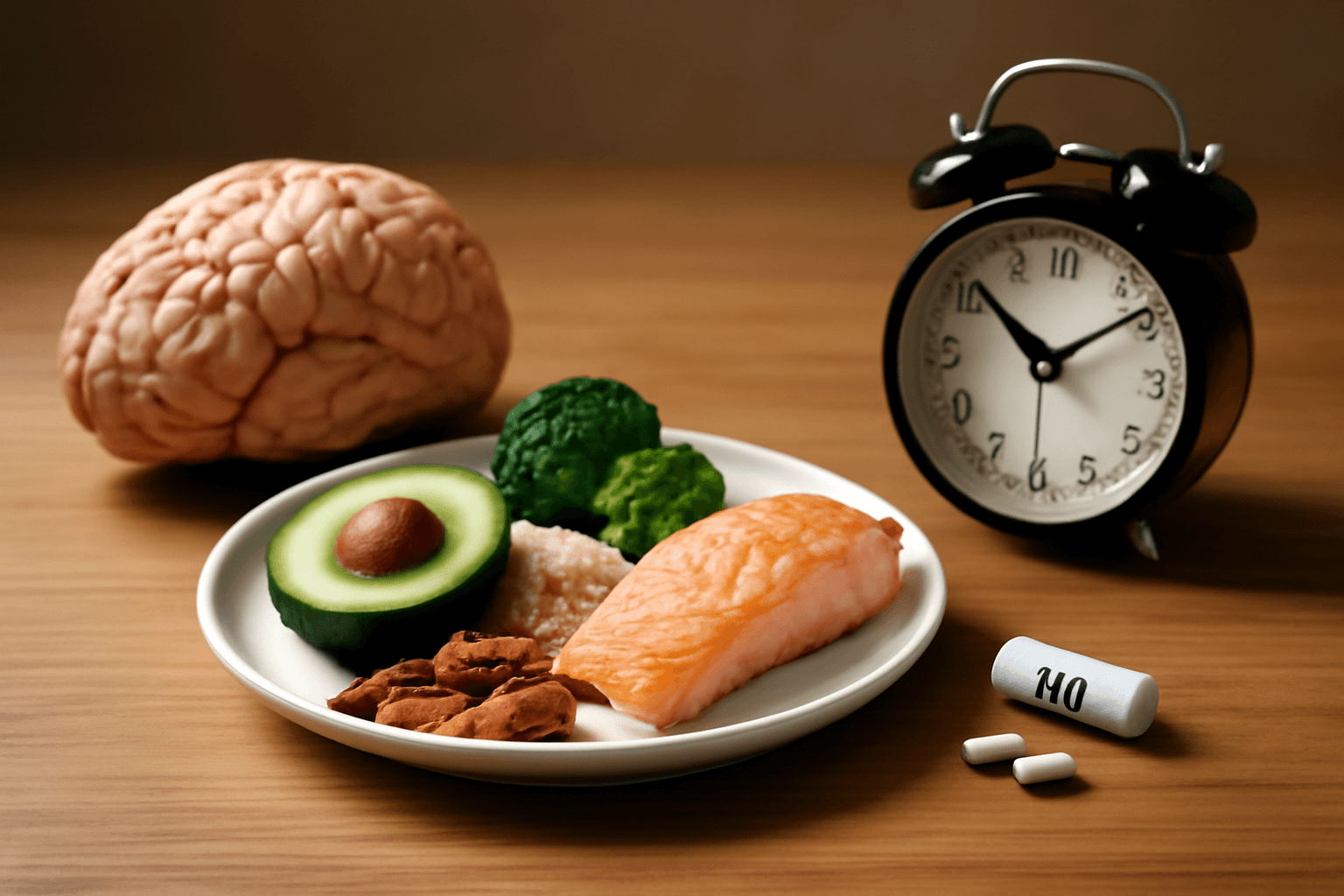
Intermittent fasting is an eating pattern that has recently received attention in neuroscience research. Properly implemented intermittent fasting increases brain-derived neurotrophic factor (BDNF) levels, which promotes brain cell growth and neural connectivity. Higher levels of neurotrophic factors improve learning ability, memory, and depression recovery.
Practicing intermittent fasting using the 16:8 method (16 hours fasting, 8 hours eating) or the 5:2 method (5 days normal eating, 2 days restricted eating) for 4-12 weeks improves insulin sensitivity and stabilizes blood sugar. When blood sugar is stable, energy levels remain consistent, reducing mood fluctuations.
Additionally, during fasting, the body activates autophagy, a process that removes damaged cellular organelles. This slows brain cell aging and reduces neuroinflammation. Research in mice showed that intermittent fasting reduced the accumulation of proteins associated with Alzheimer's disease.
However, intermittent fasting is not suitable for everyone. Those with blood sugar regulation disorders, a history of eating disorders, and those who are pregnant or breastfeeding should consult with healthcare professionals before attempting it. During fasting periods, adequate hydration and nutritious food choices remain important. Excessive fasting can actually worsen anxiety and sleep disorders due to increased stress hormone levels.
The Impact of Sugar and Processed Foods on Mental Health
Excessive sugar consumption is an enemy to mental health. Refined sugar rapidly raises and then crashes blood sugar levels, creating an energy rollercoaster. When blood sugar drops, the brain releases stress hormones that cause fatigue, anxiety, and irritability. Research shows that men consuming more than 67g of sugar daily have a 23% increased depression risk.
Sugar also causes brain inflammation. A high-sugar diet excessively activates microglia (brain immune cells), causing chronic neuroinflammation. This is associated with cognitive decline and worsening depression and anxiety. In animal studies, mice on a high-sugar diet showed increased anxiety behaviors and decreased learning ability.
Processed foods (white rice, white bread, sweets, soft drinks) destroy the microbiome. They kill beneficial bacteria and promote the growth of harmful ones. When gut microbial imbalance (dysbiosis) occurs, intestinal permeability increases, intensifying inflammation. Research shows that people with high ultra-processed food consumption have over 60% higher depression risk.
Artificial sweeteners are also problematic. Artificial sweeteners like aspartame and sucralose can alter gut bacteria and worsen glucose tolerance. Some research suggests that aspartame may interfere with neurotransmitter synthesis.
If processed foods cannot be avoided, at least pay attention to what foods are consumed alongside them. Eating protein, healthy fats, and dietary fiber together with white rice or white bread can moderate blood sugar spikes. Additionally, drinking plenty of water to promote toxin elimination through the intestines is also helpful.
Summary
The relationship between food and mental health is now an undeniable scientific fact. Our mood, anxiety, and stress response abilities are directly influenced by what we eat.
Key Implementation Strategies:
- Increase magnesium intake: Daily consumption of pumpkin seeds, almonds, and dark chocolate for stress management and improved sleep
- Fatty fish 2-3 times per week: Reduce brain inflammation and improve mood through omega-3
- Daily fermented food consumption: Increase gut microbiota diversity to promote serotonin production
- Supplement B vitamins: Support neurotransmitter synthesis through whole grains, eggs, and leafy greens
- Limit sugar and processed foods: Reduce mood fluctuations through blood sugar stabilization
- Adequate hydration: The brain is 73% water, and even mild dehydration causes cognitive decline
- Colorful variety of foods: Maximize consumption of antioxidants such as anthocyanins, lutein, and lycopene
The important point is that gradual improvement is more effective than sudden dietary changes. Slowly reducing processed foods from your current diet and gradually adding nutritious foods is sustainable. Since each person's genetic background, health status, and gut health are different, consulting with healthcare professionals before making significant changes is recommended. If you're currently receiving medication for depression or anxiety, discuss with your doctor how dietary changes might affect medication effectiveness.
The journey of improving mental health through food is a long-term investment. Gradual improvements appear over weeks to months, and throughout this process you'll experience various positive changes including increased energy levels, improved sleep quality, stabilized mood, and enhanced stress response ability.