Menopause is a significant transition point in a woman's life. Due to hormonal changes, women experience various bodily changes including hot flashes, sleep disturbances, fatigue, and increased stress. Many of these symptoms can be substantially alleviated through proper nutrition and lifestyle improvements. Specific foods and natural remedies are effective for restoring energy, improving sleep, providing antioxidant benefits, and maintaining heart health. From magnesium-rich foods to nutrients that support joint health, we'll introduce practical ways to navigate menopause healthily.
What is Menopause?
Menopause refers to the period when a woman's ovarian function gradually declines and menstruation completely stops. During this process, the secretion of estrogen and progesterone hormones decreases dramatically. Hormonal changes affect nearly every system in the body.
The pre-menopausal stage called perimenopause can last from several months to several years, during which menstrual cycles become irregular and hormonal fluctuations trigger symptoms. Menopause is officially confirmed 12 months after the last menstrual period. The period after that is called postmenopause, and during this time, ongoing health management due to hormone deficiency is still necessary.
While menopause is not a disease but a natural physiological phenomenon, the discomfort caused by hormonal changes can affect daily life. Therefore, symptom management and health maintenance are very important for passing through this period healthily.
Age When Menopause Occurs
The average age of menopause for women is 51 years old. However, there is considerable individual variation, with women experiencing menopause anywhere from the early 40s to the late 50s. According to the American Menopause Society, approximately 1% of women experience premature menopause before age 40, while a significant number of women also experience menopause after age 55.
Factors that influence the age of menopause include:
- Genetics: The menopausal age of your mother or grandmother is the strongest predictive factor
- Smoking: Smokers experience menopause an average of 1-2 years earlier than non-smokers
- Reproductive health history: Pregnancy experience and number of births are factors
- Body Mass Index (BMI): Lower body weight may result in earlier menopause
- Race and ethnicity: Research shows Black women experience menopause slightly earlier than white women
Perimenopause typically lasts approximately 4-10 years on average, though some women experience symptoms for up to 15 years. Since the intensity and duration of symptoms vary greatly among individuals, it is important to find customized management methods suited to your specific symptoms.
Symptoms of Menopause
Symptoms that appear during menopause are bodily reactions to hormonal changes. The most common symptom is hot flashes, experienced by approximately 75-80% of menopausal women. Sudden feelings of heat and sweating mainly occur on the face and neck and can happen dozens of times per day.
Sleep disturbances are among the most quality-of-life-affecting menopausal symptoms. Night sweats, anxiety, and hormonal changes lead to insomnia, which results in reduced energy and fatigue the next day. Chronic sleep deprivation negatively affects heart health, metabolism, and immune function in the long term.
Other major symptoms include:
- Mood changes: Rapid fluctuations in depression, anxiety, and irritability
- Fatigue and low energy: Slowed metabolism due to reduced hormones
- Changes in cognitive function: Decreased concentration, increased forgetfulness
- Joint and muscle pain: Because estrogen is involved in inflammation control
- Weight gain: Weight gain tendency due to decreased metabolism
- Skin changes: Dryness, reduced elasticity
- Increased stress sensitivity: Changes in the stress hormone regulation system
The severity of symptoms varies greatly. Some women experience only mild symptoms, while others experience severe symptoms that interfere with daily life. For severe symptoms, it is recommended to consult with a healthcare professional to determine appropriate treatment options.
Foods That Are Good for Menopause
The most important role in alleviating menopausal symptoms is played by proper nutrition. Certain foods support hormonal changes, improve sleep, increase energy, and protect heart and bone health through antioxidant action.
Magnesium-Rich Foods
Magnesium is a key mineral for the health of menopausal women. This nutrient is essential for muscle relaxation, nerve stabilization, and sleep improvement. Magnesium deficiency worsens anxiety, muscle cramps, and sleep deprivation.
Foods containing magnesium:
- Walnuts and almonds: Contain approximately 76mg of magnesium per ounce (28g)
- Spinach: Cooked spinach contains approximately 157mg per cup
- Cashews: Rich in magnesium and copper with antioxidant properties
- Black beans: Also provide protein and fiber
- Pumpkin seeds: A convenient snack with high magnesium content
Magnesium is most beneficial for sleep when consumed 2-3 hours before bedtime. A habit of eating a handful of nuts or a spinach salad in the evening is effective.
Isoflavone-Rich Foods
Isoflavones are plant-based estrogens with a structure similar to female hormones, helping to alleviate menopausal symptoms. Several studies have reported that isoflavone intake reduces the frequency of hot flashes by 10-30%.
Foods rich in isoflavones:
- Tofu: Contains approximately 20-25mg of isoflavones per half-cup serving
- Beans and bean products: Black beans, lentils
- Tempeh: Fermented soy with better digestive absorption
- Soy milk: Choose unsalted, unsweetened products
- Edamame: Available fresh or frozen
Daily intake of 40-50mg of isoflavones is known to be effective for symptom relief. One cup of tofu and one glass of soy milk can achieve this amount.
Omega-3 Fatty Acids
Omega-3 fatty acids have powerful anti-inflammatory properties that alleviate menopausal joint pain, muscle pain, and stress-related symptoms. They also contribute to brain health, heart health, and improved sleep.
Sources of omega-3:
- Fatty fish: Salmon, mackerel, sardines (recommended 2-3 times per week)
- Flaxseeds: Contain approximately 2.3g of omega-3 per tablespoon
- Chia seeds: Odorless and can be added to various foods
- Walnuts: A convenient snack source of omega-3
If fresh fish is unavailable, canned sardines are a good alternative. Eating a handful or two of nuts and seeds daily provides sufficient omega-3.
Antioxidant Foods
Berries, dark leafy greens, and colorful vegetables are rich in antioxidants that reduce oxidative stress from hormonal changes. Antioxidant action is also important for maintaining heart health and recovering from fatigue.
- Blueberries, blackberries, raspberries: Rich in anthocyanins
- Kale, broccoli: Contain lutein and zeaxanthin
- Tomatoes: Rich in lycopene for heart health protection
- Carrots: Contain beta-carotene
- Dark chocolate: Products containing 70% or more cocoa, providing antioxidants and stress relief
Calcium-Rich Foods
After menopause, accelerated bone mineral density loss occurs due to decreased estrogen. Adequate calcium intake is essential for osteoporosis prevention.
- Yogurt and Greek yogurt: Also provide probiotics
- Low-fat milk: Contains approximately 300mg of calcium per cup
- Cheese: Portion control is necessary
- Fortified soy milk: An alternative for those avoiding dairy
- Leafy greens: Kale, broccoli (some spinach contains oxalates that inhibit calcium absorption)
The Best Supplements for Menopause
When diet alone cannot meet all nutritional needs, supplements can be a useful additional tool. However, supplements are not medicines, and you must consult with a healthcare professional before taking them to confirm personal health status and potential interactions with existing medications.
Magnesium Supplements
Magnesium supplements are effective for improving sleep, reducing stress, and relieving muscle cramps. There are various forms of magnesium, each with different absorption rates and effects.
- Magnesium glycinate: The gentlest form with fewer digestive issues; take before bedtime
- Magnesium malate: Helps with energy production; take in the morning or afternoon
- Magnesium threonate: Helps improve cognitive function
The recommended dose is typically 200-400mg, varying by individual. Overdose can cause diarrhea and abdominal discomfort, so it's best to start gradually.
Black Cohosh
Black cohosh is a plant traditionally used by Native Americans and has been reported in several clinical trials to reduce hot flashes and night sweats by 25-30%. It is a popular choice especially for women who cannot receive hormone therapy.
How to take:
- Standard dose: 40-80mg of standardized extract daily
- Duration: Take for at least 3-6 months to determine effectiveness
- Side effects: Liver problems have been reported in a few people, so avoid if you have existing liver disease
Since black cohosh effects vary greatly among individuals, if symptoms don't improve after a few weeks, you should try other options.
Sage Extract
Sage is a common herb used in cooking, and recent research has shown it is effective in alleviating menopausal symptoms. One study found that participants who took sage for 8 weeks experienced a 50% reduction in hot flashes, with significant improvement in night sweats.
- Standard dose: 300-600mg of sage extract daily
- Sage tea is also possible, but extract provides more concentrated effects
- Safety: Generally very safe with rare side effects
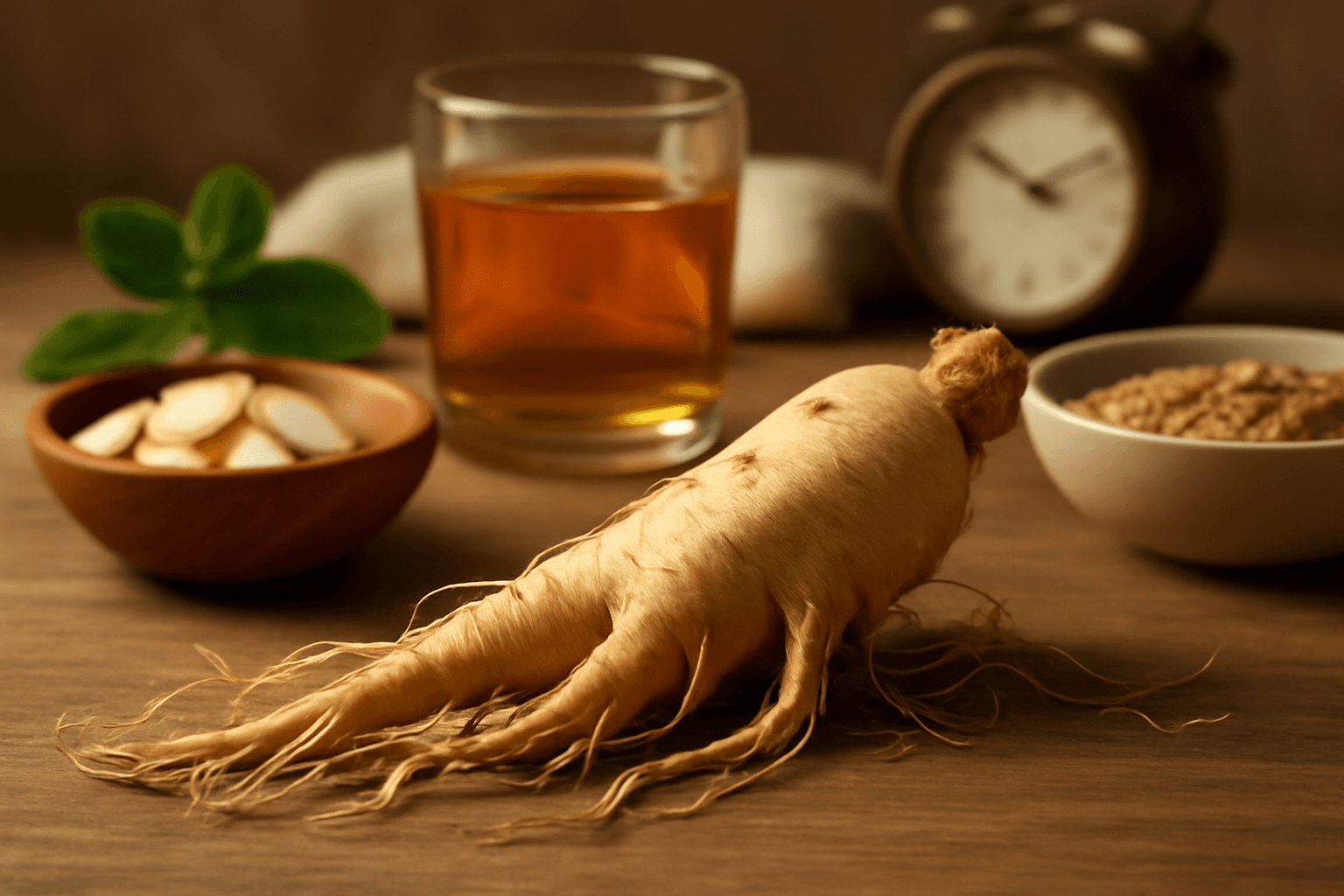
Red Ginseng
Red ginseng helps improve energy depletion, fatigue, and stress-related symptoms during menopause. It is effective at stabilizing the nervous system and regulating the body's stress response.
- Dose: 300-600mg of red ginseng extract daily
- Duration: At least 4-8 weeks
- Features: Promotes metabolism and increases energy levels
- Caution: Contains caffeine-like substances, so sensitive individuals should avoid taking it late in the afternoon
Calcium and Vitamin D
Because the rate of bone mineral density loss after menopause reaches 2-3% annually, calcium and vitamin D are very important. Vitamin D is an essential nutrient that promotes calcium absorption.
- Calcium: Menopausal women need 1,000-1,200mg daily (combined from food and supplements)
- Vitamin D: 600-800IU daily (confirm individual needs with blood tests)
- Improved absorption: Calcium is better absorbed when taken with meals in small amounts multiple times
Omega-3 Supplements
When unable to get sufficient omega-3 through diet, fish oil or algae-based omega-3 supplements are useful.
- Dose: 1,000-2,000mg daily of combined EPA and DHA
- Forms: Available in liquid, capsule, and gummy forms
- Selection: Choose pure products tested for mercury
- Vegetarians: Choose algae-derived omega-3
Precautions when taking supplements: There is potential for interactions with blood thinners, diabetes medications, hormone therapy, and others, so you must consult with a healthcare professional before taking. Additionally, choose products manufactured by FDA-approved organizations and that have undergone third-party testing for safety.
Summary
Menopause is a natural stage in a woman's life, but various physical symptoms from hormonal changes can impact quality of life. Fortunately, many symptoms can be effectively managed through proper nutrition and lifestyle improvements.
Key points summary:
- Increase magnesium intake: Consume nuts, spinach, seeds, and other magnesium-rich foods daily for improved sleep and reduced stress
- Isoflavone-rich foods: Tofu, beans, tempeh to alleviate hot flashes and night sweats
- Antioxidant foods: Berries, dark leafy greens, dark chocolate to support heart health and energy recovery
- Omega-3 fatty acids: Consume fish, nuts, and seeds for joint health, brain function, and improved sleep
- Calcium and vitamin D: Dairy products, fortified foods, and sun exposure to prevent osteoporosis
- Supplements as supplementary: Supplement nutrients lacking in diet, but always consult with a healthcare professional
- Regular exercise: Effective for improving sleep, mood, bone health, and energy levels
- Stress management: Meditation, yoga, and deep breathing exercises prevent symptom worsening
If menopausal symptoms severely affect daily life or are accompanied by mental health symptoms such as depression or anxiety, it is advisable to consult with an obstetrician-gynecologist or menopause specialist to review hormone therapy, antidepressants, or other medical treatment options. Since the optimal treatment method varies depending on individual health status, symptom severity, and medical history, a personalized approach is important.
By accepting this period positively and investing time and effort in caring for your body, you can open the next chapter of a vibrant life beyond menopause.