Modern people suffer from chronic fatigue due to continuous daily stress. One of the root causes of this fatigue is the overload of the adrenal glands, which secrete stress hormones. When the adrenal glands are exposed to prolonged stress, their ability to secrete hormones decreases, leading to severe fatigue, sleep disorders, and weakened immunity. Fortunately, through specific foods and supplements, you can support adrenal function and alleviate stress-induced fatigue. This article presents nutritional strategies for adrenal health and practical lifestyle improvement methods.
Adrenal Function
The adrenal glands are small endocrine glands located above both kidneys that regulate the body's stress response through hormone secretion. In particular, they produce stress hormones called cortisol and epinephrine, which enable the body to respond to emergency situations. The adrenal glands also perform essential survival functions including maintaining blood pressure, regulating blood sugar, and controlling inflammatory responses.
Under normal circumstances, the adrenal glands maintain a daily rhythm by elevating cortisol levels in the morning to boost activity and lowering them in the evening to promote sleep. However, prolonged exposure to chronic stress disrupts this hormone secretion pattern, worsening overall body health. The adrenal glands also secrete over 60 hormones including aldosterone and DHEA, which play important roles in energy metabolism, reproductive function, and immune response.
What Is Adrenal Fatigue?
Adrenal fatigue is not an official medical diagnosis, but rather refers to a condition in which the adrenal glands' hormone secretion ability diminishes due to prolonged stress. Symptoms include severe fatigue, exhaustion that doesn't improve even after sufficient sleep, difficulty waking in the morning, and sudden energy drops between 3 and 4 p.m.
People experiencing adrenal fatigue have reduced stress tolerance, becoming hypersensitive to minor stimuli and vulnerable to infections. Additional symptoms may include hypoglycemia, increased inflammation, decreased libido, menstrual irregularity, and reduced muscle strength. The progression of adrenal fatigue is divided into three stages. In the first stage, excessive stress response increases excitability; in the second stage, energy begins to be depleted; and in the third stage, complete exhaustion occurs.
Consultation with a medical professional is essential for diagnosing adrenal fatigue. Salivary hormone tests or blood tests can measure cortisol and DHEA levels. If symptoms persist for four weeks or longer, it is important to consult with a healthcare professional to identify the exact cause.
Practicing Good Lifestyle Habits and Supporting the Adrenals
Recovery of adrenal health requires more than dietary changes alone; comprehensive lifestyle improvements are essential. The most important factor is getting sufficient sleep. Getting a consistent 7–9 hours of sleep every night normalizes the daily cortisol rhythm and accelerates adrenal recovery. Since sleep quality is as important as sleep duration, it is ideal to go to bed before 10 p.m. and enter deep sleep before midnight.
Physical activity also plays an important role in supporting the adrenals. However, caution is necessary because high-intensity exercise during adrenal fatigue can actually add additional stress to the adrenal glands. Instead, gentle exercises like yoga, Pilates, and walking are recommended 3–4 times per week for 30 minutes. As strength recovers, you can gradually increase exercise intensity.
Stress management techniques are also key. Meditation, breathing exercises, and mindfulness activate the parasympathetic nervous system and lower cortisol levels. Just 10–15 minutes of daily meditation can regulate long-term stress responses. Additionally, maintaining social relationships, pursuing hobbies, and exposure to nature enhance psychological resilience and reduce adrenal stress.
Foods Good for the Adrenals
To support adrenal health, you should prioritize foods rich in specific nutrients. First, magnesium is an essential mineral when the adrenal glands produce stress hormones. Magnesium is abundant in spinach, pumpkin seeds, black beans, and almonds, with adult daily recommended amounts of 400–420 mg (men) and 310–320 mg (women). Magnesium deficiency worsens stress response and increases anxiety.
B vitamins are essential for energy metabolism and nervous system function. In particular, B5 (pantothenic acid) is directly involved in adrenal hormone synthesis and is abundant in mushrooms, eggs, and avocados. B6 and B12 are needed for neurotransmitter production and can be sufficiently obtained from chicken, fresh salmon, and chickpeas. Seeds like sunflower seeds and sesame seeds are also good sources of B vitamins.
Zinc is an important mineral for immune function and hormone regulation, preventing immune decline caused by stress. High concentrations of zinc are found in oysters, beef, pumpkin seeds, and cashews. The adult daily recommended amount of zinc is 8–11 mg.
Omega-3 fatty acids alleviate inflammation caused by chronic stress through their anti-inflammatory effects. They are abundant in fatty fish such as salmon, mackerel, and sardines, with 2–3 servings per week recommended. Plant-based omega-3 sources include flax seeds, chia seeds, and walnuts.
Foods rich in probiotics also support adrenal health. Gut microbes are involved in breaking down stress hormones, and 70% of the immune system is located in the gut. Regularly consuming fermented foods like yogurt, kefir, kimchi, miso, and tempeh regulates stress responses through the gut-brain axis.
Complex carbohydrates are also important. Since blood sugar stability affects adrenal hormone secretion, it's better to choose low-glycemic-index foods like oats, brown rice, sweet potatoes, and lentils instead of refined carbohydrates.
Multivitamins That Support the Adrenals
When it's difficult to obtain all necessary nutrients through food alone, supplements can be helpful. However, supplements are auxiliary tools, not replacements for food, and should be chosen only after consulting with a healthcare professional.
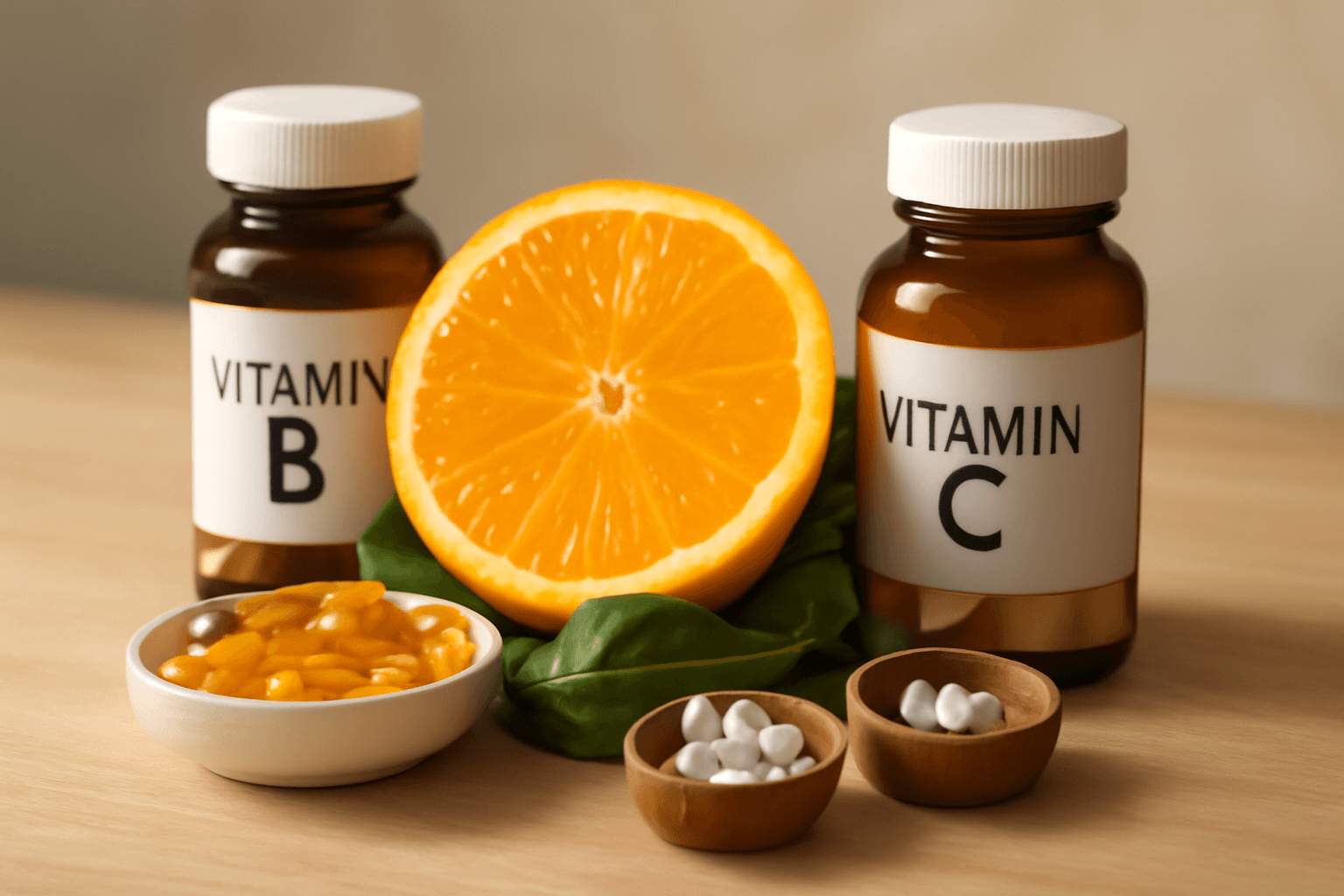
Multivitamins ideally include a B vitamin complex and basic minerals. In particular, selecting a product with at least 500 mg of B5 (pantothenic acid) more effectively supports adrenal hormone synthesis. High-quality multivitamins should be manufactured in forms with high bioavailability (for example, methylcobalamin B12, pyridoxal-5-phosphate B6).
Magnesium supplements are particularly important for adrenal recovery. Glycinate or threonate forms have high absorption rates and fewer side effects. Taking 200–400 mg in the evening is also effective for improving sleep. Excessive intake can cause digestive problems, so it's important to follow recommended amounts.
Vitamin C is consumed during adrenal stress hormone production, so supplementation is necessary. Daily vitamin C supplements of 500–1000 mg strengthen immune function and accelerate stress recovery. However, exceeding 2000 mg per day may increase the risk of kidney stones.
Probiotic supplements are most effective when choosing products with 25 billion CFU (colony-forming units) or more. Products containing Lactobacillus and Bifidobacterium strains increase gut microbiota diversity and improve digestive health.
Precautions: When taking supplements, you must check for interactions with existing medications. If you're taking anticoagulants, thyroid medications, or blood sugar control medications, consult with your doctor. If you are pregnant or have specific health conditions, do not start taking supplements without a healthcare professional's guidance.
Fish Oil for Stress Relief
Among omega-3 fatty acids, EPA (eicosapentaenoic acid) and DHA (docosahexaenoic acid) play special roles in nervous system health and stress management. Multiple studies have reported that high-dose fish oil supplements (1000–2000 mg EPA/day) significantly reduce symptoms of anxiety and depression.
EPA decreases brain inflammation and improves neuroplasticity, while DHA increases the fluidity of neuronal cell membranes and enhances neurotransmission efficiency. Through these mechanisms, fish oil regulates excessive stress hormone secretion and reduces adrenal burden.
When selecting omega-3 supplements, choose high-quality products that have undergone molecular distillation to remove contaminants like mercury and PCBs. Daily intake should be limited to 2000 mg or less for safety, and if you're taking blood thinners, use only with doctor's approval.
To maximize the effects of fish oil, consistent consumption for at least 8–12 weeks is necessary. Short-term use may not produce sufficient nervous system changes. Additionally, combining it with dietary omega-3 intake (2–3 servings of fatty fish per week) can enhance overall anti-inflammatory effects.
Summary
Adrenal fatigue is a common health problem in modern people caused by chronic stress, and it can be recovered through appropriate nutritional strategies and lifestyle habit improvements. Key nutrients supporting adrenal health are magnesium, B vitamins, zinc, omega-3 fatty acids, and probiotics. By obtaining sufficient amounts of these through food and supplements when necessary, you can normalize adrenal hormone secretion and alleviate stress-induced fatigue.
However, nutritional supplementation alone is not sufficient for complete adrenal recovery. Adequate sleep (7–9 hours), appropriate exercise, and effective stress management techniques must be practiced together. In particular, if you experience severe fatigue, persistent anxiety, or recurrent infections, be sure to consult with a healthcare professional for an accurate diagnosis. Adrenal health is the foundation of overall physical and mental wellbeing, so ongoing management from a long-term perspective is necessary.