Vitamin A is a fat-soluble vitamin essential for maintaining vision, immune function, and skin health in our bodies. It exists in two forms: retinol found in animal products and beta-carotene from plant-based foods. Through its antioxidant properties, it prevents cell damage and reduces inflammation. This article will provide detailed information about vitamin A's roles, daily recommended intake, and practical dietary sources.
What is Vitamin A?
Vitamin A is a nutrient directly involved in producing visual pigments in the retina, maintaining normal immune cell function, and preserving the health of skin and mucous membranes. It plays a particularly important role in preventing night blindness and adapting vision in dark environments. Deficiency can progress to serious eye diseases.
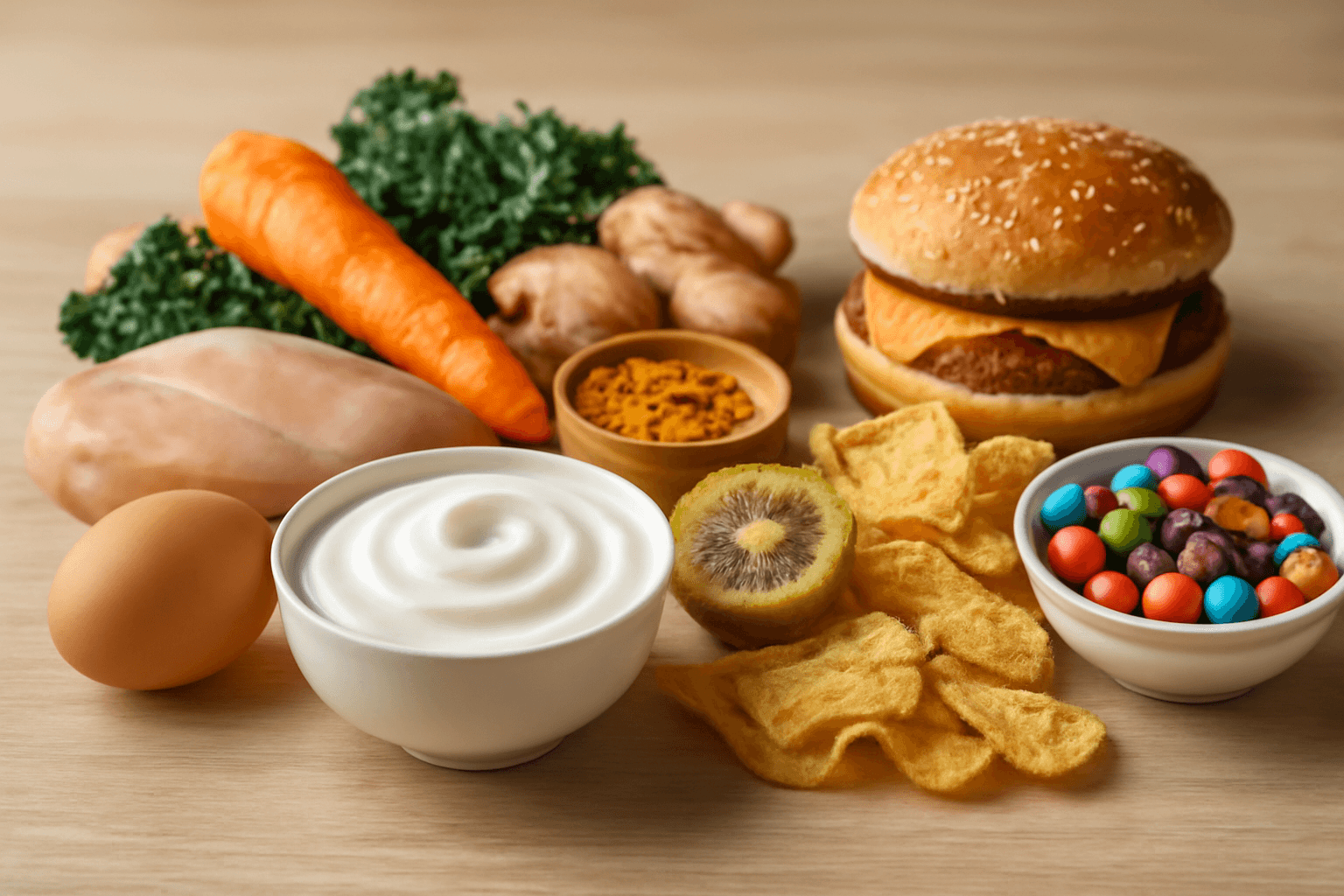
Vitamin A is divided into two forms. First, retinol from animal products is an active form that can be utilized immediately by the body. It is abundantly found in meat, fish, eggs, and dairy products and has high bioavailability, making it very efficient. On the other hand, beta-carotene from plant-based foods is a precursor that the body converts to vitamin A as needed. It is abundant in orange and green vegetables like carrots, spinach, and sweet potatoes.
The antioxidant function of vitamin A is particularly noteworthy. It prevents cell damage caused by free radicals and reduces the risk of chronic diseases through anti-inflammatory action. Additionally, it participates in protein synthesis, promoting muscle formation and tissue regeneration, while supporting digestive function and the proliferation of beneficial intestinal bacteria.
Recommended Dosage
According to the Korean Nutrition Society, the daily recommended intake of vitamin A is 900 mcg RAE (Retinol Activity Equivalents) for adult men and 700 mcg RAE for adult women. When converted to IU (International Units), the international standard, this equals 3,000 IU for men and 2,333 IU for women.
Specific age-based recommendations:
- Infants and toddlers (0-3 years): 400-600 mcg RAE
- Young children (4-8 years): 400-600 mcg RAE
- Children (9-13 years): 600 mcg RAE
- Adolescents and adults: 700-900 mcg RAE
- Pregnant women: 770 mcg RAE
- Nursing mothers: 1,300 mcg RAE
Recommended amounts can be adjusted based on individual health status, activity level, and presence of specific conditions. In particular, those with eye diseases, weakened immunity due to frequent infections, and those prioritizing skin health should determine a personalized dosage through consultation.
Caution on excessive intake: Since vitamin A is a fat-soluble vitamin, excessive consumption can accumulate in the body and cause toxicity. Long-term daily intake of 3,000 mcg RAE or more can cause headaches, nausea, skin peeling, and in severe cases, liver damage. Therefore, when choosing supplements, you must consult with a healthcare professional.
Foods Rich in Vitamin A
Animal-Based High-Content Foods
Liver is the richest natural source of vitamin A. Beef liver containing 6,500-10,000 mcg RAE of vitamin A per 100g represents 7-12 times the daily recommended intake for adults. Chicken liver is slightly lower but still provides approximately 7,000 mcg RAE. Liver is also rich in iron, folate, and protein, making it nutritionally excellent overall.
Fish and seafood are particularly noteworthy for salmon and mackerel. Salmon provides approximately 150-200 mcg RAE of vitamin A per 100g and is rich in omega-3 fatty acids, benefiting cardiovascular health and brain function. Sardines and anchovies also contain about 150 mcg RAE per 100g.
Eggs are a stable source of vitamin A. One egg yolk contains approximately 100-150 mcg RAE and also includes lutein and zeaxanthin, antioxidants for eye health. The lecithin in eggs supports brain health and neurotransmitter production.
Dairy products have higher vitamin A content, especially in full-fat products. A 200ml glass of whole milk provides approximately 140 mcg RAE, while 30g of cheese contains about 100-200 mcg RAE. Yogurt and butter are also good sources.
Plant-Based High-Content Foods
Carrots are the representative food for beta-carotene. A medium carrot (about 100g) contains approximately 700 mcg RAE equivalent of beta-carotene. The beta-carotene in carrots increases bioavailability with heat, so lightly cooking them or consuming them with oil makes them more efficient.
Spinach provides approximately 469 mcg RAE of beta-carotene per 100g. Lightly cooked spinach is easier to digest than raw spinach, and the reduction in oxalic acid improves calcium and iron absorption. Spinach simultaneously contains lutein (for preventing eye diseases), iron, and folate, making it very nutritionally valuable.
Sweet potatoes provide approximately 300-350 mcg RAE of beta-carotene per 100g and are rich in dietary fiber to promote digestive health. Their relatively low glycemic index (GI) makes them favorable for diabetes management.
Kale is a nutrient-dense food containing approximately 500 mcg RAE of beta-carotene per 100g. Rich in antioxidants, it helps reduce inflammation markers. Its abundant vitamin C enhances iron absorption.
Broccoli contains approximately 380 mcg RAE of beta-carotene per 100g along with vitamins C and K. It also contains sulforaphane and other anti-cancer compounds, making it effective for immune system strengthening.
Pumpkin and corn are also important beta-carotene sources. Pumpkin provides approximately 400 mcg RAE per 100g, while one ear of corn (about 100g) provides about 50-70 mcg RAE. The rutin found in pumpkin particularly supports blood vessel health through antioxidant action.
Diet Combination Tips
Optimizing absorption of fat-soluble vitamins: Since vitamin A is fat-soluble, cooking methods that include oil increase absorption rates. Sautéing carrots in olive oil or seasoning spinach with sesame oil can increase beta-carotene bioavailability up to five times. Consuming them together with avocado or nuts is also a good approach.
Complementary nutrient intake: Nutrients that work well when consumed with vitamin A include the following:
- Vitamin C: Amplifies antioxidant effects and promotes iron absorption. Consume with oranges, bell peppers, and broccoli.
- Vitamin D: Enhances calcium absorption to protect bone health. It's effective to consume with egg yolks and salmon.
- Protein: Necessary for retinol-binding protein synthesis, so consume with fish, chicken breast, and tofu.
- Omega-3: Strengthens immunity through anti-inflammatory action. Consuming with salmon, mackerel, and flaxseed is ideal.
Sample weekly meal plan:
- Monday: Grilled salmon + spinach seasoned salad + carrot sticks
- Tuesday: Egg roll + steamed broccoli + sweet potato
- Wednesday: Sautéed chicken liver + kale salad (with olive oil dressing) + pumpkin soup
- Thursday: Grilled mackerel + carrot sticks + black bean rice
- Friday: Steamed eggs + corn + bell pepper salad
- Saturday: Salmon steak + seasoned spinach + roasted sweet potato
- Sunday: Liver sausage + sautéed broccoli + carrot congee
Conclusion
Vitamin A is an essential nutrient for eye health, immune system enhancement, antioxidant action, and maintaining the health of skin and mucous membranes. The most ideal approach is to consume both forms equally: retinol from animal products and beta-carotene from plant-based foods.
Key summary points:
- Daily recommended intake: 700-900 mcg RAE for adults
- Animal-based foods: High-content vitamin A (retinol) can be obtained from liver, salmon, eggs, and dairy products
- Plant-based foods: Sufficient beta-carotene can be secured from carrots, spinach, sweet potatoes, and kale
- Optimizing absorption: Cooking with oil increases the absorption rate of fat-soluble vitamins
- Synergistic effects: Maximize benefits through combined intake of vitamins C and D, protein, and omega-3
- Caution on excessive intake: Avoid long-term daily consumption of 3,000 mcg RAE or more
If you have specific health conditions or are taking medications, be sure to consult with a doctor or nutritionist before adjusting your diet. Professional guidance is essential, especially if you are taking anticoagulants or have liver or kidney disease. Vitamin A intake through regular foods is very safe, so obtaining sufficient vitamin A is possible simply by eating a balanced variety of colorful vegetables and meats.