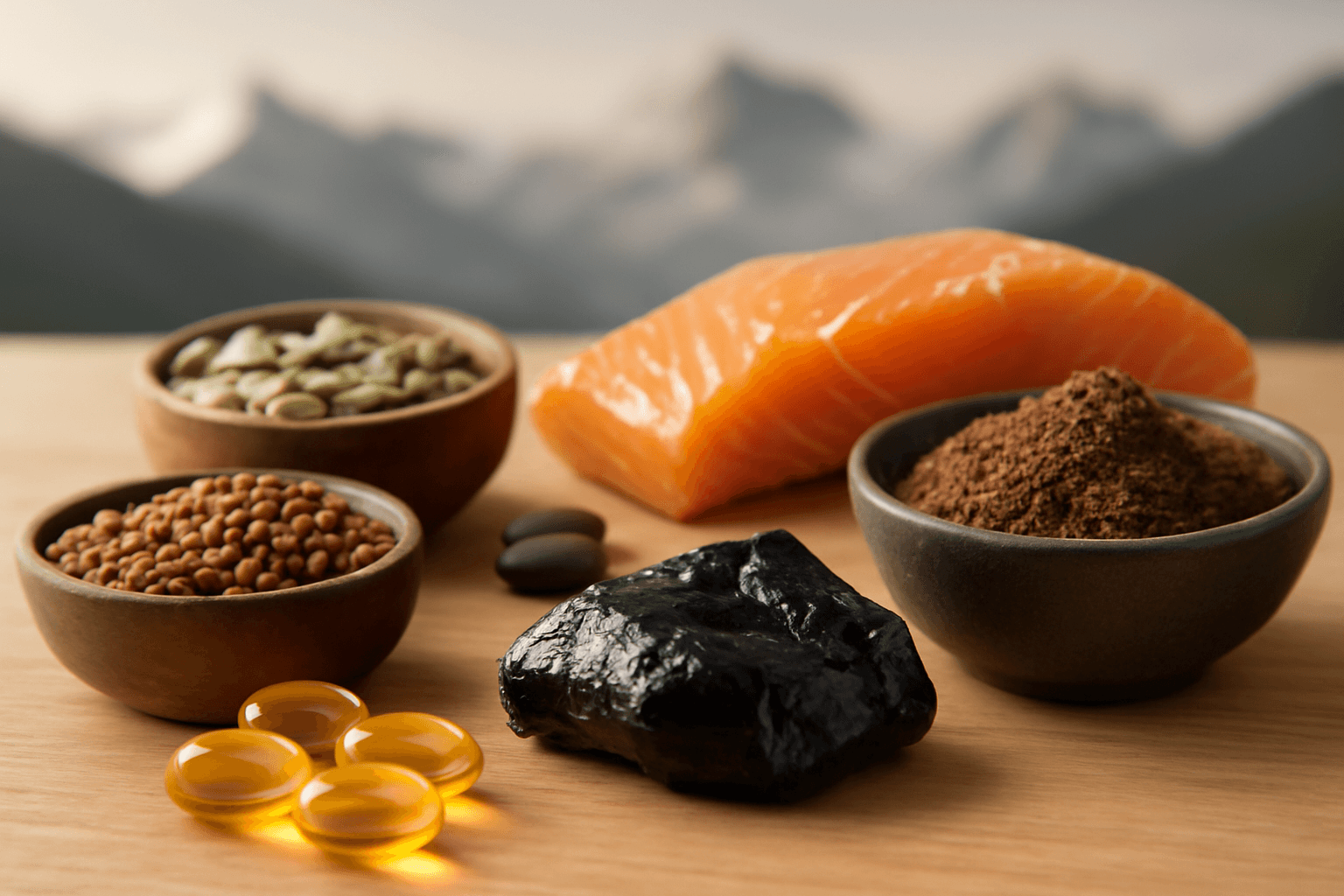
Muscle soreness that appears two to four days after intense exercise is a phenomenon many people experience. To alleviate this delayed onset muscle soreness (DOMS), making the right food choices is crucial. Foods containing nutrients like protein, antioxidants, and omega-3 fatty acids help promote muscle recovery and reduce inflammation. This article will introduce science-based dietary strategies to reduce delayed onset muscle soreness.
What is Delayed Onset Muscle Soreness?
Delayed Onset Muscle Soreness (DOMS) is muscle pain and stiffness that appears between 24 to 72 hours after doing unfamiliar or high-intensity exercise. This occurs due to microscopic damage to muscle fibers and the resulting inflammatory response.
During exercise, muscles undergo structural damage as they repeatedly contract and relax. DOMS tends to be more severe after eccentric exercises (exercises performed while lengthening the muscle under tension), such as when descending stairs or rising from a squat. These movements cause greater muscle damage.
DOMS is a normal part of the adaptation process and a necessary stage your body must go through to become stronger. While it typically resolves naturally between 3 to 7 days, proper nutrition can shorten this recovery period and reduce pain severity.
Getting Enough Protein
The most fundamental nutrient for muscle recovery is protein. To rebuild muscle fibers damaged by exercise, you need sufficient amino acids, and protein is the primary source of these amino acids.
It is especially important to consume protein within 30 minutes to 2 hours after exercise. This time window is called the "golden window," when muscle protein synthesis is most active. Research shows that consuming 20-40g of protein after exercise is effective for recovering from muscle damage.
Foods rich in protein:
- Eggs: About 6g of protein per egg, containing all 9 essential amino acids
- Greek yogurt: Contains more than twice the protein of regular yogurt (10-15g per 100g)
- Chicken breast: A high-protein, low-fat food with 31g per 100g
- Salmon: Rich in both protein (25g/100g) and omega-3 fatty acids
- Legumes: Plant-based protein sources like lentils (9g per 100g) and black beans (8g)
Aim to consume 1.2-2.0g of protein per kilogram of body weight daily for optimal muscle recovery. For a 70kg person, this means consuming 84-140g of protein per day.
Consuming Antioxidant-Rich Beverages
Muscle damage from exercise increases the production of free radicals, which trigger additional inflammation. Beverages rich in antioxidants reduce this oxidative stress and ease the inflammatory response.
Tart cherry juice is particularly noteworthy. Anthocyanins, an antioxidant compound found in tart cherries, are effective at reducing muscle soreness after exercise. In one study, a group that consumed cherry juice before and after exercise experienced 25% less muscle soreness on average compared to those who did not.
Other antioxidant beverages:
- Berry smoothies: Rich in anthocyanins found in blueberries and blackberries
- Green tea: Contains catechins with anti-inflammatory effects
- Pomegranate juice: Ellagic acid helps reduce inflammation
- Turmeric tea (turmeric latte): Curcumin provides powerful anti-inflammatory action
Consuming 240-480ml (1-2 cups) of antioxidant beverages daily helps alleviate DOMS. However, excessive fruit juice consumption can lead to excess sugar intake, so it's best to consume it with fresh fruit or dilute it with water.
Acids with Soothing Effects
Certain acidic compounds are known to aid muscle recovery. In particular, malic acid and citric acid support muscle energy metabolism and promote recovery from muscle damage.
Malic acid is abundantly found in tart fruits like apples, grapes, and cherries. This substance is a key component in the mitochondrial energy-generating pathway and increases ATP (energy molecule) production. When muscle energy replenishment runs smoothly, recovery speeds up and pain decreases.
Foods rich in malic acid:
- Tart apples: Particularly high concentrations in green apples (Granny Smith)
- Tart grapes: Very high malic acid content
- Berries: Contain moderate amounts in strawberries and raspberries
- Cherries: Rich in both malic acid and anthocyanins
Citric acid is abundant in citrus fruits like oranges, lemons, and limes, and helps maintain your body's acid-base balance and reduce muscle fatigue. Consuming fresh fruits or unsweetened juices from these fruits after exercise can promote recovery.
Supplements for Muscle Soreness
For certain nutrients that are difficult to obtain through food alone, supplementation can be effective. However, it is safer to consult with a healthcare professional before taking them.
BCAAs (branched-chain amino acids) are particularly noteworthy. Composed of leucine, isoleucine, and valine, BCAAs directly stimulate muscle protein synthesis and inhibit muscle breakdown. Research shows that consuming 5-10g of BCAAs during or after exercise can reduce DOMS by 20-30%.
Other effective supplements:
- Creatine: Promotes muscle energy production and accelerates recovery (3-5g daily)
- Glutamine: Increases muscle protein synthesis and supports immune function (5-10g daily)
- Omega-3 supplements: Reduce inflammation and support heart health (2-3g EPA+DHA daily)
- Magnesium: Relieves muscle tension and promotes relaxation (300-400mg daily)
- Vitamin D: Strengthens immune function and regulates inflammation (1000-4000 IU daily)
When choosing supplements, select products that have received third-party certification (NSF, USP, etc.) and check for interactions with any medications you are currently taking. Pregnant women, nursing mothers, and those with chronic conditions must consult with a healthcare professional.
Consuming Caffeine
Caffeine goes beyond being a simple mental stimulant—it also has a positive impact on muscle recovery. Multiple studies have confirmed that caffeine consumption after exercise significantly reduces delayed onset muscle soreness.
How caffeine works:
- Reduces pain perception: Inhibits pain signal transmission in the central nervous system
- Enhances muscle contraction: Promotes recovery by activating muscle fibers
- Anti-inflammatory action: Reduces the production of inflammatory mediators
According to research, caffeine consumption after exercise (approximately 200-400mg) can reduce muscle soreness by 40-50%. This is equivalent to about one cup of regular coffee (approximately 95mg) or two espresso shots (approximately 200mg).
Foods rich in caffeine:
- Black coffee: About 95mg per cup (240ml)
- Strong tea: 25-50mg per cup
- Chocolate: 12-26mg per 100g of dark chocolate
- Energy drinks: 80-300mg depending on the product (be cautious of excessive consumption)
An important caveat about caffeine consumption is that excessive intake can interfere with sleep. It's best to limit caffeine consumption after 4 p.m. Additionally, people with caffeine sensitivity, anxiety, or cardiovascular disease should limit their intake. It's recommended not to exceed 400mg per day (about 4 cups of coffee).
Summary
Key nutritional strategies for effectively managing delayed onset muscle soreness:
- Protein: Consume 20-40g within 30 minutes to 2 hours after exercise (1.2-2.0g per kg of body weight daily)
- Antioxidant beverages: Consume 240-480ml daily of tart cherry juice, berry smoothies, etc.
- Acidic fruits: Consume tart fruits rich in malic acid and citric acid
- Supplements: Consume BCAAs (5-10g), creatine (3-5g), etc. after consulting a healthcare professional
- Caffeine: Consume 200-400mg after exercise to potentially reduce muscle soreness by 40-50%
Medical Precautions: The information in this article is general health information. If you experience severe muscle soreness, swelling, warmth, or if DOMS symptoms persist for more than one week, seek immediate medical attention. Especially if you have chronic conditions or are taking medications, be sure to consult with your doctor before making dietary changes or taking supplements. Pregnant women, nursing mothers, and children should also apply these methods under professional guidance.
Along with proper nutrition, getting adequate sleep (7-9 hours), appropriate stretching, and gradually increasing exercise intensity also play important roles in DOMS prevention and recovery. By comprehensively applying these strategies, you can accelerate muscle recovery after exercise and maximize the effectiveness of your workouts.