Stress and anxiety have become everyday experiences for modern people. Approximately 68% of adults experience significant stress in their daily lives, which leads to sleep deprivation, weakened immunity, and hormonal imbalances. Fortunately, the right food choices alone can stabilize your nervous system and alleviate anxiety. Nutrients such as protein, magnesium, zinc, and probiotics play a direct role in promoting neurotransmitter production in the brain and regulating stress hormones. This article presents scientifically-based methods for food selection and practical advice that can be applied to your daily diet.
Following a Healthy Diet
The first step in stress management is consuming balanced nutrition that supports your basal metabolism. The brain is an organ that consumes 20% of the body's total energy, and when blood sugar is unstable, anxiety and irritability increase. According to research, people who consume carbohydrates with a low glycemic index (GI) have 19% lower anxiety levels than those who eat high GI foods.
The importance of protein deserves special emphasis. Protein supplies amino acids, which are precursors to mood-regulating neurotransmitters like serotonin and dopamine. Daily protein intake of 1.2 to 1.6 grams per kilogram of body weight is recommended, which is effective in lowering cortisol, a stress hormone.
- High-protein foods: salmon (rich in omega-3), eggs, Greek yogurt, tofu, lentils
- Complex carbohydrates: oatmeal, brown rice, sweet potatoes, whole grain bread
- Healthy fats: avocado, olive oil, nuts
Salmon in particular is rich in omega-3 fatty acids, which reduce brain inflammation and alleviate depression symptoms. Research shows that consuming about 100 grams two to three times a week reduces anxiety symptoms by 28%.
Magnesium is essential for muscle relaxation and nerve stabilization. Adult men need 400mg per day and women need 310mg per day, yet approximately 48% of modern people are magnesium deficient. Magnesium deficiency causes anxiety, muscle stiffness, and sleep disorders.
- Dark chocolate (70% or higher): 64mg per 100g
- Pumpkin seeds: 262mg per 100g
- Spinach (cooked): 87mg per 100g
- Almonds: 270mg per 100g
When magnesium is consumed in the evening, it improves sleep quality by 17% and extends deep sleep stages.
Ultra-Processed Foods Spreading Worldwide
The surge in ultra-processed foods is directly linked to increasing anxiety and stress disorders. Ultra-processed foods contain large amounts of refined sugar, saturated fat, and additives, which cause rapid blood sugar fluctuations and nervous system stimulation.
In a 2021 study from the University of Granada in Spain, groups consuming ultra-processed foods accounting for more than 40% of daily calories had a 35% higher rate of depression. Additionally, high-fat processed foods destroy the intestinal microbiome ecosystem, causing a sharp decrease in probiotic numbers.
Ultra-processed foods to avoid:
- Sugary drinks: cola, energy drinks (containing 35-54g of sugar per can)
- Instant foods: ramen, cup noodles (containing 50% of daily sodium recommended intake)
- Processed meats: sausages, bacon, ham (containing preservatives)
- Snacks: candy, chocolate bars, potato chips
- Fast food: hamburgers, fried foods (containing trans fats)
These foods cause your blood sugar to spike rapidly and then plummet, creating a "blood sugar rollercoaster." When blood sugar drops quickly, your brain triggers stress hormone secretion, intensifying anxiety.
Of particular concern is refined sugar. The more refined sugar consumed, the higher the baseline level of cortisol, a stress hormone, which can develop into chronic anxiety. People who consume more than 50g of sugar per day have a 23% higher rate of anxiety disorder diagnosis compared to those who consume less.
Food label checking tips: Look at the first five ingredients. If sugar or syrup appears at the top, it's an ultra-processed food. Also, avoid products with five or more chemical additives in the ingredient list.
Foods That Calm Your Nerves
Certain foods contain compounds that directly stabilize your nervous system. They physically alleviate stress and anxiety through neurotransmitter production, gut-brain axis health, and hormone regulation.
Zinc is a key mineral that regulates stress response. Zinc deficiency causes anxiety, difficulty concentrating, and sleep problems, and conversely, stress promotes zinc loss. Men need 11mg per day and women need 8mg per day.
- Oysters (6 raw oysters): 36mg (327% of daily recommended intake)
- Beef (roasted, 100g): 6.3mg
- Pumpkin seeds (100g): 8.5mg
- Cashews (100g): 5.8mg
- Chickpeas (boiled, 100g): 1.5mg
Probiotics deserve to be called the "bacteria of the mind" for their importance to mental health. Short-chain fatty acids (particularly butyrate) produced by gut microbiota are transmitted to the brain to reduce anxiety. In a large meta-analysis, probiotic consumption reduced anxiety symptoms by an average of 27%.
- Unsweetened yogurt: approximately 100 million lactic acid bacteria per 100g
- Kefir: ten times more probiotics than yogurt
- Miso: hundreds of beneficial bacteria species produced during fermentation
- Kimchi: 30 million lactic acid bacteria per serving (100g)
- Kombucha: fermented tea beverage
To maximize the effects of probiotics, they should be consumed together with prebiotics (food for beneficial bacteria). Onions, garlic, asparagus, and bananas are excellent prebiotic foods.
GABA (gamma-aminobutyric acid) acts as a "sedative" for your nervous system. Low GABA levels in the brain cause anxiety, insomnia, and nervousness. The following foods contain L-glutamine, a GABA precursor:
- Fermented foods: natto, miso soup (GABA is produced during fermentation)
- Green tea: approximately 5mg of GABA per 100ml
- Brown rice: contains 10 times more GABA than white rice
- Peas: fresh peas contain significant amounts of GABA
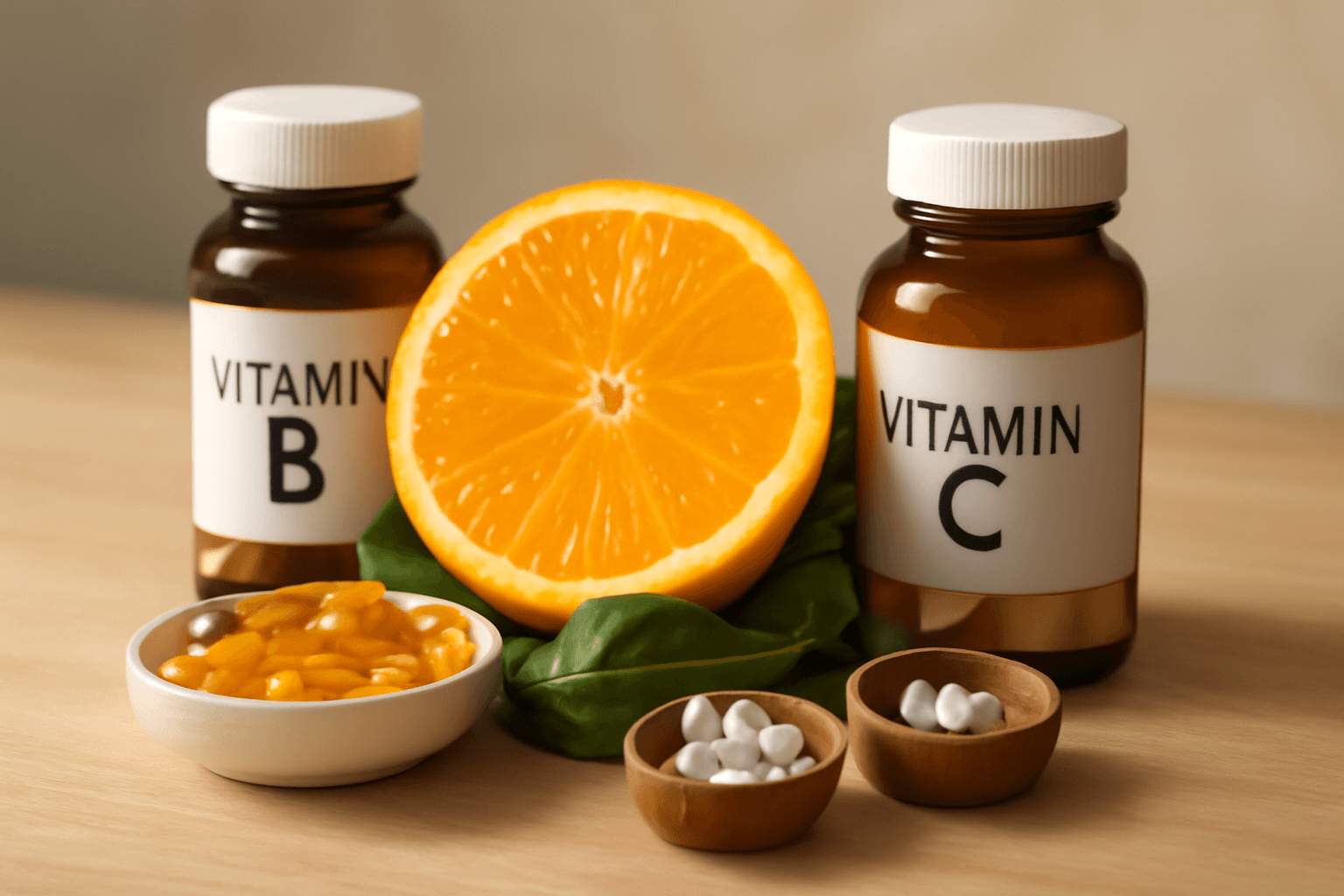
B vitamins are the foundation of nervous system health. Deficiencies in B6, B12, and folate directly cause anxiety and depression. In particular, cobalamin (B12) protects nerve myelin, and folate promotes neurotransmitter production.
- B6-rich foods: chicken breast (1.0mg per 100g), sunflower seeds
- B12-rich foods: oysters, beef, salmon, eggs
- Folate-rich foods: spinach, broccoli, lentils, asparagus
Sleep-improving foods: Stress and anxiety cause sleep deprivation, and sleep deprivation in turn worsens stress, creating a vicious cycle. Foods rich in tryptophan promote serotonin and melatonin production, improving sleep quality.
- Turkey breast: 290mg tryptophan per 100g
- Greek yogurt: small amount of tryptophan + calcium (nerve stabilization)
- Walnuts: tryptophan + omega-3
- Milk (warm): promotes sleep at night
- Kiwi: contains serotonin, increases sleep time by 13%
Practical application: Consuming tryptophan-rich foods together with complex carbohydrates at dinner promotes tryptophan entry into the brain. For example, a combination of turkey meat + brown rice + kiwi is effective.
Summary
Key nutrients for managing stress and anxiety:
- Protein: neurotransmitter production (1.2-1.6g per kilogram of body weight daily recommended)
- Magnesium: muscle relaxation and nerve stabilization (men 400mg, women 310mg daily recommended)
- Zinc: stress hormone regulation (men 11mg, women 8mg daily recommended)
- Probiotics: gut-brain axis health (27% reduction in anxiety symptoms)
- Omega-3: reduced brain inflammation (100g salmon 2-3 times per week)
- B vitamins: maintain nervous system function
Foods to avoid: refined sugar (exceeding 50g daily increases anxiety disorder by 23%), ultra-processed foods (35% increase in depression rate), excessive caffeine (elevated cortisol)
Daily diet improvement strategies:
- Include a protein source at each meal (eggs, fish, tofu, lentils)
- Daily consumption of fermented foods like unsweetened yogurt or kimchi
- A handful of nuts per day (magnesium + healthy fats)
- Combine complex carbohydrates and tryptophan-rich foods at dinner
- Choose whole foods instead of refined foods
- Choose water, green tea, or milk instead of processed drinks
Medical disclaimer: The information presented in this article is a supplementary health management method, and severe anxiety disorders or depression require diagnosis and treatment from medical professionals. Consult a doctor or nutritionist before starting any specific nutrient supplements. Especially if you are taking medication, potential interactions must be checked. If symptoms do not improve with diet changes alone, seek help from a psychiatrist. Proper food choices are more than simple nutrition intake—they are natural therapy that physically stabilizes your nervous system. Small dietary changes you start today can bring noticeable anxiety reduction and improved sleep within weeks.