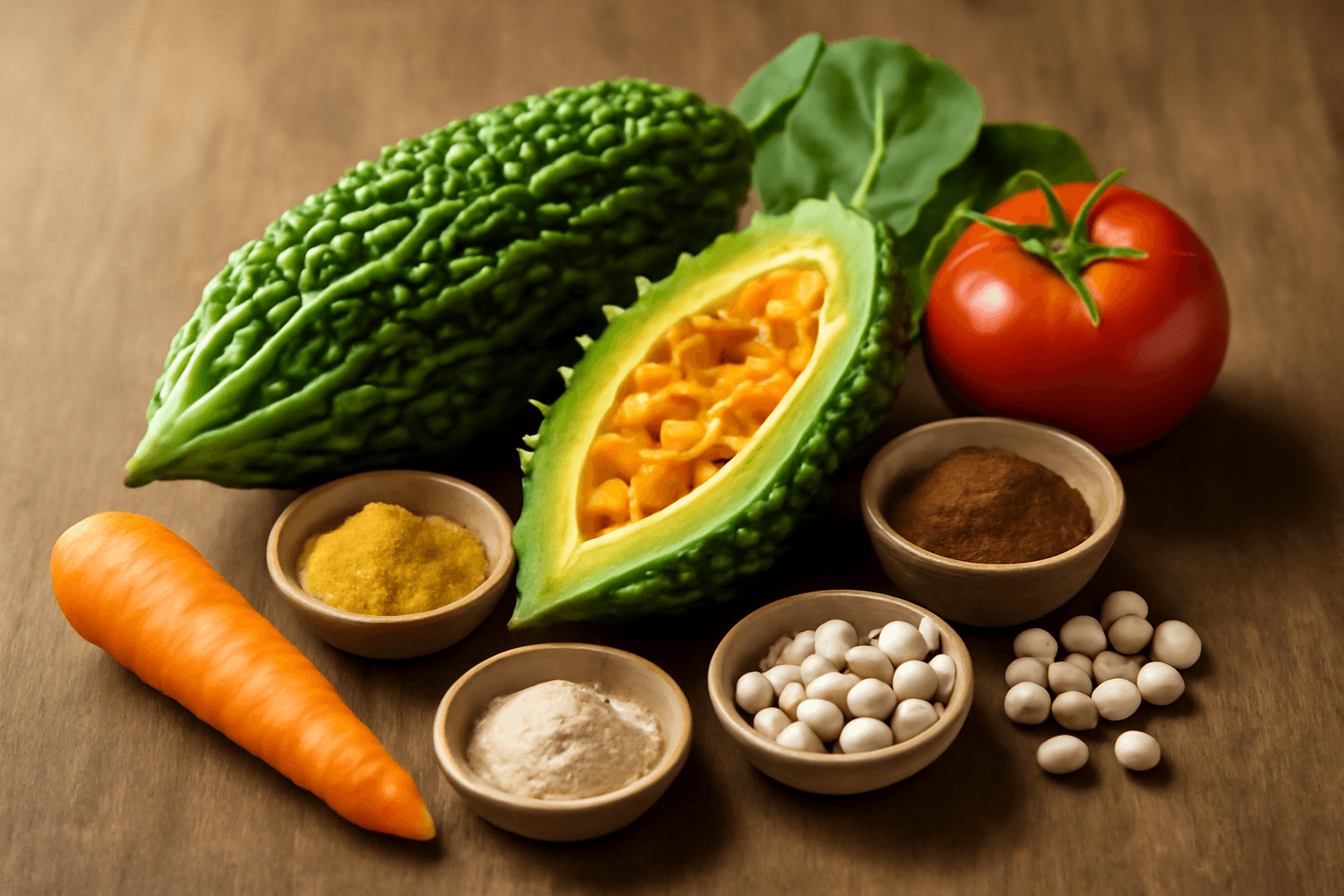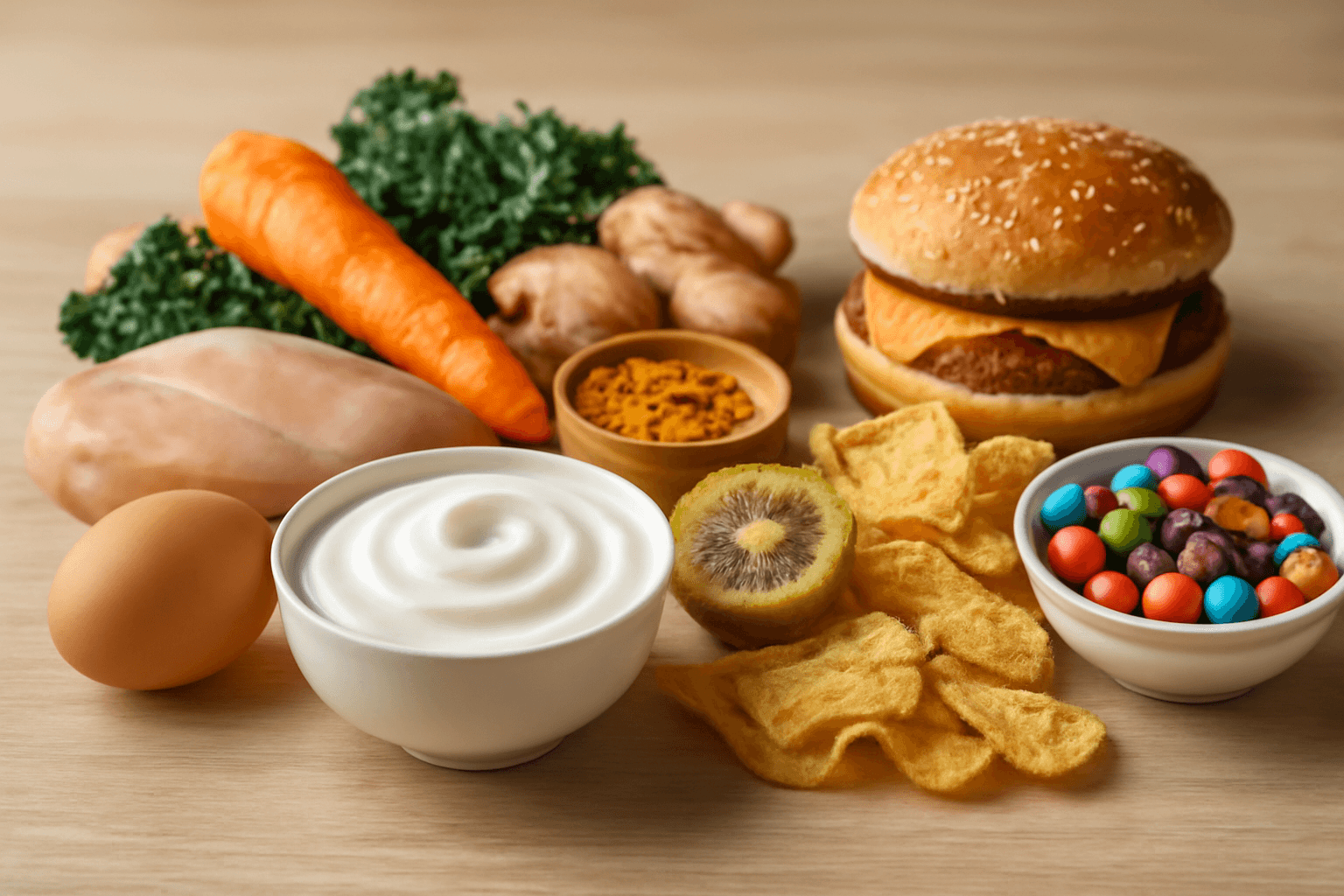
When your body is weakened, the right diet can significantly speed up your recovery. Beyond simply consuming nutrient-rich foods, different illnesses require different nutrients, and there are foods you should avoid. This article will explain in detail which foods to prioritize and which to avoid when dealing with common conditions like colds, flu, fever, and indigestion.
Foods Good to Eat When You're Sick
The foundation of disease recovery is strengthening immunity and rapid regeneration of damaged body tissues. For this, foods rich in protein, vitamins, and minerals are essential. Animal proteins like chicken breast, eggs, and yogurt directly contribute to antibody formation and repair of damaged tissues.
Additionally, colorful vegetables and fruits contain antioxidants that reduce inflammatory responses. In particular, carrots, kabocha squash, and kale rich in beta-carotene supply vitamin A, which maintains mucous membrane health. Ginger and turmeric have anti-inflammatory effects due to their curcumin content, and multiple clinical studies have confirmed they reduce inflammation levels by 15-25%.
- Protein foods: Chicken breast, fish, eggs, tofu, lentils
- Antioxidant foods: Blueberries, black beans, pomegranate, spinach
- Mineral foods: Oysters, pumpkin seeds, cashews (zinc-rich)
- Anti-inflammatory spices: Ginger, turmeric, garlic
Foods Good to Eat When You Have a Cold
A cold is an upper respiratory viral infection, and a quick immune response is critical. Vitamin C promotes white blood cell activation, and intake of 200mg or more per day is recommended. Oranges, kiwis, and bell peppers lose little vitamin C when fresh, and bell peppers boast 1.5 times higher vitamin C content than oranges.
Ginger is particularly effective for relieving early cold symptoms. Gingerol, a component of ginger, alleviates throat pain and calms cough reflex. Mixing ginger juice into warm honey water and consuming it 2-3 times daily can reduce symptom duration by approximately 1-2 days. Chicken broth contains protein along with anti-inflammatory components that relieve nasal congestion and sore throat.
Diet tips for cold recovery: Consume warm foods and plenty of fluids, but avoid spicy seasonings. Combining vitamin C foods with protein at every meal can speed up recovery by 30%.
Foods Good to Eat When You Have the Flu
The flu causes more severe systemic symptoms than a cold, requiring stronger immune support. Zinc is a key mineral that suppresses viral replication, and consuming 75-100mg daily within 24 hours of symptom onset can reduce symptom duration by 40%. Oysters, beef, pumpkin seeds, and cashews are rich sources of zinc.
Garlic contains a sulfur compound called allicin, known for its antiviral and antibacterial properties. Crushing fresh garlic and consuming it after 5-10 minutes maximizes allicin content. Additionally, yogurt and kimchi rich in probiotics activate intestinal immunity, increasing resistance to infection.
- Zinc sources: 100g of oysters (16mg), 100g of beef (8mg), a handful of pumpkin seeds
- Antiviral foods: Garlic, turmeric, black garlic
- Probiotics: Yogurt, kefir, kimchi, miso
- Energy supply: Brown rice, sweet potato, potato
Foods Good to Eat When You Have a Fever
High fever is a signal that your body is fighting an infection, and during this process, fluid and electrolyte loss increases dramatically. When body temperature is 38°C or higher, you must replenish fluids with lukewarm water, and a minimum of 2.5-3L of fluid intake per day is necessary. Ion drinks, broths, and soups simultaneously supply sodium and potassium, effectively preventing dehydration.
Even during high fever, your body consumes energy, making easily digestible carbohydrates important. Soft foods like porridge, udon, and rice provide energy without burdening the digestive system. While chewing ice or consuming cold foods can temporarily relieve discomfort, they increase digestive burden, so lukewarm water is recommended.
Fever management nutrition guide: A combination of lukewarm water + soup/broth-type foods + soft carbohydrates (porridge) is effective. Foods high in fiber increase digestive burden, so limit them until the fever subsides.
Foods Good to Eat When You Have an Upset Stomach
With digestive issues, food choice directly affects recovery. The BRAT diet (banana, rice, applesauce, toast) is the standard diet for digestive disorders, all of which are easy to digest and don't irritate the intestines. Among these, bananas contain pectin and resistant starch, which effectively stop diarrhea, and are rich in potassium to replenish electrolyte loss.
Ginger normalizes digestive tract movement and quickly alleviates nausea. Ginger tea or 1-2 tablespoons of ginger syrup can relieve heartburn and abdominal cramps within 30 minutes. Probiotics help restore normal intestinal function by increasing beneficial bacteria. During the first 24 hours of upset stomach, start with liquid foods like porridge and rice gruel, then gradually add protein.
- Easy-to-digest foods: White rice, white bread, eggs (steamed), tofu
- Recovery fruits: Banana, grapes, strawberries (fresh)
- Broth foods: Clear broth, vegetable soup, seaweed soup
- Foods to avoid: High-fat foods, dairy products, high-fiber vegetables (first 24 hours)
Foods to Avoid When You're Sick
Wrong food choices during illness recovery can worsen symptoms or delay recovery. Greasy foods overload the digestive system, and especially with flu or upset stomach, they interfere with intestinal peristalsis and intensify symptoms. High-fat foods like fried foods, ramen, and chicken should be avoided for at least 3-5 days.
Caffeine and alcohol worsen dehydration and impair immune function. Caffeine in coffee and green tea constricts blood vessels, hindering drug absorption, and increases the risk of side effects when taken with fever reducers. Chocolate, cola, and energy drinks should be limited for the same reason. Alcohol can cause liver damage through interactions with antibiotics or cold medicine, so it is strictly forbidden.
You should also avoid irritating foods. Spicy, salty foods, and acidic foods (orange juice, tomato) worsen sore throat and trigger acid reflux. Especially when you have sore throat in early cold stages, lukewarm water or honey water is safest. Processed foods and foods containing artificial sweeteners increase inflammatory responses, so it's best to avoid them during illness recovery.
Must-avoid food checklist:
- High-fat foods (fried foods, butter, cream)
- Caffeine-containing foods (coffee, green tea, chocolate, cola)
- Alcohol (all alcoholic beverages)
- Irritating foods (chili pepper, excessive garlic, acidic beverages)
- Foods that are too hot or too cold
- Processed foods and artificial additives
Summary
Key nutrition strategies by illness are summarized as follows:
- Cold: Vitamin C (200mg or more) + ginger + warm chicken broth
- Flu: Zinc (75-100mg) + garlic + probiotics + protein
- High fever: Adequate fluids (2.5-3L) + ion drinks + soft carbohydrates
- Upset stomach: BRAT diet + ginger + probiotics (liquid diet for first 24 hours)
What you should commonly avoid in all situations is high-fat, caffeine, alcohol, and irritating foods. Your diet may vary depending on your individual health status, medications you're taking, and any allergies you have. If symptoms persist or worsen for 3-5 days or longer, be sure to consult a healthcare professional. Remember that proper nutrition management is as important a recovery factor as medication treatment.