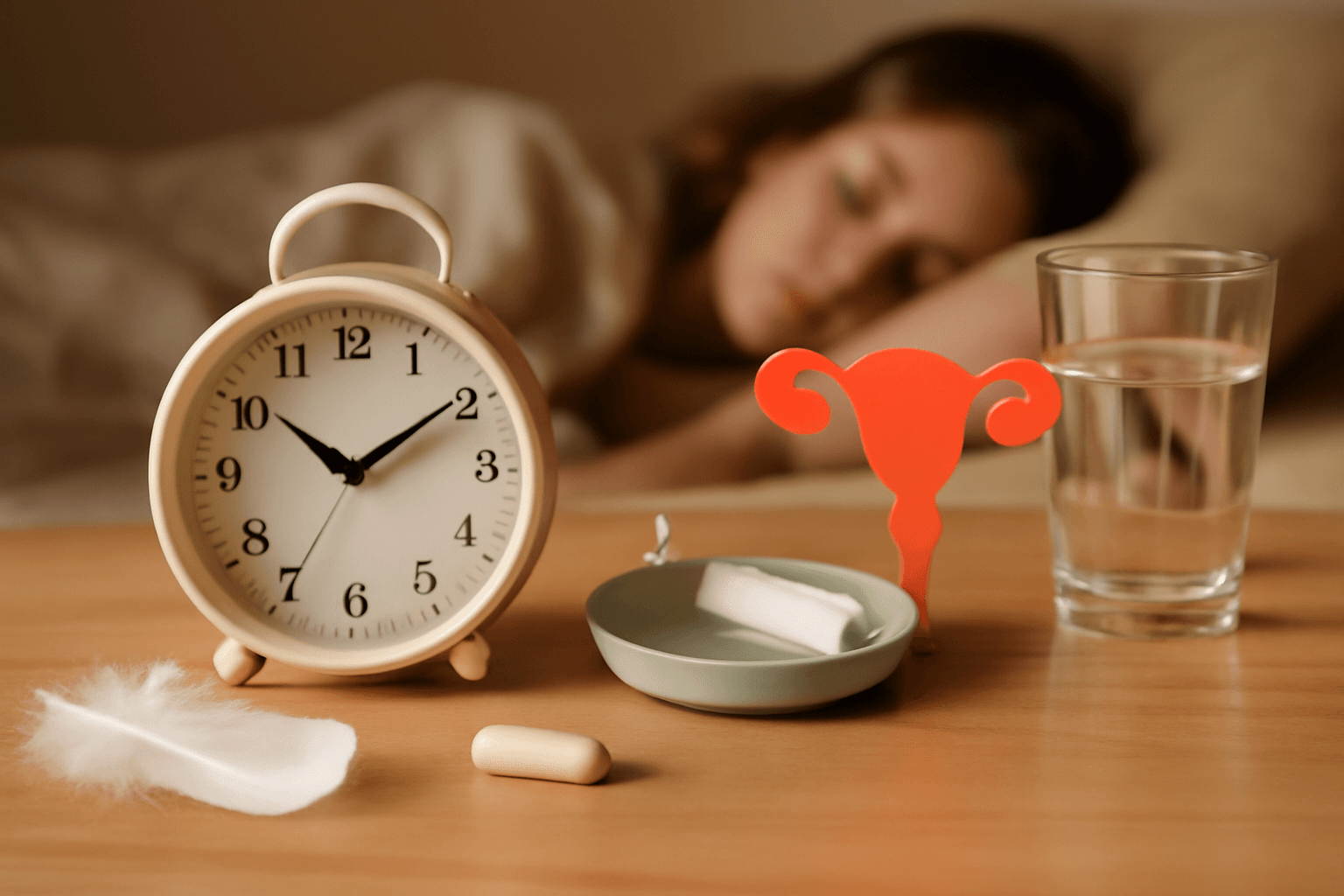
A woman's body experiences radical physical changes at each stage of life due to hormonal fluctuations. Beginning with puberty, the menstrual cycle dominates a woman's daily life for approximately 40 years, then transitions through menopause into a new phase. Throughout this process, everything changes—energy levels, sleep quality, stress management capacity, and metabolism. Particularly as the roles of thyroid hormones and nutrients like iodine shift at each stage, the intensity of fatigue and physical symptoms that women experience also varies. This article addresses hormonal changes across women's life stages from before and after menstruation through post-menopause, along with practical health management strategies for each phase.
Understanding the Hormonal Journey
A woman's menstrual cycle operates on approximately a 28-day basis through complex interactions of four major hormones. Estrogen, progesterone, luteinizing hormone (LH), and follicle-stimulating hormone (FSH) are secreted according to a precise schedule, and they do far more than simply regulate reproductive function.
Estrogen acts on serotonin receptors in the brain, directly affecting mood and energy levels. According to research, women report higher energy levels and better sleep quality during the early follicular phase when estrogen levels are elevated. In contrast, during the luteal phase—when progesterone dominates (approximately 14 days after ovulation)—metabolism increases by 5-8%, boosting calorie expenditure while simultaneously stimulating the brain waves necessary for deep sleep.
Interestingly, thyroid hormone also responds sensitively to the menstrual cycle. The reason thyroid disease occurs in women at a rate 5-8 times higher than in men is due to the high sensitivity of these hormone receptors. Iodine is an essential nutrient for thyroid hormone synthesis, yet iron loss from menstrual bleeding can interfere with iodine absorption. Therefore, menstruating women should consume iodine above the recommended daily amount for men (150mcg).
PMS and Menstruation: Signals of Hormonal Imbalance
Premenstrual syndrome (PMS) is not simply an emotional change but reflects specific hormonal metabolic abnormalities. During the approximately 14 days from ovulation to menstruation, progesterone levels surge dramatically, and this hormone increases allopregnanolone, a key metabolite of the neurotransmitter GABA.
Looking at the symptoms that emerge:
- Fatigue and decreased energy: Progesterone causes drowsiness through its suppressive action on the central nervous system, while simultaneously rising cortisol levels decrease stress-coping ability.
- Sleep disturbances: Forty percent of women with PMS experience insomnia during the week before menstruation, which occurs because progesterone raises body temperature by 0.5-1.0 degrees.
- Increased appetite: During the luteal phase, as metabolism increases, an additional 200-300 calories of energy is actually needed.
Women with iodine deficiency tend to experience 30% more severe PMS symptoms. This is because iodine is essential for thyroid hormone synthesis, and insufficient thyroid hormone impairs estrogen metabolism. Iron loss from menstrual bleeding is equally important; iron, as a component of hemoglobin, is responsible for oxygen transport, so iron deficiency causes extreme fatigue during menstruation.
Practical Management Strategies: Research shows that increasing magnesium intake to 400mg during the two weeks before menstruation reduces PMS symptoms by 48%. Additionally, consuming complex carbohydrates instead of refined carbohydrates to prevent hypoglycemia and engaging in regular exercise (3 times weekly, 30+ minutes) to increase serotonin are effective. Extending sleep time by 1-2 hours before menstruation also helps normalize cortisol, a stress hormone.
Perimenopause: The Hormonal Rollercoaster
Perimenopause typically appears from the mid-40s to early 50s, and during this period, a woman's body experiences extreme hormonal fluctuations while menstruation becomes irregular. This phase typically lasts an average of 4-10 years before menopause, though for some women it continues for 15 years or longer.
The hallmark of perimenopause is that the ovaries begin secreting estrogen irregularly. Some weeks, estrogen levels spike to three times normal, then drop sharply days later. These dramatic fluctuations stimulate the temperature regulation center in the hypothalamus of the brain, triggering hot flashes and night sweats. In fact, 75-80% of perimenopausal women experience these symptoms.
Particularly noteworthy during this time is the change in thyroid function. Dramatic estrogen fluctuations can trigger thyroid antibody production, which is also why the incidence of thyroiditis surges in women in their 40s and 50s. When thyroid function declines, energy drops, weight increases, skin becomes dry, and severe fatigue occurs.
Symptoms and Coping Methods:
- Night sweats and sleep disruption: Night sweats from sharply declining estrogen disrupt restful sleep, creating a vicious cycle. Typically, women's sleep quality declines by 30-50% during this time. Maintaining bedroom temperature at 16-19 degrees Celsius and wearing absorbent cotton sleepwear helps.
- Extreme fatigue: Sleep deprivation from irregular hormones combined with decreased iron absorption from low estrogen create a compounding effect. Iron levels should be checked and supplemented if necessary, and iodine intake should be maintained above 150mcg.
- Cognitive decline (brain fog): Since estrogen acts as a neuroprotective factor in the brain, irregular levels affect concentration and memory.
During this time, it's important to consult with a healthcare professional for hormone testing (FSH, LH, estrogen). If symptoms are severe, the benefits and risks of hormone replacement therapy (HRT) should be discussed.
Menopause: Reorganization of the Hormonal Landscape
Medically, menopause is defined as "the absence of menstruation for 12 consecutive months." At this point, the ovaries produce almost no estrogen, and FSH levels increase more than 40-fold. The first 5-8 years after menopause is defined as the most difficult period.
Physical changes during this period are very extensive. Due to the sharp decline in estrogen:
- Decreased bone density: During the first 5-7 years after menopause, women lose 2-3% of bone density annually, greatly increasing osteoporosis risk.
- Increased cardiovascular disease risk: Because estrogen protects the endothelial cells of blood vessel linings, its deficiency increases atherosclerosis risk.
- Metabolic changes: With metabolism declining by 2-8%, weight increases even with the same diet and exercise as before.
- Skin and hair changes: As collagen production decreases by 1% annually, skin elasticity declines.
Particularly noteworthy is thyroid function. 14-18% of menopausal women experience hypothyroidism due to worsening autoimmune responses from estrogen deficiency. Since thyroid decline intensifies symptoms like fatigue, weight gain, and depression, annual TSH testing is recommended.
Energy and Sleep Management: Menopausal women find it extremely difficult to maintain sleep. To minimize blood sugar fluctuations, low-glycemic index (GI) foods should be chosen, and caffeine intake should be limited to before 2:00 PM. Regular strength training (2-3 times weekly) is the most effective method for maintaining metabolism and improving sleep quality.
Post-Menopause: New Hormonal Stabilization
The post-menopausal period occurs roughly 8-10 years after menopause when hormones stabilize at a new baseline. During this phase, hot flashes and night sweats largely disappear, and menstrual cycle irregularities no longer occur. However, this doesn't mean there are no health concerns.
The major health issues post-menopausal women face include:
- Persistent fatigue: Reduced energy production efficiency from complete estrogen deficiency continues. As mitochondrial function declines, cellular energy production decreases.
- Muscle loss (sarcopenia): Post-menopausal women lose 3-5% of muscle mass annually, leading to decreased metabolism and increased fall risk.
- Cognitive changes: Since estrogen stimulates nerve growth factor (NGF) production in the brain, its deficiency significantly increases Alzheimer's disease risk.
- Vaginal and urinary health: With estrogen deficiency, vaginal mucosa atrophies, causing sexual dysfunction and recurrent urinary tract infections.
Iodine deficiency can also become a serious problem during this period. Post-menopausal women face even higher risk of hypothyroidism, and adequate iodine intake (150mcg/day) is essential for maintaining normal thyroid function. Regular consumption of iodine-rich foods like seaweed, fish, and dairy products is important.
Optimizing Post-Menopausal Lifestyle:
- Resistance exercise: Strength training 2-3 times weekly is the only effective method to prevent muscle loss and maintain metabolism.
- Nutritional optimization: Protein intake should be increased to 1.2-1.6g per kg of body weight, and calcium (1000-1200mg/day) and vitamin D (800-2000IU/day) intake are essential for osteoporosis prevention.
- Sleep environment improvement: Earlier bedtimes (22:00-23:00) provide the deepest sleep, so maintaining circadian rhythm is important.
- Stress management: Maintaining cortisol levels in the normal range through meditation, deep breathing exercises, and yoga prevents fatigue accumulation.
During this period, regular testing every 2 years is important for thyroid function, female hormone levels, bone density, and glucose metabolism. Through consultation with healthcare professionals, an individualized health management plan tailored to your specific health status should be established.
Summary: Key Points in Life Stage-Specific Health Management
Throughout a woman's life, hormonal changes are not merely physiological phenomena but have far-reaching impacts on fatigue, sleep, energy, and stress-coping ability. The key points for each stage are as follows:
- Menstruating years (menarche to early 40s): Nutritional supplementation aligned with the menstrual cycle (especially iron and magnesium), regular exercise, and establishing PMS symptom management strategies
- Perimenopause (mid-40s to early 50s): Thyroid function testing, iodine intake verification, sleep environment improvement, and medical consultation for extreme fatigue
- Menopause (early post-menopausal period, 5-8 years): Calcium and vitamin D intake for bone density preservation, strengthened resistance exercise, and cardiovascular health management
- Post-menopause (8-10 years and beyond): Resistance exercise to prevent muscle loss, cognitive function preservation, thyroid monitoring, and lifestyle habit improvement
Most Important Common Principles: Iodine intake, adequate protein, regular exercise, consistent sleep duration, and stress management are essential at all life stages. Particularly, if energy decline and fatigue persist, rather than dismissing it as simply "age-related," thyroid function and iron and vitamin B12 levels should be tested.
Medical Professional Consultation: If the symptoms or hormonal changes discussed in this article interfere with daily life, please consult with an obstetrician-gynecologist, internist, or endocrinologist. Depending on individual health status, hormone testing, imaging studies, and drug therapy may be necessary, and under professional guidance, the safest and most effective treatment plan can be established.