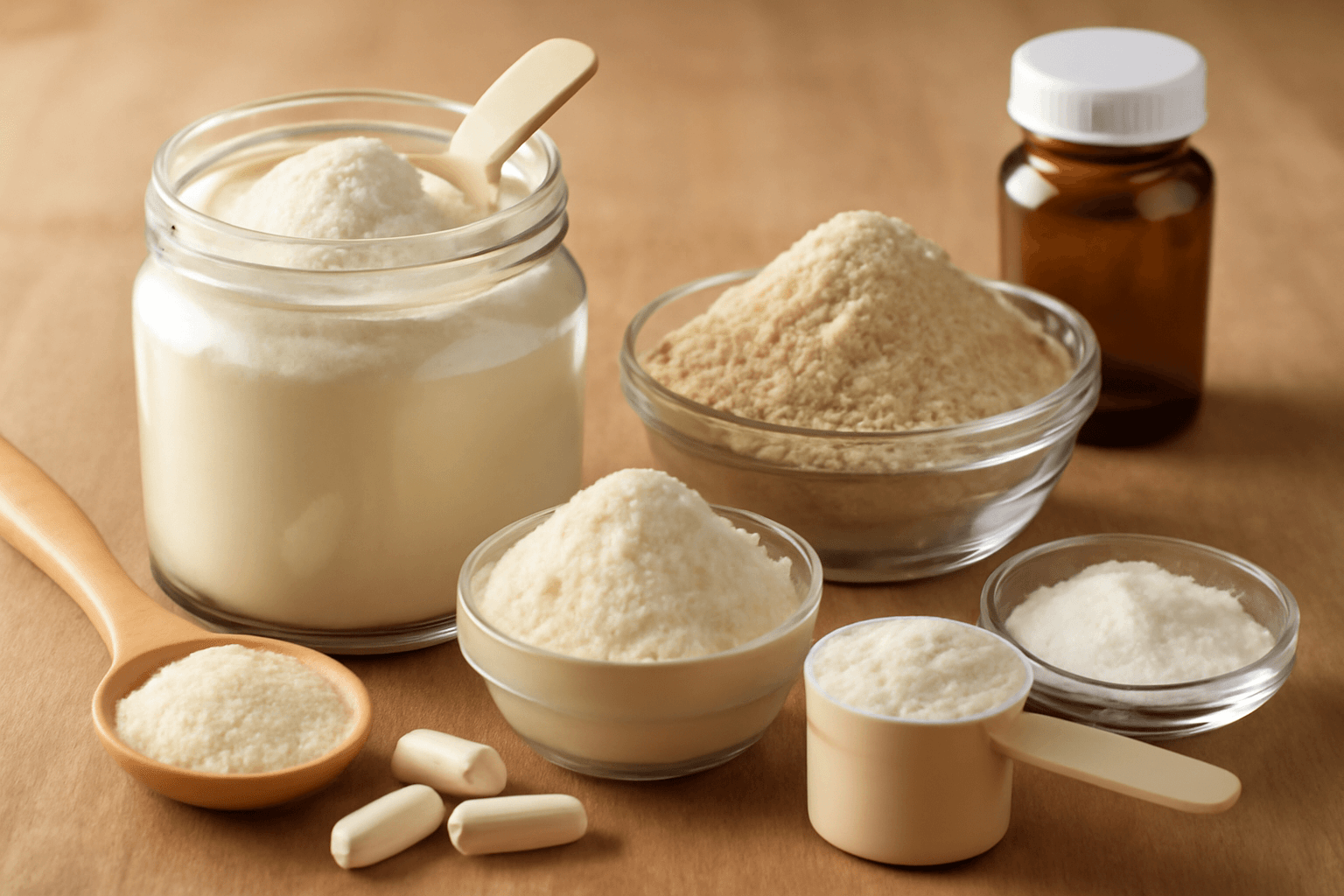
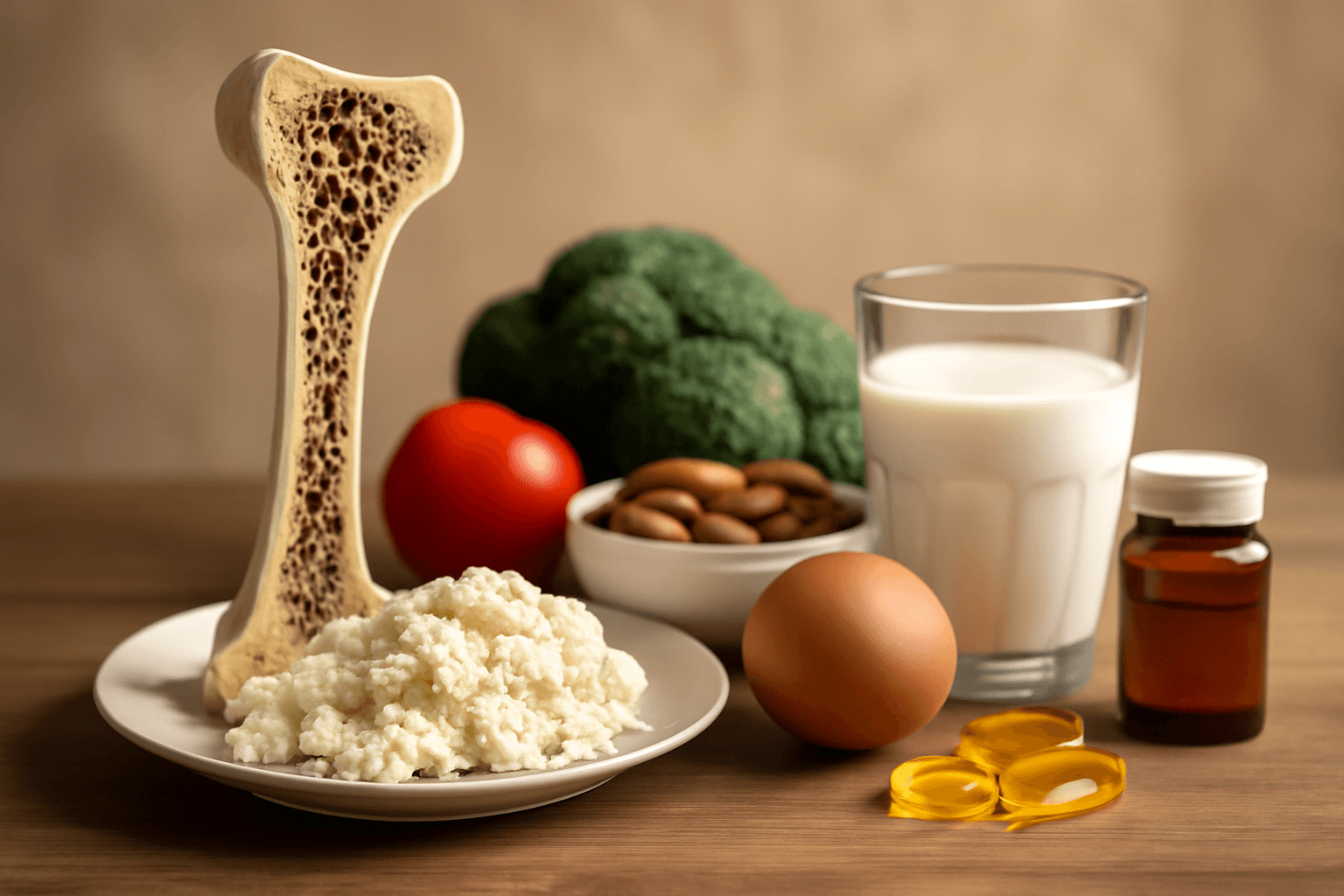
Protein powder is an important nutritional supplement that supports healthy eating habits for modern people. Various types of protein powder are available on the market, including whey, casein, and plant-based proteins, each with different characteristics and benefits. This article explains in detail the role of protein, recommended intake amounts, and the features and selection criteria for each type of protein powder.
The Importance of Protein
Protein is an essential nutrient that forms the cellular structure of the entire body, including muscles, bones, skin, enzymes, and hormones. The human body synthesizes protein from approximately 20 amino acids, of which 9 are essential amino acids that must be obtained through food. In particular, leucine, isoleucine, and valine—BCAAs (branched-chain amino acids)—promote muscle protein synthesis and accelerate muscle damage recovery after exercise.
Protein also plays an important role in strengthening the immune system. Most substances responsible for immune function, such as antibodies, immunoglobulins, and cytokines, are composed of protein. Additionally, protein intake helps regulate stress hormones and promotes calcium absorption, contributing to bone density maintenance. Adequate protein consumption promotes collagen production in the skin to maintain skin elasticity and increases wound healing speed.
The Importance of Protein Quality
Protein quality is determined by amino acid composition and bioavailability (the degree of absorption and utilization in the body). Several indicators such as Protein Efficiency Ratio (PER), Amino Acid Score Pattern Index (ASPI), and Digestible Indispensable Amino Acid Score (DIAAS) evaluate protein quality. Complete proteins contain all 9 essential amino acids, and higher bioavailability allows the body to use them more efficiently.
For example, whey protein has very high bioavailability of over 90% and is rich in BCAAs. In contrast, some plant-based proteins may lack certain essential amino acids, so it's advisable to consume mixed plant-based protein sources or complementary supplements. Additionally, glutamine loss can occur during the digestion process of protein powder. Since glutamine is important for gut health and immune maintenance, choosing products that supplement glutamine is also worth considering.
How Much Protein Do You Need?
Generally, the recommended protein intake for healthy adults is 0.8g per kilogram of body weight. For example, a 70kg adult should consume 56g of protein daily. However, this is the minimum requirement and varies depending on individual activity levels and health goals.
- General adults: 0.8–1.0g per kg of body weight
- Regular exercisers: 1.2–1.6g per kg of body weight
- Strength training goal: 1.6–2.2g per kg of body weight
- Older adults: 1.0–1.2g per kg of body weight (for muscle loss prevention)
- Recovery phase and injury: 1.5–2.0g per kg of body weight
Distributing protein intake over 3–4 meals throughout the day maximizes muscle protein synthesis. Research shows that muscle synthesis response is optimized when consuming 20–40g of protein per meal. Consuming protein within 2 hours after exercise further enhances muscle recovery benefits.
Protein Powder Supplement Guidelines
Protein powder supplements are useful when it's difficult to meet protein requirements through diet alone. Consider the following when selecting a product.
- Check the source: Verify the main protein sources such as milk, eggs, soy, peas, rice, and their content amounts
- Amino acid profile: Review whether BCAA, glutamine, and essential amino acid content are appropriate
- Added ingredients: Check for additional ingredients such as calcium, collagen, and probiotics as needed
- Digestibility: For sensitive digestive systems, choose hydrolyzed protein or enzyme-added products
- Manufacturing process: Prioritize products made with high-quality processes such as cold drying or microfiltration
- Certifications and verification: Choose products that have obtained third-party certifications such as NSF, USP, or Informed Choice
It's important to comprehensively consider individual allergies, dietary restrictions, digestive sensitivity, exercise intensity, and health goals when selecting the most suitable product. When starting a new protein powder, it's recommended to start with a small amount to confirm your response before gradually increasing intake.
Whey Protein Powder
Whey protein is extracted from whey, a byproduct of cheese production. It's the most widely used protein powder on the market and boasts very high bioavailability of over 90%. It contains all 9 essential amino acids and is particularly rich in BCAAs, making it effective for muscle recovery after strength training.
Whey protein is classified into three types depending on its form. Whey Protein Concentrate (WPC) has a protein content of 70–80% and is the most affordable. Whey Protein Isolate (WPI) has protein content of over 90%, with high purity and low lactose content, making it suitable for those with lactose intolerance. Whey Protein Hydrolysate (WPH) has protein broken down into small peptides, is absorbed most quickly, and is easy to digest.
Whey protein is optimized for consumption immediately after exercise due to its fast absorption speed. It rapidly elevates blood amino acid levels and quickly triggers muscle protein synthesis. Additionally, lactoferrin and immunoglobulins contained in whey protein help strengthen the immune system. However, caution is needed for those with lactose intolerance or milk allergies. Whey Protein Isolate may be a safer choice as most lactose has been removed.
Casein and Other Milk Protein Powders
Casein comprises approximately 80% of the protein contained in milk and has different characteristics from whey protein. The most significant difference is digestion speed. Because casein coagulates in the stomach and is digested slowly, it forms a "micellar structure," through which amino acids are continuously released into the bloodstream over 2–7 hours. This characteristic helps suppress muscle protein breakdown during nighttime sleep and promotes recovery, making it ideal for consumption before bed.
Casein protein is rich in glutamine, which helps maintain gut health and immunity. It also has a high calcium content, which helps maintain bone density, and provides lasting satiety, making it effective for weight management. However, caution is needed for those with lactose intolerance or milk allergies.
Milk Protein Concentrate (MPC) contains both whey and casein. It combines the fast absorption characteristics of whey with the sustained release of casein to provide balanced amino acid supply over an extended period. This is useful for situations requiring protein intake throughout the day or consumption before exercise. Milk protein powder can provide dual benefits for bone and skin health by helping with calcium and collagen-related nutrient absorption.
Plant-based protein is an alternative for vegetarians who don't consume dairy products or those with dairy allergies. Options include pea protein, rice protein, soy protein, and hemp protein. Pea protein has high BCAA content and is easy to digest, while soy protein has the most complete amino acid profile. Products combining multiple plant-based proteins complement the amino acid profile and provide quality comparable to milk protein.
Conclusion
Key Takeaways:
- Protein is an essential nutrient for muscle, bone, immune, and skin health and must contain all 9 essential amino acids
- General adults should consume 0.8–1.0g per kg of body weight, while exercisers should consume 1.2–2.2g
- Whey protein is optimized for post-exercise consumption due to its fast absorption and high BCAA content
- Casein is suitable for pre-sleep consumption due to its slow digestion and sustained amino acid supply
- Plant-based protein is an effective alternative for vegetarians or those with dairy intolerance
- When selecting protein powder, comprehensively consider individual health status, exercise goals, and digestive capacity
Protein powder is a convenient tool that helps modern people efficiently meet nutritional needs amid busy schedules. When choosing from various protein powder products, it's important to select one that suits your health status, dietary restrictions, exercise intensity, and long-term goals. Remember that protein powder is a supplement to your diet, not a complete replacement for whole foods. Overall, a balanced diet, regular exercise, and sufficient sleep are the foundation of a healthy body, and protein supplements play a supporting role in these lifestyle habits.
Consult a healthcare professional: Please consult with a healthcare professional before consuming protein powder if you have kidney disease, liver disease, are taking specific medications, or are pregnant or breastfeeding. Also, if you experience allergic reactions or digestive discomfort when using a new supplement, immediately stop consumption and seek medical attention.