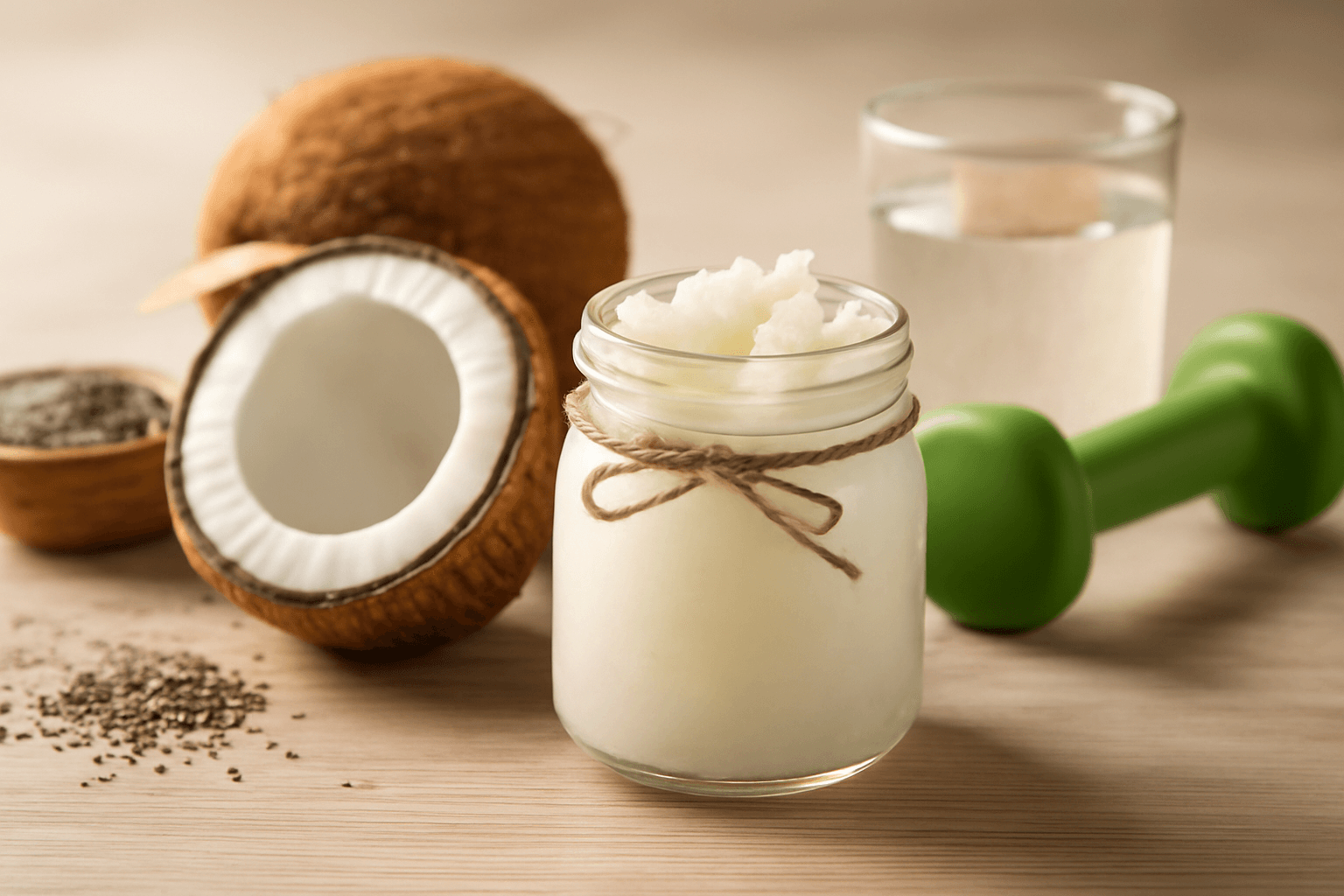
Coconut oil is a natural food and health supplement that has been used for thousands of years in tropical regions. Composed of MCT (medium-chain triglycerides), a type of saturated fat, coconut oil offers various health benefits including weight management support, improved brain health, antimicrobial properties, and energy boosting. This article introduces the science-backed benefits of coconut oil, how to choose it correctly, and practical ways to use it.
Weight Management Support
MCT oil found in coconut oil is known to promote the body's metabolism. Unlike regular long-chain fatty acids (LCT), MCTs are processed directly in the liver and converted into ketones, allowing the body to use them as energy more quickly. Research shows that people who consumed MCT oil experienced higher thermic effect of food (TEF) compared to those consuming the same calories from other sources.
Coconut oil also helps increase satiety. Medium-chain fatty acids stimulate the secretion of satiety hormones peptide YY and GLP-1, strengthening appetite suppression signals. Therefore, adding a small amount of coconut oil to your morning coffee or smoothie can prevent overeating throughout the day. However, since coconut oil is still a high-fat food (approximately 120 calories per tablespoon), it's recommended to consume about 1-2 tablespoons per day while considering your total calorie intake.
Brain Health Support
The MCT component in coconut oil increases ketone production, the brain's primary energy source. Unlike the brain that relies solely on glucose, ketones act as a more efficient energy source and help reduce neuroinflammation. Clinical studies on patients with Alzheimer's disease and cognitive decline have reported that MCT oil supplementation had positive effects on cognitive function improvement.
Particularly for middle-aged and older adults experiencing age-related cognitive decline, coconut oil provides neuroprotective effects. Polyphenols and antioxidants found in coconut oil reduce oxidative stress in brain cells and alleviate neuroinflammation. Consuming 1-2 tablespoons of extra virgin coconut oil daily can reduce the risk of cognitive decline in the long term. However, the appropriate consumption amount may vary depending on individual health conditions, so consulting with a healthcare professional is necessary.
Improved Oral Health Through Antimicrobial Action
The lauric acid and capric acid in coconut oil possess strong antimicrobial, antifungal, and antiviral properties. They can effectively inhibit harmful oral bacteria such as Streptococcus mutans and Candida albicans. This provides direct help in preventing cavities, gum disease, and bad breath.
Oil pulling is a traditional therapy that maximizes the antimicrobial effects of coconut oil. Each morning on an empty stomach, place 1 tablespoon of coconut oil in your mouth and slowly swish it between your lips for 15-20 minutes. During this process, the oil removes plaque and harmful bacteria while naturally whitening your teeth. According to one study, the group that practiced oil pulling showed a 68% reduction in plaque index after 8 weeks. However, oil pulling cannot replace brushing and is most effective when used as a complementary treatment.
What to Check When Buying Coconut Oil
The quality of coconut oil available on the market varies greatly. To obtain maximum health benefits, you should select products based on the following criteria.
- Extra Virgin Label: Refers to unrefined coconut oil extracted using the cold-pressed method. This process preserves nutrients and antioxidants.
- Organic Certification: Checking for certifications such as USDA Organic or EU Organic ensures the product minimizes the use of chemical fertilizers and pesticides.
- Unbleached and Unflavored: Products that have not undergone chemical processing. Bleached coconut oil may lose its active components.
- Content and Storage Condition: Choose products packaged in glass jars or stainless steel containers. Solidification at room temperature is normal.
- Check Country of Origin: Common origins include the Philippines, Indonesia, Thailand, and Vietnam. Verify that the product comes from a reliable producer.
Low-cost refined coconut oil loses most of its active components during high-temperature processing and may sometimes contain trans fats, so it's best to avoid it.
How to Use Coconut Oil
Coconut oil can be used in various ways from cooking to skincare. Here are practical usage methods.
- Add to Morning Beverages: Mix 1 tablespoon into black coffee, green tea, or smoothies for a moderate energy boost.
- Cooking Oil: With a high smoke point (350°F/175°C) compared to unsaturated oils, it's suitable for medium-heat cooking. However, it's not appropriate for high-temperature deep frying.
- Baking Ingredient: Can be used as a butter substitute in cookies, cakes, and pancakes.
- Salad Dressing: Mix with olive oil and use as a cool salad dressing.
- Skin Care: Apply pure extra virgin coconut oil directly to your face and body, or add a few drops to your bath water. However, for acne-prone skin, perform a patch test first.
- Hair Care: Massage onto your scalp and hair before shampooing for a natural conditioning effect.
Since coconut oil solidifies at room temperature, store it in an airtight container at room temperature or in the refrigerator. It's recommended to use it within about 2 years of opening.
Coconut Oil and Energy Enhancement
The biggest advantage of MCT oil is the immediate efficiency of the body's energy production. While regular fats take over 12 hours to digest, MCTs are broken down and converted into ketones within 3 hours. This is why consuming coconut oil in the morning results in improved cognitive function and physical energy within 30 minutes.
It's also effective for improving exercise performance. Research shows that athletes who consumed 1 tablespoon of coconut oil 30 minutes before aerobic exercise were able to exercise for longer periods and experienced faster muscle recovery. Additionally, the antioxidants in coconut oil reduce oxidative stress that occurs after intense exercise, minimizing muscle damage.
Particularly among those following low-carbohydrate diets or intermittent fasting, bulletproof coffee (coconut oil coffee) has become popular. A beverage mixing black coffee with 1 tablespoon each of coconut oil and butter maintains satiety while not being considered a complete meal, allowing you to maintain a fasted state. It provides stable energy throughout the day while preventing blood sugar spikes.
Summary
Coconut oil goes beyond being a simple cooking ingredient and is a science-backed health supplement. Its MCT component promotes weight management, improves brain health, and provides sustained energy. It also has a positive impact on oral health through its antimicrobial action.
Key Points:
- Choose extra virgin, organically certified, cold-pressed coconut oil.
- Consume 1-2 tablespoons (approximately 15-30g) per day as a baseline, while considering your individual health status.
- It's effective for weight management, energy boosting, and brain health improvement.
- Oil pulling can complementarily improve oral health.
- It's suitable for medium-heat cooking and can also be used in beverages and skincare.
Medical Precautions: Since coconut oil is a high-fat food, consult with a healthcare professional before consuming it if you have gallbladder disease, high cholesterol, or cardiovascular disease. In particular, it's important to check in advance with a pharmacist or doctor as there may be interactions with medications you're taking. Pregnant women and nursing mothers should also consume it under professional guidance.