Physical health is an essential element for a successful life. To maintain a balanced approach between work and personal growth, a systematic health routine is key. This article presents science-based strategies for building healthy habits from morning to bedtime. Let's explore practical strategies to maximize energy and strengthen immunity through protein, sleep, exercise, and essential nutrients.
Building a Morning Routine
Starting your day successfully begins with getting sufficient sleep the night before. Adults need 7-9 hours of sleep, which directly impacts physical recovery and brain function improvement. The first 30 minutes after waking are critically important, as sunlight exposure normalizes melatonin secretion, which regulates the sleep-wake cycle.
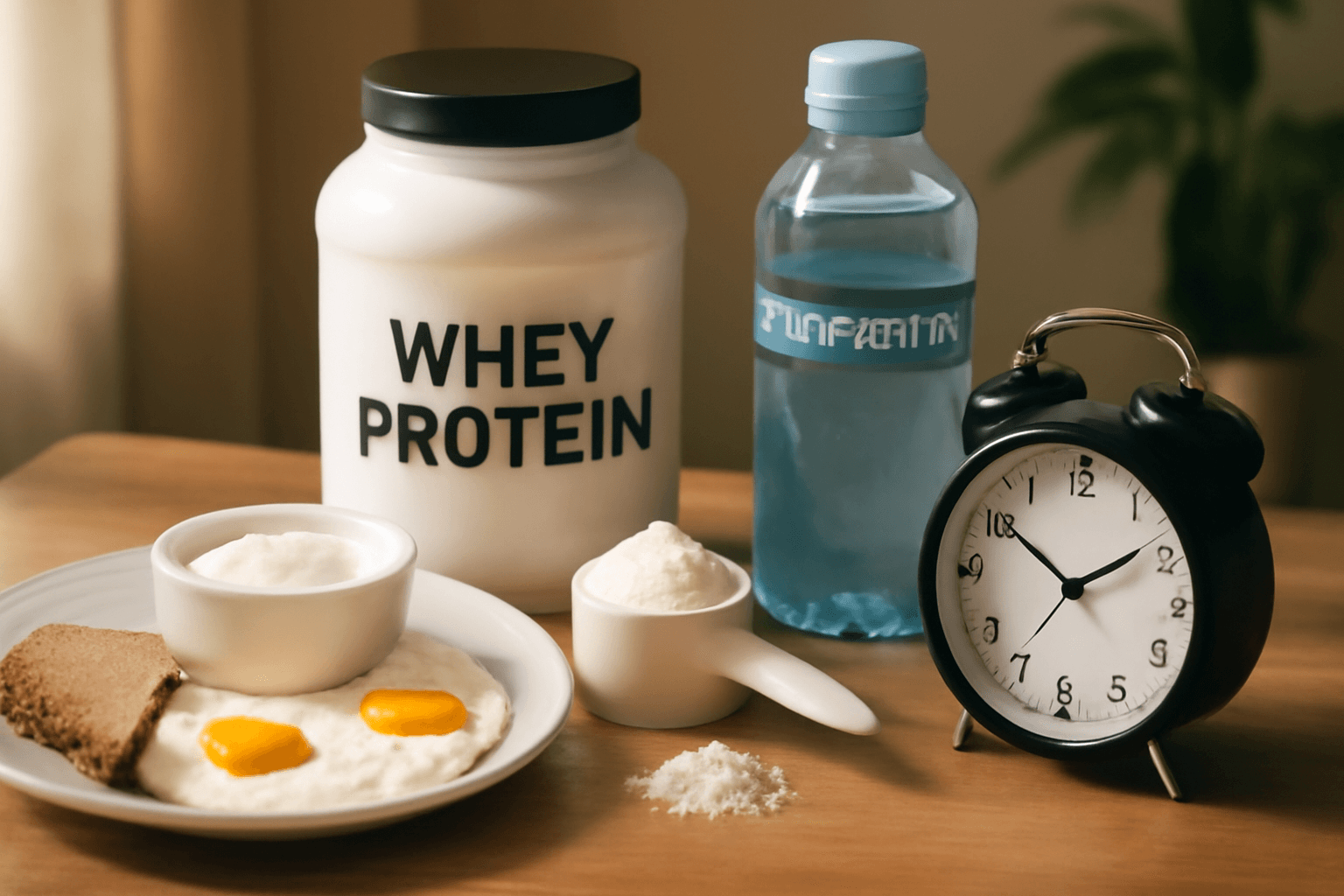
Breakfast provides the energy foundation for your day. A high-protein breakfast is effective for stabilizing blood sugar. A breakfast consisting of 2 eggs, 150g of Greek yogurt, and one or two slices of whole grain bread provides approximately 25-30g of protein, which is effective for maintaining energy and increasing satiety throughout the morning. Protein is essential for dopamine and norepinephrine synthesis, which are responsible for focus and motivation.
- Sunlight exposure: 15-20 minutes of natural light exposure within 10-15 minutes of waking
- Hydration: Consume 500ml of water immediately upon waking to activate metabolism
- High-protein meal: Breakfast containing 25-35g of protein
- B vitamins: Include eggs, cheese, and milk for energy metabolism
Magnesium plays an important role in nerve relaxation and stress management. Consuming a handful of spinach or almonds (approximately 23g) in the morning provides 80mg of magnesium, which is about 20% of the daily requirement of 400mg.
Exercising After Work
Exercise between 3-5 PM delivers optimal performance in terms of body temperature and hormone secretion rhythms. During this time period, muscle strength and endurance are highest throughout the day, while the risk of muscle damage is minimized. Exercise is also effective at reducing cortisol, the stress hormone that accumulates from work.
150 minutes of moderate-intensity aerobic exercise per week and at least 2 sessions of strength training per week are recommended. Strength training stimulates muscle protein synthesis and increases testosterone secretion, promoting energy production. A 30-minute exercise session can be structured as follows: 5-minute warm-up, 20-minute strength training (3 times per week), and 10-minute aerobic exercise.
- Strength training: Multi-joint exercises such as squats, deadlifts, and bench presses
- Aerobic exercise: Sustainable intensity activities like running, cycling, and swimming
- Recovery work: 5-10 minutes of stretching and foam rolling
- Exercise time: Between 3-6 PM for optimal results
Microscopic muscle damage that occurs during exercise is reconstructed as stronger muscle during the recovery period. Protein and zinc are essential for this process. Zinc is involved in immune cell function and protein synthesis, with daily recommendations of 11mg for men and 8mg for women.
Replenishing Nutrition After Exercise and Getting Back to Work
The "golden window" of consuming carbohydrates and protein within 30-60 minutes after exercise is crucial for muscle recovery. Nutrients consumed during this time are preferentially used for glycogen resynthesis and muscle protein synthesis. A post-workout snack combining one banana (27g carbohydrates, 358mg potassium) and 100g of Greek yogurt (10g protein) is an ideal recovery nutrition.
If you cannot consume a complete meal within 2 hours after exercise, protein shakes or dairy-based nutritional supplements are effective. The role of B vitamins is very important at this stage. B6, B12, and folate are responsible for energy metabolism and nerve function, and are essential for recovering from nerve fatigue. Leucine-containing foods (eggs, chicken, dairy products) are particularly effective for repairing muscle fibers damaged by exercise.
- Post-workout nutrition timing: Within 30-60 minutes after exercise ends
- Carbohydrates: 1g per minute of exercise duration (30g for a 30-minute workout)
- Protein: 20-40g of high-quality protein
- Essential amino acids: Optimize muscle protein synthesis with leucine-containing foods
During work resumed after exercise, your body is in a recovery state, so you should continue hydrating. To replenish electrolytes lost through sweat, consuming sodium-containing foods (nuts, cheese) is also recommended. Since magnesium is essential for preventing muscle cramps and energy production, consider additional intake in the late afternoon.
Bedtime Routine
Quality sleep is essential for physical regeneration, memory consolidation, and immune strengthening. Sleep goes through three stages, during which growth hormone secretion is maximized in deep sleep (stages 3-4) and muscle protein synthesis occurs. You should start a preparation routine 1-2 hours before bed.
Consuming magnesium-containing foods 30-60 minutes before bed improves sleep quality. Warm milk (24mg magnesium, 276mg calcium) or chamomile tea supports the production of gamma-aminobutyric acid (GABA), which promotes nerve relaxation. A dark environment promotes melatonin secretion, and an indoor temperature of 16-19°C optimizes sleep quality.
- Screen time cessation: Avoid smartphone and computer use 1 hour before bed
- Light reduction: Promote melatonin secretion by blocking blue light
- Magnesium foods: Pumpkin seeds, almonds, spinach, dark chocolate (30g dark chocolate: 67mg)
- Sleep environment: Quiet, dark environment with indoor temperature of 16-19°C
Since caffeine has a half-life of 5-6 hours, avoid coffee after 2 PM. Alcohol consumption immediately after evening exercise should be avoided, as alcohol reduces sleep depth and interferes with REM sleep (memory consolidation). Maintaining consistent sleep times (within a ±30 minute range) stabilizes your body's circadian clock, enabling natural waking.
Stress management is also an important part of your bedtime routine. 5-10 minutes of meditation or diaphragmatic breathing activates the parasympathetic nervous system, inducing a state of relaxation. If you feel anxious, writing down tomorrow's tasks on paper can also be effective for mental clarity.
The Key to Success: Wake Up and Repeat Your Routine
Consistency is the foundation of all health routines. Your body takes a minimum of 4-6 weeks to adapt, and habit formation requires an average of 66 days. The first 2 weeks are a period when your body resists the new routine, so it's important to record and celebrate small wins.
Build a tracking system to maintain your routine successfully. Use a weekly checklist to record sleep hours, protein intake (goal: 1.6-2.2g per kilogram of body weight daily), and exercise frequency. Monitoring vitamin B12, vitamin D, iron, and zinc levels through blood tests every 3-6 months allows you to objectively determine whether supplementation is needed.
- First 2 weeks: Difficult period for routine formation, celebrate small wins
- Weeks 3-6: Body begins to adapt, improvements in energy levels become noticeable
- Weeks 6-12: Habit formation stage, increased strength and visible body composition changes begin
- 3 months and beyond: Sustained routine maintenance produces consistent results
Plan your week to minimize variables. Prepare your meal plan in advance from Monday through Friday (meal prep), and fix your exercise schedule to reduce willpower depletion. During high-stress weeks, it's fine to reduce exercise intensity. According to research, setting one or two rest days per week positively impacts long-term routine sustainability.
Immune strengthening is a byproduct of sustained routines. Adequate sleep (7-9 hours), regular exercise (150 minutes per week), protein intake (1.6-2.2g per kilogram of body weight), and zinc consumption (11-15mg for men, 8-11mg for women) reduce infection rates by 30-40%. Additionally, reduced stress hormone levels lower the risk of chronic diseases.
Summary
A health routine for success starts with morning sunlight exposure and high-protein meals, followed by afternoon exercise and nutritional supplementation, and ends with a relaxation routine before bed. The key is consistency. Small habits repeated daily accumulate to bring physical and mental changes.
Action Checklist:
- Morning: Sunlight exposure (10-15 minutes) + meal containing 25-35g of protein
- Morning/Afternoon: Consume 8-10 glasses of water, include B vitamin foods
- Afternoon: 150+ minutes of exercise per week, at least 2 strength training sessions
- Post-workout: Consume carbohydrates + protein within 30-60 minutes
- Evening: Magnesium-containing foods, stress management (meditation/breathing)
- Bedtime: Consistent 7-9 hours of sleep, 16-19°C environment
- Weekly: Track sleep/nutrition/exercise, monthly self-evaluation
Medical disclaimer: This information provides general health guidelines and may vary depending on individual health conditions, medical history, or medications. Especially those with chronic diseases, pregnant women, and those with specific nutrient deficiencies should consult with a doctor or nutritionist to establish a personalized plan. Medical consultation is also recommended before starting a new exercise program.
Success doesn't happen overnight. When a consistent health routine provides the foundation, your body and mind maintain optimal conditions, enabling the achievement of personal goals. Start today.