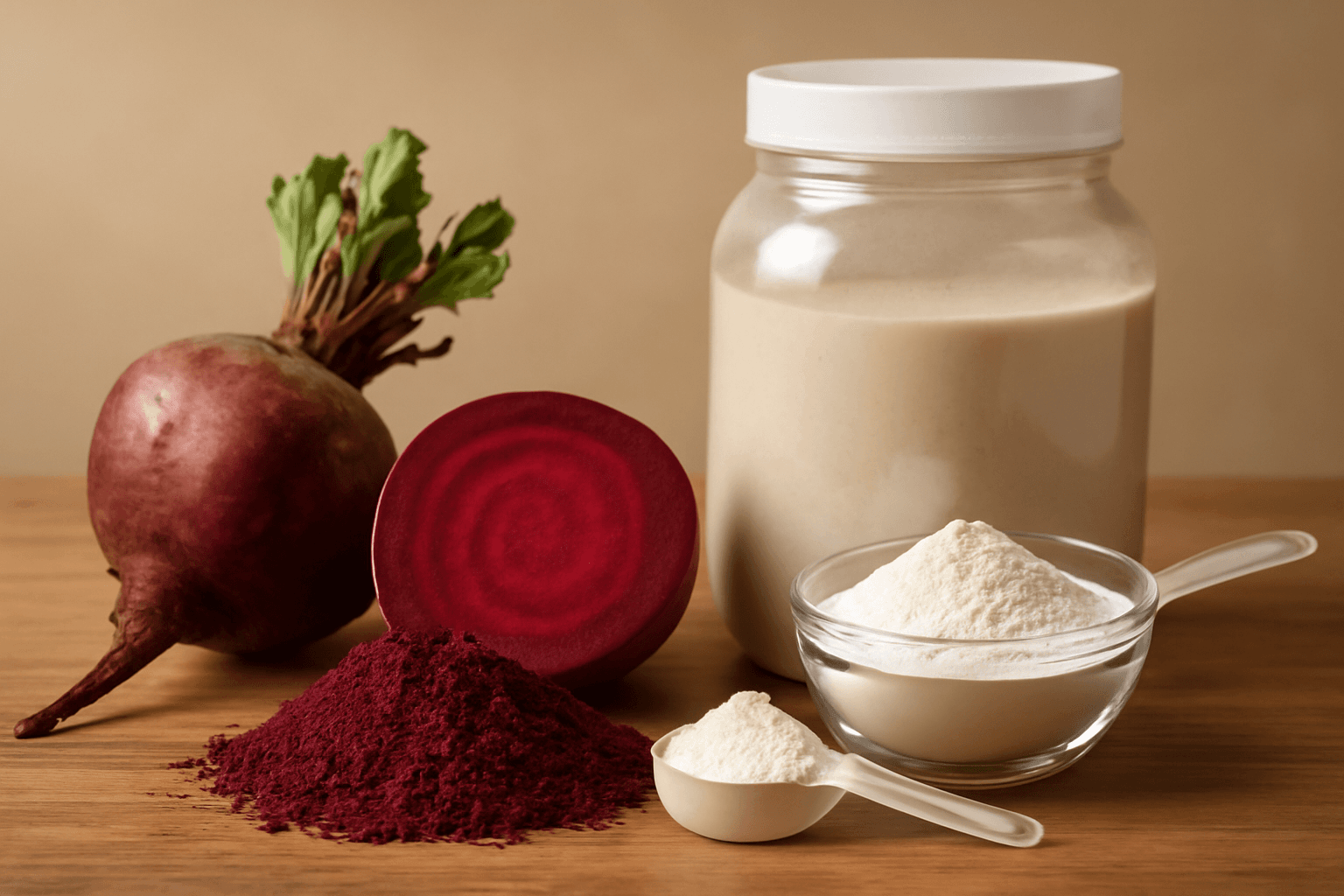
For people who exercise regularly, breakfast is a crucial element that determines your daily energy and muscle recovery. In particular, high-protein breakfasts offer multiple benefits including muscle damage repair, sustained fullness, and enhanced metabolism. This article presents science-based methods for structuring a high-protein breakfast and practical recipes for fitness enthusiasts.
Structuring Your Breakfast
To maximize muscle protein synthesis after exercise, consuming at least 25-35g of protein at breakfast is necessary. According to the International Society of Sports Nutrition, this protein intake level is recommended for muscle recovery following resistance training. Protein alone isn't sufficient—balancing carbohydrates and healthy fats is equally important.
Carbohydrates replenish glycogen stores and provide energy for workouts. Since your body continues consuming energy during sleep after evening exercise, consuming 30-50g of complex carbohydrates at breakfast can enhance morning workout performance. Oats, brown rice, and whole grain bread are excellent choices.
Healthy fats support hormone production and nutrient absorption. Consuming 7-10g of fat from nuts, avocado, and olive oil at breakfast is ideal. They also provide satiety, reducing cravings for snacks before lunch.
Essential components of a high-protein breakfast:
- Protein: 25-35g (eggs, Greek yogurt, whey protein, tofu)
- Complex carbohydrates: 30-50g (oats, brown rice, whole grains)
- Healthy fats: 7-10g (nuts, avocado)
- Dietary fiber: 5-10g (fruits, vegetables)
- Fluids: 500-750mL of water or unsweetened beverages
Breakfast timing matters too. If you exercise early in the morning, eat lightly one hour before and have your main meal within two hours after exercise for effective muscle recovery. If you exercise in the evening, eat a substantial protein-rich breakfast early the next morning to replenish protein broken down during sleep.
High-Protein Breakfast Recipes
Recipe 1: Whey Protein Oatmeal Bowl
Prep time: 5 minutes | Nutrition: 32g protein, 48g carbs, 9g fat, 420 calories
Ingredients: Greek yogurt 150g (15g protein), whey protein powder 1 scoop 30g (25g protein), oats 50g, half a banana, handful of almonds (about 23g), 1 teaspoon honey, 150mL water or unsweetened almond milk
Instructions: Heat oats in water or milk in the microwave for 2-3 minutes. Mix whey protein powder into Greek yogurt and whisk until smooth. Top the warm oats with the protein mixture, then add sliced banana and almonds. Drizzle with honey to finish.
This combination supports rapid muscle recovery with fast-digesting proteins from whey and Greek yogurt, while oat beta-glucans provide sustained fullness. Bananas supply potassium to aid post-exercise electrolyte replenishment.
Recipe 2: Egg-Based Breakfast Plate
Prep time: 10 minutes | Nutrition: 28g protein, 42g carbs, 11g fat, 390 calories
Ingredients: 2 whole eggs, 2 egg whites, 2 slices whole grain bread, 100g cherry tomatoes, handful of spinach (about 30g), 1 tablespoon olive oil, salt, pepper
Instructions: Heat olive oil in a pan and scramble 2 whole eggs with 2 egg whites together. When eggs are half-cooked, add spinach and sauté together. Warm tomatoes on the pan's edge. Toast whole grain bread lightly and place on a plate, then top with the egg mixture.
Eggs contain all essential amino acids necessary for muscle protein synthesis, while egg whites are a pure protein source. Spinach provides iron and magnesium to support energy production and strength maintenance. Lycopene from tomatoes helps recovery from exercise-induced oxidative stress.
Recipe 3: High-Protein Greek Yogurt Parfait
Prep time: 3 minutes | Nutrition: 30g protein, 45g carbs, 8g fat, 385 calories
Ingredients: Greek yogurt 200g (18g protein), whey protein powder 25g (20g protein), 100g mixed berries (frozen or fresh), 30g granola, 1 tablespoon honey, 1 tablespoon ground flaxseed
Instructions: Place Greek yogurt in a bowl and mix in whey protein powder. Top with mixed berries, then add granola. Sprinkle flaxseed and drizzle with honey.
Greek yogurt contains twice the protein of regular yogurt (10g per 100g), making it excellent for post-strength training recovery. Anthocyanins from berries are powerful antioxidants that reduce post-exercise muscle inflammation. Omega-3 fatty acids in flaxseeds accelerate the recovery process.
Protein Powder Selection Guide
Whey protein offers rapid absorption (within one hour), providing immediate post-workout muscle recovery. Casein protein absorbs slowly, providing lasting fullness suitable for breakfast. Plant-based proteins (pea, rice) serve as alternatives for those with dairy intolerance.
Since commercial protein powders vary in quality and additives, check the label for protein content (20g or more per serving), sugar content (5g or less), and minimal additives.
Scientific Benefits of High-Protein Breakfasts
Accelerated Muscle Recovery
After evening exercise, muscle protein breakdown continues during sleep. A high-protein breakfast quickly halts this breakdown and initiates protein synthesis. Research from the University of New South Wales found that the group consuming a high-protein breakfast within 24 hours post-exercise showed 12% greater strength gains.
Metabolism Boost and Weight Management
Protein requires more energy to digest than carbohydrates and fats (thermic effect). A high-protein breakfast increases post-meal metabolism by 20-30%, boosting daily calorie expenditure. Additionally, satiety lasts 3-4 hours, reducing unnecessary snacking.
Energy Stabilization and Reduced Fatigue
Simple carbohydrates or high-sugar meals cause rapid blood sugar spikes and crashes, leading to morning fatigue. Combining high-protein meals with complex carbohydrates produces gradual blood sugar rises and falls, maintaining stable energy supply. This improves morning focus and workout performance.
Adjustments for Individual Circumstances
For Those with Digestive Sensitivity
Consuming large amounts of protein at once may cause bloating. In this case, choose easily digestible proteins like whey protein powder or Greek yogurt, starting with 20-25g of protein and gradually increasing. Drinking adequate water and eating slowly are also important for reducing gas production.
For Time-Limited Mornings
A vegetable smoothie is an excellent choice for busy mornings. Blending Greek yogurt 150g + whey protein powder 25g + frozen berries 100g + milk 200mL creates a complete meal with 40g of protein in under 2 minutes.
For Cost-Conscious Choices
Eggs are the most affordable yet nutrient-dense protein source. A combination of 2 eggs (12g protein) + 50g oats + 1 banana provides 25g of protein for under a dollar. Batch-prepare and freeze for quick access on busy mornings.
Precautions and Professional Consultation
If you have kidney disease, liver disease, diabetes, or other chronic conditions, consult a doctor or nutritionist before starting a high-protein diet. Excessive protein may increase kidney burden if kidney function is compromised.
For dairy intolerance or allergies, choose plant-based alternatives (soy milk, pea protein, tofu) instead of whey protein or Greek yogurt. Starting with adequate protein may cause digestive discomfort, so gradually increase amounts while monitoring your body's response.
For high-intensity training or complex supplement regimens, consulting with a sports nutritionist for personalized meal planning is recommended.
Conclusion
For fitness enthusiasts, a high-protein breakfast is more than just a meal—it's a strategy to maximize workout results. The various benefits of muscle recovery, energy stabilization, and metabolism enhancement are scientifically backed, and all presented recipes are practically executable.
Consistency is key. Eating well for just a few days won't show results; you need to maintain it for at least 2-4 weeks to notice physical changes. Rather than pursuing perfection from the start, the key to long-term sustainability is building a diet adaptable to your lifestyle.
Also, a good breakfast alone doesn't automatically meet all daily nutritional needs. Consider nutritional balance across lunch, dinner, and post-workout snacks, using your high-protein breakfast as the foundation for a systematic eating plan.
Summary
Key Points:
- Fitness enthusiasts' breakfasts should comprise 25-35g protein, 30-50g complex carbohydrates, and 7-10g healthy fats.
- Whey protein, eggs, and Greek yogurt are optimal breakfast protein sources due to rapid digestion and high protein content.
- High-protein breakfasts provide four key benefits: muscle recovery, metabolism enhancement, blood sugar stabilization, and sustained fullness.
- All three recipes (whey protein oatmeal bowl, egg plate, Greek yogurt parfait) can be prepared in under 10 minutes.
- Flexibly adjust your diet considering personal digestive capacity, time, and budget, and consult healthcare professionals if you have chronic conditions.
- Consistent practice for 2-4 weeks will yield noticeable improvements in energy, workout performance, and body composition.