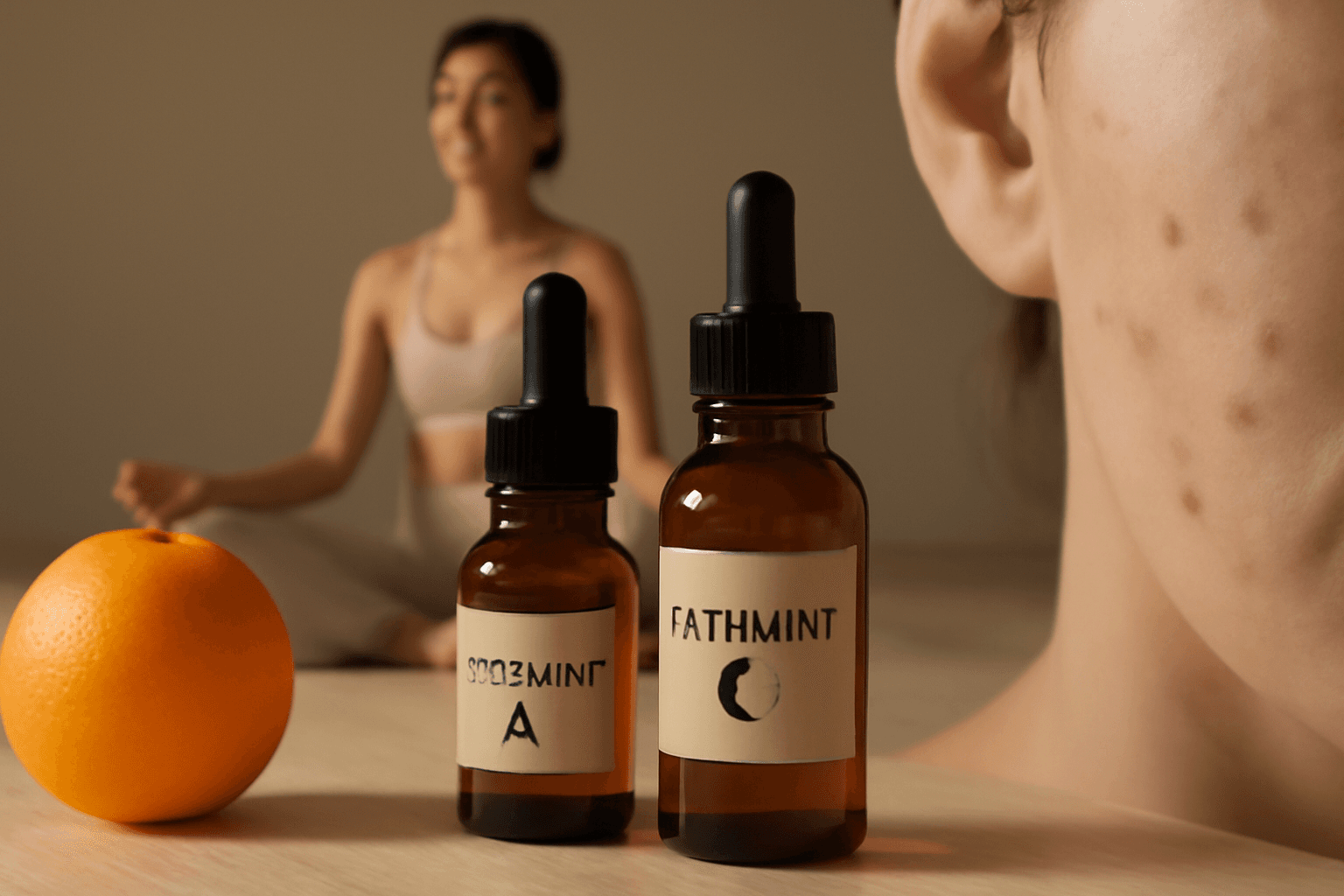
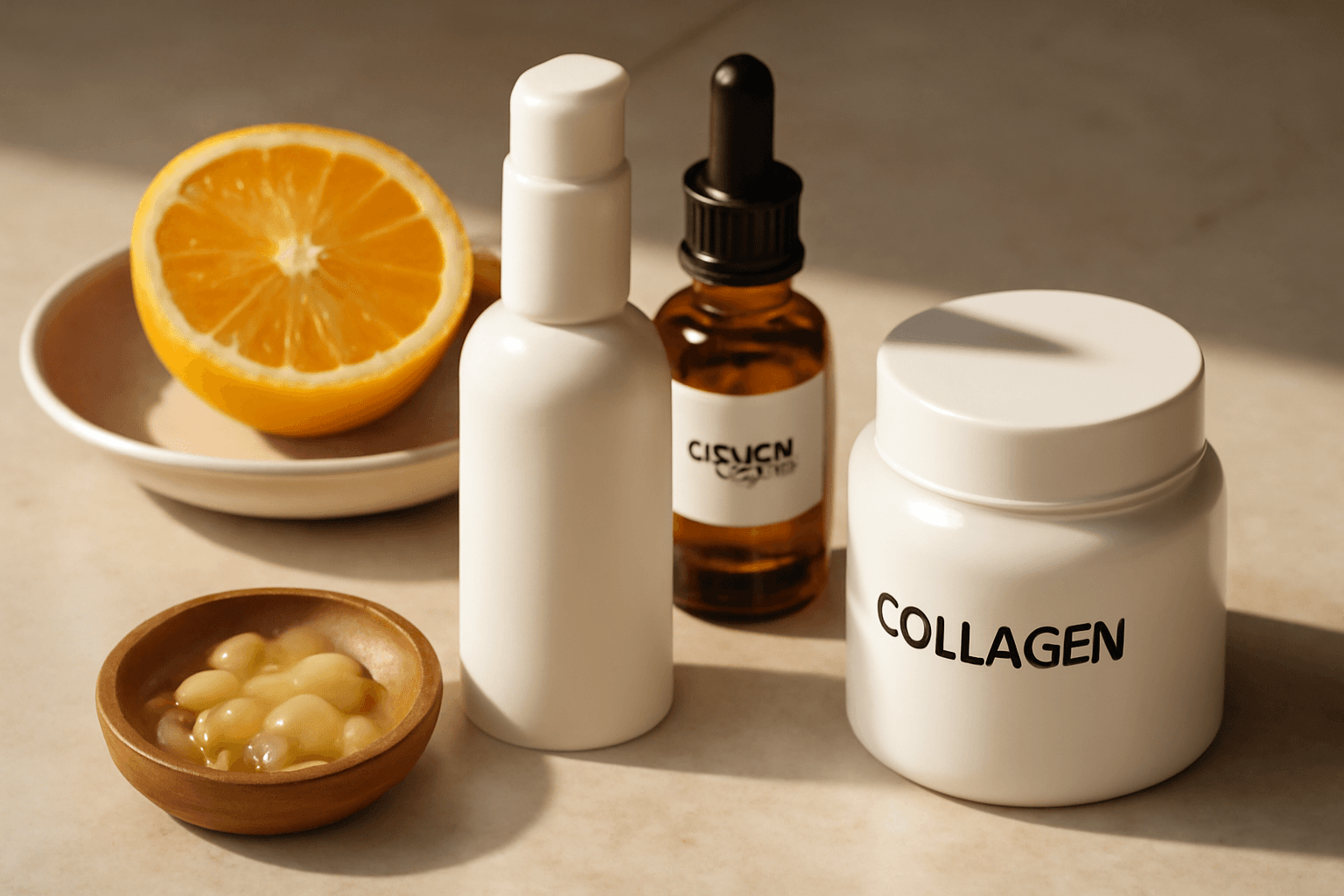
Serums are skincare products containing highly concentrated active ingredients, designed to provide intensive care for specific skin concerns. This post introduces a 3-step approach to selecting the optimal serum for you: understanding your skin type, defining your skincare goals, and assessing your commitment to consistent use. You can brighten your complexion with a Vitamin C serum, improve fine lines with a retinol serum, or address dryness with a hydrating serum. Choosing the right serum and using it correctly is the key to dramatically improving your skin health.
What is a Serum?
A serum is a lightweight skincare product with a high concentration of active ingredients that have small molecular sizes. Unlike regular essences or toners, serums penetrate deep into the skin to deliver intensive results. Common types of serums include Vitamin C serums, retinol serums, hyaluronic acid serums, and niacinamide serums.
The key characteristic of serums is high concentration of active ingredients. Vitamin C serums typically contain 10-20% concentration, while retinol serums maintain a 0.3-1% range. These high-concentration ingredients deliver visible results in a short period, making them effective for skin concerns requiring intensive care.
Since serums have smaller molecular weights than creams or lotions, they absorb quickly. In your skincare routine, apply them after toner but before essence or cream. You can use them in the morning, evening, or both, adjusting frequency based on your skin type and the product's strength.
Who Needs Serums and How Do You Choose the Right One?
People with all skin types can benefit from serums. Dry skin can strengthen its moisture barrier with hydrating serums, oily skin can regulate sebum production with BHA or Vitamin C serums, and sensitive skin can reduce inflammation with soothing serums. Those struggling with adult acne or those seeking wrinkle improvement are also primary serum users.
The key to selecting the right serum is answering three questions. First, clearly identify your skin type. Second, define which skin concern you want to address as a priority. Third, assess whether you're committed to using a new product consistently. Following these three steps will help you find the serum that's right for you among the many available options.
1. What is My Skin Type?
Identifying your skin type is the first step in choosing a serum. Generally, skin is classified into four types: dry, oily, combination, and sensitive. For accurate classification, remove all skincare products and observe your skin's oil and moisture levels for 30 minutes without applying anything.
Dry skin feels tight or uncomfortable on the surface. It has low sebum production, resulting in insufficient natural moisturizing factors (NMF), and tends to flake. For dry skin, hydrating serums containing ceramides, hyaluronic acid, and glycerin are effective. It's recommended to start with gentler ingredients rather than potent ones like retinol or Vitamin C.
Oily skin has excess oil in the T-zone (forehead, nose, and chin) and feels greasy. It has enlarged pores, active sebum production, and is prone to acne and blackheads. For oily skin, Vitamin C serums, BHA (salicylic acid) serums, and niacinamide serums are suitable. These ingredients help regulate sebum production and refine pores.
Combination skin is characterized by an oily T-zone and dry cheeks and eye area. In this case, you can use two serums together or choose a balanced product. An effective combination is a lightweight hydrating serum paired with a light, low-oil Vitamin C serum.
Sensitive skin reacts easily to irritants and experiences redness, itching, and stinging. Choose gentle serums with minimized irritants. Serums containing soothing ingredients like panthenol, allantoin, and Centella asiatica extract are ideal. Always perform a patch test when introducing a new serum.
2. What is Your Primary Skincare Goal?
After identifying your skin type, clarify which skin concern you want to address as a priority. Rather than trying to solve multiple issues at once, focusing on one or two main goals is more effective. Clear goals help you select the necessary active ingredients and maximize serum performance.
If your goal is anti-aging and wrinkle improvement, retinol serum is recommended. Retinol, a form of Vitamin A, promotes collagen production and accelerates cell renewal. According to 2024 skin science research, using 0.5-1% concentration retinol for 12 weeks showed an average 20% reduction in under-eye wrinkles. However, retinol can cause initial skin irritation, so it's best to start with a low concentration and gradually increase frequency every two weeks.
If you want improved skin tone and radiance, prioritize Vitamin C serum. Vitamin C inhibits melanin production and brightens skin through antioxidant action. It's most effective at 15% or higher concentration, and using it in your morning skincare provides additional sun protection. Since Vitamin C oxidizes easily, choose products in dark bottles and store them in the refrigerator.
If your goal is acne improvement, consider salicylic acid (BHA) or glycolic acid (AHA) serums. BHA is fat-soluble, penetrating deep into pores for effective sebum removal, while AHA exfoliates the skin's surface. For general acne, Vitamin C and niacinamide also help through their anti-inflammatory properties.
If extreme dryness and hydration are your goals, use a hyaluronic acid serum as a base, but choose products that also contain ceramides or glycerin. Hyaluronic acid can absorb up to 1,000 times its weight in water, rapidly increasing skin moisture content. Reducing stress through yoga and meditation also helps improve skin health and hydration effectiveness, as stress impairs skin barrier function and reduces hydration benefits.
3. How Committed Are You?
Consistent use is essential to experience serum benefits. Many people purchase serums, use them for a few days, then give up. This happens because they expect immediate results or feel deterred by complicated application routines. Before choosing a serum, objectively evaluate how consistently you're willing to use it.
If you choose serums with potent active ingredients, an adjustment period is necessary. Retinol serums can start with 2-3 applications per week for the first two weeks, then increase to 4-5 times weekly, and eventually daily use as your skin adapts. During this period, temporary redness, peeling, and irritation may occur. If you're prepared to tolerate these adjustment symptoms, you can choose a powerful serum. However, if you tend to feel anxious when your skin changes, it's better to start with gentle serums like hydrating or Vitamin C serums with minimal irritation.
Usage frequency and schedule are also important. If you choose a serum to use both morning and evening daily, you'll add over 5 minutes to your skincare routine. If you don't have time for complex skincare in the busy morning, choose products for evening use only or consider lower-frequency options. Some potent serums are used only 2-3 times per week, so finding a product that fits your lifestyle is important.
Financial readiness should also be considered. Quality serums are typically more expensive than regular skincare products. Good serums usually cost 30,000 KRW or more for a 30ml bottle. If you can't afford to purchase regularly each month, either start with a more affordable product or adjust by reducing usage frequency. Even budget products can show results when used correctly.
How Do You Apply Serum Correctly?
Proper application is essential to maximize serum effectiveness. Incorrect use can reduce active ingredient efficacy or cause skin irritation.
The skincare order is as follows: (1) Cleansing (2) Toner/Skin (3) Essence (4) Serum (5) Eye cream (6) Cream/Lotion. Since serums have small molecules, apply after toner. If using multiple serums, apply lighter textures first, then heavier ones. For example, apply Vitamin C serum first, then retinol serum.
Amount of product varies by product, but generally a coin-sized amount (about 2-3 drops) is appropriate. Using too much can lead to over-skincare and skin irritation. Dispense the serum onto your fingertip or palm and gently press it into your face. Don't rub or massage it in, and avoid the eye area or use only a minimal amount.
Apply to dry skin. If your skin is still damp from water or toner, the serum may not absorb moisture evenly. Wait about one minute after applying toner before applying serum. However, for serums containing water-attracting ingredients like hyaluronic acid or glycerin, applying to slightly damp skin enhances effectiveness.
Sunscreen use is essential. Active ingredients like Vitamin C, AHA, BHA, and retinol can temporarily make skin more sensitive. Therefore, always apply SPF 30 or higher sunscreen after using these serums in the morning. For potent serums used at night (especially retinol), proper morning sunscreen application is even more critical.
Be mindful of product combinations. Applying retinol immediately after Vitamin C serum increases skin irritation. It's best to use Vitamin C in the morning and retinol at night. It's also recommended to avoid using AHA/BHA products and retinol on the same day. When first introducing a serum, add only one product at a time, and introduce another serum only after your skin has sufficiently adapted.
Patch testing is a mandatory step before using a new serum. Apply a small amount behind your ear or on your inner arm and observe for reactions over 24 hours. If you experience no itching, redness, or stinging, you can use it on your face. This step is especially important for sensitive skin or if you have allergies to specific ingredients.
Conclusion: Summary
Selecting and using serums is one of the most effective skincare methods. By following just three steps—checking your skin type, setting skincare goals, and assessing your commitment—you can find the optimal serum among numerous products.
- Identify your skin type: Clearly determine whether you have dry, oily, combination, or sensitive skin to select appropriate active ingredients.
- Set your goals: Prioritize your concerns—anti-aging (retinol), brightening (Vitamin C), acne (BHA), hydration (hyaluronic acid).
- Assess your commitment: Objectively evaluate consistent use, tolerance for adjustment periods, and financial readiness.
- Follow proper application: Maintain correct order, use appropriate amounts, apply to dry skin, use sunscreen, consider combinations, and perform patch tests.
- Consult medical professionals: If you have severe acne, allergies, or skin conditions, consult a dermatologist before choosing a serum.
A serum is not just a skincare product but a conscious investment in your skin health. By managing stress through yoga and meditation, maintaining adequate sleep and a healthy diet, and using an appropriate serum, you can experience noticeable skin improvement within three months. By carefully observing your skin, listening to subtle changes, and maintaining skincare from a long-term perspective, healthy and beautiful skin is not a distant goal.
Medical Disclaimer: This article is provided for general skincare information purposes and does not replace medical diagnosis or treatment. If you have serious skin concerns or experience persistent discomfort after using a new product, consult a dermatologist.