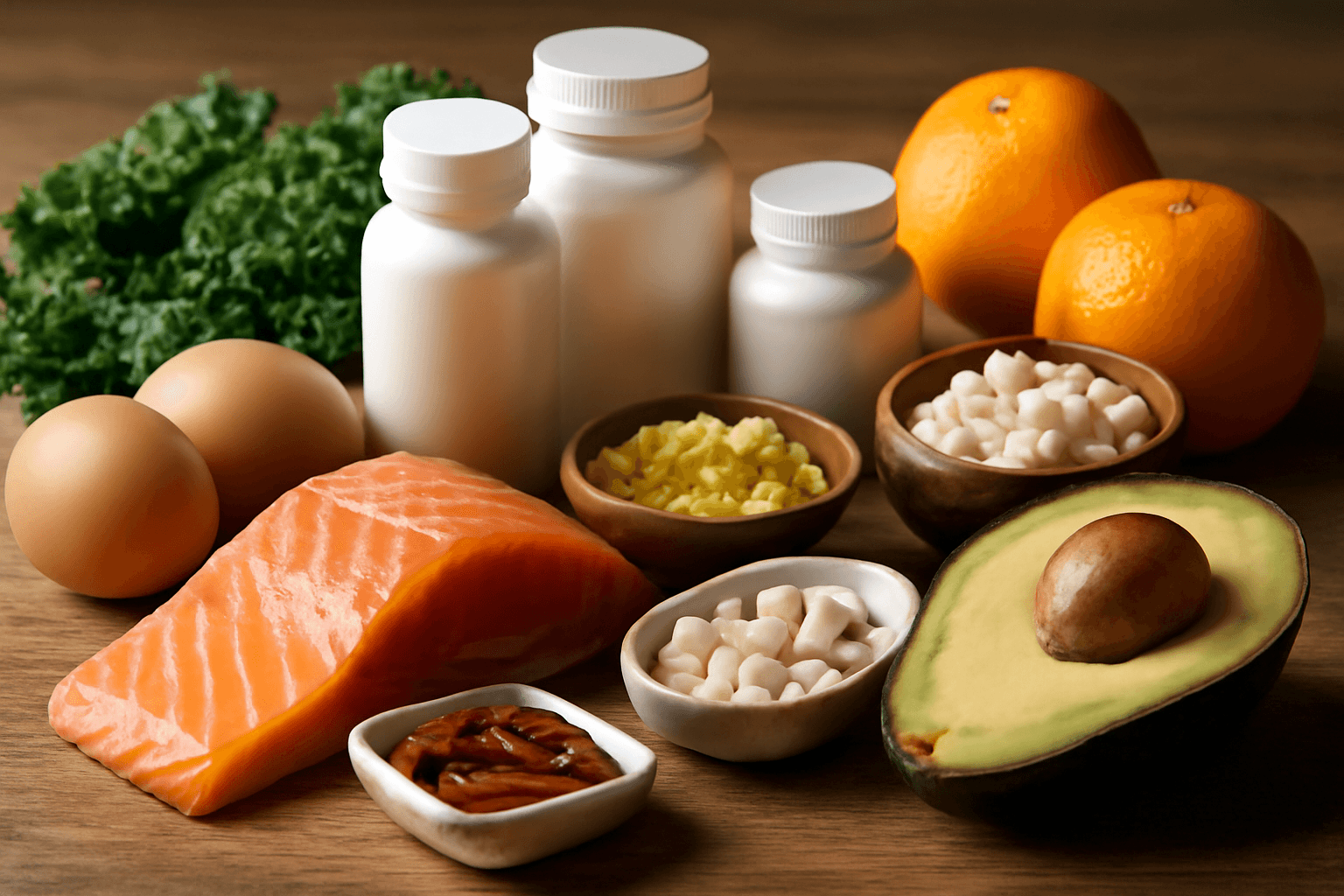
During pregnancy, you need significantly more nutrients than the general population to support not only your own health but also the normal development of your fetus. Adequate intake of vitamins and minerals is crucial at every stage of pregnancy, including reducing the risk of miscarriage, preventing neural tube defects, and promoting fetal brain development. This article will explain in detail the essential nutrients that pregnant women must obtain and how to choose the right supplements.
Special Nutritional Needs for Pregnant Women
Nutritional requirements during pregnancy increase significantly compared to non-pregnant women. In particular, approximately 300 additional calories per day are needed after the second trimester of pregnancy, which doesn't simply mean an increase in caloric intake.
Iron requirements increase by 50% from 18mg for non-pregnant women to 27mg for pregnant women. This is because blood volume increases by 50% during pregnancy. Folate (vitamin B9) increases from 400mcg for non-pregnant women to 600mcg for pregnant women, which is very important for preventing neural tube defects. According to research from the CDC (Centers for Disease Control and Prevention), adequate folate intake reduces the risk of neural tube defects by 70%.
Additionally, minerals such as calcium, iodine, zinc, and magnesium are needed in greater amounts during pregnancy. If pregnant women do not consume enough of these nutrients, the body will use calcium stored in their bones, which can lead to decreased bone density.
Key Nutrients in Prenatal Supplements
Prenatal vitamins serve a role that goes beyond simple nutritional supplementation, ensuring the normal development of the fetus. To choose the right supplement, you must understand exactly what each component does.
Iron increases oxygen-carrying capacity and is essential for preventing anemia in pregnant women. Anemia caused by iron deficiency is a risk factor for premature birth, low birth weight, and increased neonatal mortality. To increase absorption, it's best to take iron supplements with vitamin C.
Zinc is necessary for strengthening the immune system and DNA synthesis in the fetus. Zinc deficiency increases the risk of premature birth, with optimal levels being 11-13mg per day. However, excessive intake should be avoided as it can interfere with copper absorption.
Magnesium regulates muscle and nerve function and helps prevent preeclampsia. Pregnant women need 360-400mg of magnesium per day, and deficiency can cause muscle cramps, anxiety, and sleep disturbances.
B-complex vitamins, particularly B6 and B12, are important for energy metabolism and nervous system development. B6 also helps alleviate morning sickness symptoms, with 1.9mg recommended daily.
Calcium and Vitamin D
Calcium and vitamin D are the foundation for maternal health and fetal bone development. These two nutrients don't work independently; without vitamin D, calcium absorption drops significantly.
The recommended calcium intake for pregnant women is 1000-1200mg per day, which is the same as for non-pregnant women. However, calcium absorption actually increases by 30-50% during pregnancy, so adequate intake through diet and supplements is necessary. Insufficient calcium causes calcium to be mobilized from the mother's bones, increasing the risk of osteoporosis after menopause.
Vitamin D is key to calcium absorption. The recommended vitamin D intake for pregnant women is 600-800IU per day, but many experts suggest 1000-2000IU. Pregnant women with insufficient sun exposure during winter months or those living in high-latitude regions should especially consider taking supplements. Vitamin D deficiency increases the risk of preeclampsia, premature birth, and low birth weight.
There are two forms of calcium supplements. Calcium carbonate should be taken with meals for better absorption, while calcium citrate is absorbed well even on an empty stomach. Consuming more than 600mg of calcium at once reduces absorption, so it's more efficient to divide the daily amount into 2-3 doses.
Omega-3 Fatty Acids
Omega-3 fatty acids, particularly DHA (docosahexaenoic acid) and EPA (eicosapentaenoic acid), play a crucial role in fetal brain development and visual development. Since fetal brain development is most active in the third trimester, adequate omega-3 intake is especially important during this period.
According to research published in the British Medical Journal, when pregnant women consume sufficient DHA, newborns' cognitive development is four months ahead. The recommended omega-3 intake for pregnant women is 200-300mg of DHA per day.
Omega-3 is mainly found in fish, but there are risks of mercury contamination, which limits fish consumption. Therefore, algae-derived DHA supplements are a safe choice. These supplements provide necessary DHA without the risks of mercury or other heavy metal contamination.
Omega-3 deficiency is associated with increased risk of premature birth and increased risk of postpartum depression. It also helps support fetal immune system development and regulate inflammation. When choosing supplements, select products that have undergone molecular distillation to ensure contaminants have been removed.
Iodine
Iodine is an essential mineral for thyroid hormone production and is very important for fetal brain development and nervous system development. Iodine deficiency can cause serious problems.
According to the World Health Organization, iodine deficiency during pregnancy can cause developmental disorders in fetal intelligence, cretinism, and nervous system damage. In fact, in regions with iodine deficiency, newborns' IQ is on average 10-15 points lower.
The recommended iodine intake for pregnant women is 220mcg per day, which is 47% more than the 150mcg recommended for non-pregnant adult women. Many prenatal vitamins include iodine, but some do not, so you must check the label.
The main food sources of iodine are seafood, dairy products, and eggs. However, since soil iodine content varies by region, it may be difficult to obtain sufficient iodine from foods in a particular area alone. For this reason, supplement intake is recommended. However, be cautious as excessive iodine intake (more than 1100mcg per day) can also cause thyroid problems.
Vitamin B12
Vitamin B12 is an essential nutrient for DNA synthesis, nerve function, and red blood cell formation. The recommended B12 intake for pregnant women is 2.6mcg per day, and deficiency increases the risk of fetal nervous system development disorders and premature birth.
Particularly for vegetarian or vegan pregnant women, the risk of B12 deficiency is high. B12 is found almost exclusively in animal products. If adequate B12 levels are not maintained before pregnancy, deficiency can progress during pregnancy.
Research shows that pregnant women with low serum B12 levels have a premature birth risk three times higher than general pregnant women. Additionally, B12 deficiency worsens morning sickness symptoms and increases fatigue.
B12 supplements come in two forms: oral supplements and injections. For most pregnant women, oral supplements are sufficient, but injections may be more effective for those with a history of pernicious anemia or those with absorption issues. In such cases, consultation with a healthcare professional is essential.
Criteria for Choosing the Best Prenatal Vitamins
To choose an effective prenatal vitamin, you should follow several basic principles. First, make sure all the essential nutrients mentioned above (folate, iron, calcium, vitamin D, iodine, omega-3, and vitamin B12) are included.
Second, the form of nutrients matters. For example, iron in the form of ferrous sulfate or ferrous glycine chelate provides maximum absorption rates. Folate in its natural form, methylfolate, may be better absorbed by some people.
Third, choose products that have undergone third-party testing. Verification by organizations like NSF, USP, and ConsumerLab ensures that the product contains the nutrients listed on the label and is free from contaminants. Such safety verification is especially important during pregnancy.
Fourth, check the product's excipients. It's best to choose products without artificial colors, flavors, or preservatives. Some pregnant women may be sensitive to certain additives.
Fifth, consider convenience of use. If you must take multiple doses per day or if the pill size is too large, compliance may suffer. Ideally, a product should provide all necessary nutrients with just 1-2 daily doses.
Consultation with a healthcare professional is essential. The nutrients needed may vary depending on your personal health status, diet, and underlying conditions. Especially if you have a history of anemia, thyroid disease, kidney disease, or are taking certain medications, you must consult with a doctor or nutritionist.
Practical Tips for Taking Supplements
Once you've chosen the right supplement, you must take it correctly for maximum absorption. Iron supplements are best absorbed on an empty stomach, but this can cause gastrointestinal discomfort, so it's fine to take them with food. However, avoid taking them together with calcium, caffeine, or milk.
Calcium supplements have different optimal timing depending on their form, as mentioned earlier. Calcium carbonate requires an acidic environment and should be taken with food, while calcium citrate can be taken anytime—with or without food. To maximize absorption, avoid consuming more than 600mg at once.
Omega-3 supplements are generally easier on the stomach when taken with food. Since vitamin D is fat-soluble, absorption increases when taken with fatty foods.
If morning sickness makes it difficult to take supplements, try changing the time you take them. Many pregnant women report tolerating supplements better when taken before bed or early in the morning. If this still isn't possible, inform your healthcare professional so they can recommend alternative liquid or chewable forms.
Ingredients to Avoid
During pregnancy, there are vitamins and minerals you should avoid. The most notable is vitamin A. Pregnant women are recommended 770mcg of vitamin A per day, but exceeding 3000mcg increases the risk of fetal abnormalities. Special caution is needed with animal-derived vitamin A (retinol). In contrast, beta-carotene (the plant-based form) is safe even at high doses during pregnancy.
The same applies to vitamin E. High doses of vitamin E (1000IU or more per day) can increase bleeding risk. The recommended amount for pregnant women is 15mg per day (approximately 22 IU).
Herbal supplements also require caution. Ginger helps relieve morning sickness but excessive intake can increase miscarriage risk. Herbs such as St. John's Wort, echinacea, and calendula should be avoided during pregnancy.
Additionally, excessive caffeine intake (200mg or more per day) increases miscarriage risk, so avoid energy supplements that contain caffeine.
Summary
Choosing prenatal vitamins is not a simple shopping decision but an important medical decision for healthy fetal development. An effective prenatal vitamin must include the following:
- Folate 400-800mcg: Prevention of neural tube defects
- Iron 27mg: Prevention of anemia and increased oxygen-carrying capacity
- Calcium 1000-1200mg: Bone development and maintenance of maternal bone density
- Vitamin D 600-2000IU: Promotes calcium absorption
- Iodine 220mcg: Thyroid hormone production and brain development
- Omega-3 (DHA) 200-300mg: Fetal brain and visual development
- Vitamin B12 2.6mcg: DNA synthesis and nerve function
- Zinc 11-13mg: Immune function and DNA synthesis
- Magnesium 360-400mg: Muscle and nerve function
Follow these principles when choosing supplements:
- Choose products that have undergone third-party verification (NSF, USP, ConsumerLab)
- Select products without artificial colors and preservatives
- Ensure convenience with 1-2 daily doses
- Consider your personal health status and dietary habits
- Make a final decision after consulting with a healthcare professional
Finally, the most important point is to consult with an obstetrician or nutritionist to choose a supplement that's right for you. The nutrients needed may vary depending on each stage of pregnancy, individual health status, and dietary restrictions. With guidance from a healthcare professional, choosing the right supplement can ensure a healthy pregnancy and optimal fetal development.
Disclaimer: This article provides information for educational purposes. You must consult with a healthcare professional before taking any supplement. Pregnant women need customized nutrition plans based on their individual health status, and taking high-dose supplements without professional guidance can be harmful.