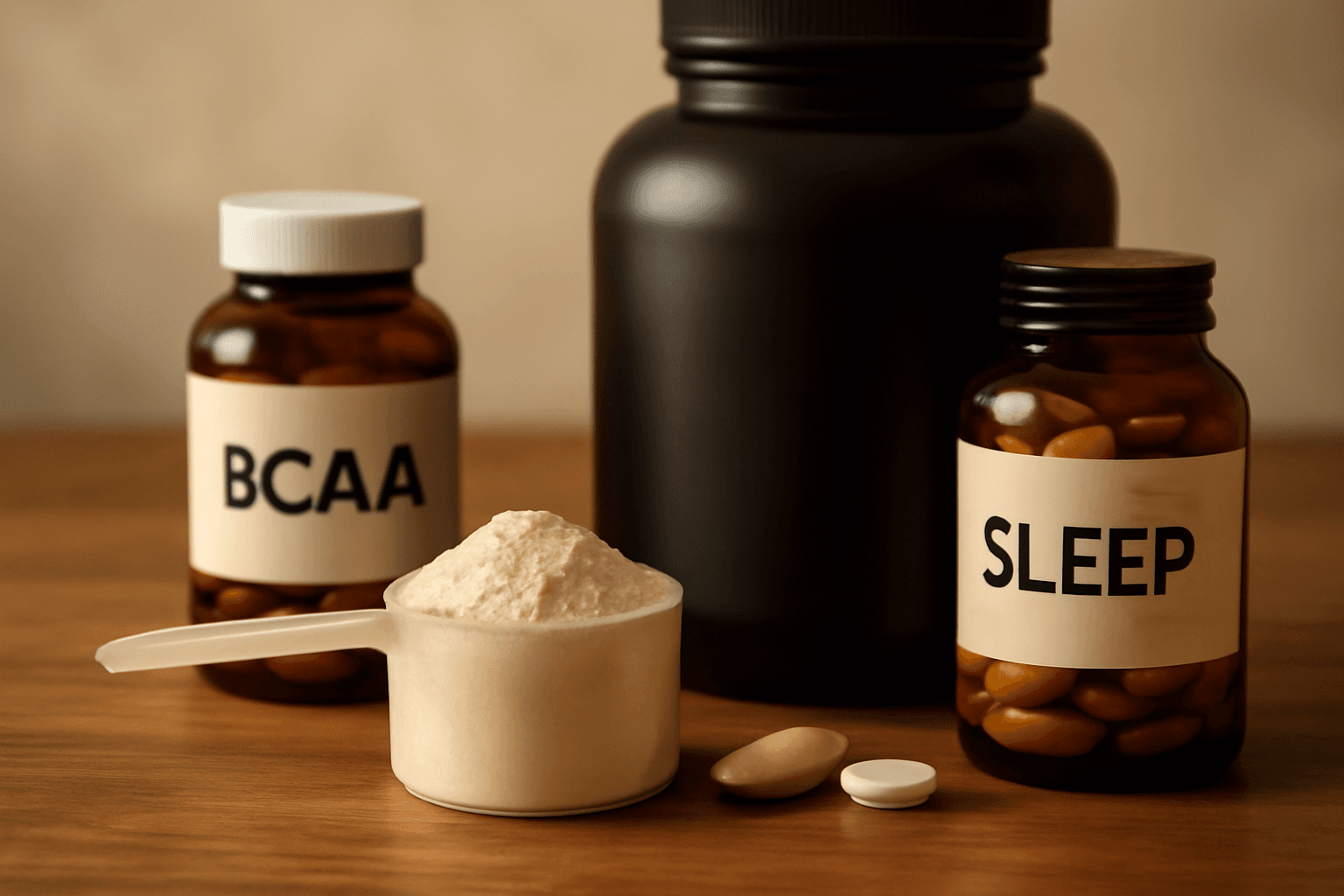
For women over 40, the body enters a period where metabolism rapidly declines due to hormonal changes. In particular, the decrease in estrogen around menopause leads to reduced muscle mass and increased body fat, which decreases daily basal metabolic rate by 3-8%. This article presents science-based, concrete strategies ranging from nutrient intake such as protein, magnesium, vitamin B, and probiotics, to exercise, stress management, and sleep improvement. Through these methods, you can restart your metabolism, strengthen immunity, and secure long-term health.
Fundamentals of Healthy Weight Management
For women over 40 to manage weight effectively, calorie restriction alone is insufficient. You must understand and respond to the fundamental changes in metabolism. As age increases, muscle mass decreases by 0.5-1% annually through sarcopenia, which directly lowers calorie expenditure at rest. Simultaneously, increased visceral fat raises insulin resistance, so the same amount of food gets stored as body fat more readily than in the past.
The key to improving metabolism rests on three pillars. First, a diet rich in protein and essential minerals prevents muscle loss; second, resistance exercise maintains metabolically active tissue; and third, sleep and stress management support hormonal balance. Sustainable weight management and metabolic improvement are only possible when these three are executed integrally.
1. Dietary Adjustments
The Role of Protein: The recommended daily protein intake for women over 40 is 1.2-1.6g per kilogram of body weight. For example, a 60kg woman should consume 72-96g daily. Protein promotes muscle synthesis and maintains satiety longer, automatically reducing calorie intake. Additionally, the thermic effect of food (TEF) causes protein digestion to consume 30% more energy than carbohydrates or fats. Consciously include foods like chicken breast, fish, eggs, Greek yogurt, tofu, and lentils in every meal.
The Importance of Magnesium and Vitamin B: Magnesium participates in over 300 biochemical reactions and is a key mineral regulating metabolism. When deficient, blood sugar control worsens and fatigue increases. Aim for 320mg daily by consuming spinach, pumpkin seeds, almonds, and black beans. B vitamins (B1, B2, B6, B12, folate) act as coenzymes in enzymes that convert carbohydrates, proteins, and fats into energy. Particularly, B12 absorption is reduced in vegetarians or those taking antacids long-term, so caution is needed.
Probiotics and Gut Health: Gut microbiota influences metabolism, immunity, and even mental health. Research shows that specific probiotic strains are associated with body fat reduction. Consume fermented foods like yogurt, kefir, miso, and kimchi daily, or consider high-quality probiotic supplements under professional guidance. Consuming prebiotics (dietary fiber) alongside probiotics supports the growth of beneficial bacteria.
The Effect of Omega-3 Fatty Acids: Omega-3s (EPA, DHA) reduce inflammation, improve insulin sensitivity, and optimize leptin signaling, a metabolism-related hormone. Consume fish (salmon, mackerel, sardines) 2-3 times weekly, or if you don't eat fish frequently, take omega-3 supplements in the range of 1,000-2,000mg daily. The American Heart Association recommends this level as safe and effective.
Using MCT Oil: Medium-chain triglycerides (MCT) convert rapidly into energy unlike long-chain fats and promote ketone body production, enhancing brain function and metabolic rate. Adding 1 teaspoon (about 5ml) to your morning coffee or smoothie can increase satiety and reduce hunger at lunch. However, excessive intake can cause digestive discomfort, so start gradually.
2. Prioritizing Exercise
The Necessity of Resistance Training: For women over 40, resistance exercise is the most effective method to improve metabolism. While 1kg of muscle burns approximately 6 calories daily, 1kg of body fat burns only 2 calories. Therefore, performing resistance exercise (dumbbells, barbells, resistance bands, bodyweight) 3-4 times weekly for 30-45 minutes maintains or increases muscle mass. Large muscle group exercises like squats, deadlifts, push-ups, and rows are particularly efficient.
The Effect of Creatine Supplementation: Creatine promotes energy production in muscle cells, increasing the intensity of resistance training and accelerating muscle growth. It is safe for women, and research shows that 5-10g daily intake improves strength, muscle endurance, and body composition. It particularly helps prevent muscle loss in perimenopausal women and has been shown to improve brain function. Adequate water intake is essential.
The Role of Aerobic Exercise: Resistance training alone is insufficient; add moderate-intensity aerobic exercise (brisk walking, cycling, swimming) 2-3 times weekly. 150 minutes of moderate or 75 minutes of vigorous aerobic exercise improves cardiovascular health and promotes visceral fat reduction. This is especially important during the post-menopausal period when heart disease risk increases.
3. Taking Appropriate Supplements
An Integrated Supplement Strategy: It's difficult to obtain all nutrients adequately through diet alone. Use a high-quality multivitamin/mineral product as your foundation, then selectively add based on individual test results and symptoms. Vitamin D deficiency is particularly common in women over 40, so after testing blood levels (25-OH vitamin D), take 2,000-4,000 IU daily under medical supervision.
Criteria for Choosing Probiotics: Not all probiotics are equal. Select strains backed by clinical research (e.g., Lactobacillus, Bifidobacterium) and verify a content of at least 10 billion CFU or more. Taking them on an empty stomach or 30 minutes before meals is preferable for absorption. Some probiotics may initially cause bloating, so start with a small amount and increase gradually.
Precautions When Taking Supplements: If you take prescription medications, consult a doctor or pharmacist. There may be interactions, particularly with blood thinners, thyroid medications, and calcium channel blockers. Additionally, excessive intake can cause side effects, so do not exceed recommended amounts.
4. Actively Reducing Stress
The Vicious Cycle of Stress and Metabolism: Chronic stress elevates cortisol hormone levels, which promotes abdominal fat accumulation, blood sugar instability, and muscle loss. Stress hormones also suppress digestive function and increase intestinal inflammation, further reducing the effectiveness of probiotics. Therefore, metabolic improvement is impossible without stress management.
Practical Methods for Stress Reduction: Meditation and mindfulness have been proven to reduce cortisol levels by 20-30%. Even 10-20 minutes daily of meditation or breathing exercises is effective. Yoga provides both physical activity and mental calm while offering the benefits of resistance training. Simple activities like listening to music, reading, and nature walks also reduce stress hormones.
The Importance of Social Connection: Isolation and loneliness are long-term stress factors that worsen metabolism. Spend time with friends or family 1-2 times weekly and join clubs or exercise groups. Social interaction itself lowers stress hormones and strengthens immunity.
5. Developing Good Sleep Habits
The Impact of Sleep Deprivation on Metabolism: Sleep deprivation is a powerful factor that lowers metabolism by at least 10-15%. Sleeping only 4-6 hours increases hunger hormone (ghrelin) and decreases satiety hormone (leptin), automatically increasing food intake. Additionally, insulin sensitivity declines, the immune system weakens, and inflammation increases. For women over 40, sleep quality is even more critical due to nocturnal hormonal changes.
Strategies to Improve Sleep Duration and Quality: The goal is 7-9 hours of continuous sleep nightly. To achieve this, practice the following: sleep and wake at the same time daily (including weekends), avoid caffeine 2 hours before bed, maintain bedroom temperature at 16-19°C, and minimize smartphone and screen exposure just before sleep (to suppress blue light). Magnesium supplementation improves sleep quality; taking 200-300mg 1-2 hours before bed helps.
Managing Sleep Disruptions: Sleep disruptions from menopausal symptoms (hot flashes, night sweats) are very common. In this case, consult your doctor to review hormone therapy or other medication options. Additionally, diaphragmatic breathing before sleep (inhale for 4 seconds, hold for 4 seconds, exhale for 4 seconds) calms the nervous system and promotes sleep onset.
Summary
Key Points for Improving Metabolism in Women Over 40:
- Diet: Consume 1.2-1.6g of protein per kilogram of body weight, 320mg of magnesium, sufficient B vitamins, 1,000-2,000mg of omega-3, and probiotics daily.
- Exercise: Resistance training 3-4 times weekly + aerobic exercise 2-3 times weekly. Promote muscle growth with creatine supplementation (5-10g/day).
- Supplements: Multivitamin, vitamin D (2,000-4,000 IU), magnesium, high-quality probiotics. Consult a specialist before deciding.
- Stress Management: Daily 10-20 minutes of meditation or yoga, increase social activities, regulate cortisol levels.
- Sleep: 7-9 hours of continuous sleep nightly, maintain consistent sleep patterns, take 200-300mg of magnesium before bed.
By integrating these five strategies, you can experience improved metabolism, reduced body fat, increased strength, and enhanced immunity within 8-12 weeks. However, the approach may differ based on individual health status, medications, and existing conditions, so consult with a healthcare professional (doctor, nutritionist, fitness specialist) before starting any new exercise program or supplement regimen. Gradual and sustainable change ensures long-term health and wellbeing.