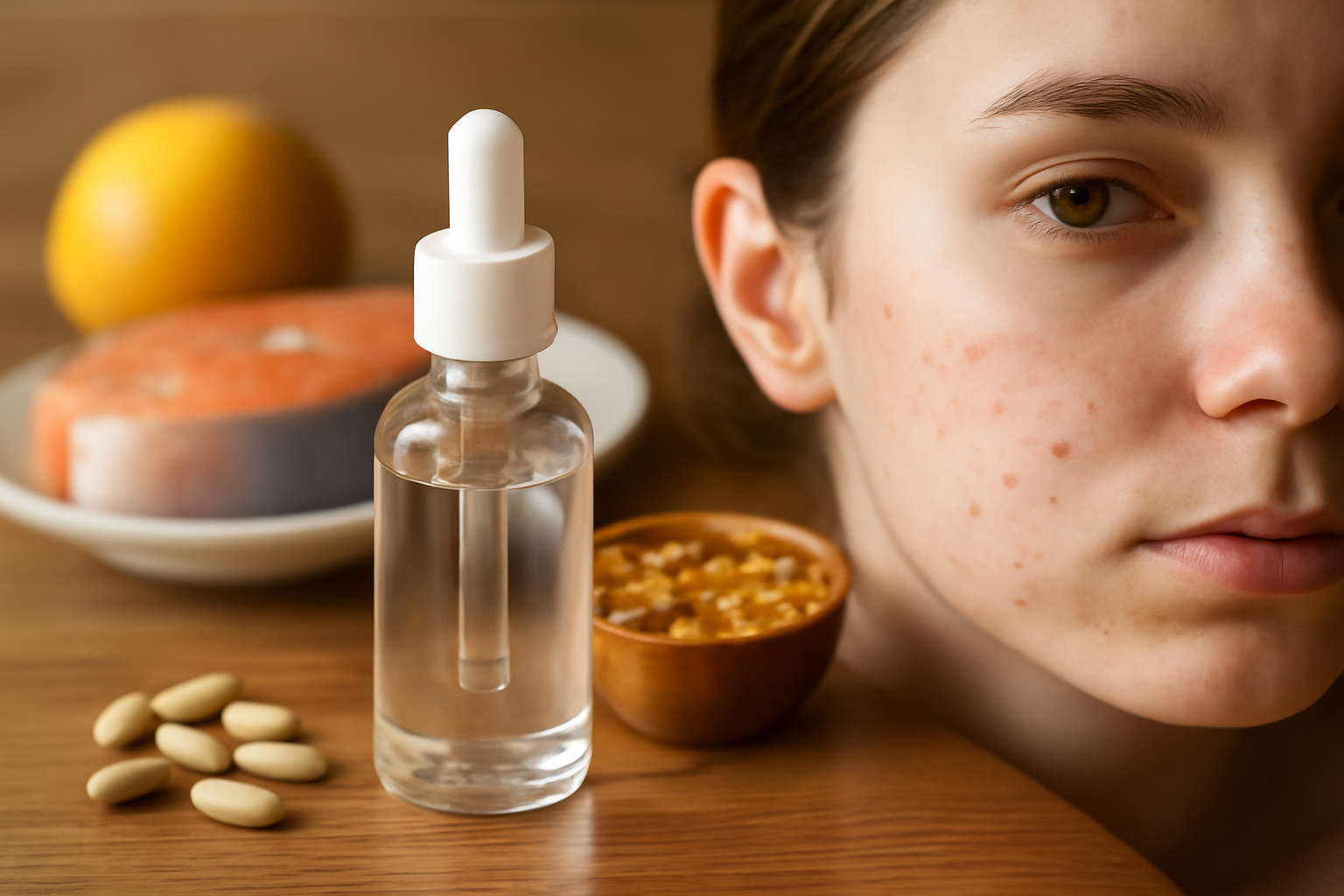
Oily skin is not simply a cosmetic issue but is closely related to your body's internal balance. Symptoms such as shine from excess sebum production, enlarged pores, and acne stem from various causes including hormonal changes, insufficient water intake, and poor dietary choices. This post identifies the root causes of oily skin and presents practical methods to improve your skin condition through natural remedies, daily skincare practices, and nutritional improvements. With the right approach, you can experience noticeable improvements within 6-8 weeks.
Causes of Oily Skin
Understanding the mechanism behind oily skin formation is the first step toward improvement. Sebum production is a natural protective function of the skin, but excessive production results from multiple factors.
Hormonal Influence
Male hormones such as androgens (androstenone) stimulate sebaceous glands and increase sebum production. This is why oily skin develops during puberty due to hormonal changes. In women, elevated progesterone levels before the menstrual cycle promote sebum production. Research shows that approximately 40% of adult women experience worsening skin conditions before menstruation. These hormonal fluctuations trigger activity in sebaceous glands concentrated particularly in the T-zone of the face (forehead, nose, and chin).
Dehydration and Skin's Compensatory Function
Interestingly, many people with oily skin actually suffer from skin dehydration. When the skin senses dryness, it compensates by secreting more sebum. This is called "reactive oily skin." Research shows that people who consume less than 2 liters of water daily have an average of 23% more sebum production. Therefore, simply removing sebum cannot provide a fundamental solution; you must improve the hydration environment inside your skin.
Diet and Inflammation
Foods with high glycemic index (GI) cause rapid blood sugar spikes, increasing insulin secretion, which promotes androgen production and increases sebum output. In particular, refined carbohydrates (white rice, white bread, sweets) and foods high in saturated fat worsen skin inflammation. A study of 25 adolescents found that the group maintaining a low-GI diet for 12 weeks reduced acne lesions by an average of 51%.
Incorrect Skincare Habits
Excessive cleansing or using strong cleansing products also worsens oily skin. Cleansing more than three times daily removes the skin's natural oil layer (sebum film), causing the skin to compensate by producing more sebum. Additionally, the use of comedogenic products that clog pores is problematic.
Natural Remedies
Effects of Omega-3 Fatty Acids
Omega-3 fatty acids reduce skin inflammation and regulate hormonal signals of sebum production. They are abundant in fatty fish such as salmon, mackerel, and sardines, as well as in flaxseeds and walnuts. It is recommended to consume 100g of fatty fish 2-3 times weekly. Clinical research shows that a group with oily skin who consumed 1,000mg of omega-3 daily for 12 weeks reduced sebum production by an average of 28%. Omega-3 also strengthens the skin barrier function, enhancing moisture retention.
Antioxidant Action of Vitamin E
Vitamin E is a powerful antioxidant that prevents inflammation caused by sebum oxidation. Oxidized sebum (lipid peroxide) clogs pores and is a major cause of acne. Consuming sufficient vitamin E prevents sebum oxidation and reduces acne development. It is abundant in almonds, sunflower seeds, spinach, and broccoli. The recommended daily intake for adults is 15mg, and a handful of almonds (approximately 23 pieces) contains 7.3mg. Since vitamin E is fat-soluble, it is better absorbed when consumed with oily foods. Beyond oral intake, vitamin E oil can also be applied topically, but since it is very heavy, it is not suitable for oily skin and should be limited to nighttime spot treatment.
Green Tea Extract
Catechins contained in green tea are a powerful antioxidant component called EGCG (epigallocatechin gallate), which reduces sebaceous gland size and inhibits sebum production. Research shows that the experimental group applying green tea lotion for 12 weeks reduced sebum production by 35% compared to the placebo group. Green tea also has antibacterial properties, inhibiting the proliferation of acne-causing bacteria, particularly Propionibacterium acnes. It is recommended to drink 1-2 cups of green tea daily or use toners or sheet masks containing green tea components 2-3 times per week.
Honey and Tea Tree Oil
Raw honey contains sealing components that provide excellent antibacterial and anti-inflammatory effects. Manuka honey is particularly effective for acne treatment, and you should choose products with high UMF (Unique Manuka Factor) ratings. Tea tree oil shows effectiveness against Propionibacterium acnes bacteria comparable to benzoyl peroxide while being much less irritating. However, since pure tea tree oil is potent, it must be diluted 10-15 times with carrier oil (coconut oil, jojoba oil, etc.) before use. Direct application of the concentrated form to skin can cause irritation.
Clay Masks
Bentonite clay and kaolin clay carry negative charges and absorb positively charged impurities and excess sebum. Using a clay mask for 15-20 minutes once or twice weekly can purify pores. However, excessive use may over-dry the skin, so caution is necessary. After the mask, you must supply moisture with a hydrating toner or light essence.
Daily Tips for Improving Oily Skin
Proper Cleansing Morning and Night
The most common mistake with oily skin is over-cleansing. Cleanse twice daily (morning and evening) as a basic routine. Use lukewarm water (approximately 32-35°C), and avoid hot water. Hot water raises skin temperature and promotes sebaceous gland activity. Choose a mildly acidic cleansing foam or gel with a pH of 4.5-5.5. Alkaline soap (pH 8.0 or higher) destroys the skin's natural acidic layer, increasing compensatory sebum production. Cleansing should not exceed 60 seconds, and gently massage rather than scrub. When drying with a towel, pat gently and never rub.
Importance of Toning and Hydration
Don't skip the hydration step even if you have oily skin. After cleansing, use toner to restore skin pH and provide initial hydration. Choose alcohol-free, water-based, or mildly acidic toner products. Alcohol-containing toners provide immediate freshness but strip skin moisture, increasing sebum production in the long term. Follow with essence or emulsion (gel type) for hydration. Oil-free emulsions for oily skin should contain ceramides or glycerin that strengthen the skin barrier while keeping oil content low. Water-based hydrating essences with minimal oil content are ideal.
Cosmetic Selection Criteria
Choose products labeled as "non-comedogenic." This means the product has been tested not to clog pores. Prioritize oil-free or "matte finish" products. Oily skin should avoid products containing coconut oil, palm oil, and mineral oil. Conversely, jojoba oil and refined watermelon seed oil are suitable for oily skin. Prioritize products containing light hydrating ingredients such as peptides or hyaluronic acid. Niacinamide (vitamin B3) is effective at regulating sebum production while shrinking pores, and using a 5-10% niacinamide serum morning and evening is recommended.
Weekly Deep Cleansing and Exfoliation
Once or twice weekly, use clay masks or chemical peels for deeper cleansing. Using toners containing AHA (glycolic acid) or BHA (salicylic acid) 2-3 times weekly in the evening removes unnecessary cells from the stratum corneum and cleanses sebum deep within pores. Salicylic acid is oil-soluble and penetrates deep into sebum-rich pores, making it particularly effective for oily skin. Start with 0.5-2% BHA toner concentration and adjust based on skin response. Avoid physical scrubs (products with particles) as they can cause skin irritation; replace them with chemical peels instead.
Sun Protection
UV radiation causes skin inflammation, increasing sebum production. It also worsens acne scars and hyperpigmentation. Use a non-comedogenic sunscreen with SPF 30 or higher daily. Sunscreen for oily skin should be powder type or a light, water-based gel. Mineral sunscreen (zinc oxide, titanium dioxide) leaves an oily residue, making chemical sunscreen (oxybenzone, avobenzone, etc.) more suitable. However, for sensitive skin, mineral sunscreen is safer, so choose based on your individual skin response.
Diet Management
Maintain a low glycemic index (Low GI) diet. Choose whole grains such as brown rice, oats, and whole wheat flour instead of refined grains. Limit high-GI foods such as candy, soft drinks, and chocolate to once or twice weekly. Consume a variety of colorful fruits and vegetables daily. Particularly, vitamin C-rich options like oranges, bell peppers, and broccoli, as well as antioxidant-rich berries (blueberries, strawberries, and black currants) are beneficial. Drink 1.5-2 liters of tap water (or filtered water) daily. High-caffeine beverages can increase cortisol, a stress hormone that boosts sebum production, so limit daily caffeine intake to 200mg or less, equivalent to approximately two cups of coffee.
Stress Management and Sleep
Elevated cortisol from stress promotes sebum production. Manage stress through 15-30 minutes daily of light exercise such as meditation, yoga, or walking. Adequate sleep is also important, with adults needing 7-9 hours daily. Sleep deprivation causes hormonal imbalance, increasing sebum production. Additionally, the pillowcase surface where your face touches during sleep can breed bacteria and cause acne, so replace your pillowcase at least twice weekly.
Supplements for Improving Oily Skin
If the dietary improvements mentioned above cannot provide sufficient nutrition, consider using supplements. Take 1,000-2,000mg of omega-3 fish oil daily with meals. Zinc is effective for regulating sebum production and treating acne; take 15-30mg daily (excessive intake may cause nausea and immune suppression). Probiotics restore intestinal microbial balance and reduce skin inflammation. Choose products with CFU (Colony Forming Unit) of 10 billion or more. However, all supplements should be taken after consulting with a healthcare professional, and potential interactions with existing medications must be checked.
When Medical Professional Consultation is Needed
If you experience any of the following symptoms, you must consult a dermatologist: Severe acne that doesn't improve despite consistently following the above methods for 4-6 weeks, inflammatory nodules or cystic acne, excessive hair growth (especially on the face and body) accompanying acne, irregular menstrual cycles, or sudden skin changes. These symptoms may suggest polycystic ovary syndrome (PCOS), hormonal imbalance, or other medical conditions requiring professional medical diagnosis.
Summary
Improving oily skin requires sustained lifestyle changes, not short-term effort. Hormones, nutrition, skincare habits, and stress management all work together to determine skin condition.
- Internal Approach: Daily fluid intake of 1.5-2 liters, low-GI diet, omega-3 and vitamin E consumption, adequate sleep (7-9 hours), regular exercise and stress management
- External Care: Proper cleansing twice daily (lukewarm water, mildly acidic products), toning and light hydration, selecting non-comedogenic products, daily use of SPF 30 or higher sunscreen, deep cleansing 1-2 times weekly
- Additional Skincare: Utilizing green tea extract, vitamin E, niacinamide (5-10%), and low-concentration salicylic acid (0.5-2%)
- Timeline: Since the skin's turnover cycle is approximately 28 days, you must maintain consistent care for at least 6-8 weeks to experience noticeable improvement. Don't change products or abandon methods too quickly.
- Individual Consideration: All skin is unique, so you must find which of the above methods work best for your skin. Perform a patch test before introducing new products or ingredients.
If there is no improvement or symptoms worsen after 4-6 weeks, consult a dermatologist to consider hormonal testing or medical treatment. Oily skin is a skin condition that can be overcome, and it can be sufficiently improved with correct information and consistent implementation.