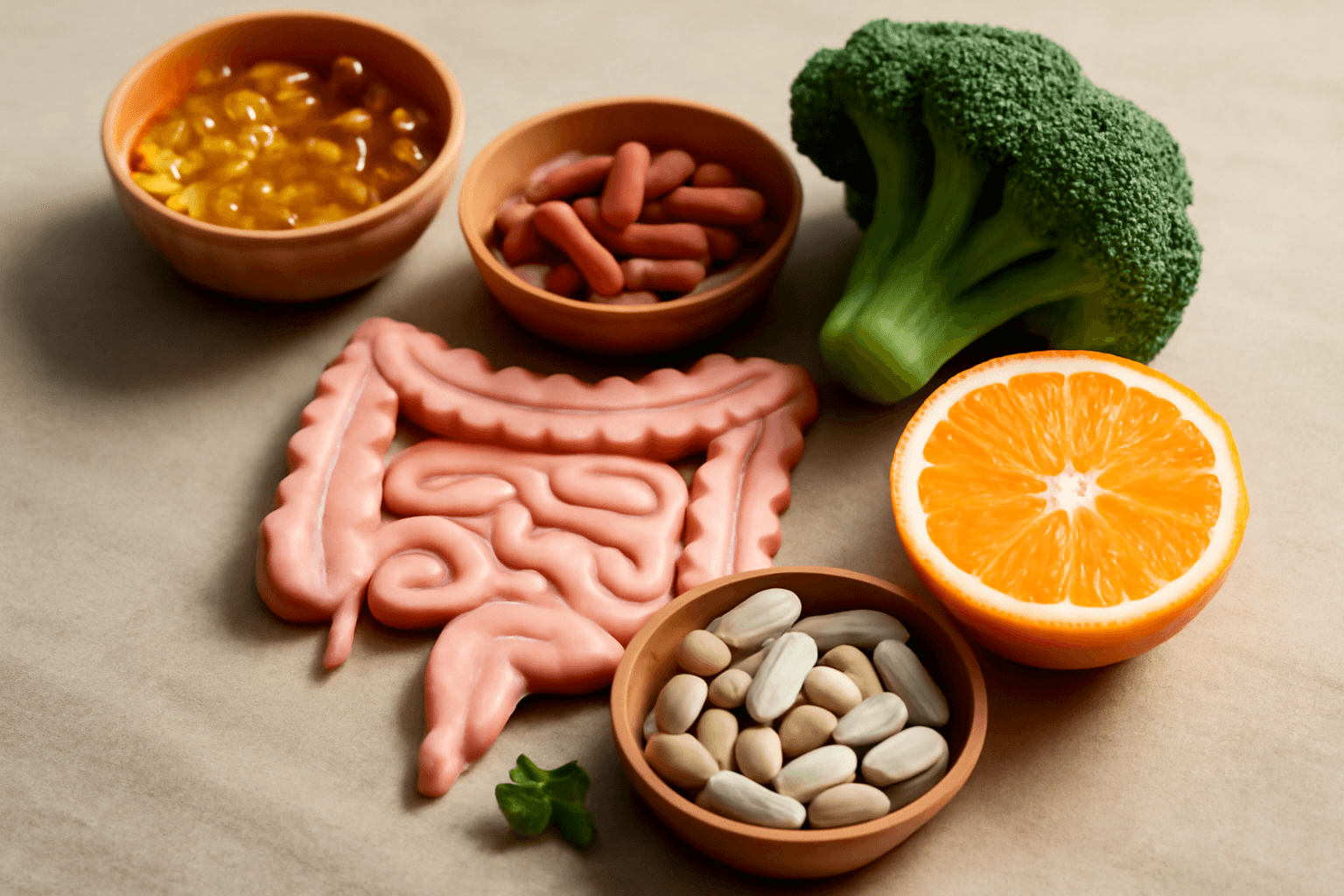
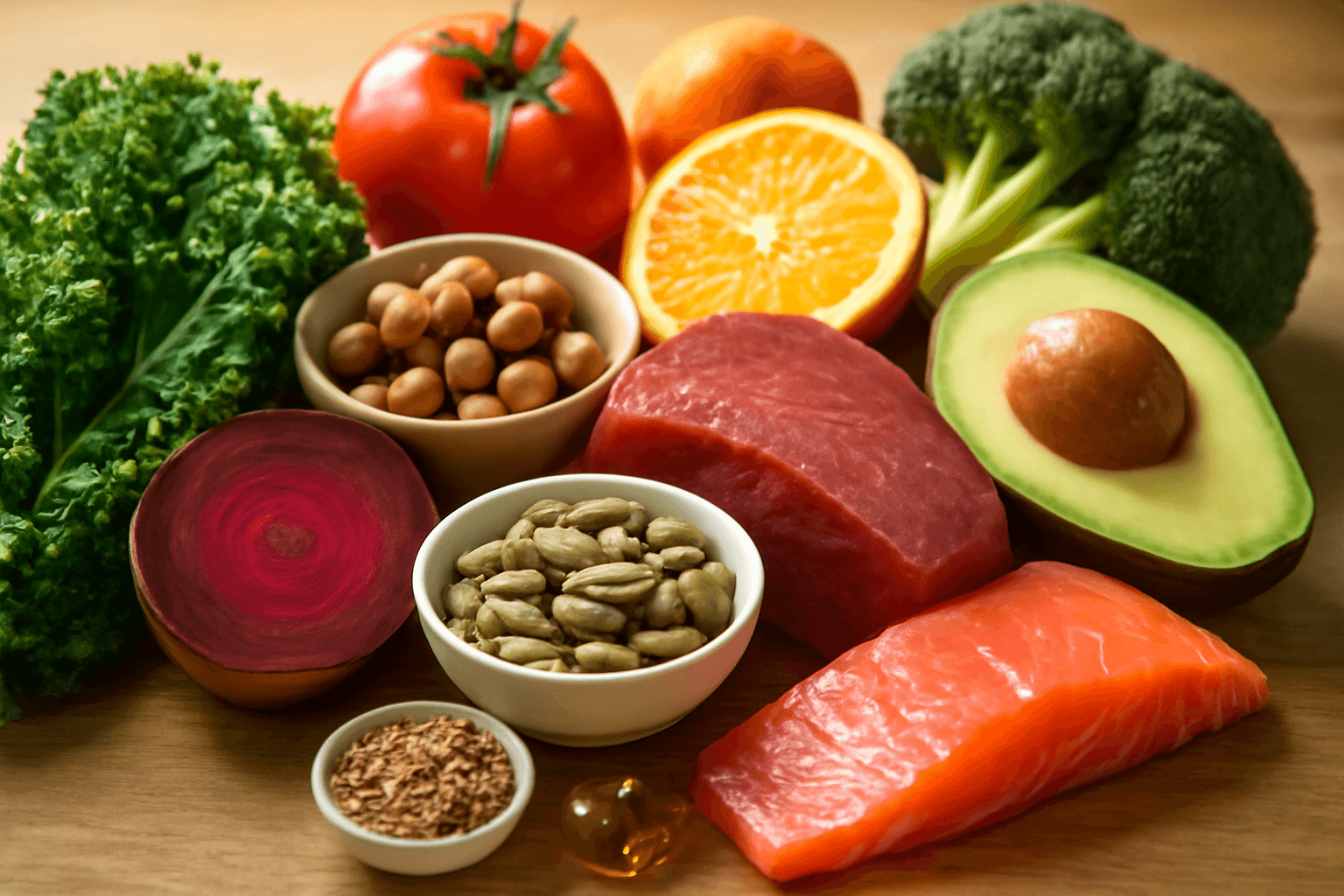
Gut microbiota is often called the 'second brain' of our body, having a profound impact on our health. Approximately 37 trillion microorganisms reside in the intestines and regulate immunity, digestion, metabolism, and mental health. To maintain a healthy microbial ecosystem, specific nutrients and eating habits are essential. Nutrients such as iron, zinc, magnesium, B vitamins, omega-3, vitamins A, C, and K promote the growth of beneficial bacteria and play a key role in protecting gut health. This article introduces the importance of the gut microbiota ecosystem and practical management methods.
What is a Microbial Ecosystem?
A microbial ecosystem is a complex network formed through the interaction of various types of bacteria, viruses, fungi, and other microorganisms in a single environment. The human intestines contain more than 1,000 different microbial species, and their total genetic material is more than 100 times greater than human genes.
The gut microbiota is broadly divided into beneficial bacteria and harmful bacteria. In a healthy state, beneficial microorganisms maintain approximately 85%, while harmful ones maintain around 15%. When this balance is disrupted, it is called 'Dysbiosis,' which becomes the cause of various conditions including digestive disorders, inflammation, and weakened immunity.
The most important beneficial bacteria are Bifidobacterium and Lactobacillus. These produce short-chain fatty acids (SCFA), which serve as an energy source for intestinal epithelial cells, strengthen the intestinal mucosa, and defend against pathogenic microorganism invasion. The diversity and balance of the microbial ecosystem is one of the most important factors determining our overall health status.
Gut Microbiota and Immunity
Approximately 70% of our immune system is located in the intestines, and gut microbiota directly regulate this immune system. Beneficial bacteria strengthen the intestinal mucosa layer, providing 'physical defense' against the invasion of pathogenic microorganisms and toxins.
Additionally, butyrate produced by microbiota promotes the generation of regulatory T cells (Treg) differentiated in intestinal epithelial cells. These cells suppress excessive inflammation and maintain 'immune tolerance' that ensures only normal immune responses. According to research, people with a healthy microbiota have 30-40% lower incidence rates of infectious diseases.
Microbial ecosystem imbalance is also linked to autoimmune diseases. If dysbiosis persists, the permeability of the intestinal mucosa increases, causing 'leaky gut syndrome,' which raises the risk of conditions such as rheumatoid arthritis, Crohn's disease, and ulcerative colitis. Therefore, maintaining the diversity and balance of gut microbiota is the foundation of disease prevention.
The Correlation Between Gut Microbiota and Mood
The 'Gut-Brain Axis' is a bidirectional pathway through which gut microbiota communicate directly with the brain via neural signals, hormones, and immune factors. It is physically connected through the vagus nerve, and neurotransmitters secreted by gut microbiota directly affect mood and mental health.
Gut microbiota produce approximately 90% of the body's serotonin. Certain beneficial bacteria (mainly Lactobacillus and Bifidobacterium) break down tryptophan to create serotonin precursors, which pass through the blood-brain barrier to regulate mood. People with dysbiosis have a 50% or higher incidence rate of depression, and the association with anxiety disorders is also clear.
Additionally, GABA (gamma-aminobutyric acid) produced by gut microbiota is a major inhibitory neurotransmitter in the brain that alleviates stress and anxiety. Therefore, changes in gut microbiota composition alone can significantly improve mood, sleep quality, and stress responsiveness.
10 Ways to Maintain Healthy Gut Microbiota
1. Consume Prebiotic Foods
Prebiotics are substances that are not broken down by human digestive enzymes but promote the growth of beneficial bacteria. Primarily soluble dietary fiber, they are abundant in garlic, onions, asparagus, bananas, and oats. A daily intake of 25-30g of dietary fiber is recommended, which increases gut microbiota diversity by more than 30%.
2. Take Probiotic Foods or Supplements
Probiotics are living beneficial bacteria. Consuming fermented foods (yogurt, kefir, kimchi, miso, kombucha) three to four times a week or more increases the number of beneficial bacteria. When taking supplements, choose products with at least 1 billion CFU (colony-forming units) or higher, and refrigeration is important for maintaining effectiveness.
3. Expand Dietary Diversity
Gut microbiota diversity is directly related to dietary diversity. According to one study, people who consumed 30 or more different plant-based foods per week had more than twice the microbial species diversity compared to those consuming fewer than 10. The key is to consume a balanced variety of fruits, vegetables, whole grains, nuts, and legumes.
4. Increase Iron-Containing Foods
Iron is an essential trace nutrient for the growth of beneficial bacteria. In addition to red blood cell production, it supports the metabolism of gut microbiota. Adult men require 8mg daily, while premenopausal women require 18mg. Iron can be obtained from red meat, oysters, spinach, and legumes, and absorption increases threefold when consumed with vitamin C.
5. Consume Zinc-Containing Foods
Zinc regulates the synthesis of tight junction proteins in intestinal epithelial cells and plays an important role in preventing dysbiosis. The recommended daily amount is 11mg for men and 8mg for women. Oysters have the highest zinc content (5.5mg per raw oyster), and beef, pumpkin seeds, and cashews are also good sources.
6. Manage Stress With Magnesium
Magnesium is involved in the metabolism of gut microbiota and indirectly protects the microbial ecosystem through regulation of stress hormones. The recommended daily amount is 400-420mg for men and 310-320mg for women. Dark leafy greens, pumpkin seeds, black beans, and dark chocolate are good sources, and magnesium deficiency promotes the growth of harmful bacteria.
7. Consume Adequate B Vitamin Foods
B vitamin complexes such as B1, B2, B6, and B12 are nutrients required by gut microbiota for energy production, while certain microbiota conversely produce B12 and folate. B vitamins should be adequately obtained from eggs, fish, meat, whole grains, and fermented foods. Vegetarians need to be particularly careful about B12 deficiency.
8. Daily Omega-3 Fatty Acid Intake
Omega-3 reduces intestinal inflammation and promotes the growth of beneficial bacteria. According to research, groups with abundant omega-3 intake showed a 40% decrease in inflammatory markers. A daily intake of 1.6g (men) and 1.1g (women) of omega-3 is recommended. Salmon, mackerel, flaxseed, chia seeds, and walnuts are good sources.
9. Strengthen Intestinal Mucosa With Vitamins A and K
Vitamin A regulates the differentiation and regeneration of intestinal epithelial cells and promotes mucus production to strengthen the intestinal mucosal protective layer. Vitamin K is produced by certain beneficial bacteria (Bacteroides) and conversely supports the growth of this bacteria. Carrots, sweet potatoes, broccoli, kale, and spinach provide adequate amounts of these vitamins.
10. Minimize Antibiotic Use and Regularize Sleep
Antibiotics eliminate not only harmful bacteria but also beneficial ones. Use them only when necessary, and shorten the recovery period by consuming probiotics after taking them. Additionally, irregular sleep disrupts the circadian rhythm of gut microbiota and promotes the growth of harmful bacteria. Seven to nine hours of regular daily sleep is essential for maintaining microbial diversity.
Conclusion and Summary
Key Points:
• The gut microbiota ecosystem is a key factor determining immunity, mental health, and digestive capacity.
• Butyrate and neurotransmitters produced by beneficial bacteria are the mechanisms for maintaining health.
• Iron, zinc, magnesium, B vitamins, omega-3, and vitamins A, C, and K are essential nutrients for microbial growth.
• Combining prebiotics and probiotics, expanding dietary diversity, and maintaining regular sleep are important.
• Customized nutritional management through consultation with healthcare professionals is necessary depending on individual circumstances.
Improving gut microbiota ecosystem health does not happen in the short term. Consistent dietary improvements and lifestyle changes must be sustained for at least 4-8 weeks to see noticeable results. Particularly if you are taking antibiotics, have inflammatory bowel disease or IBS (irritable bowel syndrome), or suspect food allergies, you must consult with a healthcare professional to establish a personalized protocol. Understanding your current state through gut microbiota testing (microbiome analysis) and supplementing lacking nutrients is also an effective strategy. Remember that small dietary changes can activate your 'second brain,' leading to remarkable improvements in whole-body health.