Scalp health is an important indicator that goes beyond simple cosmetic care and reflects the overall health status of your entire body. Problems such as scalp inflammation, itching, and dandruff can occur due to nutritional deficiencies, stress, and improper cleansing habits. In particular, deficiencies in trace minerals like zinc, selenium, and iron can worsen hair loss and scalp conditions. In this article, we'll comprehensively cover science-based scalp care methods, proper cleansing techniques, and effective product selection.
Managing Your Scalp
A healthy scalp is the foundation for beautiful hair. The scalp produces more than twice as much sebum as facial skin, requiring careful management. The scalp's pH should maintain an acidic level of 4.5-5.5, but using incorrect products or excessive heat exposure can disrupt this balance. For scalp health, internal nutrition is just as important as external care.
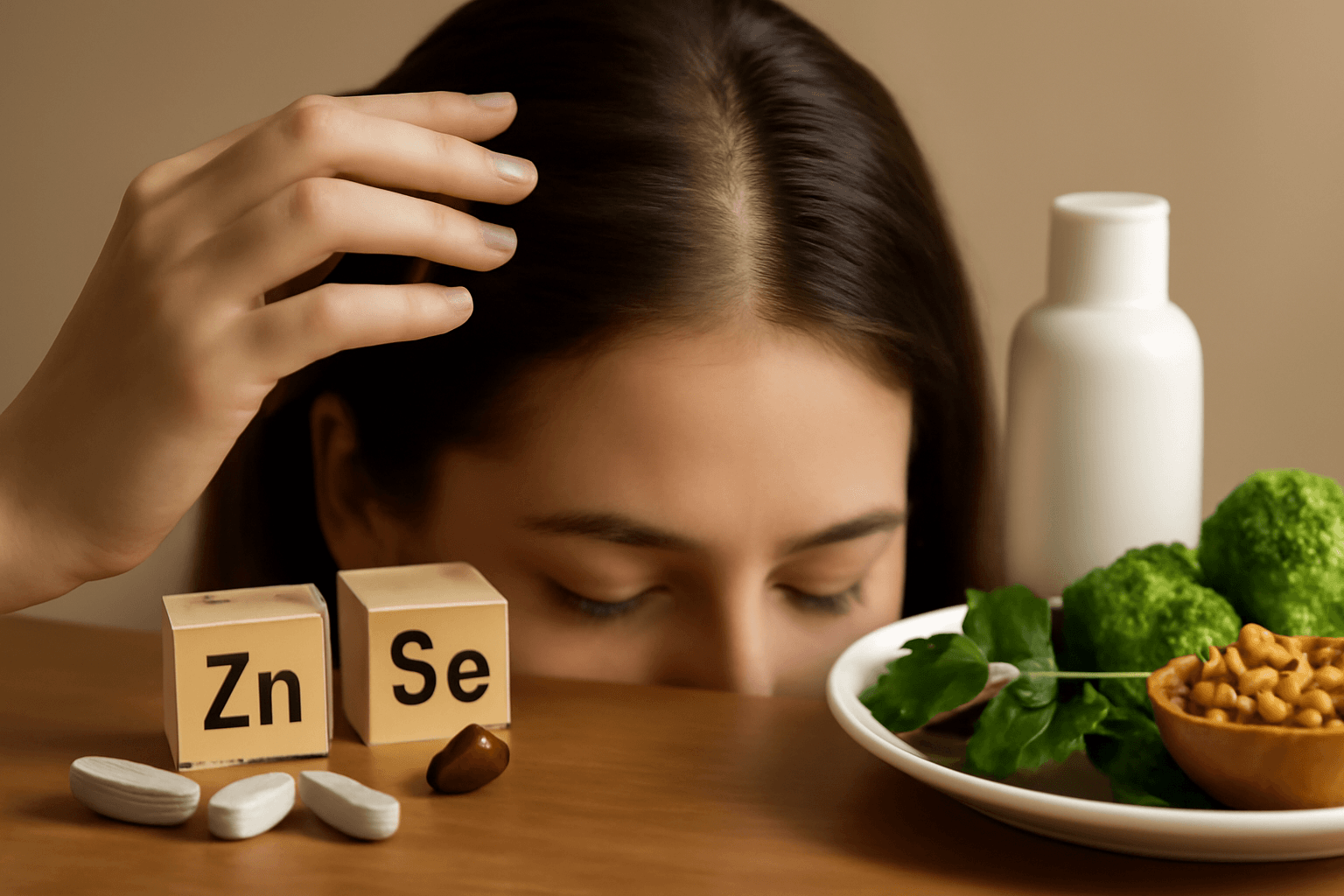
The role of nutrients is extremely important. Zinc promotes hair follicle cell growth and protein synthesis, and its deficiency accelerates hair loss and scalp inflammation. Selenium is an essential component of glutathione peroxidase, an antioxidant protein that reduces oxidative stress on the scalp. Iron is essential for hemoglobin production, which supplies oxygen to hair follicles. Daily recommended amounts are 8-11mg of zinc and 55 micrograms of selenium.
Digestive health cannot be overlooked. Even with abundant nutrients, if digestion and absorption don't occur properly, scalp nutrition deteriorates. Fermented foods rich in probiotics like yogurt, miso, and kimchi improve gut health and promote nutrient absorption. Additionally, adequate water intake (2 liters daily) increases scalp moisture retention and helps eliminate metabolic waste.
Stress increases cortisol levels, which boosts sebum secretion on the scalp and triggers inflammation. Managing stress for 20-30 minutes daily through activities like meditation, yoga, or walks improves immunity and stabilizes scalp condition.
Scalp Washing Frequency
How often you should wash your scalp depends on your individual scalp type and living environment. Over-cleansing removes essential oils from the scalp, creating a vicious cycle of increased sebum production. Conversely, insufficient cleansing allows sebum and dead skin cells to accumulate, promoting bacterial growth.
For oily scalps, washing once daily is appropriate. With excess sebum production, it's recommended to wash once in the morning or evening with lukewarm water. Cleansing every other day can worsen itching and dandruff due to accumulated sebum.
For dry scalps, washing once every 2-3 days is sufficient. Over-cleansing destroys the scalp's natural moisture barrier, making it extremely dry. Between washes, simply rinsing with lukewarm water can maintain cleanliness.
For combination scalps, wash every 1-2 days, but use selective care by shampooing the scalp while using only conditioner on the hair ends. This solves both excess sebum at the roots and dryness at the ends simultaneously.
Seasonal changes should also be considered. In summer's hot and humid environment, increase washing frequency by one time, and reduce it during winter due to dryness from heating. Additionally, if you've sweated heavily from exercise or outdoor activities, an extra wash is needed.
How to Wash Your Hair and Scalp
Proper cleansing technique is the most fundamental way to prevent scalp and hair damage. Many people try to increase cleansing efficiency by scrubbing hard or using hot water, but this causes scalp irritation and hair damage.
The preparation stage is important. Fifteen minutes before shampooing, gently brush your hair with a soft brush to untangle it. This reduces hair damage during washing and promotes scalp blood circulation. Thoroughly wet your scalp and hair with lukewarm water (36-40°C) for more than 30 seconds before starting to shampoo.
During the shampooing stage, use the fingertip pads (never nails) to massage your scalp. Moving in circles from the front to the back while massaging for 3-5 minutes increases scalp blood circulation by more than 30%. Avoid strong pressure and maintain gentle but firm contact. Use only about a coin-sized amount of shampoo.
The rinsing stage should last at least 1 minute or more. If shampoo residue remains on the scalp, it can cause inflammation and itching. For the final rinse, use cool water (20-25°C) to seal the cuticle layer and restore shine.
When using conditioner, be careful not to apply it directly to the scalp. Apply only from the mid-length to the ends of your hair, leaving it on for 2-3 minutes like a pack, then rinse. Conditioner left on the scalp can cause sebum buildup.
The towel-drying method is also important. Don't rub or twist with a towel; instead, gently pat to remove water. Microfiber towels or ultra-fine fiber towels reduce friction by 70% compared to regular towels. When using a blow dryer, first use cool air for about 1 minute to set the cuticles, then dry 80% with warm air, and finish with cool air. Directing too hot air directly at the scalp increases flaking and worsens hair loss.
What Products Should You Use on Your Scalp?
Choosing scalp products should be done after accurately understanding your individual scalp type and skin condition. Famous or expensive products aren't always better; you need to find products whose ingredients and feel match your scalp.
Criteria for choosing shampoo depend on the type of primary cleansing agent. Sulfate surfactants (SLS, SLES) have strong cleansing power but cause significant scalp irritation, making them suitable only for oily scalps. Amino acid-based cleansers are low-irritant with moisturizing properties, making them good for dry and sensitive scalps. Shampoos containing natural oils are effective for dry scalps and damaged hair.
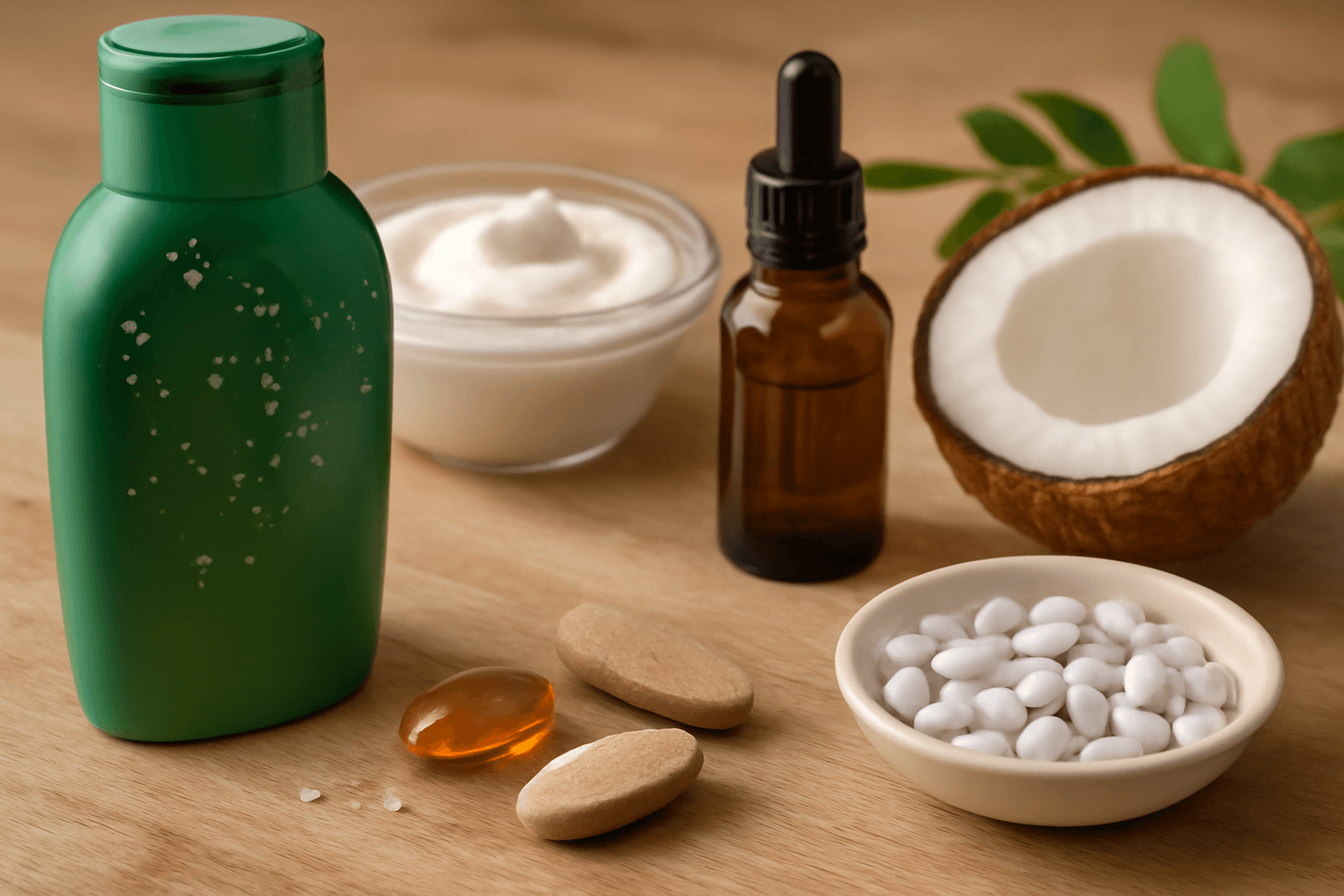
Coconut oil is gaining attention as a natural scalp care product. With lauric and myristic acids, it has antibacterial and antifungal effects and penetrates to hair follicles to prevent protein loss. Using it as a pack 1-2 times weekly typically improves scalp dryness and itching within an average of 3 weeks. For oily scalps, use only a small amount directly on the scalp, while for dry scalps, apply it as a 20-minute massage pack.
Tonics and essences are additional care products. Scalp toner quickly restores pH balance after cleansing to reduce inflammation. Products containing vitamins B and E promote scalp metabolism and improve hair follicle health. Apply with a misting spray for even distribution, then gently massage for 1 minute.
Hair masks and treatments are supplementary care used 1-2 times weekly. Products containing protein are effective for repairing damaged hair, while those containing silk protein are good for restoring shine. When using mask products, apply only from 1cm below the scalp through the mid-lengths and ends.
Additional products by skin condition include scalp scrubs (once monthly), scalp soothing essence (as needed), and vitamin ampoules (twice weekly). Overusing scrubs can damage the stratum corneum, so maximum use is twice monthly.
Precautions when checking ingredients are as follows. Products with excessive parabens and silicones can accumulate scalp irritation with long-term use. High fragrance content can worsen sensitive scalps. Alcohol-containing tonics should be avoided for dry scalps. For safety, patch test new products on the back of your ear or inner arm before use.
Summary
Key principles of scalp health can be summarized as follows.
- Nutrition management: Adequate intake of zinc, selenium, and iron along with improved absorption through gut health is the fundamental solution to scalp problems. If deficient, consider taking supplements after consulting with a specialist.
- Washing frequency: Oily scalps should wash once daily, dry scalps every 2-3 days, and combination scalps every 1-2 days as a baseline. Adjust according to season and activity level.
- Proper cleansing method: Lukewarm water, gentle 3-5 minute massage, thorough rinsing, and finishing with cool air prevent scalp damage.
- Product selection: Accurately identify your scalp type, check ingredients, then choose. Coconut oil is an effective natural care product.
- Stress management: Reduce stress for 20-30 minutes daily to boost immunity and prevent scalp inflammation.
Scalp health doesn't happen overnight. You can feel improvement effects after at least 4-6 weeks of consistent care. If dandruff, hair loss, or severe itching persists, it's important to see a dermatologist to confirm whether you have conditions such as seborrheic dermatitis, psoriasis, or fungal infections. Create a healthy and shiny scalp through customized care tailored to your individual scalp condition.