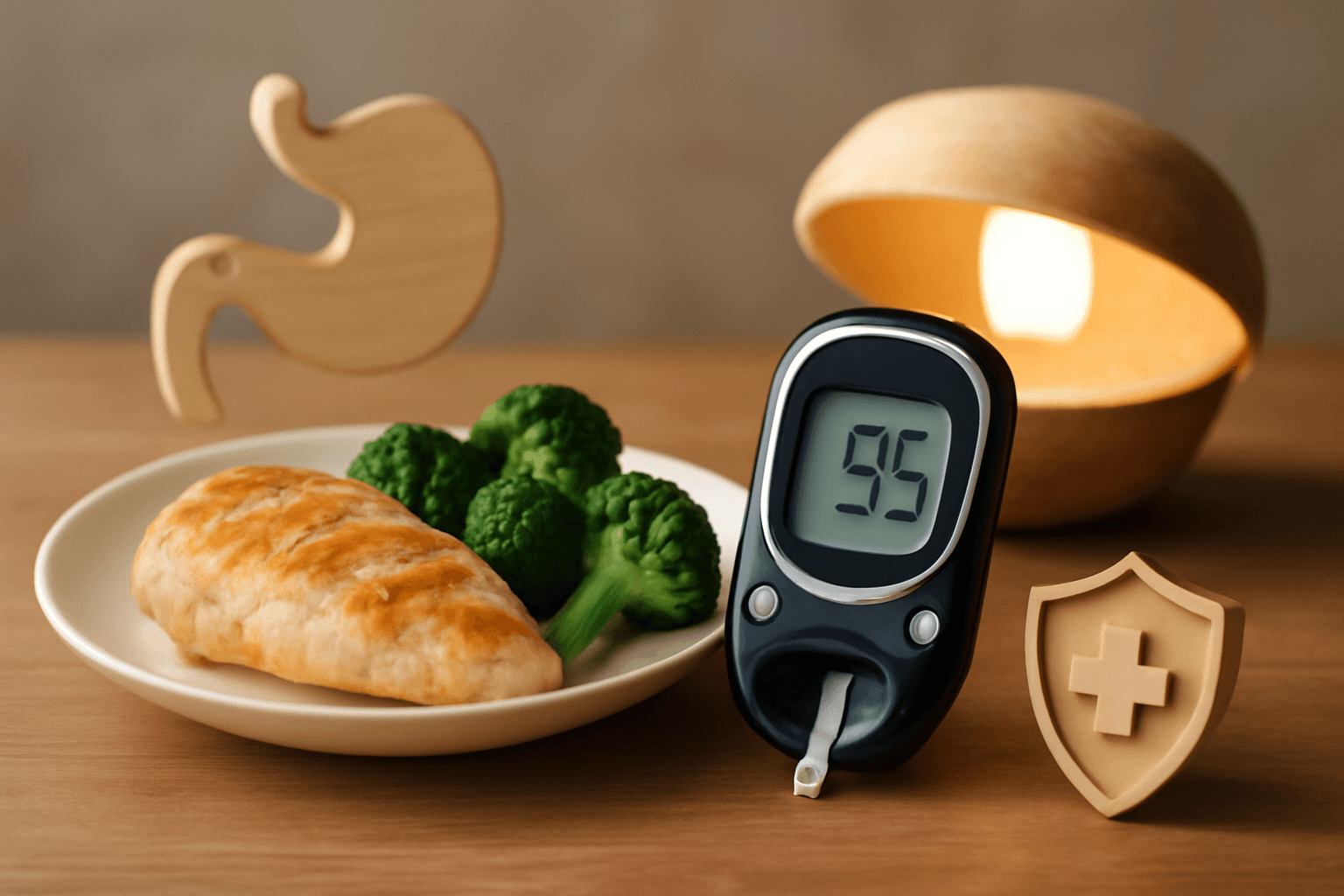
Glycemic Index (GI) is a measure of how quickly food raises blood sugar levels. Understanding and utilizing this concept enables not only blood sugar management, but also weight management, energy stabilization, and improved heart health. It is particularly important as a dietary indicator for diabetes prevention and for those with existing blood sugar issues. This post will explain the concept of glycemic index step by step, from its basics to practical application in your diet.
What is Glycemic Index?
Glycemic index quantifies the speed at which a specific food raises blood sugar levels, using glucose as the baseline with a value of 100. This concept was developed in 1981 by Dr. David Jenkins of the University of Toronto for diabetic patients, and has become an important nutritional indicator worldwide over the past 40 years.
Glycemic index is classified as follows:
- Low GI: 0–55 – Raises blood sugar slowly
- Medium GI: 56–69 – Raises blood sugar at a moderate speed
- High GI: 70 or above – Raises blood sugar quickly
Frequently consuming high glycemic index foods creates a pattern of rapid insulin secretion spikes followed by drops. This leads to fatigue, reduced concentration, and increased stress hormone release, and in the long term increases risk of diabetes, heart disease, and elevated cholesterol. In contrast, low glycemic index foods maintain stable blood sugar and prevent these adverse effects.
Low and High Glycemic Index Foods
To make proper dietary choices, you need to understand the glycemic index of foods you consume daily. It's important to note that the same type of food can have significantly different indices depending on cooking method and ripeness.
Low Glycemic Index Foods (GI 55 or below):
- Grains: Barley (28), whole grain bread (51), oats (55), spaghetti (49)
- Vegetables: Broccoli (10), carrots (35), spinach (15), sweet potato (63 – medium)
- Fruits: Strawberries (40), grapefruit (25), apples (36), pears (38)
- Protein foods: Eggs (0), tofu (15), fish (0), low-fat yogurt (23)
- Legumes: Lentils (21), black beans (30), chickpeas (28)
High Glycemic Index Foods (GI 70 or above):
- Refined grains: White rice (73), white bread (75), cornflakes (81)
- Simple carbohydrates: Glucose (100), sugar (65 – medium), honey (55 – medium)
- Processed foods: French fries (75), popcorn (72), instant rice (88)
- Fruits: Watermelon (72), pineapple (66 – medium), raisins (64 – medium)
- Beverages: Fruit juice (93), sports drinks (89)
Notably, foods considered healthy can also have high glycemic index values. For example, unsalted popcorn is regarded as a healthy snack but has a GI of 72, which is quite high. Whole grain products are lower than refined grains, but large consumption can still raise blood sugar, so portion control is essential.
What is a Low Glycemic Index Diet?
A low glycemic index diet is not simply about choosing only low GI foods. It's about establishing balanced nutrition intake and eating habits that maintain stable blood sugar.
Benefits of a Low Glycemic Index Diet:
- Stable energy: Gradually raising blood sugar allows you to stay active throughout the day without fatigue
- Improved sleep quality: Avoiding high GI foods in the evening promotes sound sleep. High glycemic index foods stimulate the nervous system and promote insulin secretion, disrupting sleep
- Enhanced immunity: Stable blood sugar management normalizes cortisol stress hormone release, improving immune function
- Improved heart health: A low glycemic index diet contributes to reducing bad cholesterol (LDL) and increasing good cholesterol (HDL)
- Weight management: Prolonged satiety prevents overeating and automatically reduces calorie intake
- Stress reduction: Less blood sugar fluctuation increases brain stability, lowering anxiety and stress levels
Example Low Glycemic Index Diet Composition (Daily):
- Breakfast: Whole grain oatmeal (50g) + Greek yogurt (150g) + strawberries (100g)
- Mid-morning snack: 1 apple + handful of unsalted almonds (30g)
- Lunch: Brown rice (150g) + grilled chicken breast (150g) + stir-fried broccoli (200g)
- Afternoon snack: Carrot sticks + hummus (2 tablespoons)
- Dinner: Whole wheat pasta (100g) + salmon (150g) + spinach salad
What's important to note in this diet is adequate intake of protein and dietary fiber. Protein takes time to digest, making blood sugar rise gradual, and dietary fiber delays glucose absorption.
Ways to Lower the Glycemic Index of Foods
Even the same food can have significantly different glycemic indices depending on cooking method and consumption method. You can manage your blood sugar without completely giving up foods you enjoy.
1. Changing Cooking Methods
Simply changing how rice is cooked can alter its glycemic index. White rice (GI 73) can be cooled after cooking, which reduces its GI to the 60s. This is because cooled rice increases resistant starch content. In fact, if rice is refrigerated for 24 hours and then reheated, its digestion speed slows significantly.
For potatoes, baking gives a GI of 95, boiling gives 78, and eating cooled potatoes reduces it to 56. Pasta cooked al dente (slightly firm) has a GI that's 10–15 points lower than overcooked pasta.
2. Optimizing Food Combinations
Consuming high GI foods with low-protein foods causes blood sugar to spike. Conversely, consuming carbohydrates together with protein, fat, and dietary fiber significantly slows blood sugar rise.
- Combinations to avoid: White rice + fried food (high oil but insufficient protein)
- Improved combination: White rice + grilled fish + vegetable miso soup (contains protein and dietary fiber)
The order of eating also matters. Research shows that consuming vegetables → protein → carbohydrates in that order reduces blood sugar rise speed by 20–30%. The dietary fiber and protein eaten first delay glucose absorption.
3. Ingredient Substitution
- White rice → mixed brown rice, barley, oats (15–20 point GI reduction)
- Regular flour → whole wheat flour, rye flour (20–25 point GI reduction)
- Glucose syrup → stevia, erythritol (GI close to 0)
- Milk chocolate → dark chocolate (70% cocoa or higher, GI 50 or below)
4. Adding Acid
Interestingly, adding acid to food reduces its glycemic index. Research shows that mixing 2 tablespoons of vinegar into rice reduces its GI by about 20%. The lactic acid in fermented foods like pickled cabbage, kimchi, and miso has the same effect. Also, consuming carbohydrates with a lemon dressing salad slows blood sugar rise.
Glycemic Index and Glycemic Load
The glycemic index alone cannot fully evaluate a food's blood sugar impact. The concept of Glycemic Load (GL) is necessary. Glycemic load is the glycemic index multiplied by the food's carbohydrate content, showing more precisely how much blood sugar actually rises when consumed.
Glycemic Load Calculation Formula:
Glycemic Load (GL) = Glycemic Index (GI) × Carbohydrate Content (g) ÷ 100
Glycemic load is classified as follows:
- Low GL: 10 or below
- Medium GL: 11–19
- High GL: 20 or above
Specific Examples:
Watermelon: High at GI 72, but a typical single serving (150g) contains 12g of carbohydrates. Therefore, GL = 72 × 12 ÷ 100 = 8.6, which is low glycemic load. In other words, watermelon raises blood sugar quickly, but the typical serving size is small, so its actual blood sugar impact is minimal.
White Rice: GI 73 with 45g of carbohydrates in a typical serving (150g). Therefore, GL = 73 × 45 ÷ 100 = 32.9, which is very high glycemic load. Both the glycemic index and serving size are high, so its actual blood sugar impact is significant.
Therefore, proper blood sugar management requires considering both GI and GL together. Even if GI is high, reducing the serving size lowers glycemic load, and even if GI is low, overconsumption raises glycemic load.
Practical Tips for Daily Life:
- Limit carbohydrate food serving per meal to the thickness from fingertip to finger joint
- Compose over 50% of total carbohydrates with whole grains instead of refined carbohydrates
- Include a fist-sized portion of protein food at each meal
- Take 30 minutes or longer for meals to maximize digestion efficiency
Summary
The core of health-conscious diet management using glycemic index is as follows:
- Understanding glycemic index: Understand how quickly foods raise blood sugar and prioritize selecting low GI foods (55 or below)
- Daily application: Build meals centered on legumes, whole grains, lean protein, and fresh vegetables and fruits
- Improving cooking methods: Since the same food has very different GI depending on cooking method, use methods like boiling or cooling foods and adding acid
- Nutritional balance: Adequate protein and dietary fiber intake stabilizes blood sugar and enhances satiety
- Considering glycemic load: Evaluate actual blood sugar impact by considering not only GI but also serving size per meal
A glycemic index-based diet leads to diabetes prevention, weight management, energy stabilization, enhanced immunity, improved heart health, better sleep quality, and reduced stress. However, diet may differ depending on individual health status, underlying conditions, and medications being taken. If you have blood sugar-related conditions or are taking medications, please consult with a doctor or nutritionist to create a personalized diet plan.