Stress is an unavoidable element in the daily lives of modern people. Amid work pressures, relationship challenges, and social demands, our bodies continuously release stress hormones, which lead to sleep disturbances, poor digestion, and energy depletion. Natural tonics and proper lifestyle habits are effective methods for alleviating stress responses and enhancing the body's natural healing capacity. From protein intake to yoga practice and proven herbal remedies, let's explore practical strategies for managing stress and restoring heart health and hormonal balance.
Understanding the Stress Response
When stressed, our bodies initiate an immediate survival response. The hypothalamic-pituitary-adrenal axis (HPA axis) in the brain becomes activated, releasing cortisol and adrenaline. These hormones elevate heart rate and raise blood sugar, which is necessary in the short term but harmful to the body during chronic stress.
Prolonged elevated cortisol levels result in weakened immunity, diminished digestive function, and deteriorated sleep quality. The period from 11 PM to 3 AM is particularly critical, as it's when the adrenal glands recover; sleep deprivation during these hours significantly reduces stress resilience. Additionally, research shows that chronic stress increases the risk of heart disease by 33%, and the digestive system is also affected, disrupting the balance of beneficial gut bacteria.
When the body responds to stress, it consumes tremendous amounts of energy. Essential nutrients like protein, B vitamins, and magnesium are used in large quantities, and without replenishing them, the body becomes increasingly vulnerable. Therefore, stress management must operate on three axes: restoring hormonal balance, providing nutrition, and improving sleep.
The Best Herbs for Stress
Ashwagandha (Indian Ginseng)
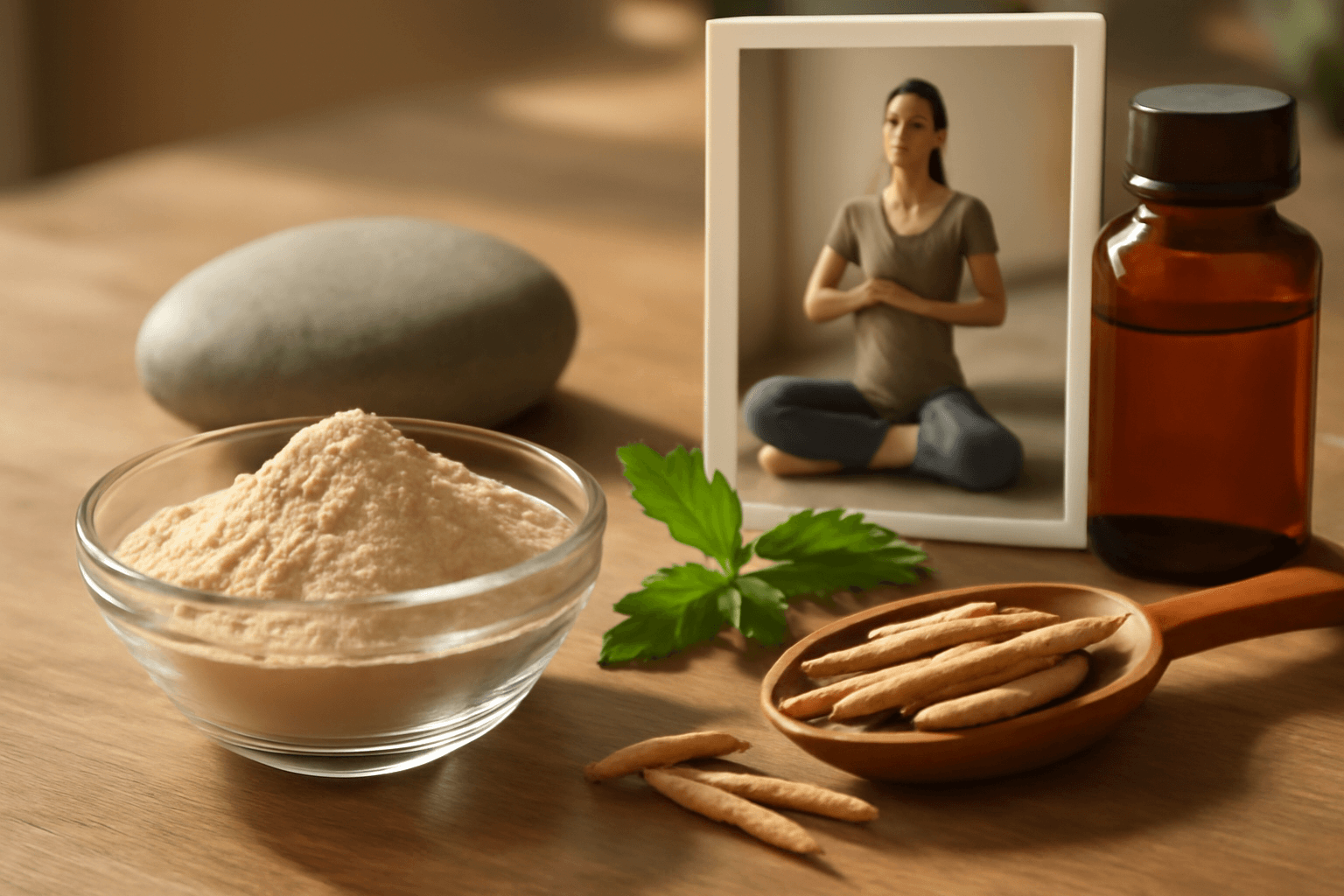
Ashwagandha is the most powerful tonic used in Ayurveda, India's traditional medicine system, for over 2,000 years. Clinical research showed that participants who took 300-500 mg of ashwagandha extract daily for 8 weeks experienced a 27.9% reduction in cortisol levels. Anxiety scores improved by over 56%, and sleep quality improved significantly.
Withanolides, the active compounds in ashwagandha, calm the nervous system and increase the body's stress resistance. It's particularly effective for stress accompanied by fatigue and irritability, and long-term use also improves heart health markers. The typical dosage is 600-900 mg daily, and it should be taken consistently for at least 4 weeks to see results.
Rhodiola (Golden Root)
Rhodiola is a plant native to Siberia, classified as an adaptogenic tonic. A 2016 meta-analysis showed that rhodiola reduces fatigue by 32% and is very effective at improving mental exhaustion caused by stress. Notably, office workers with high work-related stress experienced 20% improvements in focus and productivity.
Rhodiola acts quickly to restore energy. Mental clarity increases within 30 minutes of taking it, and physical fatigue improves within 1-2 weeks. The recommended dose is 200-600 mg daily, preferably in the morning. Evening use may interfere with sleep.
Holy Basil (Tulsi)
Considered a sacred plant in India, holy basil regulates serotonin and dopamine, neurotransmitters in the brain. In a 12-week clinical trial, participants who took 750 mg of holy basil extract daily experienced a 39% reduction in anxiety and a 50% decrease in depression. Sleep quality also improved significantly.
Holy basil is regarded as one of the safest tonics with minimal side effects even with long-term use. It also positively affects hormonal balance and alleviates premenstrual syndrome symptoms in women. You can drink fresh leaves as tea or take 400-600 mg of extract twice daily.
Magnesium and B-Complex Vitamins
The body excessively consumes magnesium during stress. Research shows that magnesium levels in people with chronic stress are 25% lower than normal. Supplementing 300-400 mg of magnesium daily relieves muscle tension, reduces anxiety, and improves sleep, especially when taken in the evening.
B-complex vitamins are essential for energy metabolism in the nervous system. Deficiencies in B6, B12, and folate impair neurotransmitter synthesis and increase stress intolerance. High-quality B-complex supplements are taken 1-2 times daily, preferably after breakfast for better digestion and absorption.
Lifestyle Strategies to Support Stress Management
Protein-Centered Diet
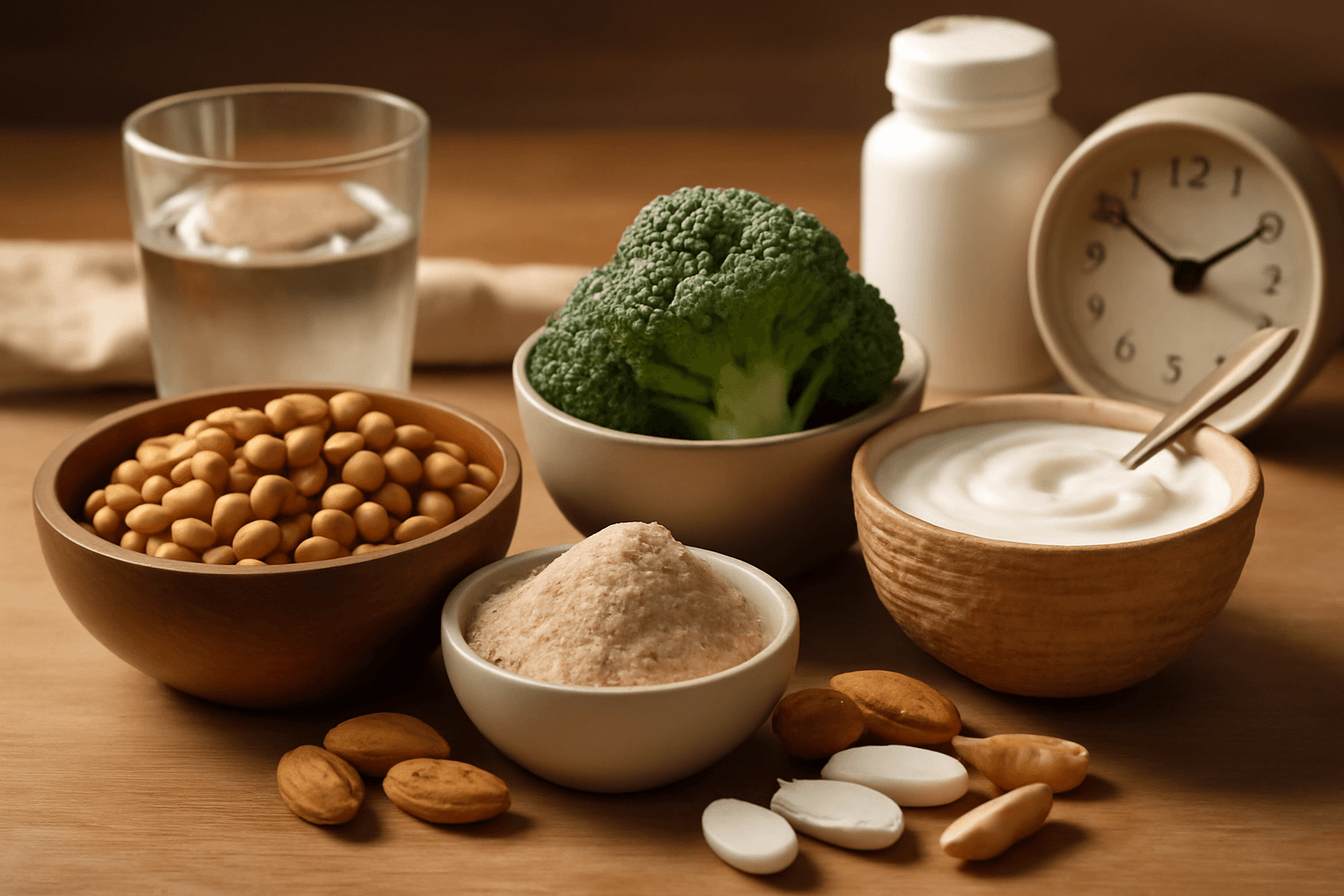
Adequate protein is essential for stress hormone metabolism and neurotransmitter synthesis. You should consume a minimum of 1.2-1.5 grams of protein per kilogram of body weight daily, and even more during periods of high stress. Include chicken breast, fish, eggs, legumes, and Greek yogurt in every meal.
Among amino acids, tryptophan and tyrosine are particularly important for stress management. Tryptophan is a precursor to serotonin synthesis, while tyrosine is necessary for dopamine and norepinephrine production. Foods rich in these amino acids include turkey, tuna, almonds, and black beans. A protein-rich breakfast daily maintains blood sugar stability throughout the day, significantly reducing mood swings and fatigue.
Regular Yoga Practice
Yoga activates the parasympathetic nervous system, reversing the stress response. Participants who practiced yoga 3 times a week for 60 minutes each over 12 weeks experienced a 28% reduction in cortisol levels, and their blood pressure normalized. Slow-paced Hatha yoga and yoga emphasizing diaphragmatic breathing are most effective.
The most important technique during yoga practice is diaphragmatic breathing. This breathing method stimulates the vagus nerve, sending a safety signal to the body. Just 10 minutes of deep diaphragmatic breathing daily increases heart rate variability (HRV) by 15%, improving stress resilience. It's ideal to practice at least 20 minutes of yoga daily, in the morning or evening.
Improving Sleep Quality
Sleep is the most important pathway for stress hormone recovery. Seven to nine hours of adequate sleep normalizes cortisol levels, strengthens immunity, and restores neural plasticity. Maintaining a consistent sleep rhythm—going to bed and waking at the same time daily—is most important.
To improve sleep quality, avoid bright light exposure after 10 PM, maintain bedroom temperature at 16-18°C, and avoid caffeine after 2 PM. Stop using smartphones one hour before bed and take 400 mg of magnesium before sleep. If needed, you can use natural sleep aids like lavender or valerian.
Exercise for Heart Health
Aerobic exercise directly consumes stress hormones. Moderate-intensity exercise (brisk walking, swimming, cycling) for 30 minutes, 5 days a week reduces anxiety by 35% and greatly improves heart health. After exercise, the body releases endorphins, a natural antidepressant that maintains a positive mood for up to 4 hours.
High-intensity interval training (HIIT) most rapidly increases the body's stress resistance. Two to three 20-minute HIIT sessions weekly improve mitochondrial energy production by 30%, resolving chronic fatigue. However, if you're already under high stress, begin with gentle exercise and gradually increase intensity.
Normalizing Hormonal Rhythm
The body's biological rhythm (circadian rhythm) directly affects stress recovery. Morning sunlight exposure promotes serotonin production, while evening darkness triggers melatonin release. Simply exposing yourself to sunlight for 10-30 minutes each morning greatly improves stress resilience.
Blue light exposure in the evening suppresses melatonin release by 60%, causing insomnia. After 10 PM, wear blue light filter glasses or minimize screen brightness. Additionally, regular meal times are important for normalizing hormonal rhythms, so eating three meals at the same times daily is recommended.
Meditation and Mindfulness Practice
Ten to twenty minutes of daily meditation shifts brain waves to an alpha state, inducing deep relaxation. Participants who completed an 8-week Mindfulness-Based Stress Reduction (MBSR) program experienced a 40% reduction in anxiety and 50% decrease in depression, with increased gray matter density in the brain. This indicates neural system reorganization through neuroplasticity.
Meditation requires no special tools or expenses. Simply sit in a quiet space, close your eyes, and focus on natural breathing. It's good to start with 5 minutes and gradually increase duration. Consistency is most important, so meditating at the same time daily will yield results.
Social Connection and Relationship Management
Social isolation is a major aggravating factor for stress. Conversely, meaningful relationships lower cortisol levels and increase oxytocin (the love hormone). Simply having face-to-face contact with close friends 1-2 times weekly improves stress resilience by 30%.
In particular, conversation with trustworthy people calms the body's autonomic nervous system. An environment where you can express your stress and emotions significantly reduces psychological burden. Conversely, toxic relationships worsen stress, so it's important to maintain healthy boundaries when necessary.
Medical Considerations
Important: The information in this article is provided for general health information purposes and cannot replace medical diagnosis or treatment. If you have chronic stress, anxiety disorder, or depression, you must consult a healthcare professional. Especially if taking medications, consult your doctor or pharmacist before using new supplements or herbal products. Rhodiola, holy basil, ashwagandha, and others may interact with certain medications.
Summary
Stress directly impacts the body's hormonal balance, sleep quality, digestive function, and energy levels. A comprehensive approach to managing stress operates on the following three axes:
- Using natural tonics: Ashwagandha (600-900 mg daily), rhodiola (200-600 mg daily), holy basil (400-600 mg twice daily), magnesium (300-400 mg daily), and B-complex vitamins have scientifically proven effects. Improvements appear after at least 4 weeks of consistent use.
- Nutrition and exercise: Consuming 1.2-1.5 grams of protein per kilogram of body weight, 30 minutes of aerobic exercise 5 times weekly, and yoga 2-3 times weekly greatly enhance the body's stress resistance.
- Lifestyle improvements: Consistent sleep duration (7-9 hours), morning sunlight exposure, meditation (10-20 minutes daily), and meaningful relationships normalize hormonal rhythms and restore nervous system function.
Stress management is not a short-term solution but a long-term lifestyle change. These strategies are most effective when practiced in combination, and since there are individual differences, you should adjust and implement them according to your body's condition. If symptoms are severe or don't improve, please seek guidance from a healthcare professional.