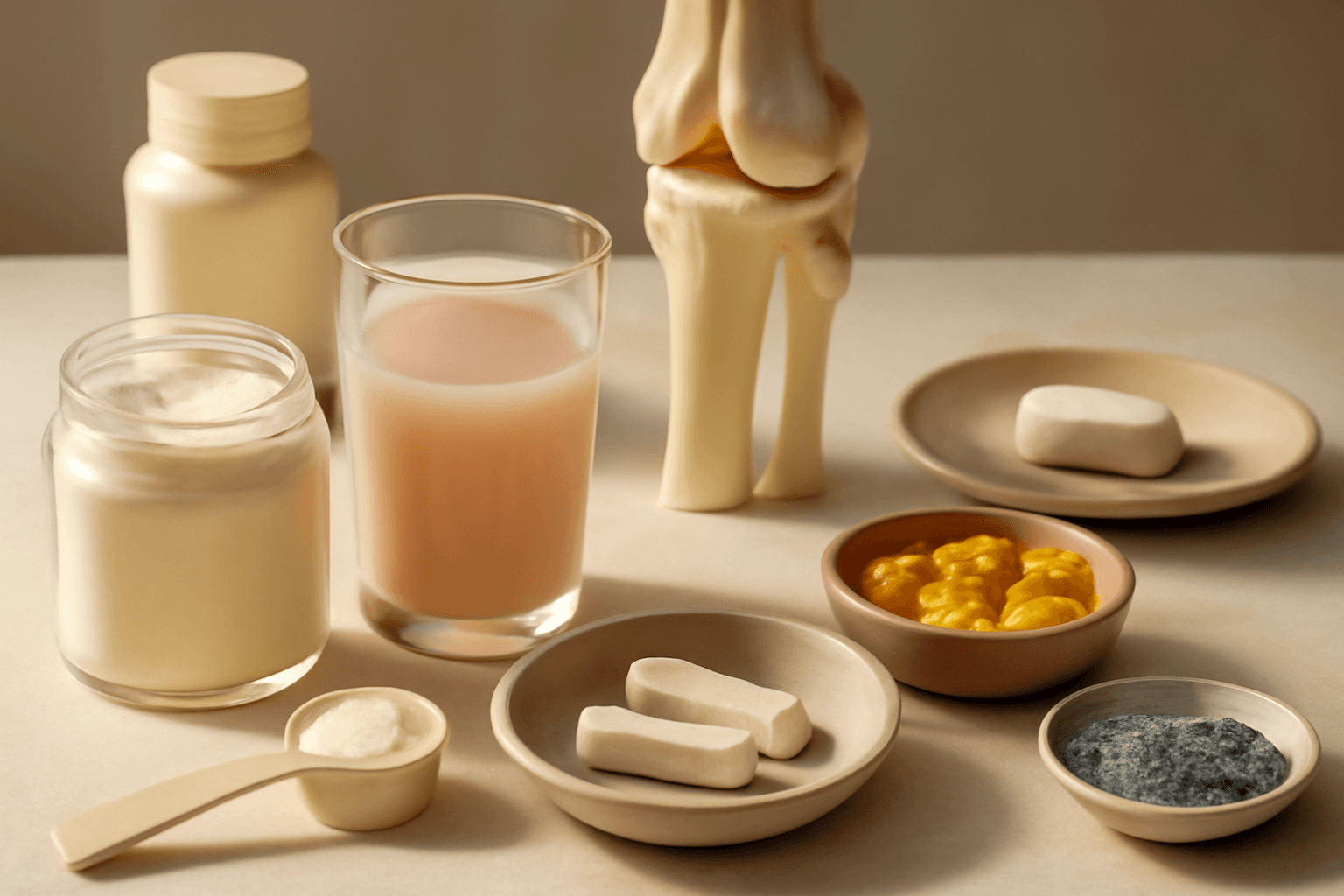
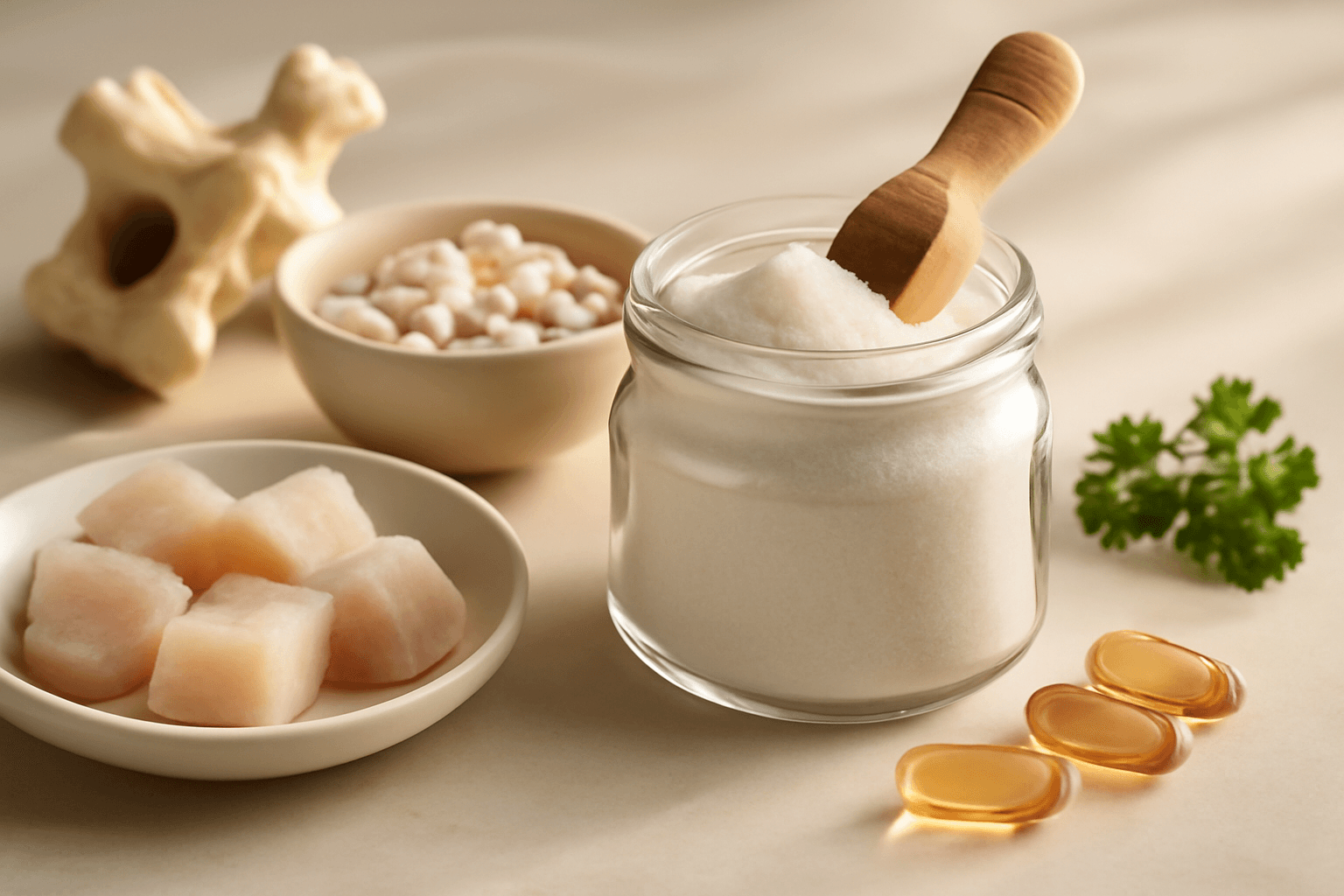
Collagen makes up approximately 30% of the protein in our body and is an essential component that forms the structural foundation of skin, bones, joints, and hair. However, since it decreases by about 1% annually after age 25, many people are seeking collagen supplements. Supplements alone are insufficient, and to maximize their effectiveness, the correct method of consumption and nutrient combinations are crucial. This article will provide practical information ranging from the principles of collagen production to science-based strategies for enhancing its effects.
Collagen Supplement Manufacturing
Modern collagen supplements are primarily manufactured in the form of hydrolyzed collagen. This is created by extracting animal bones, cartilage, and skin in hot water, then breaking down the molecules into smaller pieces through enzymatic processing. When the molecular weight is reduced to the 2,000-5,000 Dalton range, it becomes small enough to be absorbed in the small intestine, achieving a bioavailability of over 90%.
An important step in the manufacturing process is low-temperature drying. High-temperature processing can damage the collagen structure, so products using vacuum drying methods maintain higher quality. The source is also important—products extracted from bovine bone contain approximately 90% Type 1 collagen, while products extracted from fish scales boast faster absorption rates.
- Molecular weight: 2,000-5,000 Daltons is the optimal absorption range
- Type: Type 1 (skin/bone), Type 2 (cartilage), Type 3 (blood vessels)
- Drying method: Low-temperature vacuum drying is advantageous for nutrient preservation
Benefits of Collagen Supplements
According to clinical research, adults who consistently took collagen for 8-12 weeks showed a 28% increase in skin moisture levels and a 20% reduction in wrinkle depth. This is because collagen doesn't simply act on the surface but is absorbed into the dermis layer, enhancing the skin's ability to retain moisture.
In terms of joint health, patients with knee arthritis showed an average 35% reduction in pain after 12 weeks of supplementation. The amino acids in collagen—such as glycine, proline, and hydroxyproline—work through mechanisms that promote cartilage synthesis and inhibit inflammatory responses. Regarding bone density, postmenopausal women who consumed 10g of collagen peptides daily for 10 weeks experienced a 49% reduction in bone loss.
Hair and nail health also improve, as collagen supports keratin production. Cases have been reported showing a 6% increase in hair thickness and a 42% reduction in nail breakage after 12 weeks.
Key benefits: Increased skin moisture (28%), improved wrinkles (20%), reduced joint pain (35%), improved bone density, enhanced hair health
How to Enhance the Effects of Collagen Supplements
1. Consume with Vitamin C
Vitamin C is a key coenzyme in collagen biosynthesis. During the conversion of proline and lysine to hydroxyproline and hydroxylysine, vitamin C is essential; without it, collagen cross-linking does not form properly. When taking collagen supplements, consuming an additional 100-200mg of vitamin C daily through oranges, kiwis, bell peppers, and similar foods significantly improves collagen stabilization and absorption.
2. Correct Zinc Deficiency
Zinc is a component that activates fibroblasts and regulates collagen production. When zinc levels are insufficient in the body, fibroblast activity decreases by over 80%. By supplying 11-13mg of zinc daily through oysters, beef, and pumpkin seeds, the effects of collagen supplements improve noticeably within 3-4 weeks.
3. Consume Vitamin D and Calcium
For collagen to fulfill its role in the skeletal system, calcium is essential. Additionally, vitamin D promotes calcium absorption and induces osteoblast differentiation. Consuming 1,000-2,000 IU of vitamin D and 800mg of calcium daily during collagen supplementation increases the bone density improvement effect by approximately 40%.
4. Adequate Protein Intake
Although collagen is a type of protein, it is not complete in terms of essential amino acid profile. Therefore, consuming 1.2-1.6g of protein per kilogram of body weight daily from diverse protein sources such as eggs, fish, and legumes optimizes collagen absorption and synthesis.
5. Maintain Digestive Health
Collagen absorption is directly linked to digestive capacity. If stomach acid secretion is insufficient or intestinal microbial balance is disrupted, absorption rates drop by over 50%. Improving the digestive environment through fermented foods (kimchi, yogurt), dietary fiber (brown rice, broccoli), and probiotic supplements can enhance collagen absorption by 10-15%.
6. Appropriate Consumption Time and Dosage
Collagen has higher absorption rates when taken on an empty stomach. The closer the stomach's pH is to neutral, the more peptide absorption is inhibited. The optimal daily dose is 6-10g, and excessive consumption exceeding 10g does not lead to increased absorption rates. Taking it before bed aligns with growth hormone secretion during sleep, increasing efficiency by 20-30%.
7. Duration and Rest Periods
The effects of collagen begin to appear visually only after a minimum of 8-12 weeks. Maximum effects are achieved after 16-24 weeks, so supplementation for at least 3 months is necessary. When consuming for 6 months or longer, taking a 1-month break before resuming can prevent the body from adapting.
What Are Fibroblasts?
Fibroblasts are cells located in the dermis layer of the skin that produce collagen, elastin, and proteoglycans. Approximately 70% of all skin cells are fibroblasts, and their activity level determines skin elasticity and wrinkle severity.
After age 25, fibroblasts' ability to produce collagen decreases by about 1% annually, which is due to telomere shortening, mitochondrial dysfunction, and increased oxidative stress. Ultraviolet rays, inflammation, and oxidative stress interfere with fibroblasts' growth factors (FGF) and signal transduction, further inhibiting collagen production.
For collagen supplements to be effective, fibroblasts must be in a healthy state. Vitamin C reduces oxidative stress in fibroblasts, zinc promotes growth factor expression, and vitamin D induces fibroblast differentiation. Therefore, consuming these nutrients together with collagen maximizes the supplement's effects.
- Location: Skin dermis layer
- Function: Produces collagen, elastin, and proteoglycans
- Decline rate: 1% decrease annually starting from age 25
- Activation factors: Vitamin C, zinc, vitamin D, proper blood flow
Collagen Supplement Alternatives for Joint Health
Collagen supplements are not suitable for everyone. There are alternative options for those with seafood allergies, vegetarians, or those who choose other methods for personal reasons.
Bone Broth: Simmering beef, chicken, or fish bones for 12-48 hours extracts natural collagen, gelatin, and minerals. While not as rapidly absorbed as hydrolyzed collagen, it provides diverse nutrients and is cost-effective.
Vitamin C-Rich Foods: Vitamin C found in oranges, bell peppers, broccoli, and kiwis promotes collagen production in the body. Consuming 200-300mg daily can improve skin elasticity within 6 weeks.
Foods Containing Silica: Oats, peas, and green beans provide plant-based silica, which strengthens collagen cross-linking. According to research, women who consumed 40mg of silica for 10 weeks experienced a 19% increase in skin elasticity.
Omega-3 Fatty Acids: Omega-3 in salmon, mackerel, and flaxseeds suppresses skin inflammation and supports fibroblast activity. This is effective in slowing the rate of collagen breakdown.
Glutamine: An amino acid abundant in bone broth, eggs, and chicken that improves gut health and indirectly enhances collagen absorption.
Precautions When Taking Collagen Supplements
Medical consultation needed: For those with kidney disease, excessive protein intake can burden the kidneys. For those with liver disease or taking blood thinners, consult a doctor before taking supplements. Pregnant and nursing women should verify the product's safety certification.
Possible side effects: Digestive discomfort (abdominal bloating, indigestion), fatigue, and headaches may appear initially but normalize after 1-2 weeks. This is the body's process of adapting to new protein.
Quality verification: When selecting a product, check for third-party verification (NSF, USP marks), GMP certification, and heavy metal test results. Some inexpensive products may have lower actual collagen content than stated or contain impurities.
Summary
To maximize the effectiveness of collagen supplements, follow these key strategies:
- Nutrient combination: Consume vitamin C (100-200mg), zinc (11-13mg), vitamin D (1,000-2,000 IU), and calcium (800mg) together with collagen
- Method of consumption: Take 6-10g on an empty stomach in the evening for a minimum of 8-12 weeks
- Digestive health: Improve gut health with probiotics, dietary fiber, and fermented foods
- Duration management: Take a 1-month break after 3 months of use to prevent body adaptation
- Alternative options: Naturally promote collagen through bone broth, silica-rich foods, and vitamin C-rich foods
- Medical consultation: Consult a doctor before taking if you have underlying conditions
Collagen is not merely a supplement but an essential protein that maintains the body's structure. By combining proper nutrient combinations with improved lifestyle habits, you can experience tangible improvements in skin elasticity, joint flexibility, and hair health within 12 weeks.