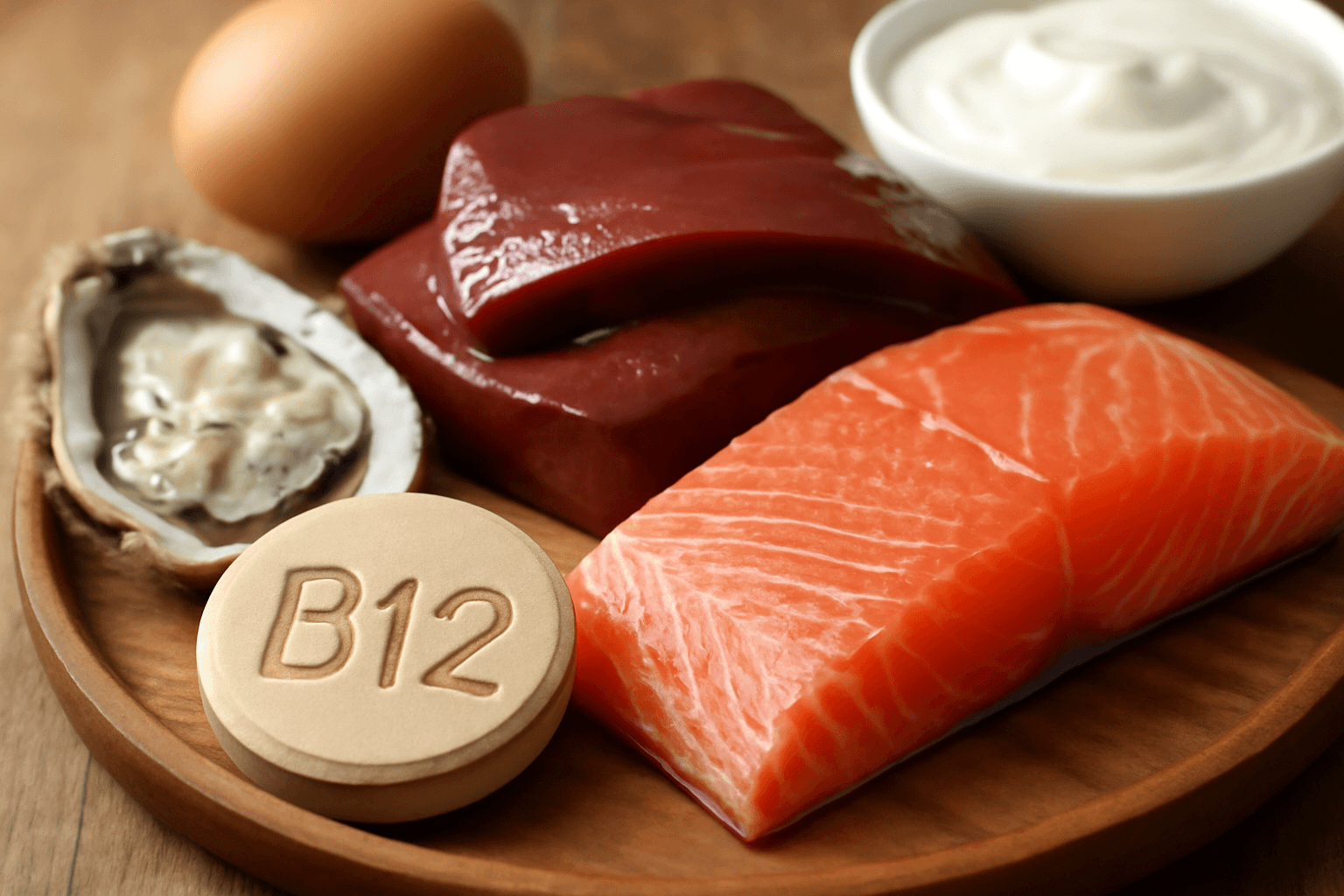
Folic acid is an essential nutrient for women planning pregnancy and pregnant women. It is particularly effective in preventing neural tube defects, and intake should begin three months before conception for healthy fetal development. This article comprehensively covers the definition of folic acid, methods of obtaining it through natural foods, and symptoms that appear when deficient. Additionally, it introduces overall health management methods for pregnancy preparation, including the relationship with menstrual cycles, the connection with protein intake, and healthy body management through yoga.
What is Folic Acid?
Folic acid is a water-soluble B vitamin nutrient, also known as vitamin B9. This nutrient is essential for cell division and DNA synthesis, and sufficient amounts are particularly needed during periods when rapidly growing cells are abundant. The naturally occurring form of folic acid is called folate, while the artificially synthesized form is called folic acid.
In the human body, folic acid acts as a methyl donor, participating in neurotransmitter production, red blood cell formation, and homocysteine metabolism, a substance that triggers atherosclerosis. In particular, insufficient folic acid during the first eight weeks of pregnancy can cause neural tube defects in the fetus, so adequate folic acid intake from the pregnancy planning stage is extremely important.
According to the CDC, folic acid supplementation can reduce the risk of neural tube defects by 50-70%. This is not merely the effect of supplements alone, and is even more effective when combined with a balanced diet.
Differences Between Natural and Synthetic Folic Acid
Folate, the naturally occurring form of folic acid, is naturally present in foods such as dark leafy greens like spinach, kale, and broccoli, legumes, and asparagus. The folate contained in these foods has multiple structural forms and is absorbed slowly during digestion.
Synthetic folic acid, on the other hand, is methylenetetrahydrofolate (MTHF) form created in the laboratory, which the body can absorb and utilize more easily. The bioavailability of synthetic folic acid is approximately 1.7 times higher than that of folate, which is why it is important in supplement manufacturing. The Ministry of Food and Drug Safety recommends that women in the pregnancy planning stage consume 400 micrograms of synthetic folic acid daily.
However, some people, due to genetic characteristics, cannot efficiently convert synthetic folic acid. In this case, choosing a supplement in the form of already activated folic acid (L-methylfolate) is more effective. If you are planning pregnancy, it is good to consult with a healthcare professional to choose the form that suits you.
Functions of Folic Acid
The main functions of folic acid are divided into five categories. First, it is essential for cell division and proliferation. During pregnancy, the fetus undergoes very rapid cell division, and without sufficient folic acid, cell division cannot occur normally. Second, it directly participates in DNA and RNA synthesis, ensuring that genetic information is properly transmitted.
Third, folic acid is very important for nervous system development. If folic acid is deficient during the early pregnancy period when the neural tube is formed, serious neural tube defects such as spina bifida or anencephaly can occur. Fourth, it regulates homocysteine metabolism, lowering the risk of cardiovascular disease. Elevated homocysteine increases the risk of miscarriage, so folic acid is also important for maintaining a healthy pregnancy.
Finally, folic acid assists in red blood cell formation. Since blood volume increases by 50% during pregnancy, sufficient red blood cell production is necessary, which occurs optimally when folic acid and vitamin B12 work together. Therefore, consuming animal protein foods (eggs, fish, meat) together with green vegetables at meals can provide a synergistic effect.
Foods Rich in Folic Acid
Foods rich in folic acid are broadly divided into plant-based and animal-based. Among plant-based foods, one cup of spinach (approximately 30g) contains 141 micrograms of folic acid, one cup of kale contains 145 micrograms, and one cup of broccoli contains 78 micrograms. Asparagus, peas, and corn are also excellent sources. Legumes are particularly rich, with one cup of black beans (approximately 172g) containing 256 micrograms of folic acid.
Among animal-based foods, 85g of chicken liver contains 770 micrograms of folic acid, and 85g of beef liver contains 215 micrograms. Eggs, particularly the yolks, also contain significant amounts, and dairy products like milk and cheese contain small amounts as well. Additionally, whole grains and fortified grains are good sources, with 100g of whole wheat flour containing approximately 190 micrograms.
A practical tip for effective intake is to choose vegetables that are raw or lightly cooked since folic acid can be destroyed during cooking. Spinach and kale can be added to smoothies or lightly blanched to maintain their nutritional value. Consuming these foods along with protein during the follicular phase of the menstrual cycle (from menstruation to ovulation) also improves the body's iron absorption.
Why Folic Acid Deficiency Occurs
The main cause of folic acid deficiency is an unbalanced diet. If you rely on processed foods or lack fresh vegetable intake, folic acid deficiency easily develops. In particular, research shows that approximately 32% of women planning pregnancy fall short of the recommended folic acid intake before conception.
The second cause is digestive disorders. If you have inflammatory bowel diseases like Crohn's disease, celiac disease, or ulcerative colitis, folic acid absorption is reduced. This is also true if you have had intestinal surgery. The third cause is medication use. Anticonvulsants, methotrexate (rheumatoid treatment), and some antibiotics interfere with folic acid absorption.
Excessive alcohol consumption is also a major cause. Alcohol inhibits folic acid absorption and increases its excretion. If you are planning pregnancy, alcohol consumption should be stopped. The fourth cause is stress and irregular menstruation. Hormone imbalance caused by stress leads to menstrual irregularities and impairs the body's metabolic functions, hindering nutrient absorption. Regular yoga practice is effective in reducing stress and regulating hormone balance.
Folic Acid Important for Pregnant Women
For pregnant women, folic acid is the most emphasized nutrient among all nutrients. The American College of Obstetricians and Gynecologists (ACOG) recommends that all women of childbearing age consume 400 micrograms of folic acid daily, and women specifically planning pregnancy should begin intake three months before conception.
Looking at the role of folic acid during pregnancy in detail, the neural tube forms during the first trimester (weeks 1-12), and folic acid deficiency during this period increases the risk of neural tube defects up to 20-fold. During the second and third trimesters, folic acid is essential for fetal brain and spinal cord development and placental growth promotion. Research also shows that adequate folic acid intake reduces the risk of miscarriage by 19%.
The daily recommended amount for pregnant women is 600 micrograms, which is 50% more than for the general adult woman (400 micrograms). Since it is difficult to meet this through food alone, prenatal vitamin supplements are necessary. Additionally, regular yoga (especially pelvic relaxation yoga) and stress management during the pregnancy preparation stage maintain a healthy menstrual cycle, improve uterine health, and increase the success rate of pregnancy.
Consultation with a healthcare professional is essential. Women with various pregnancy complications (gestational toxemia, preterm birth risk) or those taking anticonvulsants may need higher doses of folic acid supplementation. Your healthcare provider will prescribe the optimal dose based on your individual health status and medical history.
Conclusion and Summary
Folic acid is one of the most important nutrients for pregnancy and healthy fetal development. Natural folate and synthetic folic acid each have their advantages, and women planning pregnancy benefit most from utilizing both. Incorporate foods rich in folic acid (green vegetables, legumes, liver) into your daily diet and take supplements prescribed by your doctor if necessary.
Begin daily folic acid intake of 400 micrograms three months before conception, and increase to 600 micrograms during pregnancy. In addition to diet, managing stress through regular yoga practice and stabilizing your menstrual cycle allows your body to absorb necessary nutrients more efficiently. Adequate protein intake aids in the absorption of B vitamin complexes, so constructing a balanced diet is important.
Key Summary:
- Folic acid is vitamin B9, essential for cell division, DNA synthesis, and nervous system development
- Can reduce the risk of neural tube defects by 50-70%
- Daily intake of 400 micrograms when planning pregnancy, 600 micrograms during pregnancy
- Green vegetables, legumes, and liver are excellent food sources
- Unbalanced diet, digestive disorders, and medication use are major causes of deficiency
- Stress management (yoga) and regular menstruation help nutrient absorption
- Healthcare professional consultation essential from the pregnancy planning stage
Healthcare Professional's Advice: This information is general health information, and recommended folic acid intake may vary depending on individual health status, underlying conditions, and medications being taken. In particular, all women planning pregnancy and pregnant women should consult with an obstetrician/gynecologist or nutritionist to establish a folic acid intake plan tailored to their individual needs.