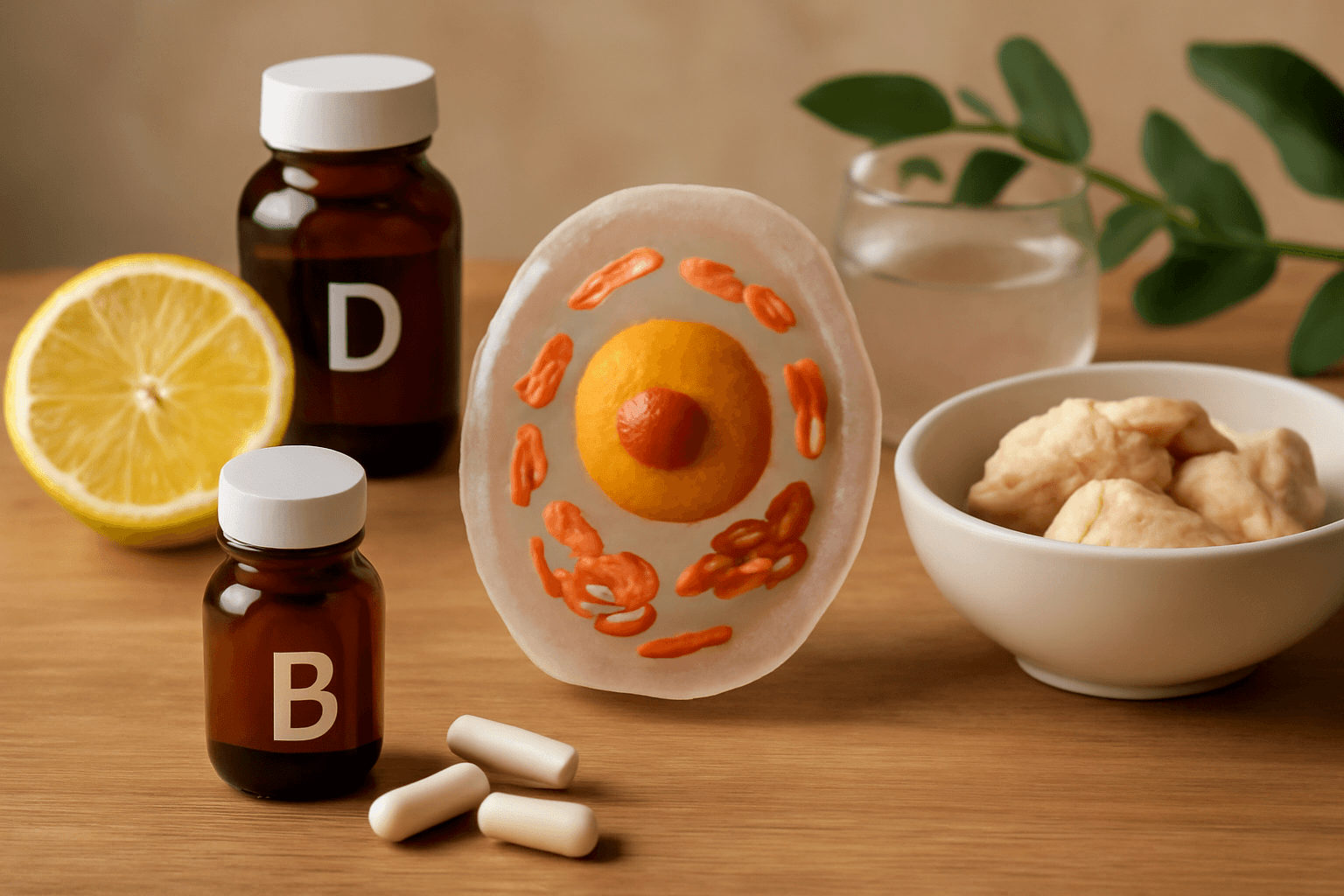
Autophagy, the process by which cells consume their unnecessary parts, is a key mechanism for maintaining homeostasis in our bodies and preventing aging. Recently gaining attention in longevity research, autophagy goes beyond a simple biological process to become a life-sustaining mechanism that leads to disease prevention, enhanced immunity, and improved heart health. This post provides science-based information from how autophagy works to specific methods you can implement in everyday life to promote it.
What is Autophagy?
Autophagy, derived from the Greek words 'auto' (self) and 'phagy' (eating), is the process by which cells capture damaged or aging cellular organelles and proteins with their lysosomes and break them down. This functions as an intracellular cleaning system and plays an important role in cell regeneration and energy recycling.
Autophagy is classified into three main types. Macroautophagy captures entire unnecessary cellular organelles, while microautophagy directly absorbs materials through the cell membrane. Chaperone-mediated autophagy is a sophisticated method that selectively breaks down specific proteins. Normal autophagy activity removes damaged mitochondria to increase energy production efficiency and processes misfolded proteins to prevent neurodegenerative diseases.
Autophagy is particularly activated during calorie restriction or exercise and is regulated through inhibition of the mTOR signaling pathway and activation of AMP-activated protein kinase (AMPK). Efficient autophagy maintains cellular protein homeostasis and optimizes mitochondrial function, forming the foundation for overall body health.
Consequences of Impaired Autophagy Function
When autophagy function declines, damaged cellular organelles and proteins accumulate in the body, becoming the cause of various diseases. Tau protein and amyloid-beta found in the brains of Alzheimer's patients are both accumulation products resulting from autophagy defects. Parkinson's disease similarly develops as the alpha-synuclein protein accumulates due to decreased autophagy function.
Autophagy defects are also a major cause of cardiovascular disease. When damaged mitochondria are not removed, excessive reactive oxygen species are generated, damaging vascular endothelial cells and promoting atherosclerosis. Pancreatic beta cells in diabetic patients lose insulin secretion function due to impaired autophagy. Cancer development is also closely related to autophagy defects, as damaged cells that are not removed can progress to tumor formation.
Additionally, reduced autophagy function leads to weakening of the immune system. When damaged cellular components are not removed, chronic inflammation is triggered, reducing infection resistance. Decreased autophagy in skin manifests as increased wrinkles and pigmentation, while in muscle tissue, autophagy defects accelerate muscle loss. Thus, autophagy is an essential element for maintaining overall health beyond simple cellular cleaning.
Aging and Inflammaging
Autophagy activity gradually decreases during the aging process. Compared to those in their 20s, autophagy activity in those in their 60s has been reported to be approximately 30-40% lower. This decrease occurs due to sustained activation of the mTOR signaling pathway, reduced AMPK responsiveness, and decreased expression of autophagy proteins (ATG proteins).
Impaired autophagy function triggers inflammaging, a phenomenon where chronic low-level inflammation persists with age, with inflammatory cytokines such as IL-6, TNF-α, and IL-8 continuing to rise at baseline levels. According to a 2019 Nature Review paper, accumulation of damaged cellular components due to insufficient autophagy activates pattern recognition receptors, triggering inflammatory responses.
Inflammaging is directly associated with diabetes, cardiovascular disease, and cognitive decline. Elderly individuals with high blood CRP (C-reactive protein) levels have more than double the risk of death within five years. By promoting autophagy to efficiently remove damaged cells, you can suppress the progression of inflammaging and extend healthy lifespan. In particular, autophagy activation through exercise and calorie restriction has been shown to reduce inflammatory markers by an average of 25-35%.
Methods to Promote Autophagy
1. Intermittent Fasting and Calorie Restriction
Intermittent fasting is the most powerful method for promoting autophagy. Maintaining a 16-hour fast-8-hour eating cycle sharply increases autophagy after 12 hours. In an experimental group practicing intermittent fasting for three weeks, blood ketone bodies increased 2-3 fold, a direct indicator of autophagy activation. A method restricting calories by 25-30% rather than complete fasting is also effective and more sustainable long-term.
2. Regular Exercise
Both aerobic and resistance exercise promote autophagy. Moderate-intensity exercise (60-70% of maximum heart rate) for 30 minutes at least three times per week activates AMPK in muscle cells, triggering autophagy. High-intensity interval training (HIIT) increases autophagy more than twice that of regular exercise. Exercise-induced autophagy improves mitochondrial function, creating a positive feedback loop that enhances exercise capacity itself.
3. Optimizing Protein Intake
Paradoxically, appropriate protein restriction also promotes autophagy. In particular, branched-chain amino acids like leucine strongly activate mTOR, suppressing autophagy. Periodic diets that temporarily reduce protein intake (weekly protein cycling) optimize the balance between autophagy and protein synthesis. However, complete protein deficiency causes muscle loss, so basic consumption of 1.2-1.6g of high-quality protein per kilogram of body weight is essential.
4. Polyphenols and Antioxidants
Polyphenols are natural substances that directly activate autophagy pathways. Resveratrol from black grape skins activates the SIRT1 protein to promote autophagy, while green tea rich in catechins increases autophagy gene expression along with antioxidant effects. Oleuropein found in berries (blueberries, black raspberries), dark chocolate (70% cacao or higher), and extra virgin olive oil directly promotes autophagy while simultaneously removing oxidative stress damage.
5. Stress Management and Sleep
Chronic stress suppresses autophagy through elevated cortisol levels. Conversely, meditation, yoga, and deep breathing exercises activate the parasympathetic nervous system to promote autophagy. Research shows that participants in an 8-week meditation program had a 18% increase in autophagy markers. Adequate sleep is also essential, as less than 6 hours of sleep impairs autophagy function by more than 30%. Deep sleep between 10 pm and 2 am particularly activates autophagy in brain neurons.
6. B-Complex Vitamins
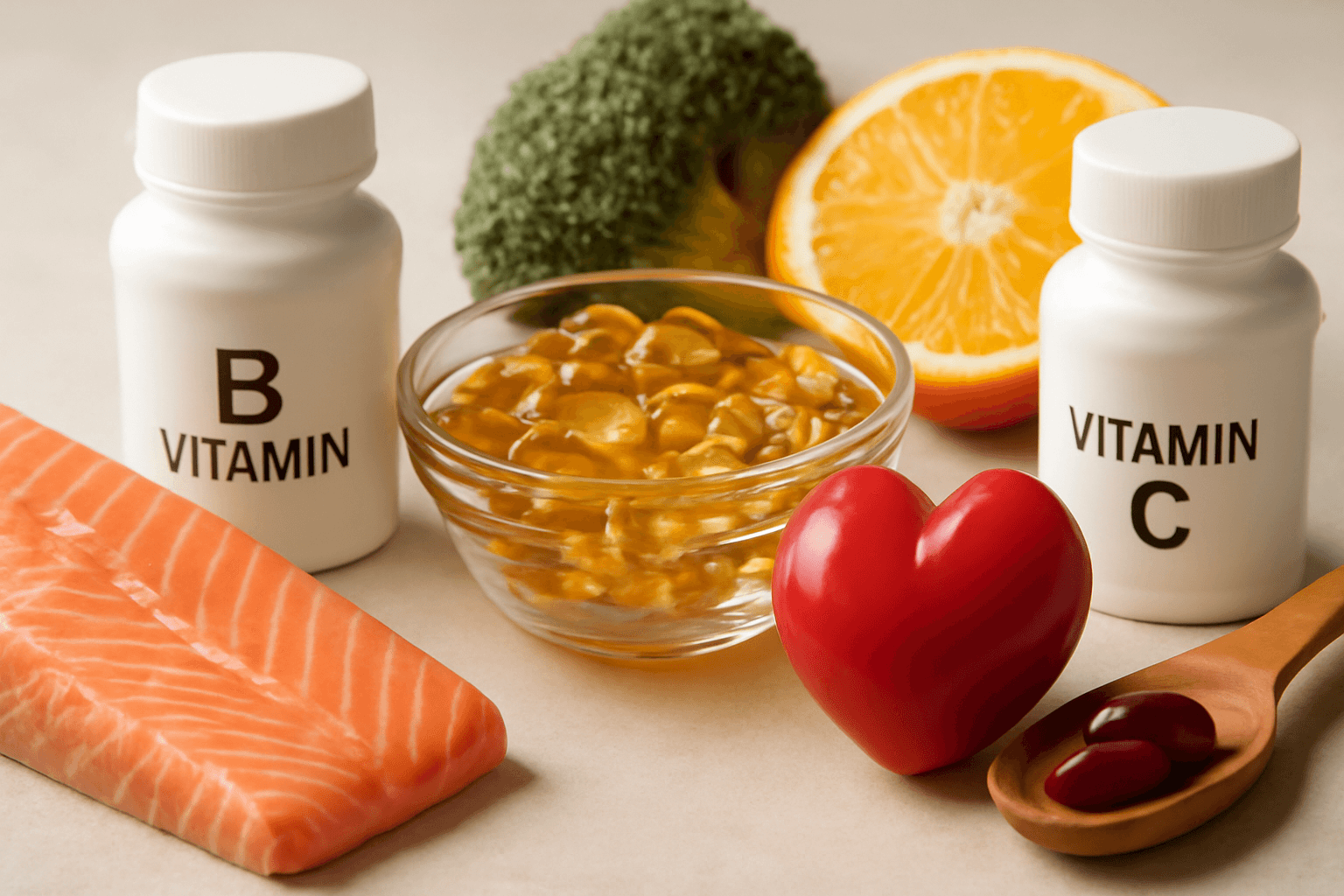
B vitamins are essential for energy metabolism and autophagy signaling. Vitamin B6 metabolizes leucine to prevent excessive mTOR activation, while vitamin B12 supports mitochondrial function to increase autophagy substrate. Niacinamide (vitamin B3), an NAD+ precursor, activates SIRT1 and SIRT3 to simultaneously promote autophagy and mitochondrial function. Folate (vitamin B9) aids epigenetic regulation of autophagy genes through methylation reactions.
7. Omega-3 Fatty Acids
Omega-3 fatty acids, especially EPA and DHA, promote autophagy while simultaneously controlling inflammation. Omega-3 improves cell membrane fluidity to facilitate autophagosome formation and strengthens autophagy signaling through AMPK activation. Consuming fatty fish (salmon, mackerel, sardines) three or more times per week or taking 1-2g of omega-3 supplements daily improves heart health while enhancing autophagy function.
Autophagy and Spermidine
Spermidine is the most specifically proven molecule for promoting autophagy. This polyamine is essential for cell division and growth, but particularly activates autophagy genes directly through histone acetyltransferase (HAT) inhibition. A 2016 Nature Cell Biology paper reported that spermidine administration extended lifespan by 10-25% in yeast, fruit flies, and mice, with no lifespan extension effect when autophagy defects were absent.
Spermidine is also found in natural foods. It is contained in whole grains, legumes, mushrooms (especially oyster mushrooms), tofu, aged cheeses, and spinach, with particularly high spermidine content in fermented foods. Epidemiological research shows that elderly groups consuming spermidine-rich foods three or more times per week have 40% lower mortality risk than those who do not. Spermidine's autophagy-promoting effect operates similarly to calorie restriction or exercise, with effects being particularly pronounced with advancing age.
Spermidine also demonstrates improved mitochondrial function and heart health protection effects. In hypertension models, spermidine administration prevented cardiac hypertrophy and reduced the inflammatory marker TNF-α by more than 30%. It also strengthens immunity by promoting autophagy in immune cells. However, patients with progressing cancer should consult healthcare professionals before considering spermidine supplementation.
Supplements for Promoting Autophagy
NAD+ Precursors (Nicotinamide Riboside, NMN)
NAD+ precursors promote autophagy by activating SIRT1 and SIRT3. Daily intake of 250-500mg NR (nicotinamide riboside) or 500-1000mg NMN (nicotinamide mononucleotide) increases blood NAD+ levels by 30-40%, with autophagy marker LC3-II increasing an average of 22% with three months of continuous use. Improvements in exercise capacity and mitochondrial function are particularly pronounced in elderly over 60.
Resveratrol
Resveratrol from grape skins, red wine, and berries acts as a SIRT1 activator. Daily supplementation of 150-500mg resveratrol promotes autophagy and reduces blood inflammatory markers by 15-25%. However, high doses (1000mg or higher) may interfere with iron absorption, so caution is warranted.
Alpha-Lipoic Acid (ALA)
A powerful antioxidant and AMPK activator, alpha-lipoic acid at 300-600mg daily promotes autophagy and improves blood sugar control. Particularly in prediabetic patients, it reduces fasting blood glucose by 8-12%.
Curcumin
Curcumin, the active component of turmeric, activates multiple autophagy signaling pathways. Daily intake of 500-1000mg of bioavailability-enhanced curcumin (including piperine) promotes autophagy while relieving joint inflammation. Bioavailability increases 20-fold when consumed with fat.
Berberine
Long used in traditional Chinese and herbal medicine, berberine strongly activates AMPK to promote autophagy. Daily berberine intake of 1000mg shows blood sugar-lowering effects similar to metformin and improves gut microbiota composition to enhance metabolic health. However, interactions with certain medications (particularly cyclosporine) are possible, so professional consultation is necessary.
Branched-Chain Amino Acid (BCAA) Restriction and Tryptophan Supplementation
Paradoxically, BCAAs excessively activate mTOR, so periodic BCAA restriction (1-2 days per week) helps promote autophagy. Conversely, tryptophan is a signaling molecule that promotes autophagy, so you can increase intake of tryptophan-rich foods like cheese, turkey, and pumpkin seeds.
Important Precautions: When choosing supplements, select GMP-certified products, and if you have existing conditions or are taking medications, consult with healthcare professionals. Professional medical judgment is essential before using supplements, particularly if you have diabetes, cardiovascular disease, or are undergoing cancer treatment. Excessive intake can have adverse effects.
Summary
Core Strategies for Promoting Autophagy:
- Lifestyle habits: Exercise at least three times weekly (especially HIIT), 16:8 intermittent fasting or 30% calorie restriction, adequate sleep (7-9 hours), stress management (meditation, yoga)
- Foods: Green tea, black grapes, berries, fatty fish (omega-3), oyster mushrooms, fermented tofu, whole grains, dark chocolate
- Nutrients: B-complex vitamins, omega-3 fatty acids (1-2g daily), polyphenols, spermidine
- Supplements: NAD+ precursors, resveratrol, alpha-lipoic acid, curcumin as needed (after professional consultation)
Autophagy is an intrinsic anti-aging mechanism in our bodies that can be greatly promoted through lifestyle improvements. Autophagy is maximally activated when fasting, exercise, and antioxidant-rich foods are combined, leading to reduced inflammation, improved mitochondrial function, disease prevention, and extended healthy lifespan. It is important to establish a customized autophagy-promoting strategy considering individual health status, age, and dietary habits, and monitor progress through regular health checkups. Particularly for elderly individuals over 60 or those with chronic diseases, it is recommended to begin an autophagy-promoting program under the guidance of healthcare professionals.